
Matox News

Truth Over Trends, always!

15-Year-Old Pleads Guilty to 12-Year-Old Leo Ross’s Murder in Birmingham

The recent case involving the murder of Leo Ross, a 12-year-old boy from Birmingham, underscores a disturbing trend of rising youth violence that is transcending national borders and challenging the fabric of societies worldwide. On a quiet day in Shire Country Park, Hall Green, a 14-year-old, now 15, engaged in a random attack that would result in Leo’s tragic death. This senseless act, characterized by a stabbing and subsequent deception by the perpetrator, has shocked communities, ignited debates about juvenile justice, and highlighted the urgent need for international cooperation to combat youthful violence. As the investigation reveals the attacker’s prior violent behavior, the case becomes an ominous signal of the vulnerabilities that nations across the globe face in safeguarding their young populations from falling into cycles of violence.

Legal authorities confirmed that the offender had no prior connection with Leo, emphasizing the randomness of the attack—a pattern that resonates with larger global concerns about the increasing brutality of youth crime. The teenager’s guilty pleas on multiple charges—including causing grievous bodily harm with intent and possessing a bladed article—brought some relief to a grieving family and the wider community, but it also exposed the depth of societal failures. West Midlands police revealed disturbing details: the attacker’s actions included throwing the murder weapon into a nearby river after the crime, and previously hunting down women in local parks. These revelations have prompted international organizations such as INTERPOL to call for better youth intervention programs and stricter firearm and weapon control, especially as similar incidents have risen in different countries, evidencing a pattern that demands a collective response.

From a geopolitical perspective, this tragic event illuminates the fragile state of social cohesion in many nations. Countries grappling with rising youth violence often find themselves at a crossroads—torn between liberal approaches that emphasize rehabilitation and stricter security measures advocating for harsher punishments. Analysts warn that the decision to focus on juvenile justice reforms or increased law enforcement can significantly shape national trajectories. The case also underscores a broader challenge for international institutions, which are urged by scholars like Dr. Abigail Turner and UNSC officials to foster cross-border cooperation on youth crime prevention. The ripple effects of such tragedies threaten to undermine social stability and the rule of law—core pillars that support peaceful and prosperous societies.

Amidst the shadows cast by individual tragedies, a somber reflection on **how nations defend their future generations** emerges as an urgent call to action. With the echoes of Leo’s innocent life symbolizing the potential lost to violent unrest, the international community stands at a critical juncture. The unfolding aftermath of the Birmingham incident reveals the undeniable truth: decisions made today—and the collective resolve to prevent such heartache—will define the legacy left behind. As the world watches how countries respond to these dark chapters, the haunting question persists: Will justice prevail and guide a new path forward, or will society continue to grapple with these tragedies, powerless against a tide of youth violence that threatens to reshape their histories forever?
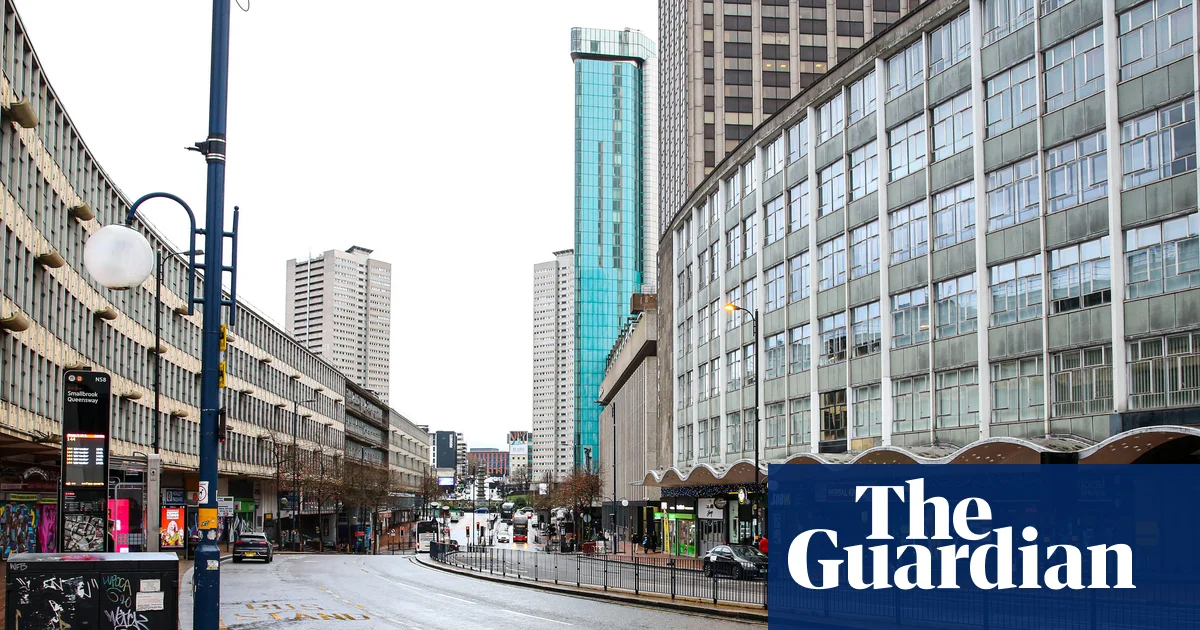

Youth-targeted stabbing in Birmingham city centre sparks concern

Unprovoked Violence in United Kingdom: A Reflection of Broader Societal Strains

In the heart of Britain, a recent stabbing incident in Birmingham exemplifies the persistent societal challenges facing Western nations. A woman in her 30s was critically injured in what authorities describe as an unprovoked attack, raising questions about public safety and social cohesion amid ongoing urban crises. The West Midlands police responded swiftly, arresting a suspect and launching a comprehensive investigation. Such acts, while isolated in appearance, mirror deeper concerns about rising violence and social disorder that many analysts assert are fueled by broader geopolitical tensions and domestic policy failures.

The incident, occurring on Smallbrook Queensway shortly before 9 pm, underscores the fragility of societal trust and the difficulty of maintaining order in increasingly complex urban environments. Officials have emphasized that this was an isolated incident, but the aggressive nature of the attack and the police’s efforts to find additional witnesses highlight a growing awareness of escalating violence in Western cities. Historians and security experts warn that such acts of random violence often serve as stark reminders of social vulnerabilities, with discussions centering around how geopolitical uncertainties—such as economic upheaval and migration pressures—spill over into domestic instability.

Global Instability and the Impact on Social Dynamics

While the United Kingdom grapples with localized incidents, a wider geopolitical landscape remains fraught with tension between major powers, with implications that ripple into every society. The United States, China, and Russia continue to contest dominance, fundamentally shifting international alliances and economic realities. Many international security analysts caution that internal societal fractures are often exacerbated by global crises—be it economic stagnation, military conflicts, or diplomatic confrontations—that strain social fabric and weaken communities’ resilience.

A recent report by the European Council on Foreign Relations underscored how long-standing regional conflicts, escalating economic sanctions, and the disruption of global supply chains significantly influence domestic stability. Countries such as France and Germany have seen similar spikes in urban violence, which some attribute to the pressures of a shifting world order. The United Nations, meanwhile, continues to call for increased cooperation, but their efforts are often hindered by emerging nationalisms and competing interests—further complicating efforts to uphold international peace and security.

Decisions with Lasting Consequences

  • Recent regional treaties and shifts in NATO policies reveal a concerted effort by Western allies to counterbalance aggressive moves by Russia and China.
  • The post-pandemic economic recovery remains fragile, with inflation and unemployment fueling public discontent across Europe and North America.
  • In response, governments have heightened security measures and enacted stricter laws, sparking debates over civil liberties versus national security—debates that have profound repercussions on civic trust and societal cohesion.

Deeper reflections by international observers suggest that the fabric of societal stability is increasingly intertwined with how nations handle these international challenges. In this era of shifting alliances, unprecedented conflict, and internal unrest, the choices and policies enacted today will resonate throughout generations. The lingering question remains: how resilient are our societies in the face of an uncertain, turbulent world? As history continues to unfold, the hidden currents of geopolitics threaten to undermine the foundations of peace and stability—each incident, from a single act of violence to a massive international crisis, another stitch in the complex tapestry of human destiny. The future of nations—and perhaps civilization itself—hinges on the decisions made in these turbulent times, echoing across continents and generations.

Social Media Auto Publish Powered By : XYZScripts.com


