Matox News

Truth Over Trends, always!

Experts slam Free Birth Society for dangerous misinformation threatening mothers and babies

International Ramifications of the Anti-Medical Birth Movement

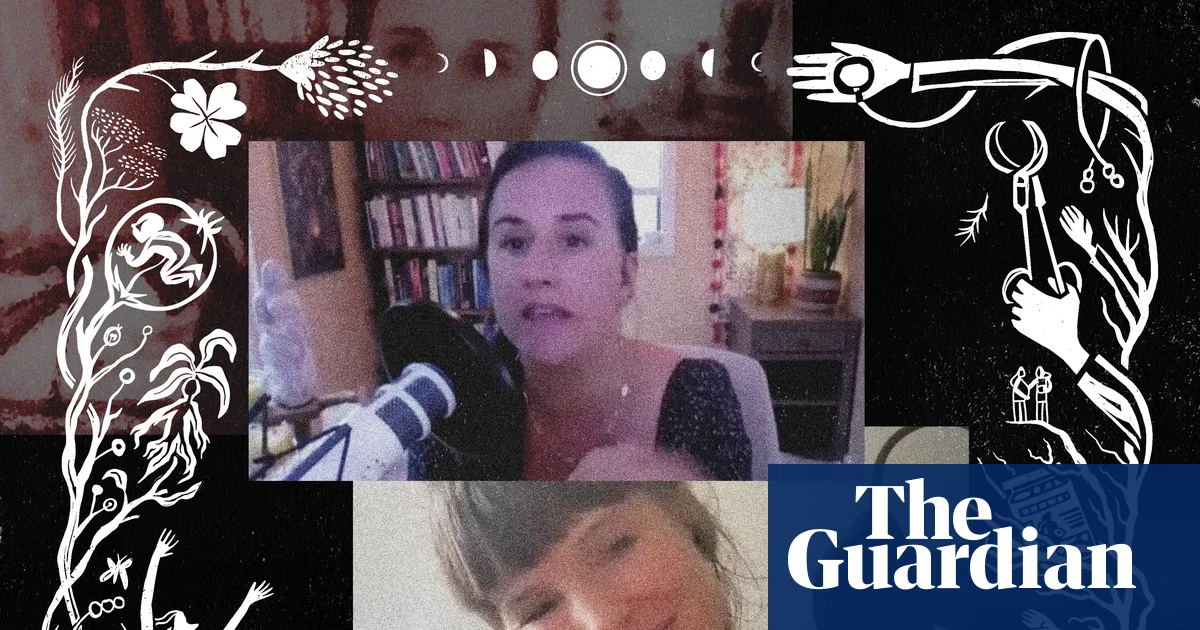
In recent months, the Free Birth Society (FBS), a controversial organization founded and led by two former social media influencers, has garnered significant international attention. Purporting to promote women’s rights to give birth outside of traditional medical settings, FBS’s platform champions a radical approach that rejects conventional obstetric care. Their message, which claims that birth can be safely conducted at home without medical intervention, has found a global following among young women seeking autonomy. However, key investigations, such as the recent expose by The Guardian, have linked FBS’s unorthodox practices to a disturbing rise in infant fatalities and maternal health crises worldwide.

This movement’s geopolitical impact is profound. From the Western nations with advanced healthcare systems to low-income nations where medical resources are already strained, the encouragement of unassisted childbirth threatens to undermine decades of progress in maternal and child health. International health agencies, including the World Health Organization (WHO), have issued warnings about the dangerous misinformation circulating via FBS’s social media channels. Prominent analysts argue that such rhetoric amplifies risks, especially in regions lacking access to emergency medical care, potentially reversing hard-won gains in reducing maternal mortality and neonatal complications. This situation exemplifies how decisions driven by ideological extremism on social media can destabilize fragile health systems and trigger avoidable tragedies.

Experts, including maritime and medical historians, have identified this phenomenon as a **turning point**—a challenge to the authority of scientific consensus and the practice of evidence-based medicine. Dr. Michelle Telfer of Yale University warns that propagating dangerous myths about childbirth, such as dismissing the importance of sepsis prevention or resuscitation, can have catastrophic consequences. In low-income countries, where the burden of infections like sepsis remains high, these misguided beliefs risk driving infant mortality rates upward. The International Federation of Obstetrics and Gynaecology (FIGO) emphasizes that these extremities are not merely health issues but pose a threat to social stability, especially when communities adopt practices that contravene basic medical science.

As this controversy unfolds, it underscores a broader debate about the role of sovereignty versus international standards, especially in an era where social media platforms wield tremendous influence over health narratives. The rise of FBS is a clear indicator of a wider global shift—a desire among some segments of society to reject what they see as excessive state intervention in personal choices, even when those choices threaten public health. How nations respond to this challenge, balancing individual freedoms with societal safety, will shape the trajectory of global maternal health for decades to come. The story is not yet over, and the weight of history now hangs in the balance, its future written by decisions made in the coming years regarding healthcare regulation, digital misinformation, and the sovereignty of nations’ health policies. In this ongoing saga, the stakes are nothing less than the safety and survival of the most vulnerable among us, and the world can only wait and watch as this dangerous chapter continues to unfold amidst the shadows of history’s unfolding narrative.
Rising Risks Ahead: Pregnant Women in England Face Growing Danger During Birth

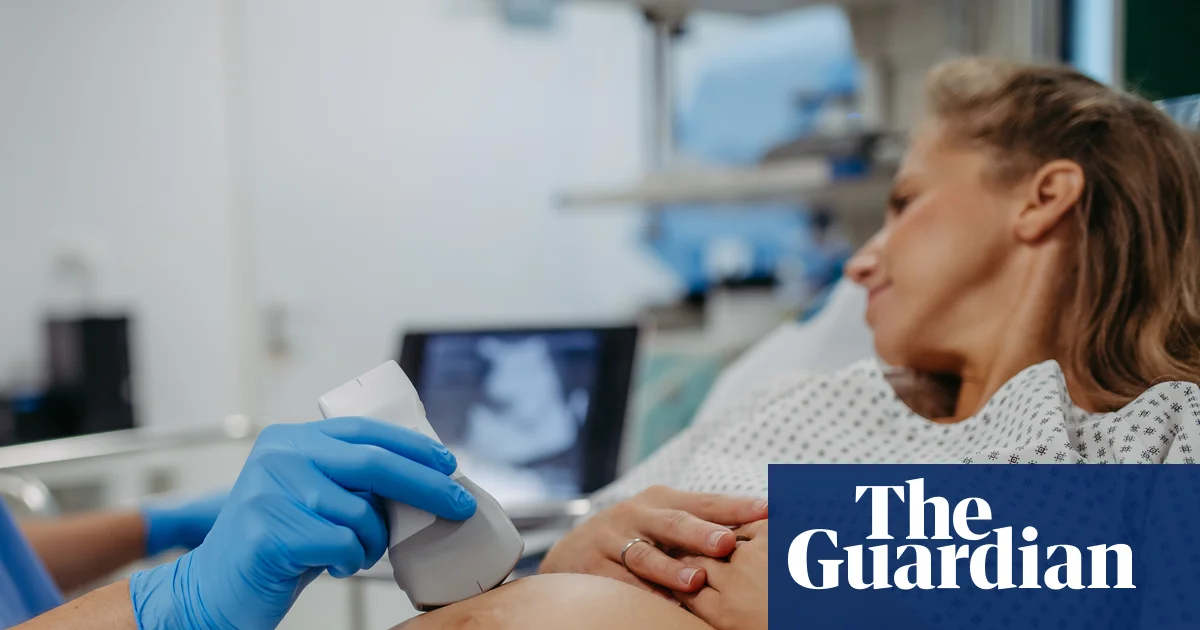
Across England, recent data from the National Health Service (NHS) reveals a troubling trend: an increase in serious injuries sustained by pregnant women during childbirth. Specifically, the incidence of third- and fourth-degree perineal tears—known medically as obstetric anal sphincter injuries (OASI)—has risen from 25 in 1,000 in mid-2020 to 29 in 1,000 this year, a stark 16% increase. These injuries, which damage critical muscles and tissues during delivery, can leave women with long-term pain, mental health challenges, and even difficulties in intimacy and continence. Such data challenge society’s collective understanding of maternal health and threaten to undermine the very fabric of family stability and community cohesion. This rise in trauma during a moment that should symbolize new beginnings is a reflection of systemic failings that demand urgent attention, because families are fundamentally impacted when mothers are left to endure preventable injury.

While some medical professionals advocate for the widespread use of the “OASI care bundle”—a set of protocols designed to assess and reduce tear risks—compliance remains inconsistent across NHS maternity units. According to social commentators, these discrepancies highlight deeper issues rooted in resource allocation, training, and prioritization within public health institutions. Historian and sociologist Dr. Margaret Collins notes how the neglect of proper risk assessments not only endangers physical health but erodes trust in healthcare systems that should serve as pillars of societal safety and support. Moreover, the failure to apply recommended assessment protocols contributes to errors like misdiagnoses, exemplified by the recent case where a woman at the University Hospitals Sussex NHS Trust was wrongly diagnosed with a second-degree tear, ultimately suffering life-changing complications. These failures underscore how inadequate care perpetuates cycles of trauma that ripple through families and communities, shining a spotlight on the importance of accountability and moral responsibility within our healthcare framework.

The societal repercussions of maternal injuries extend beyond the individual to influence family dynamics and community stability. Injuries like OASI can induce conditions such as post-traumatic stress disorder (PTSD) and *secondary tokophobia*—a fear of pregnancy—forcing women to reconsider their desires to have additional children. Children, in turn, are affected by disrupted bonding and maternal mental health challenges; these issues threaten the core social unit—family—that sustains societal continuity. According to social worker and obstetrician Dr. Ranee Thakar, many of these injuries are treatable, yet the failure to consistently implement preventive protocols leads to avoidable suffering.

  • Inadequate assessment and intervention
  • Lack of standardized implementation of safety protocols
  • Insufficient training for care professionals

These are societal failures echoing through generations, highlighting the urgent need for systemic reform. As sociologists like John Williams argue, societal trauma manifests in family instability and workforce disengagement, ultimately weakening the social fabric.

Despite national efforts to address these issues—such as the recent audit revealing that over 3% of women experienced some form of perineal tear—challenges remain. The government asserts that improvements are underway, with healthcare authorities promising enhanced perinatal pelvic health services and increased adherence to safety protocols. Yet, the persistent rise in injuries illustrates that socio-political commitments often fall short of effecting real change. Like the unresolved societal tensions documented by historian Eric Johnson, these failures underscore how *neglect of vulnerable populations*—in this case, pregnant women—can result in a cycle of trauma that deprives communities of their future generations. As society stands at this crossroads, the question remains: will we choose to prioritize the health and dignity of mothers, or let systemic indifference continue to threaten the foundation of our families?

In conclusion, the rising incidence of severe childbirth injuries in England exposes the cracks in our societal structure. The challenge is not solely medical but moral—a collective call to protect the essence of community, tradition, and human dignity. As families grapple with the aftermath of preventable trauma, society must reflect on how systemic oversight and cultural neglect threaten the very bonds that uphold our shared humanity. With hope, systemic reforms fueled by conscientious advocacy can transform this narrative of neglect into one of resilience—restoring dignity, safety, and hope for generations to come. Society’s true strength lies in its capacity to heal, to protect, and to nurture—now and into the future.

Social Media Auto Publish Powered By : XYZScripts.com



