Matox News

Truth Over Trends, always!

US Lawmakers Blast Trump for Iran Strikes: Unlawful War Acts, Say Congress Not Briefed

Controversial U.S. Military Action Against Iran: A Turning Point in Middle East Dynamics

The recent military strikes conducted by the United States on Iran have ignited a fierce debate among American policymakers, international analysts, and global observers. The operation, which reportedly targeted Iran’s nuclear facilities, was carried out without prior congressional approval, raising serious concerns over the constitutional authority and the war powers resolution of 1973. This statute was specifically designed to prevent presidents from engaging in unauthorized military activities, especially without consultation or notification to Congress. The administration’s decision not to inform key lawmakers, including the so-called “gang of eight,” has exacerbated tensions, fueling accusations of overreach and unilateralism at a critical moment.

From a geopolitical impact perspective, the strike marks a dramatic escalation in the US’s approach to Iran, a nation long regarded as a strategic adversary in the Middle East. While President Trump and his officials have justified the action as a necessary response to Iran’s regional influence and nuclear ambitions, critics argue that this move risks sparking a wider regional conflict. As historian Robert Kaplan warns, such operations could destabilize the fragile balance of power in the Middle East, potentially igniting proxy wars that threaten broader global security. Prominent voices, including members of Congress from both parties, have called for urgent accountability. Democratic senator Tim Kaine and Republican representative Thomas Massie have emphasized that, without congressional approval, such military activities undermine constitutional checks and balances, and could set a dangerous precedent in US foreign policy. Moreover, international organizations like the United Nations have criticized uncoordinated acts of war, urging clarity and adherence to international law in conflicts involving sovereign nations.

Within **domestic politics**, the controversy deepens, with voices across the spectrum questioning the administration’s transparency and strategic vision. The comparison to previous war efforts, especially the 2003 invasion of Iraq rooted in false intelligence about weapons of mass destruction, remains fresh in memory. Many analysts argue that Trump’s latest actions resemble an overzealous pursuit of military dominance without clear objectives, risking another prolonged conflict under questionable justification. The debate highlights a broader ideological divide about America’s role on the world stage — with some champions of intervention heralding the strikes as a decisive shift towards eradicating global terror sponsors, while opponents see it as reckless and unnecessary escalation that jeopardizes American security and international norms.

This unfolding chapter of history leaves the world watching with bated breath, as alliances are tested, and nations brace for possible repercussions. As Iran vows to retaliate, and other regional actors reassess their strategic calculations, the incident underscores a profound truth: every decision made in America’s war rooms today echoes across the ages, shaping the geopolitical landscape for generations to come. With each passing hour, the weight of history presses down — a stark reminder that the path to peace is often marred by the shadows of conflict, and the choices of leaders today may well define the future of the Middle East, and indeed, the world itself.
Pakistan Mosque Blast: Locations of the Attack Revealed

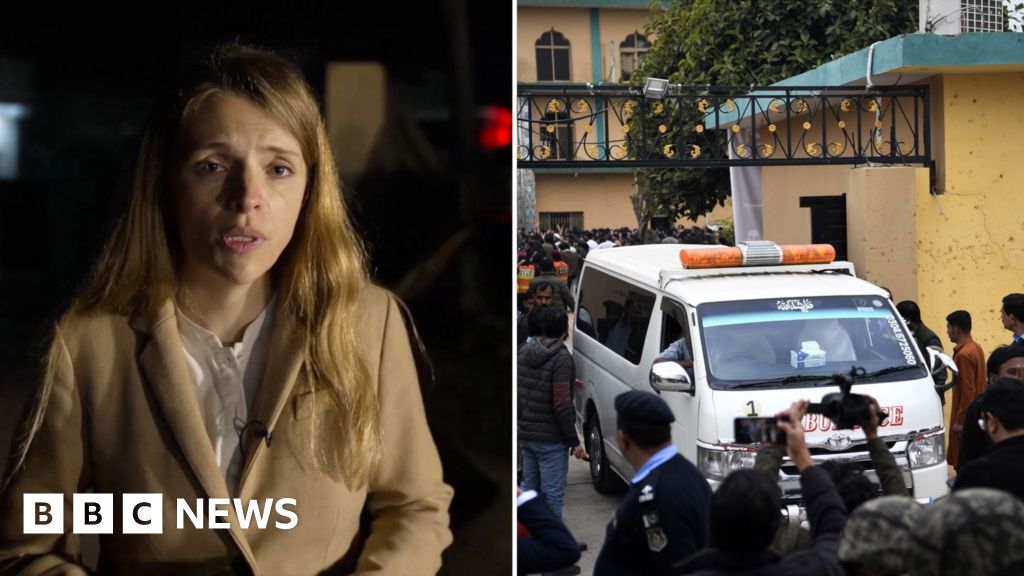
The recent suicide bombing at a Shia mosque in Islamabad, Pakistan, which claimed at least 31 lives and injured nearly 170 others, underscores a troubling escalation of sectarian violence that continues to destabilize the region. According to local authorities and eyewitness accounts, the blast was preceded by gunfire, indicating a coordinated attack aimed at targeting the religious minority. This incident has not only caused immediate humanitarian crises—prompting urgent hospital responses and blood donation appeals—but also reverberates with profound geopolitical implications that extend beyond Pakistan’s borders.

As international analysts scrutinize the attack, it draws attention to the broader regional sectarian tensions and extremist threats that plague South Asia. Experts such as regional security strategist Dr. Lisa Ferguson emphasize that such violence perpetuates a cycle of radicalization, often fueled by militant groups seeking to deepen sectarian divides. The Pakistani government’s response—condemning the attack and calling for justice—underscores its commitment to combating internal extremism. However, outside observers warn that without addressing underlying issues such as political marginalization and ideological radicalization, these incidents may become a recurring menace with the potential to destabilize neighboring countries, including Afghanistan and India, which are already wrestling with their own complex security challenges.

International organizations, including the United Nations, have issued statements condemning the attack, emphasizing the importance of protecting religious minorities and pursuing justice. Yet, the attack also highlights the fragile state of broader bilateral and regional relations. For instance, Pakistan’s neighbor, India, faces heightened concern over cross-border terrorist links, complicating diplomatic efforts toward peace and stability in South Asia. Simultaneously, China maintains economic and strategic interests in the region through initiatives like the Belt and Road, walking a tightrope between supporting Pakistan and managing regional instability. Meanwhile, United States policymakers are watching closely, evaluating how Pakistan’s internal security issues influence broader U.S. strategic objectives in Asia.

Historians and security analysts warn that this attack signifies a turning point in Pakistan’s ongoing struggle with extremism. According to noted geopolitical scholar Dr. Rajiv Malhotra, such acts of violence threaten to fracture societies and hinder efforts at reconciliation. The broader global narrative echoes these concerns: the rise of religious and ideological violence adheres to a dangerous pattern that tests the resilience of nations committed to democracy and pluralism. As the dust settles in Islamabad, the world must grapple with the realization that history is still unfolding, and that the outcomes of these tragic events will define regional stability for years to come. With the shadows of extremism lengthening across borders, the necessity for vigilant, coordinated international action has never been more apparent. The weight of history presses down—what course will the world choose amidst this chaos remains to be seen, but the stakes could not be higher.

Iran gas blast claims five lives amidst ongoing crisis

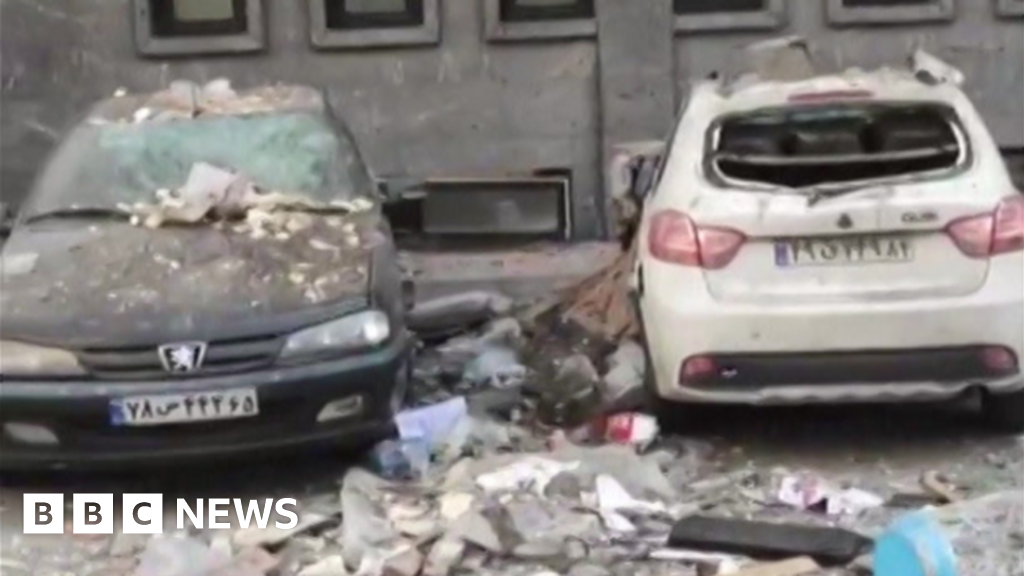
In a disturbing development that underscores the fragile security landscape across key regions, a four-year-old child is among those confirmed dead after two separate blast incidents reported on Saturday. These violent events have once again illuminated the persistent threat of terrorism, insurgency, and geopolitical instability that continue to ripple across borders, affecting societies at their most vulnerable. The pattern of deadly explosions not only results in tragic loss of life but also highlights the ongoing struggle for stability amidst rapidly shifting international alliances and regional conflicts.

Experts from the United Nations and various geopolitical analysts warn that such incidents are symptomatic of deeper, unresolved grievances. The blasts, occurring in areas with strained political dynamics, have spurred calls from global leaders for increased cooperation. The recent spikes in violence are seen by many as the result of longstanding conflicts that international diplomacy has struggled to contain—conflicts often fueled by competing national interests, sectarian divides, and economic deprivation. The international community is particularly concerned about the impact these tragedies have on vulnerable populations, especially children, who bear the brunt of ongoing violence. The loss of a young child in such circumstances has become a somber symbol of the broader human toll inflicted by these persistent insecurity issues.

In response to Saturday’s events, governments and security agencies have intensified their efforts to identify and dismantle networks responsible for orchestrating such atrocities. Meanwhile, the geopolitical impact extends beyond immediate security concerns, influencing global power balances. Countries like the United States, Russia, and key regional powers are increasingly forced to reassess their strategic priorities and alliances, with some leveraging these events as justification for increased military presence or stricter border controls. These decisions inevitably ripple through societies, affecting daily life, economic stability, and political discourse, often leading to increased polarization and distrust among populations.

Historically, episodes of violence like these serve as critical turning points, prompting international organizations and historians to analyze the deeper roots of conflict. Many argue that the current wave of violence is rooted in unresolved regional tensions, thwarted peace processes, and ineffective governance. As analysts emphasize, these incidents are warning signs that without meaningful diplomatic intervention and economic development, such tragedies will only multiply. The future of these regions hinges on the relentless pursuit of peace and stability, but the path remains fraught with uncertainties.

As the world watches, the ongoing chaos leaves behind a haunting question: How much more bloodshed must occur before the global community fully embraces a decisive, coordinated effort to restore order? Threatening to engulf entire civilizations in cycles of violence, these tragedies continue to threaten the stability of nations and the security of societies worldwide. The weight of history presses heavily upon policymakers and citizens alike, reminding the world that in the face of adversity, the struggle for lasting peace remains an enduring, complex challenge. This is a chapter that is still being written—where every decision has the potential to shape the course of history, either toward renewal or further chaos.

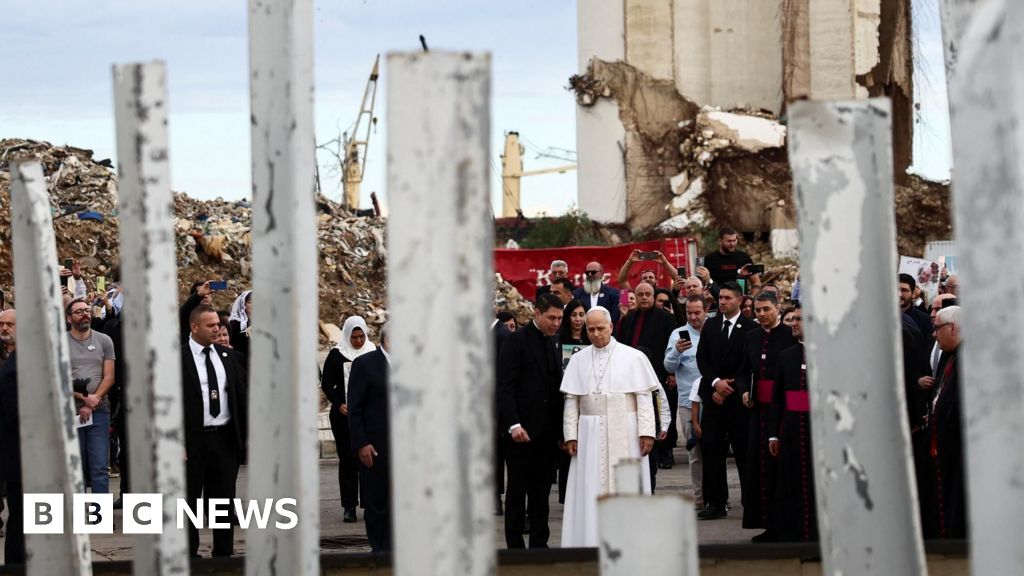
Pope Prays for Lebanon at Beirut Port Blast Site on Final Day of Visit

In a poignant act of remembrance and call for justice, Pope Leo XIV concluded his recent visit to Lebanon with a silent prayer at the site of the devastating Beirut port explosion. This tragedy, which struck in August 2020, claimed 218 lives and left an indelible scar on the city’s fabric. The Pope’s failure to condemn the gross negligence involved in storing nearly 2,750 tonnes of ammonium nitrate without proper safety measures highlights the worldwide concern over accountability and governance in fragile states. Derided by critics as symptomatic of endemic corruption, this disaster exemplifies how failed leadership can escalate into humanitarian crises that ripple across borders, affecting regional stability and international perceptions of Lebanon.

The ongoing struggle for justice reflects a broader crisis of governance that continues to undermine Lebanese sovereignty and social cohesion. Victims’ families, such as Cecile Roukoz and Tatiana Hasrouty, are voicing frustrations that their pleas have fallen on deaf ears, hindered by a political elite more intent on self-preservation than addressing structural failures. Analysts from the International Crisis Group warn that such impunity not only erodes public trust but also emboldens regional actors with vested interests in Lebanon’s instability—an issue impacting neighboring countries and international peace efforts. The failure to prosecute those responsible redefines the crisis as one of moral decline and lost opportunity for reform, which risks devolving into an enduring cycle of chaos and despair.

Meanwhile, Lebanon remains under the shadow of division and conflict. Since the last papal visit in 2012, the nation has been battered by compounded crises including an unprecedented economic depression that plunged millions into poverty, widespread protests, and the aftermath of a lengthy war involving Hezbollah and Israel. A fragile ceasefire now holds, but persistent Israeli strikes targeting alleged Hezbollah rearmament threaten to unravel these diplomatic gains. How the Lebanese political system navigates these unresolved issues will decisively shape their future, and perhaps, their very survival. The international community is calling for structural reforms and renewed efforts at reconciliation, but their requests are often dismissed or delayed, fueling skepticism about real change.

This turmoil is not isolated; it embodies a broader geopolitical contest, with Iran backing Hezbollah and Israel defending its borders, all within a region where external powers jockey for influence. As security analysts warn of a potential escalation, the stability of Lebanon becomes a litmus test for regional peace, with the global implications of unchecked conflict growing starkly evident. The echoes of history are loud, and the delicate balance of power teeters on the brink—each decision made by leaders has profound consequences for the daily lives of Lebanese citizens and the wider Middle Eastern landscape. Today, as Lebanese households grapple with economic hardship and uncertainty, the weight of geopolitics looms heavy, reminding the world that the pages of history continue to turn—sometimes silently, sometimes with the ominous roar of war.

Italy to Extradite Pipeline Blast Suspect to Germany—Justice on the Move

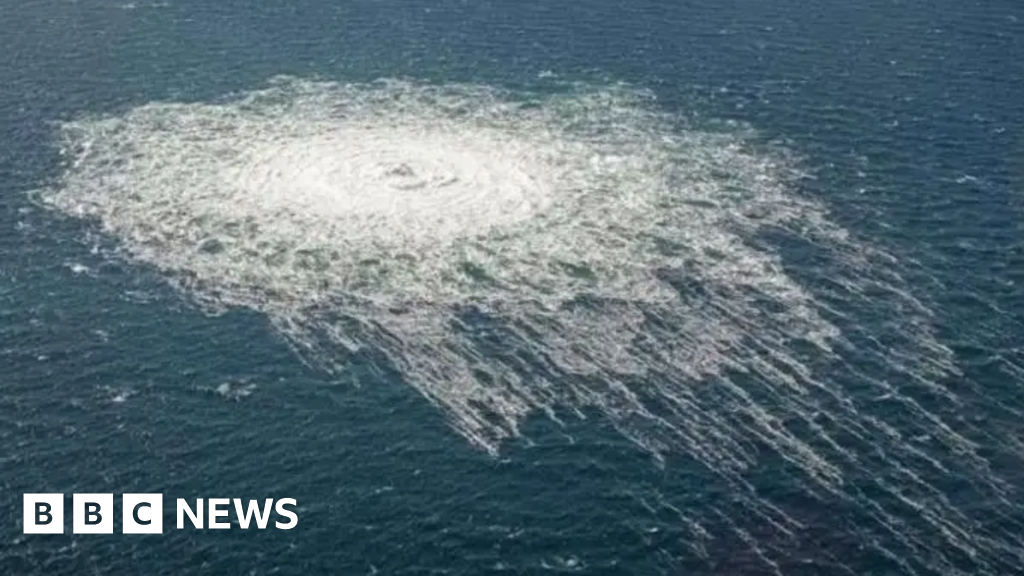
The Nord Stream pipelines, crucial maritime conduits carrying natural gas from Russia to Germany, have become a focal point of international contention following a clandestine attack in 2022. The pipelines, running beneath the Baltic Sea, have long symbolized the intertwined energy dependencies between Europe and Russia. Their sabotage not only disrupted European energy supplies but also ignited a fierce debate over who bears responsibility for undermining European stability and unity. Recently, Italy’s highest appeals court authorized the extradition of Serhiy Kuznetsov, a suspected Ukrainian national, to face charges of sabotage in Germany. This case exemplifies how individual acts, allegations, and international legal proceedings are now deeply enmeshed with broader geopolitical ramifications, pushing nations into complex alliances and divisions.

  • Italy’s top appeals court’s decision to extradite Serhiy Kuznetsov underscores the intensified scrutiny on Ukraine’s role in the pipeline attacks, which Kyiv has vehemently denied orchestrating. Prosecutors in Germany believe Kuznetsov, a former Ukrainian military officer, allegedly coordinated the operation, planting explosives deep beneath the Baltic Sea, an act believed to have potentially altered the trajectory of European energy politics. Though evidence remains classified, the implications for Ukrainian-German relations are profound, revealing the delicate balance between military aid support and accusations of offensive covert actions.
  • Simultaneously, a second Ukrainian suspect, Volodymyr Zhuravlyov, was detained near Warsaw, only to be released by Polish courts which saw his actions as a form of legitimate self-defense amid Russia’s ongoing, brutal invasion of Ukraine. His case highlights contrasting perceptions: some nations view Ukrainian involvement in sabotage as justified resistance, while others see it as an escalation of conflict.

How international decisions and legal proceedings shape geopolitical landscapes

As analysts and history scholars observe, the indictment and extradition of Kuznetsov mark an escalation in how the West perceives and politically navigates the Ukraine crisis. Critics argue that such cases are used to intensify diplomatic pressure on Ukraine and its Western allies, predominantly Germany, which is among Kyiv’s most significant supporters. The narrative surrounding the attack on Nord Stream has become a symbol of the broader struggle between Western interests and Russian influence. Meanwhile, international organizations warn that this legal confrontation could further fracture European unity at a critical juncture, especially as Russia continues its strategic influence campaigns in the region.

The decision to extradite Kuznetsov, viewed by supporters as a step towards justice, is criticized by many Ukrainians and their advocates who see the attack as a hero’s deed to destabilize Russian economic power—an act they celebrate. Yet, other nations worry about the precedent it sets: the criminalization of acts of resistance, which could spiral into wider conflicts or arbitrary prosecutions. The fate of this case remains uncertain, but its repercussions extend far beyond Italy or Germany, emphasizing how individual acts of sabotage now carry the weight of international diplomacy.

As history continues to unfold, the battle over truth and justice in the Nord Stream case underscores a reality where every decision echoes through the corridors of power, affecting societies and the course of nations. In a world teetering on the edge of new alliances and confrontations, it is clear that the recent actions are not just about pipelines or legal technicalities but about the extreme stakes of global influence. The penultimate chapter remains unwritten, and the weight of history presses heavily upon the shoulders of the current generation—witnesses to a pivotal moment where the future of European stability, and perhaps the entire continent’s destiny, hangs perilously in the balance.

Jakarta High School Mosque Blast Injures 54, Raising Security Concerns

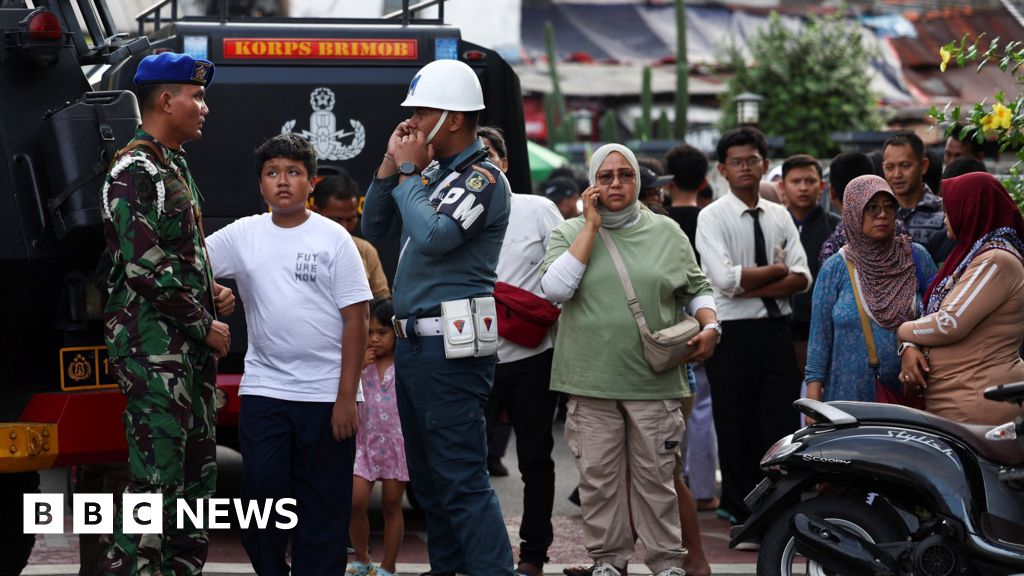
Jakarta, Indonesia — One of the world’s largest Muslim countries faced a harrowing moment this Friday when an explosion during Friday prayers at a mosque inside a high school complex injured dozens of individuals. Authorities report that at least fifty-four people have been hospitalized, with injuries ranging from minor burns to more severe wounds. The incident has sent shockwaves across the nation, raising questions about security, radicalism, and societal vulnerabilities within Indonesia’s diverse landscape.

Initial investigations point to a potentially complex motive, as officials have detained a 17-year-old student who is currently undergoing surgery. Police and bomb disposal experts continue to search the premises for evidence, with some preliminary reports indicating the presence of homemade explosives and suspicious objects resembling firearms. Authorities have yet to determine whether this tragedy was an isolated act of violence, a personal grievance, or a symptom of deeper societal unrest, but the emergence of such violent incidents in Indonesia—home to the world’s largest Muslim population—raises alarming questions about the current geopolitical climate.

Experts and analysts are scrutinizing the troubling details that have come to light. An anonymous pupil reported that the suspect had often been bullied and was known for drawing violent imagery, casting the incident in a troubling light concerning social alienation and mental health issues among youth. Additionally, a school cook described a “massive” blast with smoke billowing and windows shattered. The scene’s disturbing evidence included two objects resembling firearms and a belt designed for storing gun cartridges. Disturbingly, one such firearm bore inscriptions referencing “14 words. For Agartha.” and “Brenton Tarrant. Welcome to Hell.”—a chilling echo of Christchurch’s terrorist who murdered 51 worshippers in 2019, highlighting a disturbing crossover of violent ideologies.

Global institutions and security analysts are concerned about the broader geopolitical impact of such incidents. Historians warn that violence in Indonesia, while often framed as internal or local, reflects a shifting landscape where global radical ideologies can infiltrate societies, inciting unrest even in nations with strong Islamic traditions. The presence of the inscribed firearm, referencing a notorious mass shooter, signals a troubling nexus—whether imported extremism or domestic radicalization—posing a threat not only to Indonesia but to regional security. International organizations have called for heightened vigilance, emphasizing that societal resilience depends on addressing underlying causes such as extremism, societal alienation, and the proliferation of dangerous ideologies online—elements that threaten to destabilize the fabric of peaceful coexistence.

As investigators pursue answers, the incident serves as a stark reminder that history remains a fluid and ominous narrative. With each violent event, the trajectory of societal stability is challenged and reshaped by decisions made today. Indonesia’s leadership faces a critical crossroads: continue to grapple with internal divisions or confront the socio-political fractures fueling youth radicalization. The world watches with bated breath, knowing that how Indonesia responds will influence regional stability and could set a precedent for either resilience or further chaos. The echoes of this tragedy will continue to reverberate through the corridors of history, underscoring that the struggle against violence is unending—and often, the price of peace is paid in the silent, watchful moments of history’s unfolding story.

Mine blast at Cobar claims two lives — a tragic blow to our far west communities

Tragedy Strikes In Australia: Deadly Mine Explosion Raises Safety Concerns and Geopolitical Implications

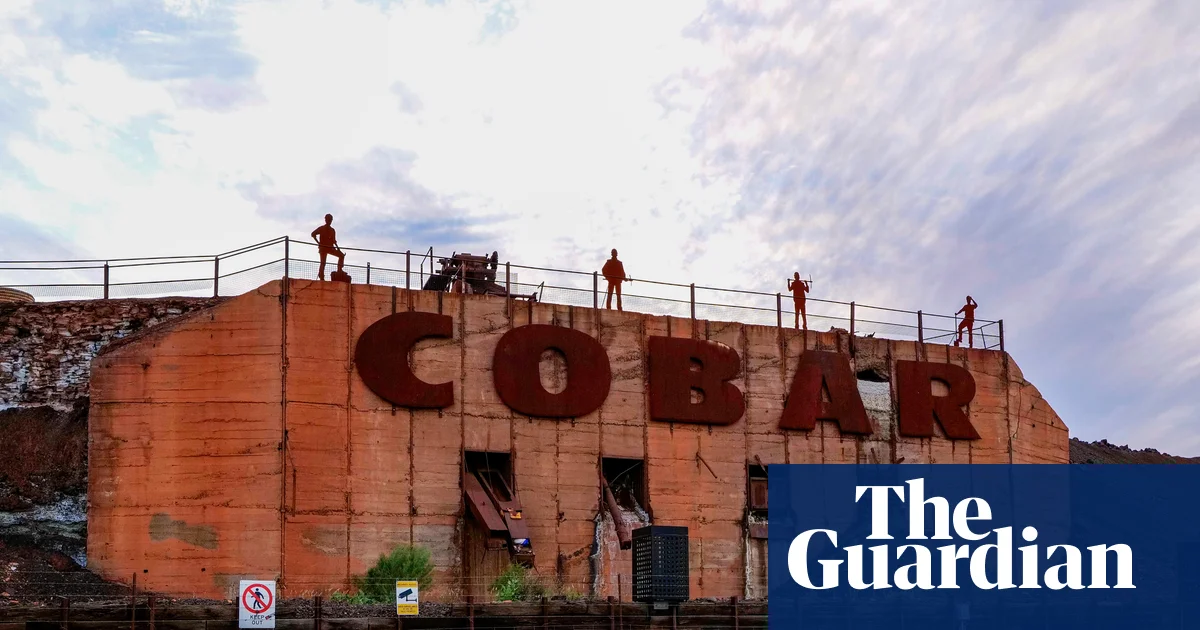
In a devastating incident in the Cobar region of Australia, two workers lost their lives following an underground explosion at the Endeavour Mine. This catastrophe underscores the persistent risks associated with resource extraction industries, even as technological advancements claim to improve safety protocols. According to authorities, emergency services responded swiftly after being alerted early Wednesday morning; however, the magnitude of the explosion resulted in one confirmed death on-site and the subsequent death of a woman who was initially rescued. The incident also left another woman hospitalized with hearing damage and shock, highlighting the ongoing danger faced by miners in hostile underground environments.

How decisions and safety regulations impact nations and societies

This tragedy in Australia resonates beyond local concerns, echoing a broader global discussion on the safety standards within resource-dependent nations. Australian authorities, including NSW Premier Chris Minns and state Minister Courtney Houssos, have expressed their heartbreak and solidarity with affected families. These events serve as a harsh reminder that even in countries with improved safety protocols, vigilance remains vital. As some analyses suggest, the mining sector is a cornerstone of Cobar’s economy, primarily supporting copper, gold, zinc, and lead extraction—industries that are vital for local employment and regional economic stability. Yet, each accident risks not only human lives but also threatens the societal fabric, stirring political debates about regulatory oversight and corporate responsibility.

Geopolitical and economic dimensions of resource security

The incident’s international implications lie in how resource security and safety standards influence global geopolitics. Countries that rely heavily on mineral exports such as Australia find that mining accidents can ripple through global supply chains, affecting industries ranging from electronics to automotive manufacturing. Moreover, Australia‘s role as a strategic resource provider heightens the stakes, especially as global demand for critical minerals surges—driven by alternative energy initiatives and technological innovation. Historically, mining tragedies have occasionally spurred reforms and heightened regulatory scrutiny, but they also underscore the fragility of mining infrastructure amid economic pressures to maximize output.

Experts from international organizations warn that such incidents can undermine critical diplomatic relationships, especially if safety lapses are perceived as neglect or intentional cost-cutting. The World Bank and International Labour Organization have long championed stricter safety standards, but enforcement often falls short amid rising global competition for mineral wealth. While Australia remains a key player in this geopolitical chess game, the incident at the Endeavour Mine might influence future negotiations on trade, labor rights, and environmental regulations, prompting nations to reassess their own resource policies.

Conclusion: The weight of history and the future that remains unwritten

As the dust settles over the incident at Cobar, the broader narrative unfolds—a narrative of human resilience, regulatory challenges, and the relentless pursuit of progress at a cost. History has shown that each tragedy on the frontier of resource extraction leaves an indelible mark on national consciousness and international policy. With the investigation ongoing, the mining industry and governments worldwide are reminded that beneath the surface of prosperity lies a fragile balance, one that must be guarded jealously. In the shadows of these dark events, the true test lies not only in justice for the fallen but in the unwavering resolve to forge safer pathways into the future, lest we forget the lessons written in the scars of history.

19 Missing After Explosive Blast Rocks Tennessee Facility

Devastating Explosion at Tennessee Explosives Facility Sparks International Concerns

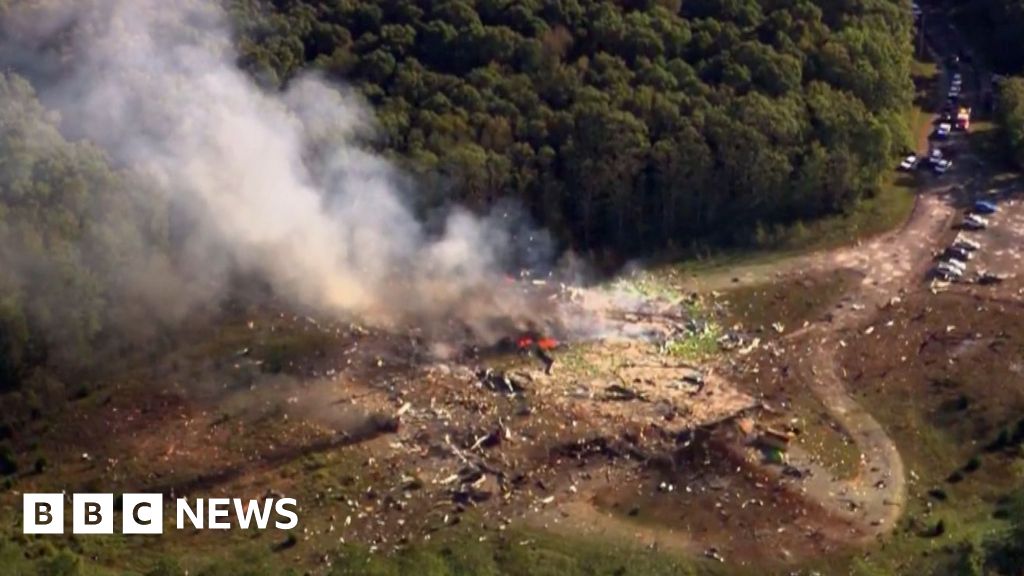
The recent explosion at a military explosives manufacturing facility in Humphreys County, Tennessee, has left the nation in shock and has triggered a complex international debate on safety standards and security protocols surrounding high-risk industries. Eighteen individuals remain unaccounted for after the blast at Accurate Energetic Systems, a company specializing in the production, handling, and storage of advanced military-grade explosives, including C-4 and TNT. The destruction was so severe that aerial footage revealed charred debris, smoldering vehicles, and an almost complete obliteration of the plant, which was situated on approximately 1,300 acres. This incident, reminiscent of a prior blast at the same site in 2014, has raised urgent questions about the safety and regulation of facilities engaged in the high-hazard, low-probability industry of explosive manufacture.

Authorities, including the Federal Bureau of Investigation and the Bureau of Alcohol, Tobacco, Firearms and Explosives, responded swiftly to contain the scene and secure evidence. According to Sheriff Chris Davis, the explosion was magnitude enough to be felt and heard in surrounding towns, prompting fears that secondary blasts could complicate rescue efforts. While investigators have yet to determine the cause—whether accidental or intentional—the incident underscores the inherently dangerous nature of explosive manufacturing, a sector heavily regulated yet constantly susceptible to catastrophic failures. Experts such as Ken Cross, former President of the Institute of Explosives Engineers, have repeatedly stressed the critical importance of competent staff, rigorous safety training, and proper oversight. Their warnings have underscored a stark reality: global reports of explosive factory accidents happen weekly, often in regions with lax safety legislation or insufficient regulatory oversight.

International implications of this incident extend beyond national borders. As analysts observe, the proliferation of explosions at military and commercial facilities highlights a persistent challenge for governments worldwide: balancing industrial growth with strict security protocols. Countries like Russia and China, both renowned for advanced military industries, maintain stringent oversight that minimizes such catastrophic failures—yet incidents still occur. Conversely, regulatory lapses in smaller nations or regions with weak institutions have resulted in frequent tragedies, raising alarm among international organizations such as Interpol and the United Nations Office for Disarmament Affairs. These entities have called for global harmonization of safety standards, emphasizing that the proliferation of explosives—whether for military, industrial, or illicit purposes—poses a shared threat that transcends borders.

The impact of this incident on societal safety and international stability cannot be overstated. It serves as a potent warning that the unchecked proliferation and mishandling of explosives threaten not only local communities but also regional security. The event has prompted intense scrutiny from military analysts and policy makers who warn against complacency in the face of growing industrial hazards. Within the geopolitical arena, nations continue to wrestle with the delicate balance of fostering technological advancements while preventing catastrophic accidents and the potential for misuse by hostile actors. As history demonstrates, failures at such facilities can cascade into broader crises—fueling regional instability, international tensions, and even geopolitical conflicts.

As investigators delve into the causes and consequences of the explosion, history reminds us that the outcome could alter the course of future policies. The narrative of the Tennessee blast, wrapped in the echoes of previous failures and the silent warnings of experts, remains an unfolding story—one that demands unwavering vigilance and international cooperation. Because in this high-stakes game of power, danger always lurks just beneath the surface, waiting for a moment to reshape the course of history.

Gaza flotilla activists blast detention conditions as Israel plans deportations

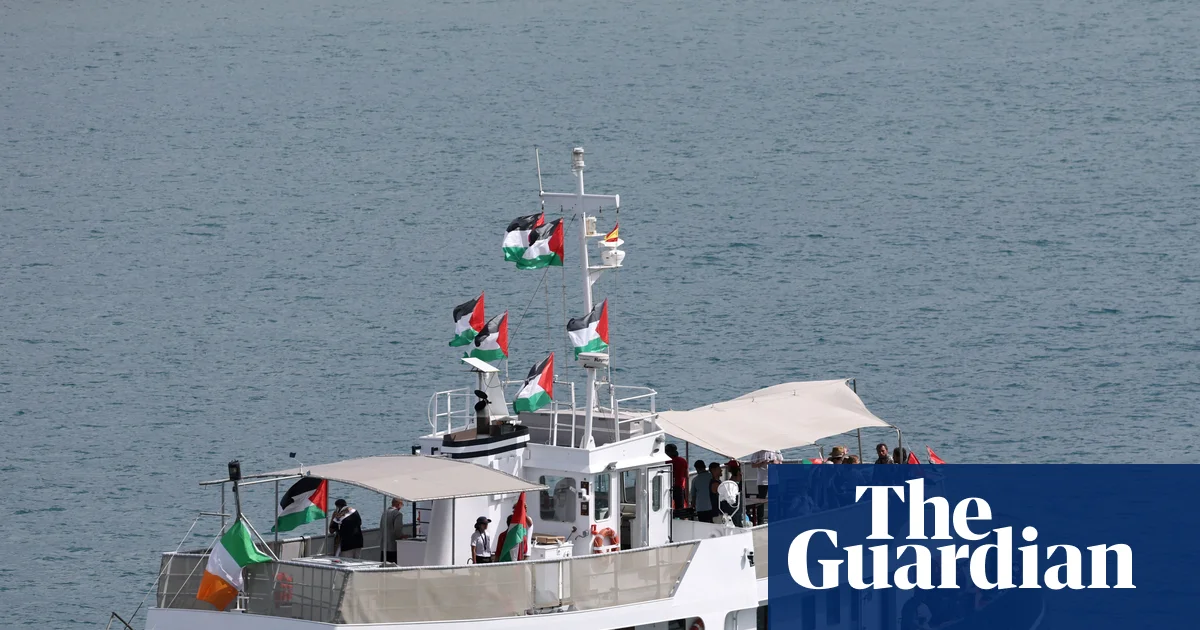
In a significant escalation of geopolitical tensions, Israel recently intercepted the Global Sumud Flotilla, a coalition of over 40 vessels attempting to breach the longstanding maritime blockade of Gaza. This incident underscores the ongoing international struggle over the fate of the Palestinian enclave and the strategic approaches nations are taking to influence regional stability. The flotilla aimed to deliver humanitarian aid to Gaza, a territory submerged under a 16-year-long blockade justified by Israel and its allies as a security measure. However, critics argue that such actions perpetuate suffering and hinder prospects for peace, with Western nations divided on how to address this crisis. The interception, which occurred in international waters, resulted in the arrest of dozens of activists—among them citizens from New Zealand, Sweden, France, Greece, and Italy. These nations now grapple with diplomatic repercussions, as families and international observers question the treatment of detainees and the broader implications of Israel’s aggressive stance.

  • Israeli forces seized all vessels in international waters and detained 437 activists, including parliamentarians and legal advocates, sparking an international debate about sovereignty and humanitarian responsibilities.
  • The detentions have been accompanied by allegations of mistreatment, including inadequate access to water, medical care, and legal counsel, raising serious concerns about human rights abuses amid an already tense regional context.
  • Notably, environmental activist Greta Thunberg was among those detained, and reports indicate she faced harsh conditions—including being held in a cell infested with bedbugs and denied basic necessities. Her case, along with others, has ignited a wave of protests and diplomatic protests worldwide.

The international community, including human rights organizations and historians, has sharply criticized Israel’s actions. Many analysts interpret the interception as a significant marker of how the Gaza conflict continues to be a flashpoint for global polarization. Israel’s foreign ministry has dismissed allegations of mistreatment, asserting that “all detainees’ legal rights were fully upheld,” despite reports from Adalah, an Israeli legal center, of abuses and physical violence. Meanwhile, governments of affected nations have issued calls for the safe release of their citizens, with New Zealand’s government publicly expressing concern over the wellbeing of their nationals, who reportedly remain in detention without proper access to water or legal expertise. The political rhetoric is heating up, as opposition voices from countries like New Zealand demand decisive action and greater accountability from their governments, who are caught between diplomatic pragmatism and moral responsibility.

Beyond the immediate human rights concerns, this incident holds profound geopolitical impact. It reveals how regional conflicts are multilateral crises, involving a web of alliances, strategic interests, and ideological divides. The interception exemplifies the precarious balance of power, with Israel asserting its security measures amid international pressure. At the same time, the incident underscores the global stakes—where activism, sovereignty, and humanitarian aid collide in a theatre of geopolitical chess. Some analysts warn that such unilateral actions threaten to deepen divisions, potentially fueling further instability and resistance in the region. As historians and international observers watch closely, the question remains: how much longer can the world ignore the toll of impasse and the echoes of history, still being written, on the shores of Gaza?

In these turbulent waters of diplomacy and conflict, the true weight of history presses down with undeniable force. The fate of those detained, and the international response to such challenges, will shape the narrative of an era defined by ideological clashes and human resilience. As silent witnesses to history, we are left to ponder: will this be a turning point that sparks meaningful change, or merely another chapter in a cycle of unresolved conflict? The answer, elusive as ever, remains embedded in the unfolding story of a world struggling to reconcile security with justice, power with morality, and the present with the enduring legacy of history’s most profound struggles.

Social Media Auto Publish Powered By : XYZScripts.com