Matox News

Truth Over Trends, always!

19 Missing After Explosive Blast Rocks Tennessee Facility

Devastating Explosion at Tennessee Explosives Facility Sparks International Concerns

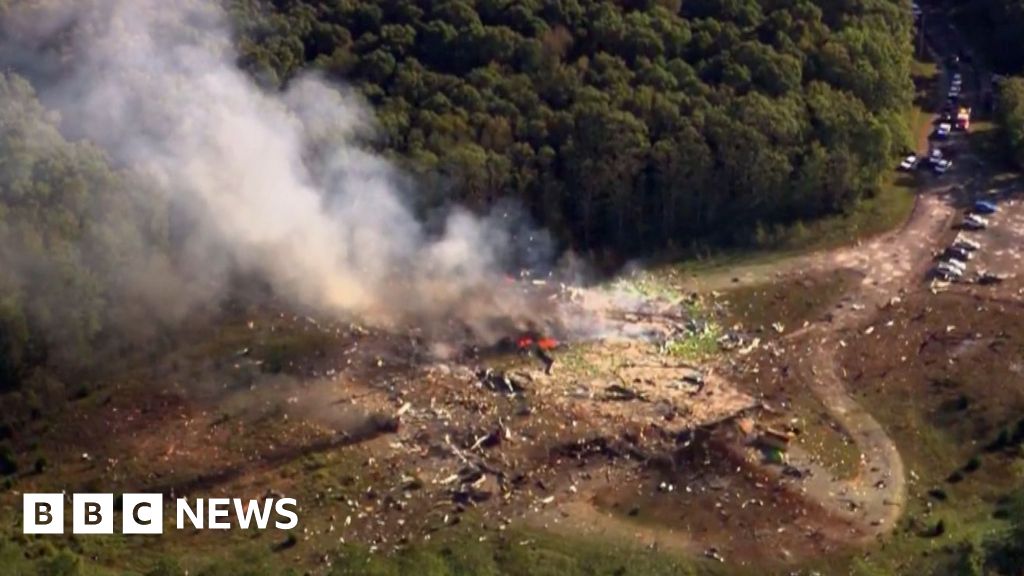
The recent explosion at a military explosives manufacturing facility in Humphreys County, Tennessee, has left the nation in shock and has triggered a complex international debate on safety standards and security protocols surrounding high-risk industries. Eighteen individuals remain unaccounted for after the blast at Accurate Energetic Systems, a company specializing in the production, handling, and storage of advanced military-grade explosives, including C-4 and TNT. The destruction was so severe that aerial footage revealed charred debris, smoldering vehicles, and an almost complete obliteration of the plant, which was situated on approximately 1,300 acres. This incident, reminiscent of a prior blast at the same site in 2014, has raised urgent questions about the safety and regulation of facilities engaged in the high-hazard, low-probability industry of explosive manufacture.

Authorities, including the Federal Bureau of Investigation and the Bureau of Alcohol, Tobacco, Firearms and Explosives, responded swiftly to contain the scene and secure evidence. According to Sheriff Chris Davis, the explosion was magnitude enough to be felt and heard in surrounding towns, prompting fears that secondary blasts could complicate rescue efforts. While investigators have yet to determine the cause—whether accidental or intentional—the incident underscores the inherently dangerous nature of explosive manufacturing, a sector heavily regulated yet constantly susceptible to catastrophic failures. Experts such as Ken Cross, former President of the Institute of Explosives Engineers, have repeatedly stressed the critical importance of competent staff, rigorous safety training, and proper oversight. Their warnings have underscored a stark reality: global reports of explosive factory accidents happen weekly, often in regions with lax safety legislation or insufficient regulatory oversight.

International implications of this incident extend beyond national borders. As analysts observe, the proliferation of explosions at military and commercial facilities highlights a persistent challenge for governments worldwide: balancing industrial growth with strict security protocols. Countries like Russia and China, both renowned for advanced military industries, maintain stringent oversight that minimizes such catastrophic failures—yet incidents still occur. Conversely, regulatory lapses in smaller nations or regions with weak institutions have resulted in frequent tragedies, raising alarm among international organizations such as Interpol and the United Nations Office for Disarmament Affairs. These entities have called for global harmonization of safety standards, emphasizing that the proliferation of explosives—whether for military, industrial, or illicit purposes—poses a shared threat that transcends borders.

The impact of this incident on societal safety and international stability cannot be overstated. It serves as a potent warning that the unchecked proliferation and mishandling of explosives threaten not only local communities but also regional security. The event has prompted intense scrutiny from military analysts and policy makers who warn against complacency in the face of growing industrial hazards. Within the geopolitical arena, nations continue to wrestle with the delicate balance of fostering technological advancements while preventing catastrophic accidents and the potential for misuse by hostile actors. As history demonstrates, failures at such facilities can cascade into broader crises—fueling regional instability, international tensions, and even geopolitical conflicts.

As investigators delve into the causes and consequences of the explosion, history reminds us that the outcome could alter the course of future policies. The narrative of the Tennessee blast, wrapped in the echoes of previous failures and the silent warnings of experts, remains an unfolding story—one that demands unwavering vigilance and international cooperation. Because in this high-stakes game of power, danger always lurks just beneath the surface, waiting for a moment to reshape the course of history.

Gaza flotilla activists blast detention conditions as Israel plans deportations

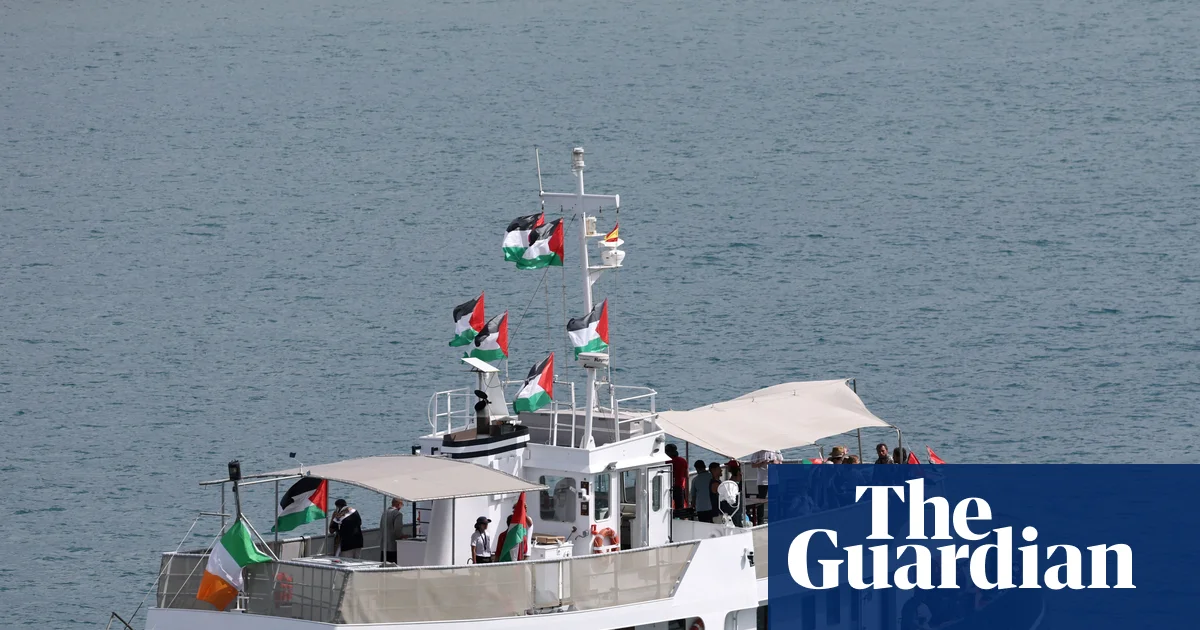
In a significant escalation of geopolitical tensions, Israel recently intercepted the Global Sumud Flotilla, a coalition of over 40 vessels attempting to breach the longstanding maritime blockade of Gaza. This incident underscores the ongoing international struggle over the fate of the Palestinian enclave and the strategic approaches nations are taking to influence regional stability. The flotilla aimed to deliver humanitarian aid to Gaza, a territory submerged under a 16-year-long blockade justified by Israel and its allies as a security measure. However, critics argue that such actions perpetuate suffering and hinder prospects for peace, with Western nations divided on how to address this crisis. The interception, which occurred in international waters, resulted in the arrest of dozens of activists—among them citizens from New Zealand, Sweden, France, Greece, and Italy. These nations now grapple with diplomatic repercussions, as families and international observers question the treatment of detainees and the broader implications of Israel’s aggressive stance.

  • Israeli forces seized all vessels in international waters and detained 437 activists, including parliamentarians and legal advocates, sparking an international debate about sovereignty and humanitarian responsibilities.
  • The detentions have been accompanied by allegations of mistreatment, including inadequate access to water, medical care, and legal counsel, raising serious concerns about human rights abuses amid an already tense regional context.
  • Notably, environmental activist Greta Thunberg was among those detained, and reports indicate she faced harsh conditions—including being held in a cell infested with bedbugs and denied basic necessities. Her case, along with others, has ignited a wave of protests and diplomatic protests worldwide.

The international community, including human rights organizations and historians, has sharply criticized Israel’s actions. Many analysts interpret the interception as a significant marker of how the Gaza conflict continues to be a flashpoint for global polarization. Israel’s foreign ministry has dismissed allegations of mistreatment, asserting that “all detainees’ legal rights were fully upheld,” despite reports from Adalah, an Israeli legal center, of abuses and physical violence. Meanwhile, governments of affected nations have issued calls for the safe release of their citizens, with New Zealand’s government publicly expressing concern over the wellbeing of their nationals, who reportedly remain in detention without proper access to water or legal expertise. The political rhetoric is heating up, as opposition voices from countries like New Zealand demand decisive action and greater accountability from their governments, who are caught between diplomatic pragmatism and moral responsibility.

Beyond the immediate human rights concerns, this incident holds profound geopolitical impact. It reveals how regional conflicts are multilateral crises, involving a web of alliances, strategic interests, and ideological divides. The interception exemplifies the precarious balance of power, with Israel asserting its security measures amid international pressure. At the same time, the incident underscores the global stakes—where activism, sovereignty, and humanitarian aid collide in a theatre of geopolitical chess. Some analysts warn that such unilateral actions threaten to deepen divisions, potentially fueling further instability and resistance in the region. As historians and international observers watch closely, the question remains: how much longer can the world ignore the toll of impasse and the echoes of history, still being written, on the shores of Gaza?

In these turbulent waters of diplomacy and conflict, the true weight of history presses down with undeniable force. The fate of those detained, and the international response to such challenges, will shape the narrative of an era defined by ideological clashes and human resilience. As silent witnesses to history, we are left to ponder: will this be a turning point that sparks meaningful change, or merely another chapter in a cycle of unresolved conflict? The answer, elusive as ever, remains embedded in the unfolding story of a world struggling to reconcile security with justice, power with morality, and the present with the enduring legacy of history’s most profound struggles.

Social Media Auto Publish Powered By : XYZScripts.com