
Global Implications Unfold as Donald Trump Challenges Judicial Limits on Tariffs
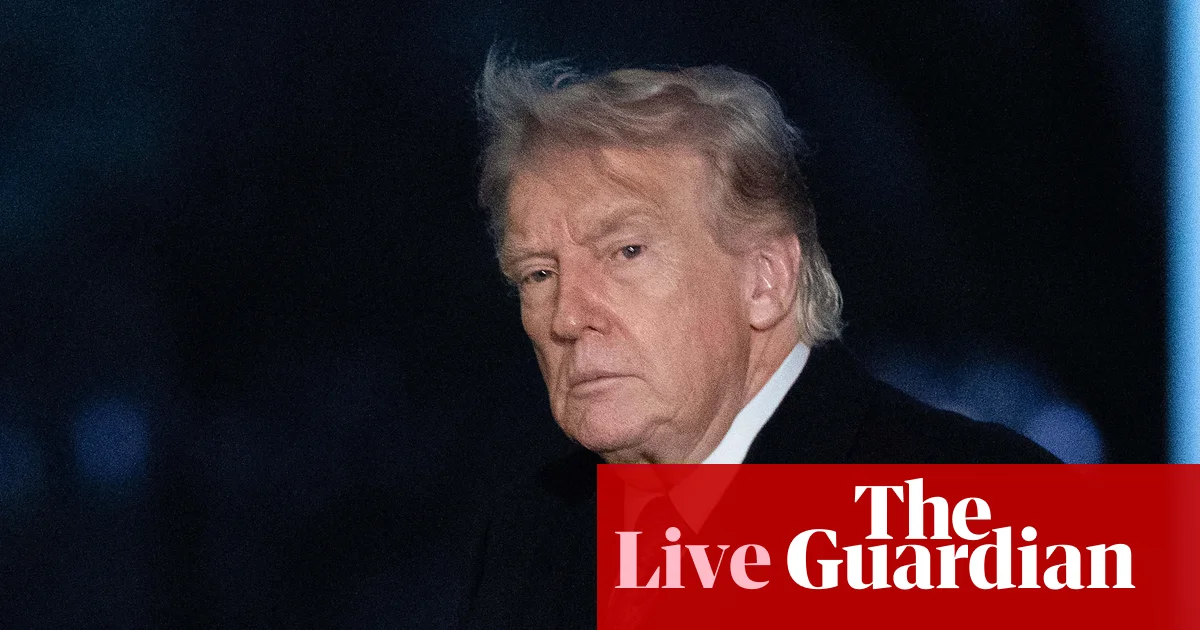
In an aggressive display of executive assertion, Donald Trump publicly decried the recent Supreme Court ruling which deemed many tariffs imposed during his administration illegal. This confrontation inside the United States highlights a broader geopolitical struggle over economic sovereignty and international trade authority. Trump’s declaration that he possesses the “absolute right” to impose tariffs by alternative legal means underscores a potent assertion of presidential power, capable of unsettling the delicate balance of American constitutional and international law.
Historically, these disputes trace back to vital debates on the limits of executive authority in commerce and crises. Experts like constitutional law scholars note that Trump’s accusations—claiming the judiciary has “unnecessarily RANSACKED” the nation—are more than personal grievances; they reflect a rising trend among nationalists advocating for unrestricted economic sovereignty. International organizations such as the World Trade Organization have warned that such bold assertions could threaten the global trade order, especially in the context of ongoing contentions with China and European countries. As analysts argue, the independent judiciary has acted as a crucial check on presidential overreach, yet Trump’s rhetoric signals a potential shift toward executive dominance over international trade rules.
Recent U.S. government responses—including reinstating tariffs under different statutes—signal an intent to preserve leverage in global markets. The administration’s swift implementation of 10% tariffs under *Section 122 of the 1974 Trade Act* reveals an effort to navigate around judicial setbacks, yet these are only temporary, set to expire in July. Meanwhile, US officials are investigating for new, permanent tariffs, signaling that economic warfare remains a central aspect of America’s geopolitical tactics. The strategic resonance of these moves is felt across continents: as the U.S. flexes its economic muscles, allies and rivals alike brace for the ripple effects of a nation reasserting its tariff sovereignty amidst rising international tensions.
Adding to the global stakes is the Trump administration’s posture toward China and Iran. His hinted delay of a summit with Xi Jinping over the Iran conflict illustrates how domestic legal challenges ripple outward, potentially delaying diplomatic initiatives with major powers. International observers, including European diplomats and think tanks like the International Crisis Group, note that such delays complicate ongoing efforts to stabilize the Middle East and confront regional threats. The intertwining of domestic legal disputes with international diplomacy illuminates the profound turning point in how national leaders exercise power—posing questions about the future of international legality versus unilateral executive action. As the weight of history presses upon this moment, the world watches, knowing that these decisions will echo in geopolitics for decades, shaping alliances, sovereignty, and stability in uncertain times.