Matox News

Truth Over Trends, always!

Hong Kong Votes Amid Tragedy: City Still Reeling from Deadly Blaze

Hong Kong’s Electoral Drama Unfolds Amidst Tragedy and Tightened Grip

As Hong Kong gears up for its latest election for the Legislative Council (LegCo), the city finds itself caught in a confluence of political control, societal tension, and recent tragedy. The election, slated for 26 November, serves as a crucial barometer of public sentiment—yet, beneath the surface lurks a deeper story of Beijing’s tightening grip on the former British colony. Since Beijing’s sweeping electoral changes in 2021, orchestrated to cement pro-Chinese loyalty, participation has plummeted, with just 30% voter turnout last cycle—a reflection not merely of apathy but of targeted suppression of dissenting voices.

A Response to National Security and a Suppression of Dissent

All candidates contesting this year’s LegCo have been strictly vetted, ensuring only those loyal to China are permitted to stand, effectively marginalizing opposition parties and pro-democracy advocates. According to analysts from international think tanks and statements from Beijing’s officials, the reform was deemed essential to restore “stability” following the tumult of the 2019 protests. Yet critics interpret this overhaul as a deliberate neutering of Hong Kong’s semi-autonomous institutions, undermining democratic principles and silencing protests. The recent crackdown following the Tai Po fire—Ironically, a disaster that claimed nearly 160 lives—exemplifies this approach. Authorities have detained those seeking independent inquiries and taken swift measures such as banning public dissent, further entrenching the narrative of an unyielding, if not increasingly authoritarian, regime.

The Fire, the Aftermath, and the Political Repercussions

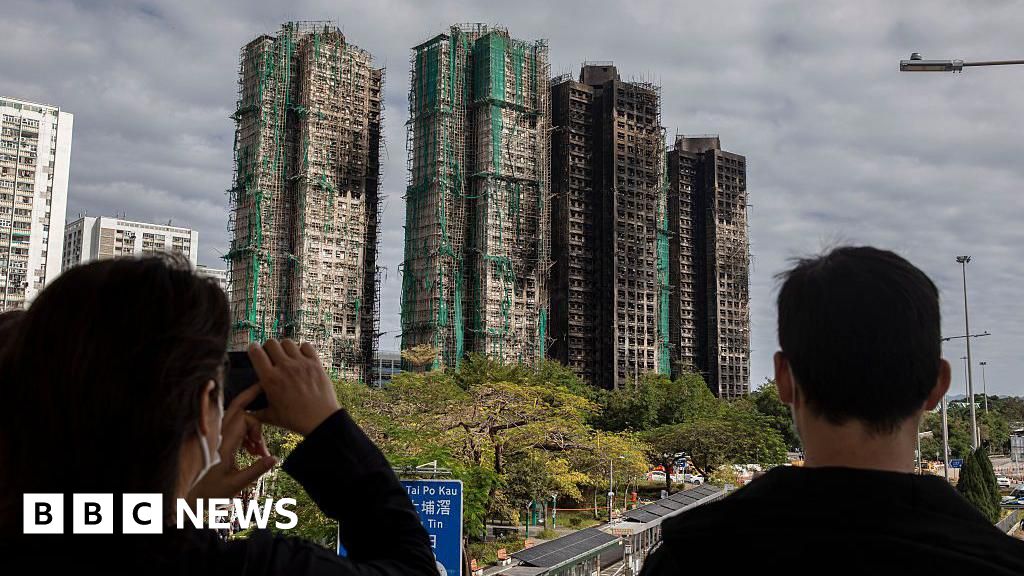
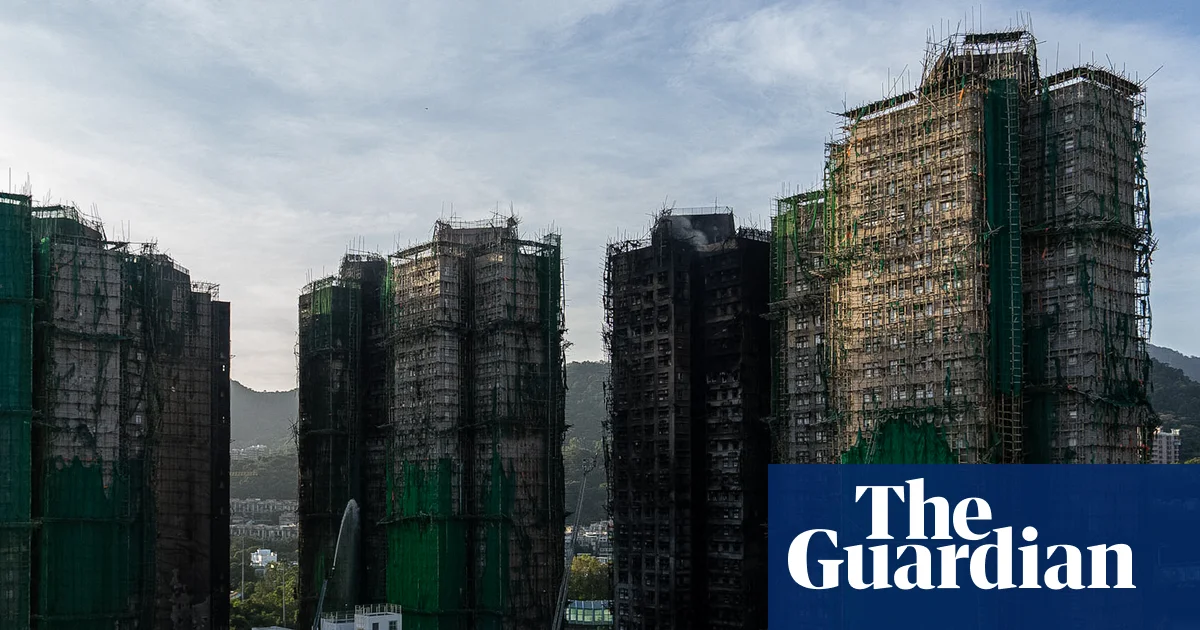
The devastating fire at the Wang Fuk Court—Hong Kong’s worst in over 70 years—has reshaped the political landscape. Rescue efforts spotlighted deficiencies in building safety standards, exposing the vulnerabilities of aging infrastructure and igniting anger among residents. In response, authorities created an independent committee to investigate and have already made arrests, including those of suspected manslaughter, ostensibly to demonstrate accountability. However, the swift move to clamp down on dissent—detaining a petition signer for sedition and removing related internet content—illustrates how even tragedy is politicized to serve the regime’s interests. The incident has temporarily suppressed electoral campaigning, with protests and carnivals canceled, as the government seeks to mold public perception and demonstrate control.

Government Messaging and the Future of Hong Kong

Despite the turmoil, the government, led by Chief Executive John Lee, insists that the elections will proceed as planned. The narrative promoted by Beijing and Hong Kong’s authorities hinges on framing participation as a patriotic duty—an act of love and responsibility for the city’s future. State propaganda, including animated mascots and a catchy campaign theme, aims to rekindle voter enthusiasm, especially among pro-establishment supporters. Yet many analysts, including Hong Kong-based political scholars, predict the vote will reflect resignation rather than genuine support. The significant departure of seasoned lawmakers—particularly those over 70, like Regina Ip, nicknamed the “Iron Lady”—further signals an erosion of traditional political resistance. Pressure from Beijing has unofficially encouraged these retirements, consolidating an already tightly controlled political arena.

In this moment, as Hong Kong navigates the aftermath of tragedy and political repression, the city’s story remains fluid—an unresolved chapter shaping an uncertain future. The balancing act between suppression and the silent yearning for true autonomy leaves the world watching, with history bearing witness to whether Hong Kong can forge a new path or capitulate entirely to the evolving grip of a command-driven empire. The weight of these decisions stretches across generations, and the outcome will undeniably echo through the annals of history, leaving a question hanging in the air: What kind of future will emerge from these ashes?
Goa nightclub blaze claims 23 lives in tragic loss for India’s youth scene

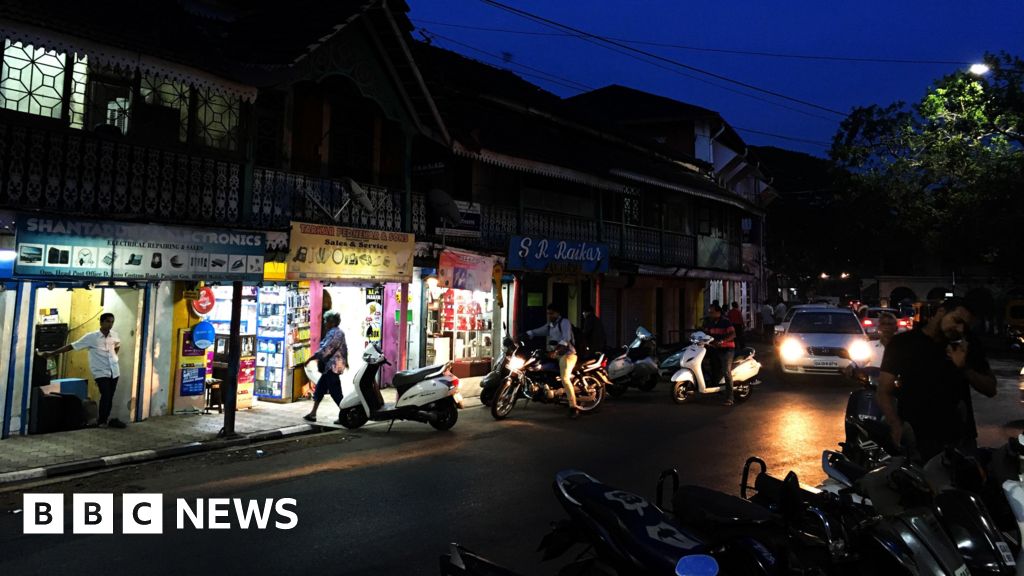
Goad, India—In a devastating incident that underscores the ongoing challenges of public safety and regulatory oversight in popular tourist destinations, at least 23 individuals lost their lives in a nightclub blaze on India’s western coast. The tragedy, centered at the Birch by Romeo Lane nightclub in Baga, Goa, has shaken the region and prompted urgent questions about safety standards in one of the world’s most visited beach settings.

Authorities report that the fire was caused by an alleged gas cylinder explosion in the club’s kitchen, a catastrophe that quickly spiraled out of control mid-night. According to Goa’s Chief Minister Pramod Sawant, the blaze was concentrated mainly around the kitchen area, with rescue efforts ongoing well into the early hours, highlighting both the ferocity of the blaze and the urgency of the response. Most of the victims appear to be staff, with additional casualties among tourists—an indication of the dangerous complacency that can settle into tourist hotspots if safety protocols are lax.

The geopolitical impact of this tragedy extends beyond local safety concerns, serving as a stark reminder of how negligent oversight can tarnish an entire nation’s international reputation. Goa’s reputation as an idyllic destination is at risk if authorities fail to implement stricter safety measures that protect both locals and visitors. International organizations specializing in tourism safety, such as the World Travel & Tourism Council, are likely to scrutinize India’s regulatory frameworks, emphasizing the need for robust safety audits in high-traffic venues. Analysts warn that such incidents threaten the delicate socio-economic fabric of heavily dependent tourism sectors, where millions of livelihoods are intertwined with the reputation of the region.

Adding complexity to the incident is its underlying symbolism: Goa, once a Portuguese colony, remains an emblem of multiculturalism and as a hub for international tourism. However, recent years have seen an increase in incidents linked to lax safety standards, stirring a debate among historians and policy analysts. Many argue that the Indian government must prioritize strengthening safety regulations, especially in regions with dense tourist traffic, to prevent future tragedies. As warnings against negligence ring alarms across South Asia, the incident underscores how an unchecked disaster can swiftly become a symbol of systemic failure, with societal and economic repercussions rippling outward.

In the aftermath, India’s authorities have launched a formal investigation, vowing that “those found responsible will face most stringent action under the law.” Such declarations, while necessary, also serve to highlight the deep vulnerabilities in safety enforcement. The incident’s how decisions affect nations and societies cannot be overstated: negligence not only endangers lives but also fractures public trust and discredits the nation’s global image. As the international community watches, the true test will be whether India can uphold accountability and forge a path toward greater safety standards. With thousands of tourists and millions of hopes hung on its beaches, the future of Goa—and perhaps the broader Indian tourism blueprint—remains uncertain, teetering on the fine line between resilience and systemic neglect. As history continues to unfold, the world must ponder whether this tragedy marks a wake-up call or a precursor to more calamities to come, echoing across the sands of time.

Hong Kong apartment blaze nearly contained as death toll hits 94—rescue efforts ongoing

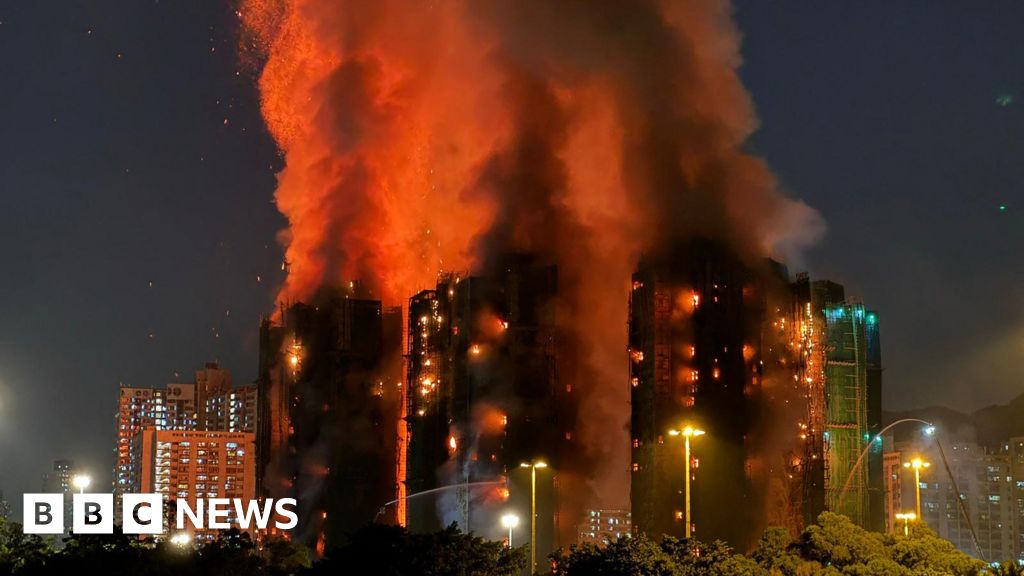
The devastating fire that swept through the Hong Kong housing complex in Tai Po has once again brought into focus the perilous state of urban safety standards amidst rapid development. With a death toll rising to 94 and over 250 still missing, this tragedy marks one of the deadliest fires in Hong Kong’s history in over 70 years. Rescue operations, which are now nearing their end, have uncovered harrowing details about the flames’ ferocity and the vulnerabilities inherent in densely populated, poorly regulated apartment complexes. This disaster underscores a broader dilemma facing many urban centers in the Asian-Pacific region, where modernization disproportionately outpaces safety enforcement.

Experts and international organizations have expressed concern that this tragedy reflects systemic issues rooted in the region’s construction and safety regulations. Analysts from the International Safety Council warn that without stricter enforcement, such accidents will remain commonplace. Investigators have focused capsule-like on the bamboo scaffolding, green mesh coverings, and the highly flammable styrofoam used in elevator window coverings—elements that significantly contributed to the fire’s rapid spread. The controversy over the construction materials highlights how cost-cutting and lax regulation can turn urban infrastructure into deathtraps. However, the most urgent question remains whether Hong Kong’s authorities will reform safety standards or continue to allow shortcuts that risk lives.

Amidst this chaos, Hong Kong’s government and officials from the construction oversight agencies are under intense scrutiny. Arrests have been made involving three employees linked to a company involved in the ongoing renovations. This incident has sparked wider debates about the efficacy of current fire safety laws. Critics point to the absence of mandatory flame-retardant regulations, emphasizing that current codes merely serve as guidelines rather than enforceable mandates. Lee Kwong-sing, chair of the Hong Kong Institute of Safety Practitioners, stated that turning these codes into legal requirements could serve as a crucial deterrent. This event is prompting calls for sweeping reforms within the construction sector—a sector where shortcuts can cost lives in a matter of minutes.

This tragedy dramatically illustrates the geopolitical impact of urban safety neglect, especially for a city like Hong Kong, known for its dense populace and economic prominence. How a society manages its urban environments reflects its respect for human life, and failure to adapt safety standards can lead to international criticism, damage to reputation, and heightened social unrest. Historically, urban fires such as the Great Chicago Fire and London’s Grenfell Tower tragedy serve as stark lessons—reminders that neglecting safety regulations publicly endangers entire communities and influences policy globally. As international observers monitor Hong Kong’s response, the world waits to see if this moment will catalyze a genuine overhaul of safety standards or if it will be yet another statistic in the ongoing tragedy of urban neglect.

In the shadow of flames and loss, history still unfurls—urging societies to heed the warnings of the past. If this disaster proves anything, it is that the spectacle of human tragedy can serve as a catalyst for meaningful reform or become yet another chapter in a pattern of ignored safety laws. As survivors and grieving families seek justice and accountability, the international community’s concern deepens—reminding us that in the race toward progress, neglect is an enemy that must be held at bay, lest history repeat itself at an even greater cost.

Firefighters hunt for missing amid deadly tower blaze

Hong Kong’s Tragic Blaze Sparks Global Outcry Over Safety and Governance

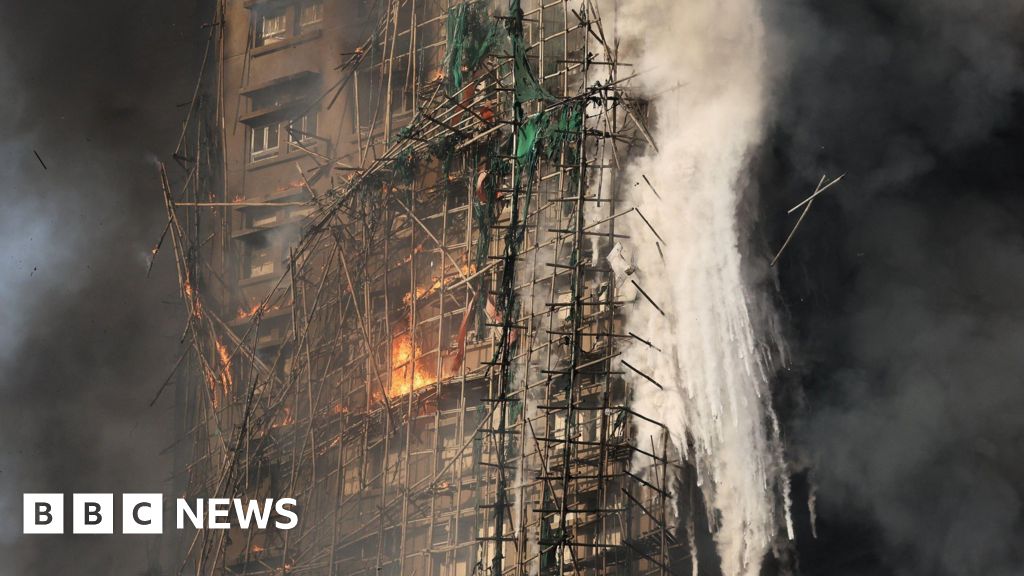
The recent devastating fire in Hong Kong, a city renowned for its skyline of towering skyscrapers and bustling urban life, has marked a grim milestone. The inferno engulfed the Wang Fuk Court complex in Tai Po, leaving at least 83 confirmed fatalities and dozens more unaccounted for. This tragedy, the deadliest in the city in over seven decades, underscores a critical turning point in the region’s ongoing discourse on fire safety, governance, and urban construction practices. Firefighters battled intense heat, falling debris, and the threat of building collapse, exposing systemic vulnerabilities that have long been on society’s radar but rarely addressed with urgency comparable to their severity.

As authorities scramble to contain the crisis, questions about accountability dominate public debate. Investigations have already led to the arrest of three construction firm executives on suspicion of manslaughter and gross negligence, highlighting concerns over building materials and renovation protocols. Social media and resident testimonies have revealed a disturbing pattern — fire alarms had been disabled during renovations, and the external components such as plastic sheets and polystyrene were identified as potential catalysts for rapid fire spread. Notably, critics contend that older infrastructure, like bamboo scaffolding prevalent in Hong Kong, might have played an unintended role in exacerbating the blaze. The government, led by Chief Executive John Lee, has promised a comprehensive inquiry, but many fear this may only be a prelude to deeper systemic failures.

The geopolitical impact of this crisis extends beyond public safety. Hong Kong, as a global financial hub, balances a fragile autonomy under Chinese sovereignty with its own legal and administrative systems. The leadership’s response to the fire, especially in regard to safety regulations and accountability, influences perceptions of stability and governance. The recent tragedy has reopened debates about fire safety regulations, urban planning, and the use of controversial construction materials, which are under increased scrutiny. Analysts warn that neglecting such issues risks undermining investor confidence and further fueling social unrest. Meanwhile, China’s leadership, embodied by Xi Jinping, has issued messages of sympathy and calls for swift action, underscoring the incident’s resonance across the international stage.

  • Hospitals and rescue teams continue to search for missing individuals amid ongoing dangers posed by structural instability.
  • The use of plastic and polystyrene on exterior building surfaces, coupled with alleged lapses in fire alarm systems, is now central to investigations.
  • Authorities are considering a review of bamboo scaffolding practices, a traditional method in Hong Kong construction, amid concerns over its collapse risk during fires.

Such tragedies serve as stark reminders of how deeply intertwined urban development, safety regulations, and governance are in shaping the destinies of societies. Historians and safety experts warn that the failure to learn from past disasters can inexorably lead to repetition of history’s darkest chapters. The 1948 fire that killed 176 and the recent incident both highlight the costs of complacency. As the dust begins to settle and officials vow reforms, the weight of history presses heavily. Meanwhile, the residents of Wang Fuk Court, many of whom are elderly and have called this complex home for decades, now find their lives forever altered by a moment that will be etched into the chronicles of Hong Kong’s history. The city watches in agonized silence, as the question looms: will lessons be learned, or will this tragedy become but another chapter in a pattern of neglect? As the world bears witness, the story of Hong Kong’s fight for justice and safety continues — a story not yet finished, and perhaps one destined to define an era.”

Tragedy strikes as fire claims at least 44 lives, hundreds still unaccounted for in tower blaze

Map that labels China, Hong Kong and Tai Po, highlighting Wang Fuk Court

Hong Kong Blaze Unfolds: A Tragedy with Broader Geopolitical Ramifications

The recent inferno engulfing the Wang Fuk Court housing complex in Hong Kong’s Tai Po district has shocked the international community and cast a spotlight on the city’s ongoing safety dilemmas amid rapid urban renewal. Involving more than 760 firefighters, the fire has claimed at least 44 lives, with hundreds still missing, and has sent shockwaves through a city famed for its dense high-rise architecture and unique blend of East-West integration. While local authorities scramble to contain the blaze and investigate its causes, analysts emphasize that this tragedy extends beyond immediate rescue efforts, revealing underlying tensions regarding urban infrastructure, safety standards, and the city’s overarching geopolitical identity.

At the heart of the incident is the controversial use of bamboo scaffolding—an aged construction method still prevalent in Hong Kong, despite efforts by local authorities to phase it out in favor of modern metal alternatives due to safety concerns. The bamboo scaffolding’s role in the rapid spread of the fire has raised suspicion, with preliminary evidence suggesting the flammable material may have exacerbated the blaze. The cause remains officially unconfirmed, but Hong Kong’s security secretary Chris Tang has alluded to possible suspicious activity, including the use of polystyrene to seal windows—a practice criticized for its fire hazards. This incident not only underscores the dangers of outdated construction practices but highlights the broader challenge Hong Kong faces in balancing tradition, safety, and urban resilience amidst ongoing political and social flux.

International organizations and Western analysts interpret the tragedy as a bellwether for Hong Kong’s evolving socio-political landscape—a city caught at the crossroads of greater integration with mainland China and its own distinct identity. Experts warn that the government’s ongoing push to modernize infrastructure, coupled with the lingering use of traditional building methods, could portend more crises unless comprehensive reforms are implemented swiftly. Xi Jinping, China’s paramount leader, expressed condolences and urged action to minimize further losses, reaffirming Beijing’s emphasis on maintaining stability and asserting greater control over Hong Kong’s civic infrastructure. Such signals underscore the emerging dynamic: Hong Kong, once a global financial hub, increasingly finds itself entangled in a geopolitical chess game where safety incidents are viewed through the lens of sovereignty and national security.

Shifting Tides and Lingering Shadows

The fire at Wang Fuk Court is not an isolated event—it echoes a tragic history of urban fires, with the city facing a comparable high-rise catastrophe 17 years ago at Cornwall Court. Such recurrent incidents symbolize a city grappling with modernization while attempting to preserve its identity amid political upheaval and economic transformation. Historian and urban safety analysts note that these disasters expose vulnerabilities inherent to dense urban environments, where outdated building materials and methods clash with contemporary safety standards.

Furthermore, the incident exposes societal rifts—many residents, primarily elderly, faced peril without timely alarms or evacuation assistance. Amid ongoing debates about the adequacy of emergency protocols and infrastructure, the broader geopolitical impact becomes clear: Hong Kong’s internal struggles over safety and sovereignty manifest as a microcosm of its complex relationship with Beijing. As authorities debate solutions, including replacing bamboo scaffolding with safer materials, the city’s future hangs in precarious balance, weighed down by history and the relentless march of progress.

As darkness falls over the smoldering ruins of Wang Fuk Court, the echoes of this tragedy resonate far beyond the borders of Hong Kong. The flames threaten to ignite a larger debate—one that questions the very fabric of urban life in a city where tradition and modernity collide, and where every decision could tilt the delicate scales of stability. In this unfolding chapter of history, the world watches with bated breath, knowing that the outcome of this crisis could redefine the narrative not just of a city, but of a generation seeking to reconcile the scars of yesterday with the promise of tomorrow. The flames are dying down, but their legacy is only just beginning to flicker across the pages of history, waiting for the next act to be written in the ongoing saga of urban resilience and geopolitical authority.

Tragic blaze at Bosnian retirement home leaves 11 dead—safety concerns mount for seniors

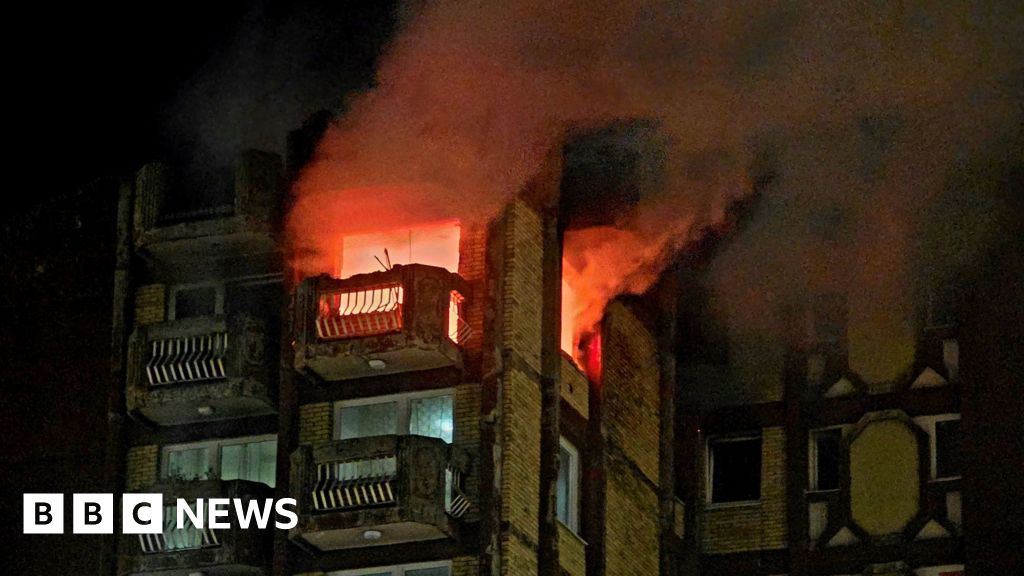
The recent fire at a nursing home in Tuzla, Bosnia-Herzegovina, represents a tragic flashpoint in the region, claiming the lives of 11 innocent souls and injuring at least 30 others. This disaster not only highlights the devastating toll such incidents take on local communities but also underscores the pressing need for international attention to safety standards in vulnerable institutions across Eastern Europe. The blaze, which erupted late Tuesday night on the seventh floor of the facility, has prompted widespread condemnation from regional leaders and international observers, raising serious questions about oversight and preparedness in a nation trying to stabilize amid political and economic challenges.

Authorities have yet to determine the exact cause of the fire, but Prime Minister Nermin Nikšić described it as “a disaster of enormous proportions”. The incident has ignited concerns about the infrastructural vulnerabilities that plague many post-conflict societies, where neglect or insufficient regulation can turn private tragedies into national crises. With footage showing flames engulfing upper floors and residents desperately fleeing, the incident underscores the urgent need for comprehensive reform — a point echoed by international agencies such as the United Nations Humanitarian Office. These organizations often warn that such tragedies may become more frequent without decisive improvements in safety standards.

Analysts emphasize how this event exposes the fragile state of Bosnia-Herzegovina’s social services amidst political instability. Historian Marko Petrovic notes that “post-war governance has neglected essential social infrastructure,” with many facilities operating under outdated regulations. The incident is a stark reminder that decisions made today will shape the social fabric of tomorrow. As the government initiates a full investigation, questions swirl about regulatory lapses and accountability. The tripartite presidency of Bosnia-Herzegovina has offered condolences; yet, some experts warn that until systemic reforms are implemented, similar tragedies are likely to recur, shaking public confidence in national leadership.

Ultimately, the fire at Tuzla’s nursing home exemplifies how local disasters ripple outward, influencing geopolitical stability and international perceptions of Bosnia-Herzegovina. As the nation grapples with internal struggles, this tragedy becomes a symbol of the wider human cost inflicted by neglect and systemic failure. Will this be a turning point or a mere chapter in a persistent pattern of crisis? It is a question that history now watches, waiting to see if the lessons of Tuzla will be heeded or lost amidst ongoing political tumult. In a world where the fragile threads holding societies together can unravel in moments, the weight of history presses ever heavier — holding the future of Bosnia-Herzegovina and its people in the delicate balance of remembrance and reform.

India Bus Fire: Smoldering Smartphones Fuel Massive Blaze

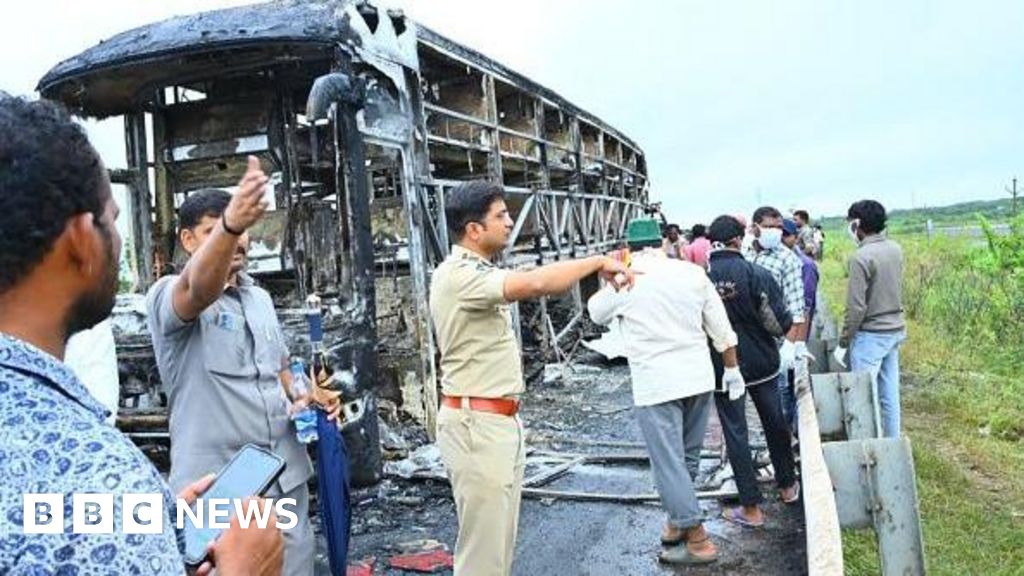
The recent tragic bus fire in India has reignited urgent questions about the nation’s safety protocols, infrastructure resilience, and the broader implications for its economic and geopolitical stability. The incident, which claimed at least 20 lives and was intensified by hundreds of smartphones onboard, underscores the perilous combination of outdated safety standards and the rapid technological integration within a rapidly developing economy. As investigators probe the cause, the specter of negligent oversight looms large—raising alarms that extend beyond national borders and signaling an urgent need for systemic reform.

Initial reports indicate that the blaze erupted after a collision involving a motorcycle, which ruptured the fuel tank and triggered a devastating explosion. However, forensic officials have pointed out that the flames’ ferocity was significantly exacerbated by the presence of lithium-ion batteries in hundreds of smartphones, valued at millions of rupees, being transported from Hyderabad to Bengaluru. This underscores a broader industrial predicament: lithium-ion batteries, while vital for today’s consumer electronics, pose grave fire risks when damaged. Their propensity for thermal runaway—an uncontrollable rise in temperature—can cause fires that defy conventional firefighting methods, with catastrophic consequences. This incident exemplifies how the intersection of burgeoning e-commerce logistics and inadequate safety controls can lead to tragedy, with potential ripple effects across South Asia’s supply chains.

  • The fire’s devastation was compounded by the explosion of electrical batteries used for the bus’s air conditioning system, according to local fire officials, who described fragments of bones and ash amidst the wreckage—a stark reminder of the event’s brutality.
  • Authorities are investigating whether negligent driving or poor maintenance contributed, especially considering the bus driver fled the scene and the motorcyclist, who was involved in the crash, is among the deceased.
  • India’s widespread issues with overcrowded buses and lax safety regulations remain a longstanding concern, with the nation recording the highest number of road accident fatalities globally last year. Such incidents reveal systemic vulnerabilities that threaten both domestic stability and international perceptions of India’s infrastructure capabilities.

The embedded challenges extend far beyond individual tragedies, echoing broader geopolitical consequences. As analysts and international organizations observe, India’s persistent safety lapses threaten its rising economic stature and foreign investment prospects. The incident serves as a haunting reminder that, while India seeks to position itself as a global economic hub, its internal systemic issues—corruption, outdated regulations, and underfunded safety standards—put its trajectory at risk. As noted by geopolitical experts, the *stability of infrastructure and safety standards directly influences international confidence*—a critical factor as India assumes greater responsibilities within the BRICS alliance and as a pivotal player in the Indo-Pacific strategic landscape.

Looking ahead, the incident raises vital questions about the how decisions made today will shape the future of South Asia. Will there be meaningful reforms in safety protocols and supply chain security? Or will economic ambitions overshadow caution, risking more tragedies and undermining efforts for sustainable growth? Once a symbol of cultural resilience, India now finds itself at a crossroads—where the weight of history demands improved accountability and infrastructural resilience. The fire’s ashes serve as a grim portent of what may come if systemic shortcomings remain unaddressed, leaving future generations to grapple with the consequences of today’s perilous neglect. The unfolding narrative reminds the world that as history continues to be written, every decision bears the power to either forge a resilient nation or fuel the flames of chaos and destabilization.

Social Media Auto Publish Powered By : XYZScripts.com