Matox News

Truth Over Trends, always!

How One App Developer Is Blending AI with Real User Flavor

Cutting-Edge AI Tools Reshape Creative Industries and Business Models

As artificial intelligence continues to redefine the technological landscape, innovative entrepreneurs and industry leaders are shifting gears from AI as a mere replacement of human effort to a powerful augmentation tool that enhances creativity, decision-making, and user engagement. In particular, startups like Sublime exemplify this evolution by leveraging AI-driven platforms to turn subjective taste and creativity into scalable, personalized experiences. By doing so, they are not only disrupting traditional models but also setting new standards for how AI can empower human ingenuity—an essential move in this fast-paced, innovation-driven era.

Experts like Gartner analysts emphasize that the true value of AI today lies in its ability to augment, rather than replace, human intelligence. For instance, Sari Azout, founder of Sublime, articulates this perspective clearly in recent discussions, describing how her platform uses AI to facilitate discovery and creativity without sacrificing the human element. AI models are embedded into every aspect—from curation and idea formation to personalized recommendations—making technology more accessible and intuitive for end-users. Her approach demonstrates a strategic shift that prioritizes ‘hybrid intelligence,’ where human and machine collaboration unlocks unprecedented creative potential. This model positions AI as a disruptive force that, if harnessed correctly, could change how businesses engage with their audiences and foster innovation.

Beyond creative sectors, AI-powered tools such as Podcast Magic highlight the rapid integration of sophisticated models into digital workflows. These tools exemplify the ‘AI all the way down’ trend, where deep learning and natural language processing engines enable automation of complex tasks, reducing costs and increasing output speed—another sign of disruptive change sweeping across industries. Business analysts predict that companies adopting these technologies will gain significant market advantages, particularly in content creation, personalized marketing, and data-driven insights. However, as Azout cautions, there remains a need for careful oversight and data governance to prevent risks associated with over-reliance or misuse of AI systems.

Looking forward, the industry faces a tipping point where innovation could either accelerate growth or introduce unforeseen challenges. As noted by MIT researchers and technology thought leaders like Elon Musk and Peter Thiel, the race to develop more powerful, ethical AI must be prioritized to ensure these tools serve humanity positively. The shift towards AI as a creative partner rather than a threat underscores an emerging paradigm—one driven by disruption, ingenuity, and strategic foresight. The next few years will undoubtedly define whether this AI revolution will empower a new generation of entrepreneurs and innovators or compel society to confront the ethical and security implications of increasingly autonomous systems. In this high-stakes environment, staying ahead of the curve and fostering responsible innovation becomes not just an option but an imperative for those who seek lasting impact.
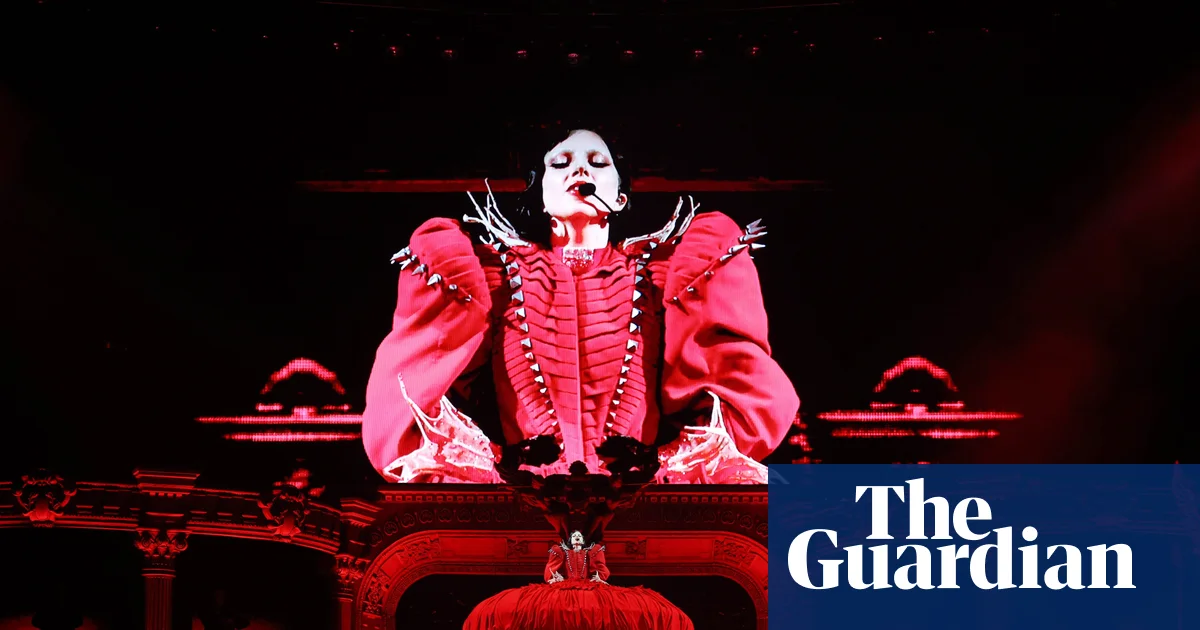
Australian innovator, 26, crafts iconic Lady Gaga costumes, blending engineering brilliance with trendsetting style

In a world where fashion continues to evolve as a potent form of social expression and cultural commentary, a new vanguard of designers is breaking the mold of traditional haute couture. Enter Samuel Lewis, a Melbourne-based visionary whose work blurs the lines between art, performance, and technological innovation. His recent collaborations with Lady Gaga exemplify how contemporary style now functions as a canvas for societal narratives, pulling viewers into a vortex of spectacle and meaning. Whether it’s a stage costume fashioned to resemble moving art or a dress inspired by decayed fabrics hinting at societal fragility, Lewis’s creations speak to a cultural shift toward embracing the expressive power of the extraordinary.

What makes this trend particularly compelling for impressionable youth is its cultural impact—it’s not just about designing visually stunning outfits but about challenging perceptions of beauty, identity, and social norms. Inspired by icons like Debbie Harry and the rebellious euphoria of rock and grunge eras, Lewis’s work embodies a renewed fascination with the imperfection, decay, and chaos that characterize our era. His aesthetic, heavily influenced by 70s rebel culture and 80s goths, employs intricate constructions—dresses within dresses, formidable corsetry—that are as much a statement of resilience as they are a fashion choice. Influencers, sociologists, and fashion critics such as Cameron Silver argue that these bold choices serve to democratize fashion’s social relevance, transforming celebrities into living artworks that challenge the boundaries of conventional style.

Designed to withstand the physical demands of stage performances and photo shoots, Lewis’s pieces symbolize how online visibility and social media have democratized access to high-end creative work. From the Philippines to South Korea, his rising international profile underscores how the internet has become a launching pad for local talent to reach global audiences. Brands and consumers alike are leaning into this digital revolution, seeking authentic, boundary-pushing styles that speak to the youthful psyche—styles that say, “This is who I am, and I’m not afraid to show it.” As influencers like Julia Fox and girl group Blackpink demonstrate, the avant-garde now sets trends in everyday life, shaping social attitudes and collective identity through their daring fashion statements.

Looking ahead, the next question on everyone’s mind is whether this relentless pursuit of the extraordinary will still serve traditional ideas of beauty or radically redefine societal standards. As Lewis prepares to launch his debut collection—an eclectic mix of made-to-order and ready-to-wear pieces inspired by the idea of “finding magic in everything without caring what it is”—the challenge remains profound: can fashion continue to be a cultural catalyst for societal conversations without sacrificing the accessibility that makes it relevant to youth? With celebrities and performers at the forefront of this movement, the real story might just be: Are we witnessing the birth of a new societal language through fashion—one that is less about superficial appearance and more about embodying a collective identity that’s as complex and layered as the art it produces? That remains the ultimate question for the future to answer.

Unleash the Power of Big Bows: The Surprising Trend Blending Feminine Charm with Youthful Rebellion | Accessories

The Rise of the Bow: How a Vintage Accessory Became a Cultural Signal

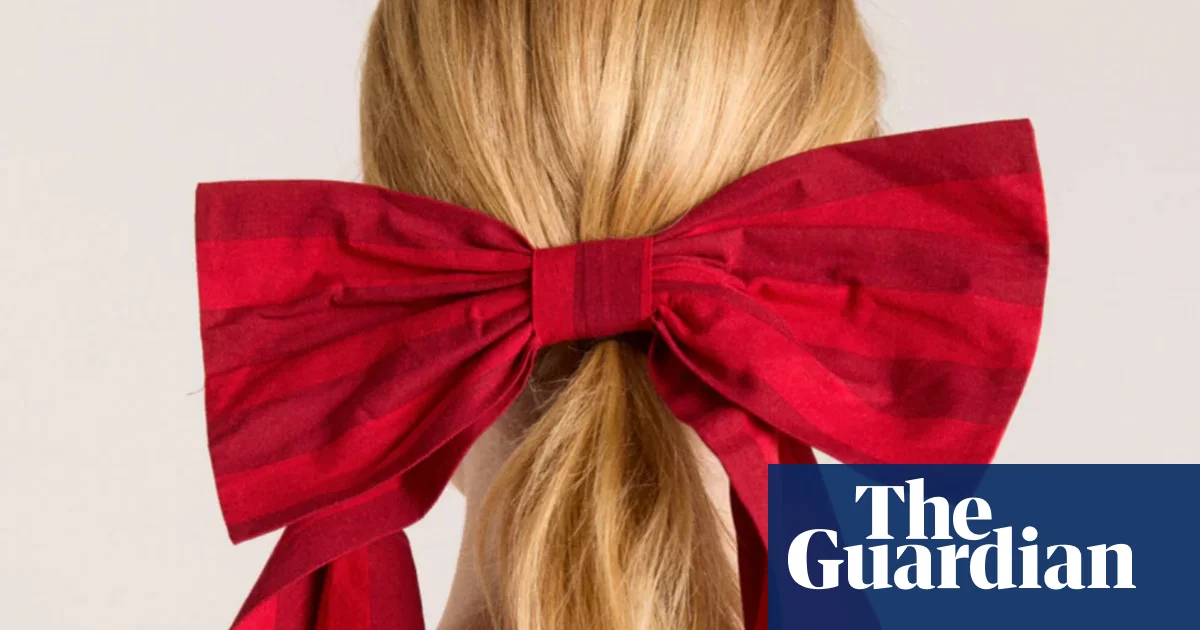
Once just a simple decorative feature from Victorian childhoods or Marie Antoinette’s opulent court, bows are now making a *massive* comeback—shaping fashion, social discourse, and even gender norms. From the high-stakes runway shows of Dior to grassroots movements on the rugby field, it’s clear that the humble bow has transcended its traditional femininity to become a powerful symbol of identity, rebellion, and social change. Today, this accessory does more than just add flair; it embodies a cultural shift in how we communicate femininity, gender fluidity, and even political solidarity.

Leading this revival are influencers, fashion designers, and sociologists noticing that the bow is no longer just a cute detail—it’s a loaded statement. Young designers like Sandy Liang and Simone Rocha are pushing bows into unexpected territory, featuring them on everything from handbags to wedding dresses. Meanwhile, on the streets and social media, more people are embracing bows as a form of subversive symbolism. Take Welsh rugby star Georgia Evans, who was attacked online for wearing pink hair bows during a game, only to turn that criticism into a viral movement of solidarity. Over 1,000 bows appeared at her subsequent match, symbolizing strength and inclusivity under attack. It’s a testament to how something as simple as a bow can become a social rallying cry, especially for young people eager to challenge outdated gender roles and expectations.

On the fashion front, the cultural impact is undeniable. Major brands like Next and M&S are selling an array of bow-adorned items—cardigans, dresses, earrings, and accessories. The trends are also reflected on red carpets, where male stars like Harry Styles and Ncuti Gatwa sport oversized bows, challenging gender binaries and highlighting that fashion is a canvas for political statement. Historically, bows were symbols of aristocratic status or flirtation, but today they are a form of expressive rebellion. As fashion historian Valerie Steele explains, bows are now “a sort of code or identity,” often worn ironically or subversively. This evolution demonstrates that what once served as a mark of femininity now acts as an emblem of self-expression and defiance, especially among the youth who view gender and social norms as fluid and negotiable.”

Yet, the question lingers: are we witnessing a lasting shift, or is this just a fleeting trend? Unlike previous fashion cycles, the current bow renaissance is deeply intertwined with broader societal conversations about gender, identity, and social justice. As designer Jonathan Anderson opened Dior’s most anticipated collection with a bow-topped dress, and influencers flaunt bow earrings and accessories, it’s clear that the bow is no longer merely an aesthetic choice—it’s a *statement of cultural evolution*. The next big question: will future generations see the bow as a symbol of both eroticism and empowerment or will it be just another passing trend? The answer could reveal much about how society’s understanding of identity—and perhaps its tolerance for complexity—continues to evolve in unexpected ways.

Social Media Auto Publish Powered By : XYZScripts.com