Matox News

Truth Over Trends, always!

US-Israel Blitz: Two-Minute Strike Unveiled

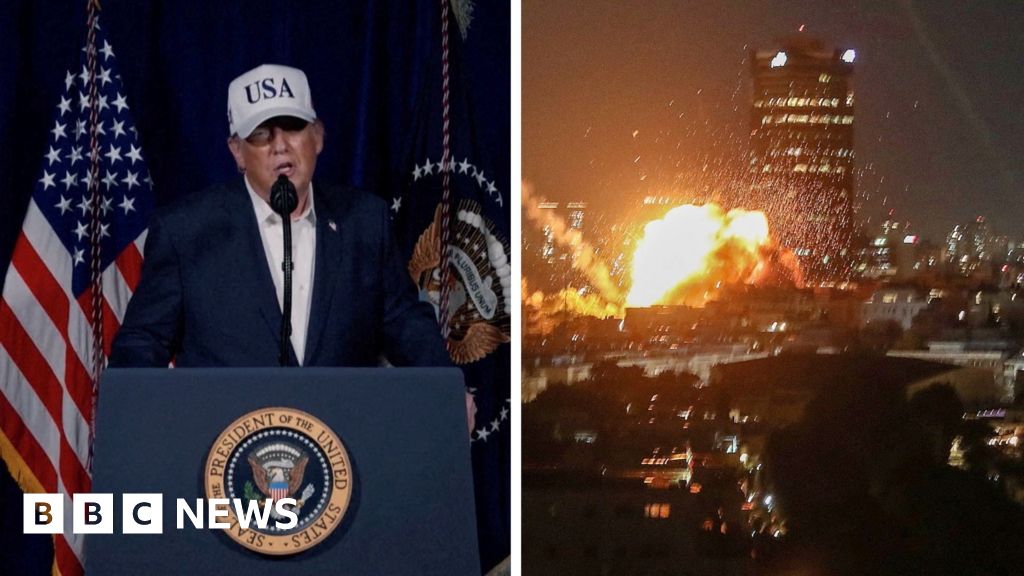
In a dramatic escalation of hostilities that threatens to reshape the geopolitical landscape, the United States and Israel launched a coordinated series of military strikes against Iran on Saturday. The precise targeting of Iran’s key military and political infrastructure marked a significant departure from decades of regional diplomacy and a stark warning to regimes that challenge Western influence in the Middle East. According to reports, Israeli Prime Minister Benjamin Netanyahu claimed that Khamenei’s compound in Tehran had been destroyed in a ‘powerful, surprise strike’, a statement that proved to be a harbinger of what many analysts now describe as a potential flashpoint for wider conflict.

Adding to the gravity of the situation, Iranian state media confirmed the death of Supreme Leader Ayatollah Ali Khamenei, an event that, if verified, signals a drastic shift in Iran’s internal stability and its ability to project power regionally. The turning point here isn’t merely the loss of a spiritual leader but the destabilization of Iran’s entire political hierarchy, which could unroll into unpredictable consequences for global security. Historians like Robert D. Kaplan and regional analysts warn that such a high-profile assassination or targeted strike could ignite all-out regional wars, especially as Iran responds with retaliatory missile and drone attacks targeting Israel and four Gulf Arab nations: Bahrain, Kuwait, Qatar, and the UAE—countries that host U.S. military bases, and whose security is tightly integrated with American military posture in the Gulf.

The geopolitical impact of these events is profound. The attacks and the subsequent retaliations threaten to undermine years of cautious diplomacy in the Middle East and may draw in international actors and alliances previously hesitant to get involved. The Middle East is at a crossroads, with each decision echoing through the corridors of international institutions like the United Nations and the Security Council, which are already under pressure to respond meaningfully. Countries across the world are watching, with some facing the choice of backing American and Israeli actions or condemning what they perceive as reckless escalation. The implications stretch beyond regional borders: a broader conflict could destabilize global markets, trigger refugee crises, and ignite terrorist threats fueled by chaos and power vacuums.

As the dust begins to settle—and it may take years to fully understand the implications—the world is left on the precipice of a new chapter, one where the curtains of conventional diplomacy have been drawn back. Decision-makers and international stakeholders must now grapple with whether this marked the beginning of a new, more dangerous era or if cooler heads might yet prevail amidst the chaos. With each passing moment, history writes its uncertain narrative, and the weight of the unfolding crisis serves as a stark reminder: the Middle East remains the epicenter of geopolitical friction, where every action sparks a ripple through the fabric of global stability, with consequences that will be felt for generations.”

Parking inspector and wife busted for €1M meter theft blitz

European Local Governance and Trust Under Scrutiny

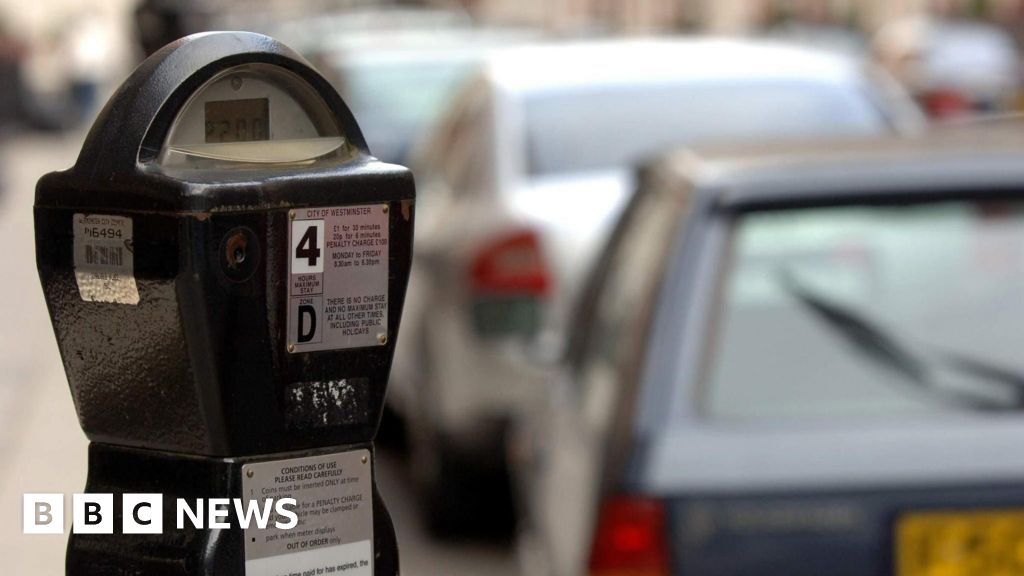
In a striking case that underscores the fragility of public trust in local institutions, Kempten, Germany, a town renowned for its rich history and strategic position in the Bavarian Alps, has been rocked by allegations of massive embezzlement involving a municipal parking inspector and his spouse. The report reveals that over €1 million (£878,000) was siphoned from parking meters across the town, a scandal that has sent ripples through Germany’s meticulous system of local governance and integrity. This incident is not merely about theft but touches on the broader question of accountability and the erosion of trust that leadership and citizens must uphold in the face of increasing regional challenges.

Geopolitical Impact and Rising Concerns

While at first glance this appears as an isolated case of municipal corruption, analysts and international watchdogs such as Transparency International are warning that such incidents could serve as warning signs of deeper systemic failures. As local governments become focal points of societal trust, these breaches threaten to undermine confidence in the broader European Union’s fragile network of institutions and local administrations. The involvement of a public official in embezzling public funds echoes similar scandals across other European nations, where corruption scandals have weakened the perceived legitimacy of local and national authorities. Such instances fuel an atmosphere of disillusionment among citizens, who are increasingly demanding transparency and accountability from their leaders.

International Reactions and Societal Implications

  • European political leaders are emphasizing the importance of reinforcing anti-corruption measures at all levels of government, stressing that trustworthiness and integrity are essential for maintaining social cohesion and international credibility.
  • Germany’s federal institutions have reinforced their commitment to transparency, with the country’s justice system promising a thorough investigation. The mayor of Kempten, Thomas Kiechle, responded swiftly, establishing a commission to review past processes and prevent future misconduct, symbolizing a recognition that local governance must be resilient against such breaches.
  • In light of this scandal, economic analysts point to the potential for increased public demand for oversight, which could translate into political shifts at both regional and national levels—especially in a continent grappling with mounting migration pressures, economic instability, and geopolitical tensions.

The incident in Kempten highlights how fragile the societal contract can become when trust is broken. It exposes a flaw in the infrastructure of local governance—one that, if left unaddressed, could have far-reaching consequences not only for Germany but across Europe. Historically, corruption scandals such as these have served as catalysts for reform, yet they also threaten to deepen existing divides and foster cynicism among the youth and marginalized communities. As historians and political analysts warn, these episodes are not isolated failures but indicators of an urgent need for comprehensive reform in accountability structures across Western democracies.

As the investigation continues and the media follows the unfolding legal proceedings, the question remains: in an era where trust is fragile and the geopolitical landscape is ever-changing, how will European nations restore their credibility and ensure that such breaches of integrity do not become the norm? The weight of history presses heavily on today’s leaders—each decision shaping the destiny of their communities, each action echoing across generations. The story of Kempten’s scandal is a stark reminder that, beneath surface civility, the true strength of a society lies in its unwavering commitment to justice and transparency—a legacy that must be guarded with vigilance or risk being forever lost in the shadows of neglect.

Social Media Auto Publish Powered By : XYZScripts.com


