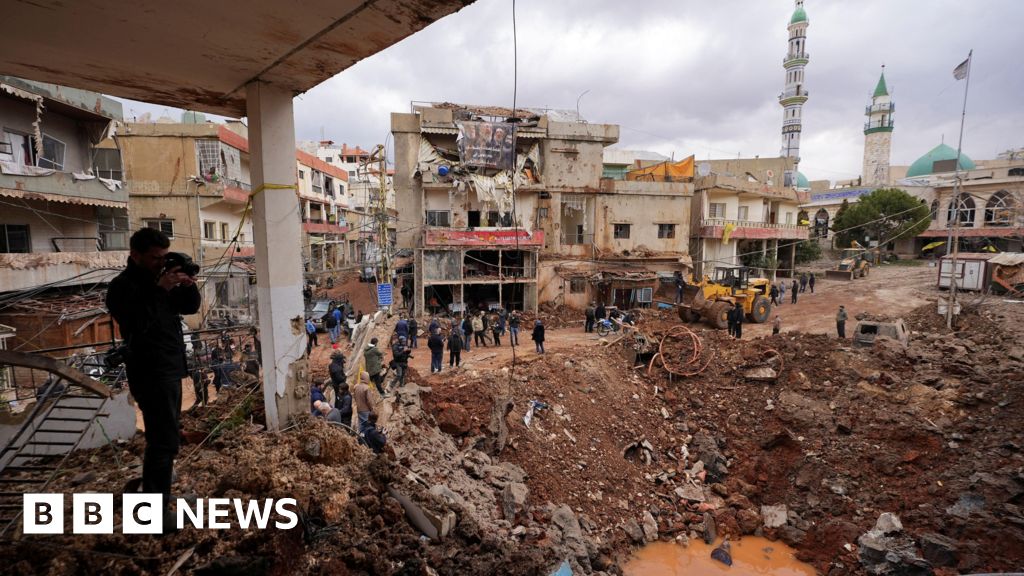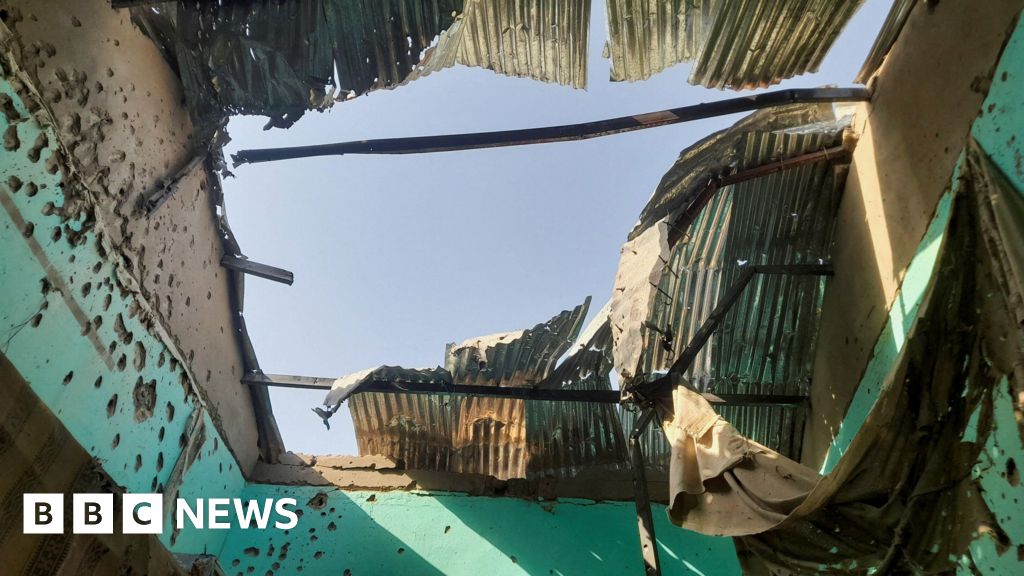

In the heart of Sudan, the city of el-Fasher, once a symbol of stability in the turbulent Darfur region, has become a battleground that exemplifies the devastating toll of what many analysts are calling a war of attrition. The ongoing conflict between the government-controlled army and the paramilitary Rapid Support Forces (RSF) has plunged the region into chaos, risking a humanitarian catastrophe that threatens to eclipse previous crises. The recent brutal attack on one of the last functioning hospitals in el-Fasher has claimed at least 13 lives and injured dozens more. This assault, carried out by RSF forces, is being condemned worldwide as a flagrant breach of international law, echoing broader questions about the conscience of modern warfare.
UN officials and humanitarian organizations have warned that el-Fasher is now teetering on the edge of collapse. Satellite images analyzed by Yale University’s Humanitarian Research Lab reveal that the RSF has constructed an extensive earthen wall—stretching over 57 kilometers—to tighten their siege on the city. This barricade effectively seals off all major exit routes, trapping thousands of civilians inside with dwindling resources. The siege has caused a complete breakdown of medical infrastructure, with most healthcare facilities shuttered and aid supplies blocked or rerouted by belligerents. The attack on the Saudi hospital is just the latest example of the escalating brutality—implying that no safe haven remains for the vulnerable amidst this relentless struggle for control.
The geopolitical impact of this crisis extends beyond Sudan’s borders, with experts warning that regional stability could be profoundly affected. The conflict’s roots lie in a complex web of ethnic tensions, political power struggles, and international neglect. Western powers, including the United States and European Union, have called for urgent ceasefires and humanitarian access but have struggled to exert meaningful influence over the conflict’s deep-seated martial currents. Meanwhile, neighboring countries such as Chad and Libya have expressed concern over spillover violence and refugee flows, which threaten regional security. International organizations like the United Nations have issued stark warnings about the potential for widespread famine, disease, and death, urging global actors to intervene before it’s too late. Yet, history demonstrates that such conflicts often become protracted, with peace remaining elusive—not unless decisive international action is undertaken.
- Continued RSF advances threaten to seize el-Fasher entirely, risking a repeat of past Darfur crises marked by immense human suffering.
- The construction of the berm and ongoing siege tactics exemplify a strategic effort to undo any prospects of negotiated peace, instead opting for total domination.
- Global reaction remains divided amid geopolitical interests, with many fearing that the international community’s hesitance could turn this humanitarian emergency into a new chapter of irreversible tragedy.
As the world watches, the narrative of el-Fasher looms as a stark reminder of the fragile morality of international intervention and the devastating consequences of unchecked violence. Marshaled by analysts, historians, and international bodies alike, the question remains: how long can the world’s inaction sustain a humanitarian disaster of such tragic dimensions? Each passing day writes a new chapter of suffering that, unless halted swiftly, risks becoming a stain on the conscience of humanity itself. The battle for Darfur is more than a local skirmish; it is a mirror held up to the global community—a sobering testament that, in the age of interconnected nations, the failure to act bears the weight of history’s darkest moments yet to come.