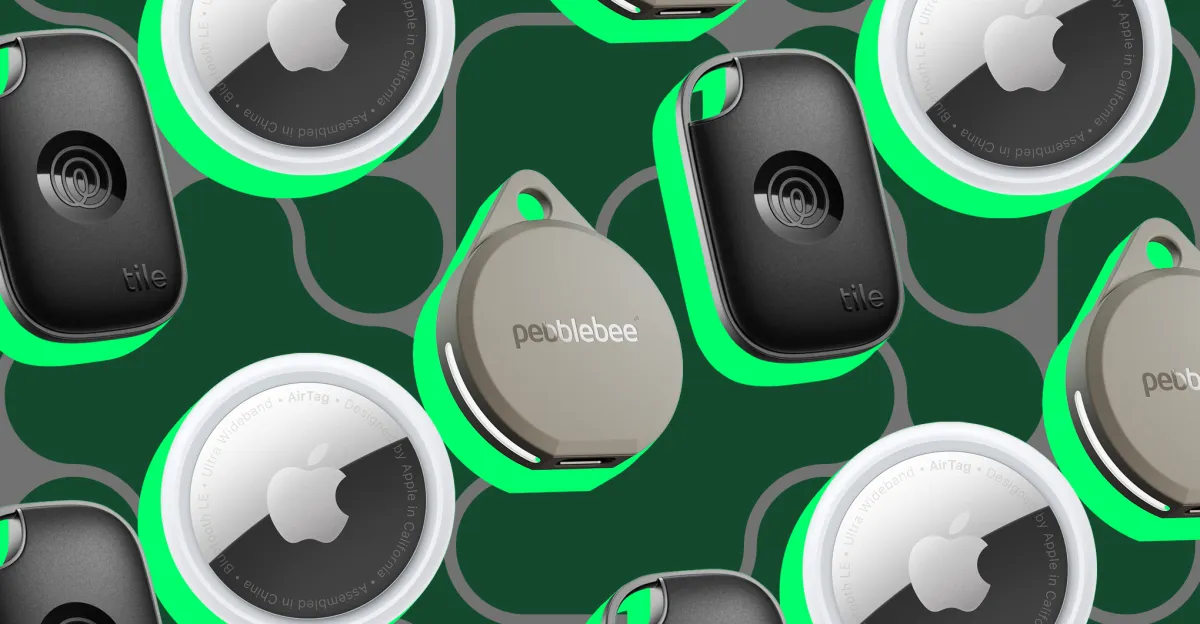

Revolutionizing Personal Asset Management: The Future of Bluetooth Trackers
In recent years, Bluetooth trackers have transitioned from novelty gadgets to critical tools shaping the landscape of personal asset management and security. Leading tech giants like Apple, Tile, and emerging players such as Pebblebee are aggressively innovating, disrupting traditional methods of item recovery and security. The latest advancements—particularly integration with ultra-wideband (UWB) technology—are positioning these trackers as essential components in the New Digital Ecosystem. This evolution not only enhances user experience but significantly impacts how businesses and consumers handle lost items, theft prevention, and safety protocols, marking a profound shift in both consumer electronics and security industries.
At Apple, the introduction of second-generation AirTags exemplifies this innovation surge. Equipped with an upgraded UWB chip, the new AirTag delivers precision finding capabilities that far surpass the accuracy of traditional Bluetooth trackers. The device leverages Apple’s extensive Find My network, turning billions of Apple devices into a seamless, anonymous tracking grid—an industry disruptor that competitors are racing to emulate. The implications for disruption are colossal; Apple’s integration of UWB and proprietary features rest on a strategic business move that consolidates its ecosystem dominance, making it a formidable gatekeeper in personal tracking security. The trend towards hyper-precise tracking is poised to redefine user expectations, elevate security standards, and drive market growth in the next decade.
Emerging Competition and Market Dynamics
While Apple primes the market with precision, Android-based solutions are rapidly catching up. Tile continues to be the dominant provider for Android households, offering versatile form factors such as the Tile Slim and the larger Tile Pro. Notably, Tile’s recent support for anti-theft features—including ‘Scan and Secure’ alerts—demonstrates a burgeoning focus on consumer safety, addressing concerns around unauthorized tracking and privacy breaches. As a result, the market sees industry shifts towards anti-stalking technology, inspired by regulations and user safety demands, such as the highly innovative anti-stalking features coming with Tile’s recent lineups.
Furthermore, companies like Pebblebee and Samsung are innovating with features like rechargeable batteries, water resistance, and integration with large ecosystems—including Google’s Find Hub. The upcoming Eufy SmartTrack Card E40 aims to blend wireless charging with broad compatibility, including support for Google’s network. These developments signify market polarization—where innovation, privacy features, and cross-platform compatibility become key differentiators—shaping a fiercely competitive environment that demands agility and strategic foresight from industry leaders.
Implications for Business and Consumer Security
The disruption fueled by these technological strides carries enormous business implications:
- Increased Market Penetration: Companies integrating UWB and privacy-centric features will access new consumer segments particularly concerned about security and theft prevention.
- Enhanced Ecosystem Lock-in: Apple’s ecosystem advantages become more pronounced as their trackers leverage the Find My network, which, combined with innovative features, could create significant barriers for competitors.
- Regulatory and Ethical Challenges: As anti-stalking and privacy protection features become standard, companies must navigate complex regulatory environments and develop ethics-focused security protocols.
Looking ahead, the rapid pace of innovation compels industry stakeholders to prioritize disruption-ready strategies—leveraging new tech like UWB, cross-device compatibility, and privacy innovation. With market dynamics tilting towards integrated, precise, and ethically conscious solutions, the race to dominate won’t just be thermal—it’s about shaping the security realities of tomorrow. For forward-thinking businesses and tech aficionados, seizing this moment is critical; the innovations now unfolding will define the next era of personal security and asset recovery, urging an immediate embrace of disruption or risk obsolescence.