Matox News

Truth Over Trends, always!

U.S. Citizen Among Victims in Cuba Boat Shooting, Officials Confirm

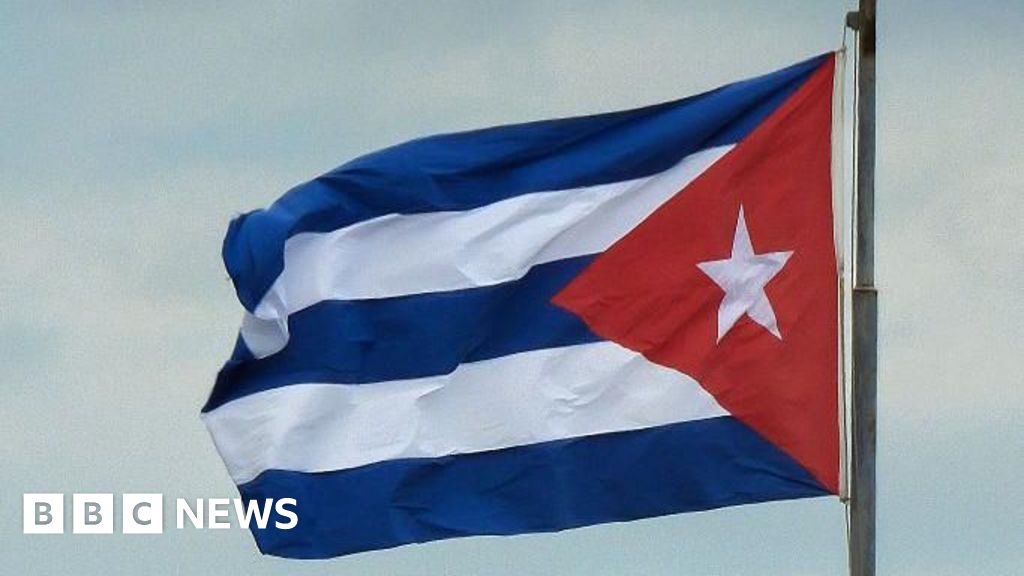
In a development that threatens to further destabilize the Caribbean region, Cuba has formally accused unidentified individuals onboard a vessel of initiating an infiltration with terrorist aims and firing first during a recent confrontation. The incident, which has quickly drawn international attention, underscores the fragile security landscape in the Gulf of Mexico and the Caribbean, where geopolitical tensions remain notably high.

While details remain contested and investigations are ongoing, the Cuban government’s statements point to a deliberate attempt to justify its response and to frame the event as a threat to national sovereignty. According to official sources, the involved vessel was suspected of engaging in illegal activities aimed at destabilizing the country. The claim that the ship “fired first” attempts to shift the narrative toward a defensive posture, but critics argue that the incident signals a broader pattern of covert meddling in the region by external actors seeking influence and disruption. Historian Dr. Maria Lopez, specializing in Latin American security issues, notes that such incidents often serve as flashpoints that escalate regional tensions and complicate diplomatic relations.

This confrontation arrives amid escalating concerns over the shift in regional influence spheres. The United States, which has historically maintained considerable military and diplomatic presence in the Caribbean, remains cautious about any signs of increased external interference, especially from rival powers like Russia and China. International organizations such as the United Nations have urged restraint, calling for transparent investigations and adherence to international law. Analysts warn that the incident, if unresolved, might trigger a dangerous cycle of escalation, potentially pushing the region closer to open conflict. The Strategic Studies Institute warns that uncontrolled confrontations in such geopolitically sensitive zones could threaten the stability of both regional and global security architectures.

Locally, the implications are profound; Cuba’s government asserts that such provocations could threaten its sovereignty and stability, while opponents accuse the regime of overreacting and using the incident to consolidate power domestically. As the international community watches closely, the unfolding events underscore the delicate balance of power in the Caribbean, an area marred by historical struggles, economic challenges, and Cold War legacies. Considered a pivotal point, many analysts view the incident as a potential catalyst—possibly turning the tide of regional alliances and intensifying existing rivalries. How the involved nations respond in the coming days may determine whether this incident remains an isolated flare or ignites a broader conflict that reshapes the geopolitical map.

As history continues to write itself, the weight of this moment is undeniable. In the shadow of modern Cold War animosities and regional struggles for influence, the Caribbean stands once again at a crossroads—where every decision may lead toward lasting peace or irreversible conflict. The pages of tomorrow’s history books are being written now, with the echoes of gunfire and diplomacy shaping the future of nations and peoples alike.
Tragic Loss: Over 20 Dead in Nile Boat Sinkings Amid Sudan Crisis

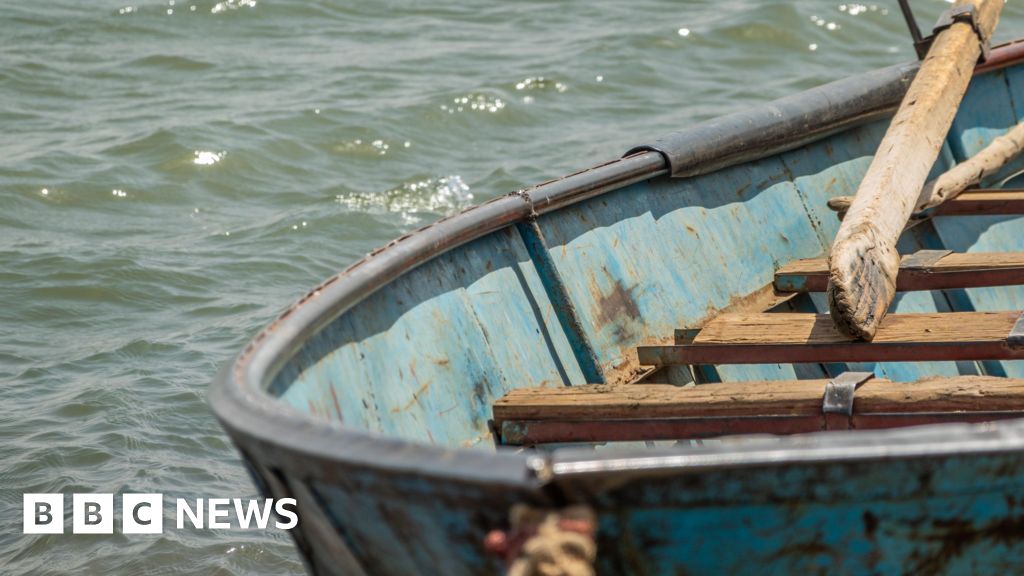
In a troubling development that has captured international attention, ongoing search efforts persist for the missing passengers of an unidentified incident, which tragically included children. While details remain sparse, the event’s ripple effects extend far beyond the immediate loss, highlighting the fragile state of regional stability and the profound impact on affected communities. Global institutions and nation-states are on high alert, emphasizing the importance of swift resolution and accountability.

As reports surface, the incident has reignited debates over border security, crisis management, and the geopolitical ramifications surrounding the involved regions. Analysts suggest that the event could serve as a pivotal moment, exposing deeper vulnerabilities within certain nations’ response capabilities and their international commitments. According to international observers—such as the United Nations and various regional security alliances—the case underscores a critical challenge: how to effectively respond to crises that are as complex and entwined as the geopolitical interests at stake. In particular, experts warn that failure to address these issues swiftly could lead to further instability, destabilizing not just the immediate area but potentially spilling over into neighboring nations.

Historian and geopolitical analyst Dr. James Carter notes that such tragedies tend to act as catalysts for broader shifts in diplomacy and policy. “When innocent lives—especially children—are lost in these incidents, it often galvanizes international efforts for change, yet it can also be exploited by opportunistic powers seeking to advance their agendas,” he explains. Meanwhile, the European Union and North American alliance networks have issued statements calling for increased humanitarian support and a transparent investigation. However, critics argue that geopolitical interests complicate efforts, with some nations reluctant to openly challenge regional powers that may be implicated in or responsible for further destabilization.

The geopolitical impact of this incident stretches beyond immediate rescue operations. It serves as a stark reminder of the high stakes involved in regional conflicts and their endurance as flashpoints for larger international disputes. The decisions made in the coming days—whether prioritizing humanitarian aid, diplomatic negotiations, or security measures—will shape the future of diplomatic relations and societal stability within the affected regions. As history witnesses yet another chapter unfolding, the weight of last-ditch efforts and international pressures remains heavy. With each passing hour, the world watches, holding its collective breath for a resolution that might yet alter the course of history, leaving behind a haunting reminder: that in the shadows of diplomacy, true tragedy quietly waits to strike, demanding justice and remembrance.

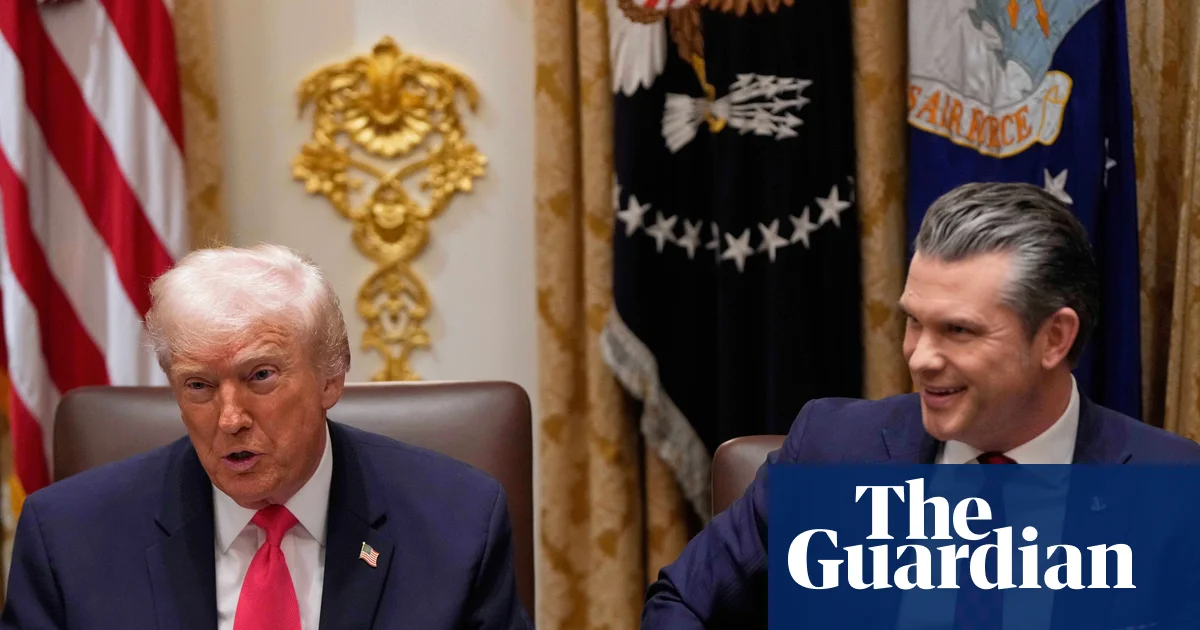
Democrats push Pentagon to release footage of suspected drug boat strike — returning to tough on crime stance from Trump era

Controversy Erupts Over US Navy Strike in the Caribbean

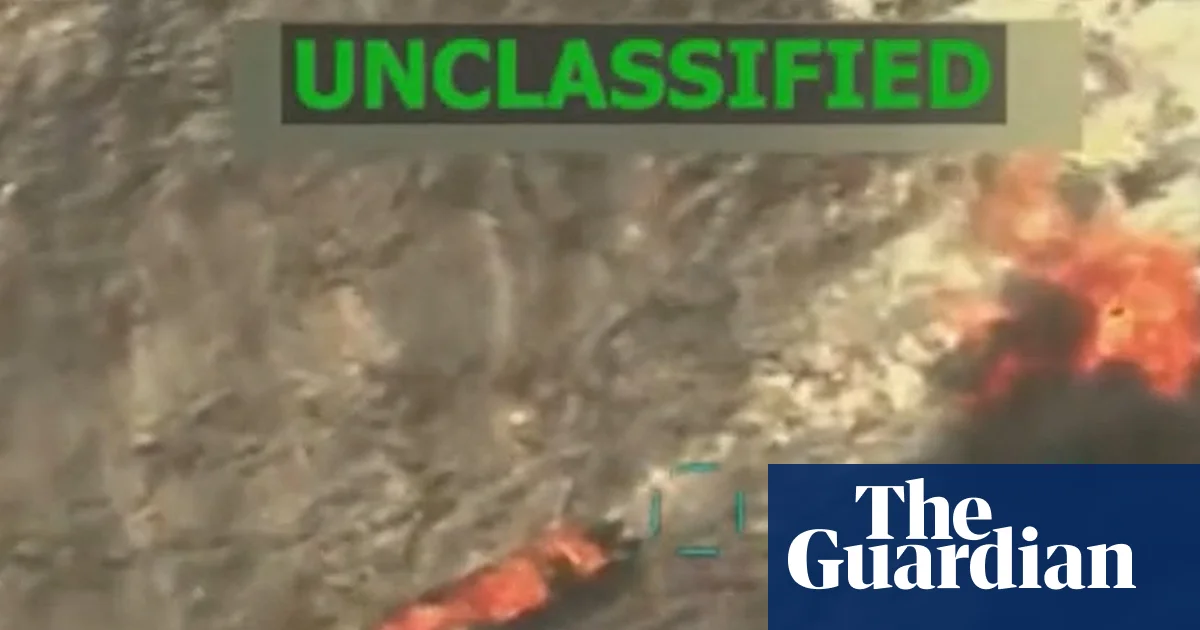
In a development that could have far-reaching geopolitical impact, the United States is facing mounting scrutiny over a deadly naval attack in the Caribbean, where eleven individuals lost their lives. The controversy revolves around the Pentagon’s refusal to publicly release video footage of the incident, stirring international and domestic objections. Democratic leaders and security analysts argue that transparency is vital to assess the legality and moral standards of such military actions, especially given the disturbing reports of a second strike that targeted alleged survivors clinging to wreckage.

This incident has highlighted a broader debate about the limits of military authority and accountability. The attack, which took place on September 2, involved an operation against what US officials described as a drug-smuggling vessel. However, critics, including Democratic Senator Adam Schiff, emphasize that the absence of visual evidence fuels accusations of reckless conduct and potential war crimes. As some members of Congress demand transparency — with Senator Schiff calling for the release of the video — others, like Pentagon officials, cite concerns about safeguarding classified information, revealing a tension between national security and public oversight.

International and Strategic Ramifications

The refusal to share the footage comes at a critical juncture for global perceptions of US military engagement. The incident underscores the risk of escalation in the region, where such actions may erode the US’s image as a defender of moral standards. Analysts warn that this controversy could embolden rival powers like China and Russia, who have been keen to exploit perceived American overreach to justify their own aggressive postures elsewhere. How the Biden administration chooses to handle this controversy will influence the future of American military diplomacy and credibility, especially in unstable regions marked by lawlessness and turmoil.

International organizations, including human rights watchdogs, have expressed concern over the potential violation of international law. Historians note that such incidents, if unresolved or perceived as unjust, tend to serve as catalysts for broader regional conflicts. Furthermore, military experts remind that decisions made in the fog of conflict often bear consequences long after the firing stops, transforming battlefield actions into symbols of moral and strategic dilemmas. As the debate intensifies, the world watches closely — realizing that every clandestine attack, every withheld video, becomes another chapter in a narrative of power, justice, and the fragile morality of warfare.

Reader’s Reflection: The Weight of Unfolding History

As the dust settles and more information surfaces — or is concealed — the core question remains: what echoes will this bequeath in the annals of history? Will the US’s refusal to provide clarity strengthen its resolve and moral authority, or will it diminish its standing and invite doubt? The unfolding story is a stark reminder of the potent consequences when military force is wielded in the shadows, shaping not only the immediate battlefield but also the very fabric of international justice and sovereignty. The world stands at a precipice, evaluating whether the current path embodies strength or peril, and history’s verdict still hangs in the balance, waiting to be written.

Experts demand release of boat strike footage as US admiral claims no ‘kill them all’ orders | US military

In a sharply escalating confrontation on the global stage, the United States has come under intense scrutiny over its recent military operations against suspected narcotics vessels in the Caribbean. The controversy erupted following reports that a U.S. military strike, ordered during the Trump administration, resulted in the death of survivors—an action that has ignited debates over legality, ethics, and the very nature of American military engagement in conflict zones. The attack, which took the lives of 11 individuals, is now a flashpoint in discussions about the use of force in international waters, especially when linked to the ongoing war on drugs and fentanyl trafficking from Venezuela.

This recent wave of strikes marks a paradigmatic shift from traditional interdiction efforts, moving toward a more aggressive and controversial strategy. Defense officials claim that the operations are intended to curb the flow of illegal narcotics into the U.S., but critics—including prominent human rights organizations and congressional investigators—argue that these actions breach international law and principles of due process. According to Sarah Yager of Human Rights Watch, the U.S. cannot legally justify killing presumed vesseľ operators without a formal declaration of war, warning that the current approach risks setting a dangerous precedent where extrajudicial killings become normalized without accountability, especially as the Biden administration faces mounting calls for transparency.

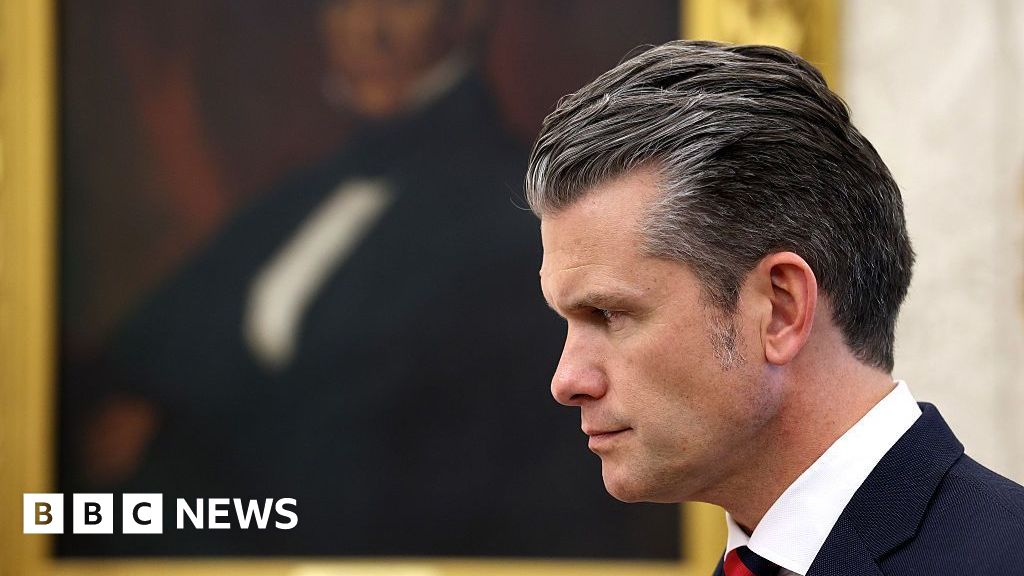
The controversy substantially deepened when allegations emerged that Secretary of Defense Pete Hegseth had issued explicit orders to “kill them all,” including survivors attempting to surrender or escape the wreckage. This claim has ignited bipartisan concern in Washington, as lawmakers from both parties question whether such directives violate rules of engagement and international humanitarian laws. During congressional hearings, military officials vehemently denied the existence of any explicit “kill all” orders, although some senators, such as Thom Tillis, expressed alarm at the possible implications of targeting defenseless individuals. The debate underscores the geopolitical impact of America’s expanding latitude for military action, which threatens to undermine the perceived legitimacy of U.S. foreign policy while risking new conflicts in fragile regions.

Analysts warn that, beyond its immediate legal and ethical questions, this campaign could have profound repercussions on global stability. Historian John Jones from the International Security Council states that when a superpower resorts to extrajudicial strikes, it risks eroding international norms that safeguard human rights and sovereignty. Critics contend that the U.S.’s aggressive tactics may fuel anti-American sentiments across Latin America and the Caribbean, fostering instability and empowering hostile actors. As the global community watches, the West’s confidence in its moral authority hangs in the balance, with the forces of geopolitics and justice colliding in a tumultuous contest for influence and moral legitimacy. The unfolding controversy leaves the world on edge, as history’s pen continues to chart a new chapter—one that might forever redefine the boundaries of military authority and the moral boundaries of intervention.

US approves second Venezuela boat attack, White House confirms

In a move that underscores the increasingly aggressive stance of the United States in the Caribbean and Latin America, a series of controversial naval strikes have reignited international debate over sovereignty, legality, and Global security. Last month, the White House confirmed that a top US Navy commander ordered a second missile strike against what it alleged to be a Venezuelan drug-trafficking vessel. The incident, part of a broader anti-narcotics initiative, has raised fundamental questions about the legality of extrajudicial military operations in international waters. While U.S. officials defend these actions as necessary for national security, legal experts and foreign nations warn of dangerous precedents and regional destabilization.

The geopolitical impact of Washington’s expansion in the Caribbean is profound. As the U.S. increases its military footprint, especially off the coast of Venezuela, it sends a clear message: American interests in the region are non-negotiable. The Biden administration, continuing the policies of the previous Trump government, emphasizes that these strikes are acts of self-defense designed to disrupt drug trafficking networks responsible for flooding the U.S. with illicit substances. However, critics, including seasoned international analysts, argue that the proliferation of such strikes—often accompanied by grainy media footage devoid of concrete evidence—threatens to undermine longstanding norms of law and order in maritime conduct. The deployment of military force in such circumstances, especially with reports suggesting some mustered survivors were killed after initial attempts to rescue them, complicates the interpretation of international humanitarian law.

In the ongoing political saga, Venezuela sharply condemns these actions, accusing the U.S. of stoking regional tensions and pursuing a covert agenda to overthrow its government. Venezuelan authorities have announced investigations into the strikes, asserting that the U.S. operations violate sovereignty and international law. In an interview with BBC Newsnight, Venezuela’s Attorney General, Tarek William Saab, attributed U.S. hostility to “great envy” for Venezuela’s natural resources and called for diplomatic dialogue to de-escalate tensions. Meanwhile, President Nicolás Maduro remains defiant, maintaining that Washington’s accusations about his government’s involvement in drug trafficking are baseless and politically motivated. Despite diplomatic overtures, including a recent brief phone call between Donald Trump and Maduro—where the U.S. leader reportedly pressured him to resign—the situation remains volatile, with no signs of immediate reconciliation.

Across the U.S. legislative landscape, bipartisan concern is mounting. The Senate Armed Services Committee has promised vigorous oversight, seeking evidence—including audio and video recordings—to clarify the chain of command and the legality of the operations. Chairman Roger Wicker states that the committee plans to interview the admiral in charge of the operation to determine if proper protocols were followed. The rules of engagement under international law, especially within a context defined as a non-international armed conflict, explicitly prohibit targeting wounded combatants or survivors, raising serious doubts about the legitimacy of the second strike, where reports suggest survivors were killed after initial attacks. Critics argue that these actions resemble the controversial “double tap” drone practices used during the Obama era—practices that drew widespread criticism for civilian casualties.

This unfolding crisis underscores a broader debate about America’s role as a regional enforcer and the limits of its military power. As expert voices and international institutions scrutinize these operations, the legacy of this period remains uncertain. Is the U.S. acting as a defender of law and order, or is it forging a dangerous precedent—one where maritime sovereignty is secondary to the pursuit of perceived national interests? With the weight of history bearing down on these decisions, the world watches anxiously, as the balance shifts at the crossroad of diplomacy and warfare, threatening to set a precedent that may echo through generations. The story remains unwritten, teetering on the knife’s edge of a new geopolitical era—one that could define the future of international relations for decades to come.

US lawmakers push for answers on Hegseth Venezuela boat incident

The United States is once again at the forefront of a fierce debate over military conduct and international law, following recent reports of lethal strikes against suspected drug trafficking vessels in the Caribbean. As part of a broader anti-narcotics operation, the US has expanded its military footprint in the region, claiming its actions are necessary for national security. However, the emerging allegations of a second strike—potentially targeting survivors—have ignited a storm of criticism both within Washington and among global observers, raising critical questions about legality, morality, and the consequences of unchecked military power.

  • Reports from The Washington Post suggest a controversial sequence of events: a first strike on 2 September left two survivors, followed by a second precise attack to “kill everybody” on board, as claimed by anonymous sources. Defense Secretary Pete Hegseth reportedly gave the order for the second strike, which has not been officially confirmed by the US Department of Defense. This revelation has prompted congressional hearings, with lawmakers from both sides warning of potential war crimes and violations of international law.
  • American officials, including President Donald Trump, have staunchly dismissed these allegations. Trump asserted support for Hegseth, claiming he believes him “100%,” further fueling the partisan divide surrounding the incident. Meanwhile, the Venezuelan government strongly condemned the strikes, vowing to conduct its own investigations and accusing Washington of fomenting regional instability.

This controversy underscores the geopolitical impact of U.S. actions in a region fraught with instability. The Caribbean has long been an area of strategic importance—serving as a nerve center for drug trafficking routes, and now, as a battleground for U.S. counter-narcotics ambitions. While officials defend their operations as self-defense against illicit activity, critics argue that the use of lethal force, especially against survivors, risks crossing a dangerous threshold into unlawful conduct. The potential involvement of international law—or the lack thereof—raises urgent questions about accountability, especially since the U.S. is not a signatory to the United Nations Convention on the Law of the Sea.

Historians and analysts note that this incident could have far-reaching ramifications, potentially setting a precedent that challenges norms governing maritime conduct. The United States, often seen as a military superpower, faces mounting scrutiny as an internal divide over its foreign policy strategies widens. Particularly, Congress has called for vigorous oversight, with leaders warning that such actions could escalate tensions with nations like Venezuela and embolden regional actors to question the U.S.’s intent. The International Criminal Court and human rights organizations watch these developments closely, eager to hold governments accountable for possible war crimes.

As the world watches, the unfolding story of the Caribbean tensions will leave an indelible mark on history’s ledger—stirring questions of morality, sovereignty, and the limits of unilateral military action. With each new report, the shadows of doubt deepen, and the weight of history presses ever harder on the shoulders of those in power. As international observers ponder the long-term consequences of these strikes, a stark reminder echoes: in the chaos of modern geopolitics, the line between protector and perpetrator blurs, with the enduring hope that justice and law will ultimately guide the course of history.

Hegseth touts successful US strike on suspected drug smuggling boat

The United States continues its assertive military push in the South American and Caribbean regions, signaling a shift towards more aggressive tactics in its ongoing war against drug trafficking and perceived threats. Defense secretary Pete Hegseth announced a recent deadly strike against a vessel suspected of ferrying illegal narcotics. This strike, which claimed two lives, marks at least the 16th in a series of actions authorized by the Trump administration, raising crucial questions about the legal justifications and the broad implications of such unilateral interventions. The administration claims it is engaged in an armed conflict with drug cartels and foreign terrorist organizations, but critics and lawmakers alike demand more transparency and adhere to international norms.

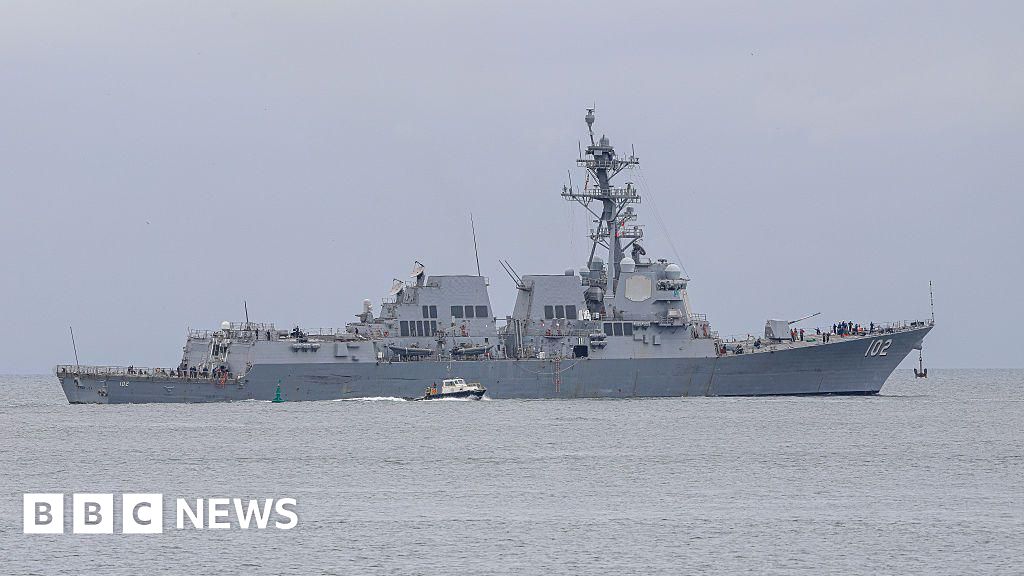
This escalation coincides with the deployment of the USS Gerald R. Ford aircraft carrier to the Caribbean, a move that signifies the extent of America’s military buildup in the region. Having left the Mediterranean through the Straits of Gibraltar, it joins a formidable fleet—including destroyers like the USS Bainbridge and USS Winston Churchill—forming a show of force that many analysts see as an effort to assert dominance over critical maritime routes. Experts from think tanks warn that such actions could destabilize regional diplomacy, creating a climate of uncertainty that threatens both regional stability and international law. This buildup is not merely about combatting drugs but is viewed as a broader message of U.S. geopolitical resolve amid rising tensions with rival powers.

International response to these American maneuvers remains divided. While some narrative voices inside the U.S. emphasize a need for ‘tougher’ stance against illicit trafficking, others, including diplomatic organizations and historical analysts, interpret these moves as part of a strategic effort to project power and influence in an increasingly contested global arena. The deployment of large naval assets to Latin America underscores a broader trend identified by geopolitical scholars: the U.S. aims to capitalize on regional vulnerabilities, positioning itself as both protector and hegemon. Meanwhile, whether these actions will bring peace or further conflict remains a matter debated in global corridors, where the tension between security and sovereignty plays out.

As the smoke of recent bombings clears and the ships traverse international waters, the weight of history presses heavily upon the unfolding narrative. The decisions made today echo through decades, shaping the future alliances and conflicts that will define the global order. With each vessel, each strike, the silent story of ambition, power, and the relentless pursuit of America’s strategic interests continues—leaving the world on the precipice of a new chapter where the lines of engagement are redrawn and the true cost of such power is written in the shadows of history yet to be fully revealed.

Pentagon Chief Orders New U.S. Strike on Drug Smuggling Boat in the Caribbean

In a move that underscores the escalating global struggle against narcotics trafficking, the United States has conducted its tenth military strike targeting vessels suspected of carrying illegal drugs in the Caribbean and off the coast of South America. According to Pentagon officials, the latest operation resulted in the death of six individuals onboard a vessel believed to be involved in narcotics smuggling along transnational routes. These strikes, authorized and executed under the claim of defending national security and disrupting transnational criminal organizations (TCOs), have sparked considerable debate on the legality and efficacy of U.S. unilateral military interventions.

The administration has rapidly intensified its military posture, deploying the aircraft carrier USS Gerald R. Ford to waters off South America, emphasizing a strategic shift to bolster surveillance and interdiction capabilities in the Western Hemisphere. This move signals a broader geopolitical shift in U.S. foreign policy, with an explicit focus on combating narcotrafficking that threatens both domestic stability and regional security. Analysts suggest that this demonstrates a move toward a more aggressive posture, potentially risking regional destabilization and diplomatic fallout. Since early September, Washington has executed at least 10 strikes, resulting in the deaths of over 40 suspected traffickers, based on unverified claims. However, critics, including numerous civil liberties groups and South American leaders such as Colombian President Gustavo Petro, have condemned the campaigns as extrajudicial murders that violate international norms and sovereignty.

Indeed, the geopolitical impact of these actions extends beyond immediate military objectives. The clandestine role of the Central Intelligence Agency in providing intelligence—reportedly underlying many of these strikes—raises profound questions about transparency and legitimacy. Experts like Dr. Mariana Ruiz, a senior analyst at the International Crisis Group, warn that the secretive nature of intelligence-driven operations could set dangerous precedents. The ambiguous status of alleged affiliations between gangs like Tren de Aragua and designated terrorists complicates the legal framework used to justify these strikes, challenging international law and the sovereignty of affected nations.

Beyond the legal and moral controversies, these actions reveal a broader shift in U.S. strategic priorities. While the White House contends that the President is exercising constitutional authority under Article 2—a controversial interpretation—many legal scholars highlight the lack of explicit congressional approval and question whether such strikes are justified as acts of self-defense. Meanwhile, regional reactions remain overwhelmingly critical; Colombia, a frontline state in narcotics trafficking, decries these operations as “murder,” emphasizing that such policies risk destabilizing already fragile alliances and creating new fertile grounds for conflict. As global watchdogs and analysts grapple with the implications, it is clear that these strikes symbolize more than just a war on drugs. They mark a pivotal moment — a dramatic chapter in the unfolding narrative of international power, sovereignty, and the relentless pursuit of safety in an increasingly chaotic world.

US Troops Take Down Suspected Drug Boat, Killing Two in Pacific Operation

United States forces have initiated a new chapter in its ongoing war against drug cartels, striking a vessel in the Pacific Ocean believed to be engaged in trafficking activities. Confirmed by the Pentagon, this operation marks the eighth US military action against suspected drug vessels since September, yet it bears unique geopolitical significance as the first such strike in the Pacific waters. Defense Secretary Pete Hegseth reported the vessel was known to US intelligence, suspected of carrying narcotics along established trafficking routes in international waters. The operation resulted in two casualties onboard, with perpetrators killed, while no US forces suffered harm.

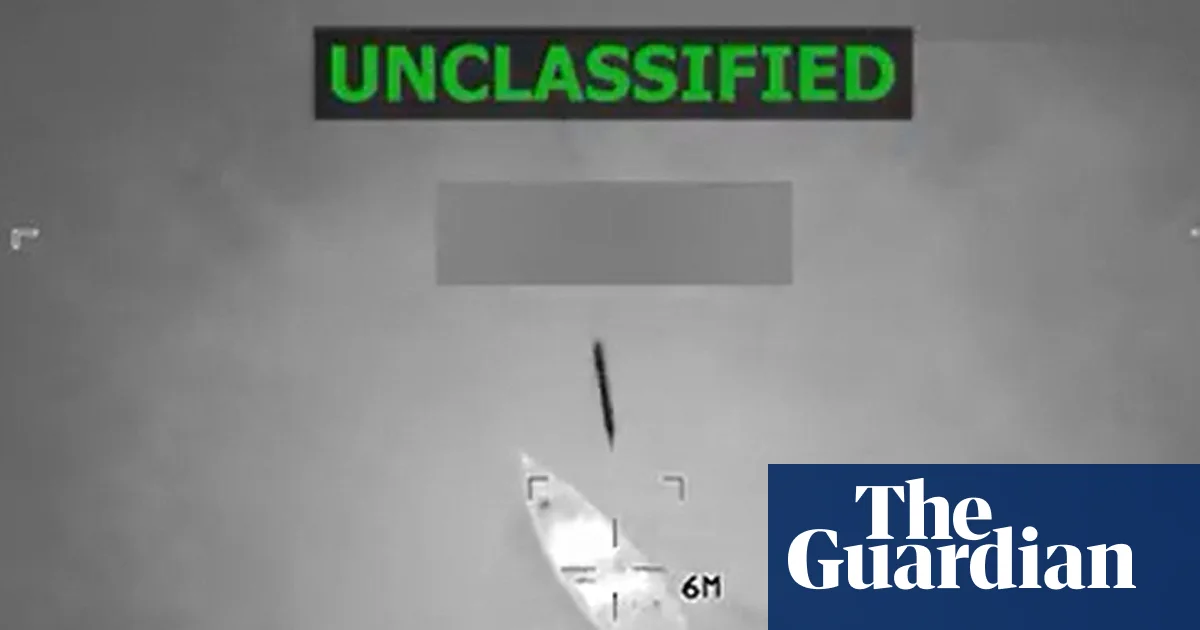
This escalation in counter-narcotics efforts highlights an intensifying US stance against the transnational drug trade, which has long influenced regional stability and security. Video footage of the strike shows a long, blue speedboat being struck by US ordinance, underscoring the military’s resolve. Hegseth issued a stern warning in a statement on X: “Narco-terrorists intending to bring poison to our shores will find no safe harbor anywhere in our hemisphere.” He further emphasized that these criminal organizations, which US officials often classify as terrorist entities, are waging a war not only on American soil but also across our borders, with economic and societal repercussions for entire nations.

Meanwhile, the geopolitical impact extends beyond immediate military actions. A recent leaked memo from the Trump administration revealed that US officials now consider their conflict with drug trafficking organizations to be a non-international armed conflict. The ongoing strikes have reportedly resulted in at least 36 deaths, including members of drug cartels operating in the Caribbean and the Pacific, with some suspects being repatriated and cleared of wrongdoing. Yet, critics and international analysts continue to debate the legality and strategic efficacy of these operations, warning that such unilateral military actions risk escalating tensions and destabilizing fragile regional relationships. Significant concern exists over how these aggressive strikes influence neighboring countries like Colombia and Ecuador, both critical gateways for cocaine trafficking toward US markets.

The emerging tension between the US and Colombia under President Gustavo Petro signals a shifting alliance landscape. Recently, Donald Trump publicly labeled Petro as an “illegal drug leader,” accusing the Colombian government of encouraging drug cultivation, and announced the suspension of US aid to Colombia—one of America’s longstanding Latin American allies. Such diplomatic strains threaten the stability of the region’s geopolitical fabric, particularly as Colombia and Ecuador’s extensive Pacific coastlines serve as crucial transit points for narcotics funneling northward. According to the Drug Enforcement Agency (DEA), most cocaine destined for US streets passes through this Pacific corridor, fueling the demand-driven chaos that these military operations aim to dismantle. Nevertheless, US officials acknowledge limited transparency surrounding the identities of those killed and the precise cartels involved, adding layers of ambiguity to the broader strategic narrative.

As approximately 10,000 American troops, supported by dozens of ships and aircraft, remain deployed across the Caribbean and Pacific in what some analysts describe as a “peninsula of fire,” the U.S. stance underscores a broader geopolitical gamble. This relentless pursuit of what officials term as “justice” for drug trafficking networks risks inflaming regional tensions and provoking nationalist backlash in Latin America. The narrative remains clear: how decisions made in Washington echo through the corridors of power in Bogotá, Quito, and beyond, shaping the future of international security and sovereignty. As history continues to unfold, these militarized strikes stand as stark reminders of a persistent struggle — where the battle against the drug trade becomes a testament to the complexities of sovereignty, the limits of force, and the unyielding weight of geopolitical destiny.

Trump: U.S. Strikes Drug-Linked Boat Near Venezuela, Six Dead

The United States continues to assert its military presence in the Caribbean Sea, with recent actions signaling a shift in its approach to combating drug trafficking and associated drug-terrorist organizations. On Tuesday, President Donald Trump announced that the US military had conducted a targeted strike against a small vessel off the coast of Venezuela, claiming the vessel was involved in drug smuggling and carried six individuals linked to narcoterrorism. This incident marks the fifth deadly US strike in the region over recent months, exemplifying the administration’s increasingly assertive stance in what officials call a non-international armed conflict with major cartels such as Tren de Aragua, a designated foreign terrorist organization. According to a memo obtained by The New York Times, Trump has declared drug cartels as non-state armed groups, legally framing their actions as an armed attack against the US.

  • Such military actions are justified by officials as necessary means to substantially disrupt the flow of narcotics into the US, arguing that these groups have evolved into sophisticated, organized threats comparable to armed insurgencies.
  • Lawmakers and human rights advocates, however, question the legality of these unilateral strikes, claiming they risk violating international law and could lead to extrajudicial killings.
  • The United Nations experts have publicly condemned these strikes as extrajudicial executions, emphasizing that criminal activities must adhere to the principles of justice, investigation, and international cooperation. They warn that circumventing legal processes could undermine global norms and set dangerous precedents.

Adding another layer to this complex geopolitical puzzle, Colombia President Gustavo Petro recently claimed there were “indications” that one of the targeted vessels might have been Colombian, with Colombians onboard. The White House responded swiftly, dismissing Petro’s statement as “baseless and reprehensible,” further escalating tensions between the neighboring countries. This dispute underscores how military actions in sovereign waters ripple through regional alliances and influence domestic politics, with the US positioning itself as a decisive arbiter of security in an area historically plagued by instability.

From the perspective of international analysts, these developments reflect a decisive pivot by the Trump administration, which now regards drug cartels not merely as criminal organizations but as armed threats that warrant military intervention. Dr. Mariana Lopez, a geopolitical expert, warns that such policy shifts could redefine the US’s role in Latin America, blurring lines between law enforcement and military action. Similarly, the Center for Strategic and International Studies highlights that these aggressive tactics could intensify regional tensions, making diplomatic resolutions more elusive. Meanwhile, the failure of the US Senate to pass legislation limiting the President’s authority to conduct future strikes indicates bipartisan support for a more aggressive posture. Almost all Republicans, along with Senator John Fetterman, opposed the measure, signaling a willingness among congressional leaders to prioritize security measures over strict legal oversight.

As history continues to unfold in real-time, the question persists: will these strikes quell the relentless tide of narcoterrorism, or will they provoke broader conflicts with unpredictable consequences? The Caribbean region, a vital nexus for international trade and geopolitical influence, now teeters on the brink of a new era—one in which the line between law and war is increasingly blurred. With every missile fired and each diplomatic statement, the weight of an evolving global order presses down on societies across the Americas. The decisive moments are yet to come, but what remains certain is that history is forging its new chapter—one marked by resilience, controversy, and the enduring struggle for sovereignty amid external interference.

Social Media Auto Publish Powered By : XYZScripts.com