
Gaza Conflict: The Thin Veil of Ceasefire and its Fractures
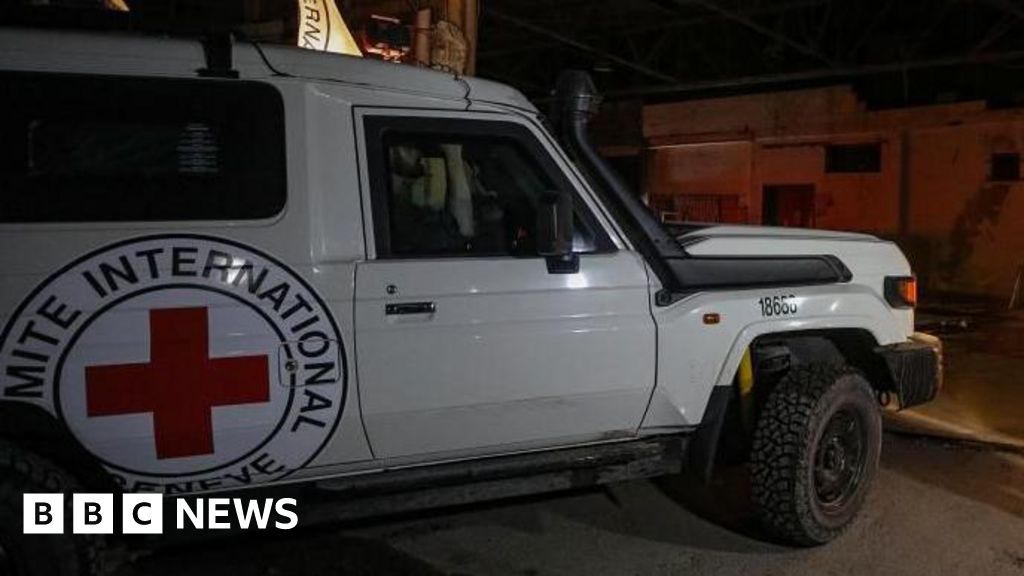
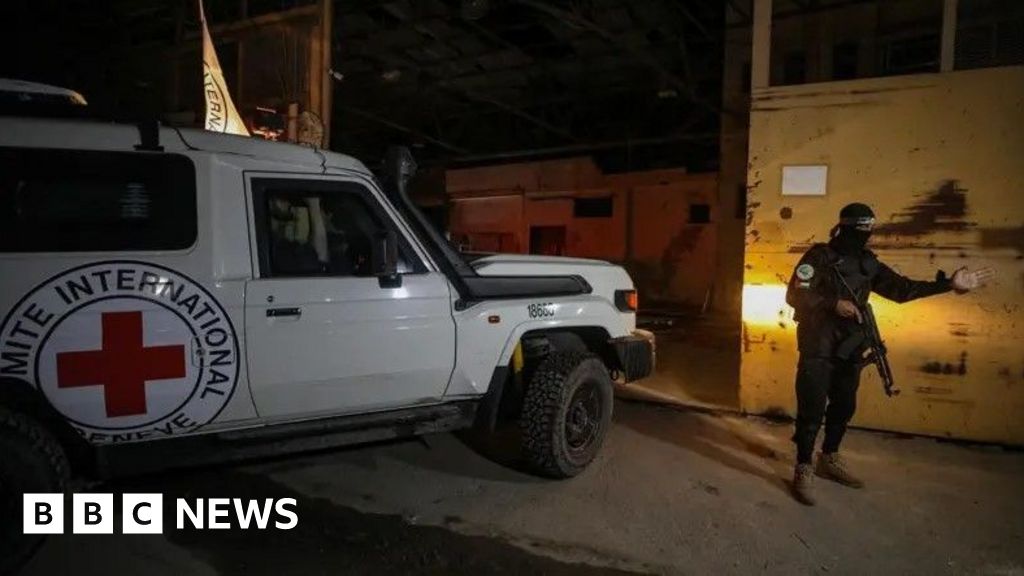
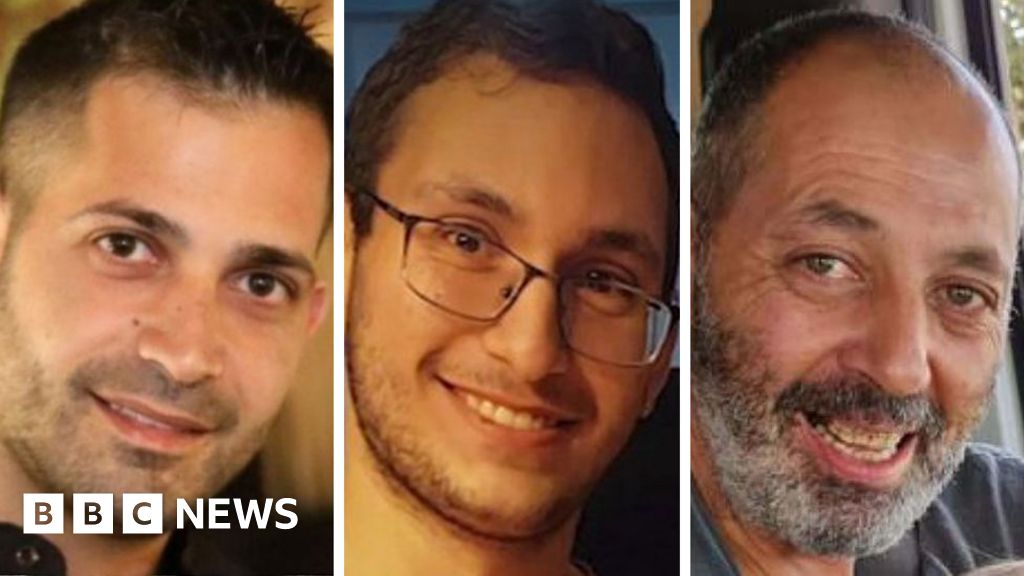
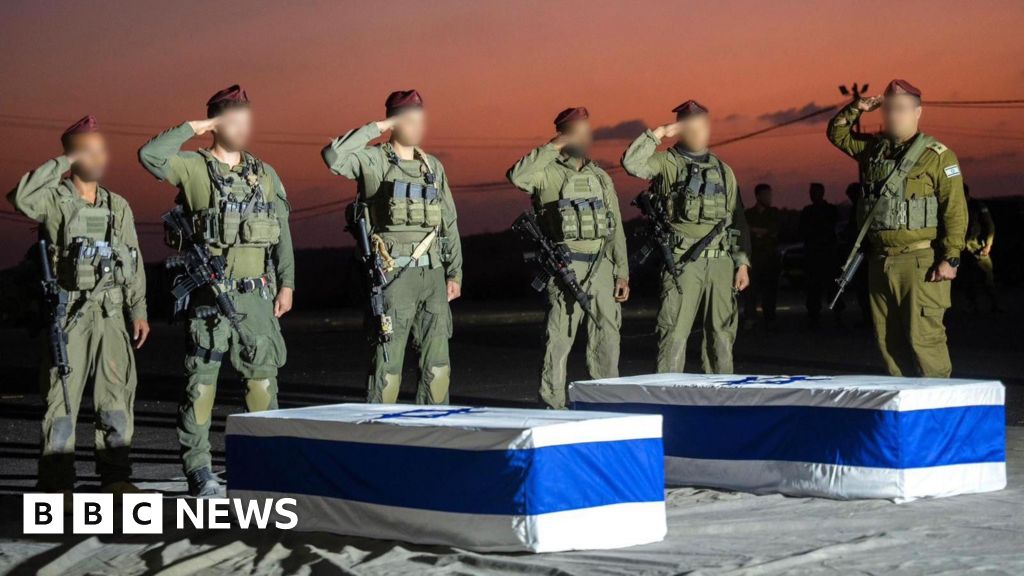
The recent developments in Gaza have once again shoved a fragile ceasefire into the abyss of uncertainty. Israel confirmed the identities of two deceased hostages, Amiram Cooper and Sahar Baruch, following the exchange mediated by the Red Cross. This grim confirmation underscores the tragic reality faced by families on both sides of this relentless conflict. Yet, beneath the surface of these mortal tolls, questions about the authenticity and transparency of Hamas’s actions are intensifying. The Israeli government accuses Hamas of staging the recovery of a body that did not belong to the deceased, revealing a staged scene captured by Israeli drones. This escalation of accusations signals not merely a breakdown in trust but a dangerous escalation that threatens to unravel the latest ceasefire deal brokered under international auspices.
The U.S. and international organizations initially heralded the ceasefire as a significant step toward de-escalation. This deal mandated the return of 20 living and 28 deceased hostages and a reciprocal release of Palestinian prisoners. However, recent events threaten to undo this fragile progress. The Israeli military reports that Hamas violated the terms by killing an Israeli soldier and staging the scene to falsely suggest continued hostilities, a move that Israel swiftly responded to with a series of airstrikes across Gaza. This tit-for-tat violence underscores how a handful of tactical breaches could spiral into broader regional instability, especially with Israel warning that it would respond “when its soldiers are targeted.”
» Geopolitical Reckoning: From Local Skirmishes to Global Shifts
The geopolitical impact of these events extends far beyond Gaza’s borders. International stakeholders — including the U.S., Qatar, Egypt, and Turkey — have played pivotal roles in brokering and maintaining the ceasefire. Yet, volatile incidents like these threaten to derail diplomatic efforts that were already precarious. Such moves could embolden extreme factions and reduce the chances of future peaceful resolutions, effectively prolonging the cycle of violence and suffering. Historians warn that this cycle, if unchecked, could cement a new era of regional instability, with the Middle East’s delicate balance of power teetering on the edge.
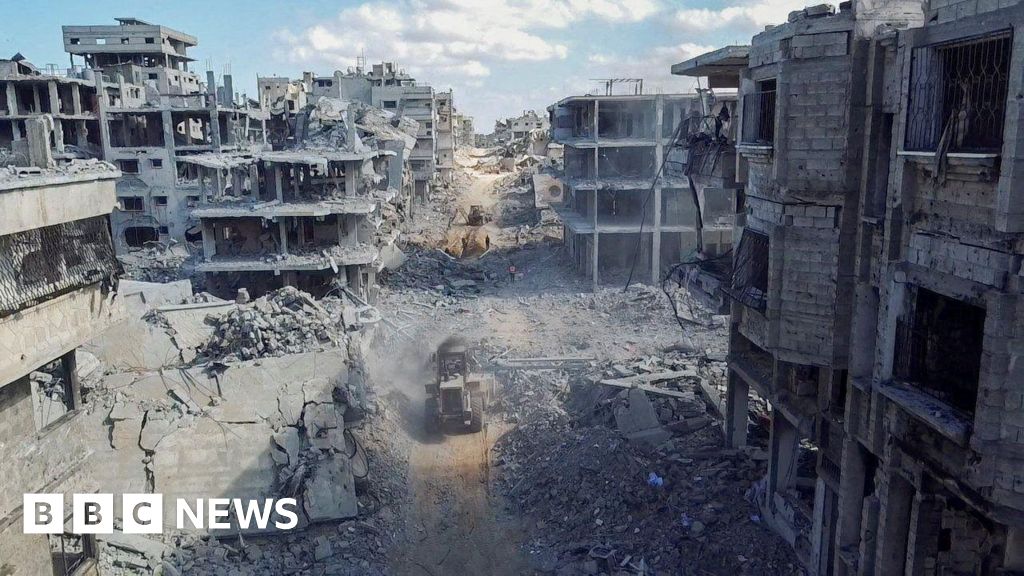
For analysts and international institutions, the lesson is clear: the decisions taken during these turbulent moments echo through decades of history. Miscalculations and staged deceptions risk igniting full-scale conflicts that transform localized violence into broader regional crises. Meanwhile, the humanitarian toll remains staggering, with reports from Gaza’s health ministry indicating over 104 Palestinians killed in a single day since the ceasefire, including many women and children. This human suffering emphasizes how international decisions on security, aid, and diplomacy carve the future of societies, potentially shaping generations to come.
» The Unfolding Conspiracy of War and Peace
As the world watches, the conflict in Gaza continues to morph into a theater of geopolitical chess, where every move is scrutinized for its long-term consequences. The each deception, attack, and peace accord reveals the complex web of interests, alliances, and betrayals that define this volatile region. The fate of countless lives hinges on resolutions that are often as fragile as the ceasefires they aim to secure. As history unfolds its thickening narrative, the question remains—will this cycle of deception and violence finally give way to genuine peace, or will the weight of unresolved grief and distrust plunge the region into renewed chaos? Only time will reveal how this critical juncture in history will be written, but the echoes of today’s decisions are certain to resonate for generations.