Matox News

Truth Over Trends, always!

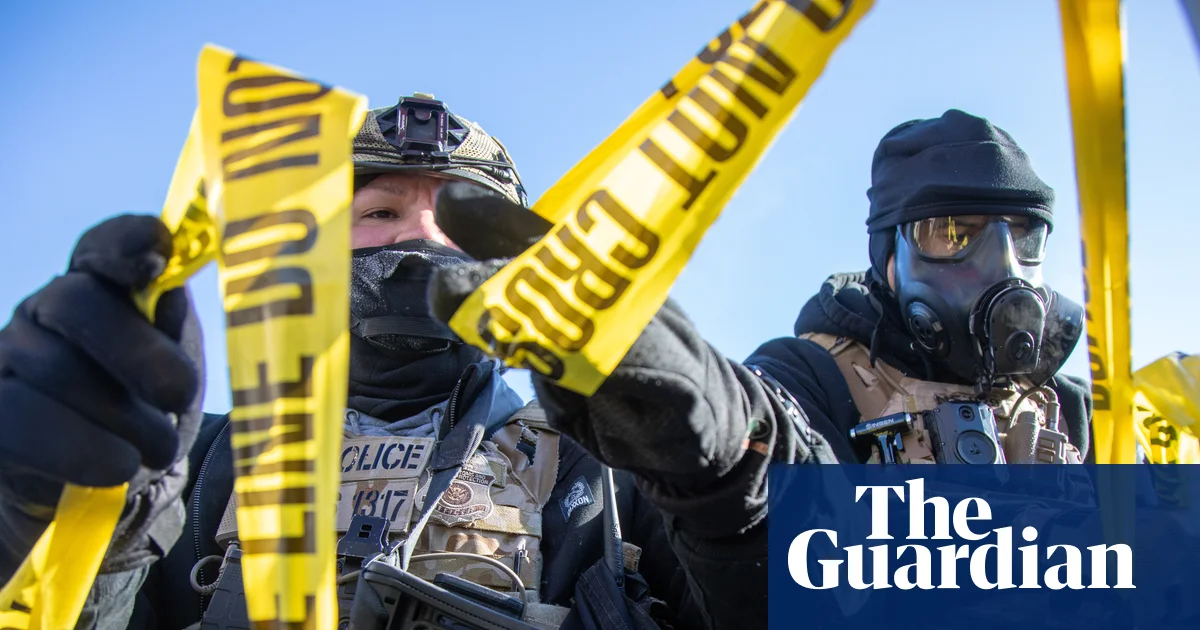
Senator pushes for ICE body cameras to hold agents accountable on patrols

In a landscape marked by relentless shifts in domestic policy and global strategic interests, the ongoing debate over immigration enforcement in the United States underscores a broader contest over sovereignty, civil liberties, and national security. Recently, discussions within Capitol Hill have centered on the future of Immigration and Customs Enforcement (ICE), with Republican and Democratic factions locked in a tension that reflects both internal U.S. political struggles and its implications for international stability. The proposal to equip ICE agents with body cameras, suggested by Senator Ron Johnson of Wisconsin, exemplifies a fragile compromise aimed at appeasing critics while maintaining the continent’s broader immigration objectives.

This debate carries profound geopolitical impact. On one hand, the push for transparency and accountability—such as mandates for body cameras, proper identification, bans on masks, and rules governing use of force—serves as a tactical move to quell domestic unrest and demonstrate a commitment to civil liberties. On the other hand, critics argue that these reforms risk hampering effective border enforcement, potentially emboldening illegal crossings by allowing unchecked activity and exposing agents to targeted violence, as claims of protesters ramming cars and shooting at officers suggest. Historian Dr. David Livingston warns that such internal strife can distort America’s image abroad, complicating relationships with allied nations and destabilizing regional security dynamics, particularly along the US-Mexico border, where migration remains an incendiary topic amidst broader regional crises.

Furthermore, the demands for judicial warrants and restrictions on roving patrols highlight a fundamental ideological clash that goes beyond borders. While Democrats push for reforms designed to limit excessive force and curb abuses, critics like Senator Johnson contend that these procedures threaten the enforcement of migration laws, claiming that they are “sneaky” tactics meant to impede President Trump’s immigration agenda. According to analysts from the International Crisis Group, such internal divisions over law enforcement strategies threaten to weaken the US’s capacity to project control over its borders—an issue that resonates with emerging power struggles globally. As countries like China and Russia seek to fill diplomatic vacuums, Washington’s perceived internal chaos may undermine its influence and credibility, emboldening adversaries eager to challenge the global order.

Meanwhile, the legislative gridlock and the narrow window of continuing funding for homeland security exposes a broader vulnerability. The Senate and upcoming House debates risk turning into symbolic battlegrounds of ideological rivalry, with each side accusing the other of chaos, mismanagement, or unconstitutional overreach. Historians predict that such internal clashes are a precursor to larger shifts in American strategy—either toward a more open, reform-driven approach or a renewed focus on strict border control and military preparedness. The International Monetary Fund and United Nations watchdogs watch closely, aware that the stability of the U.S. is a linchpin of world stability.

As history continues to unfold, the decisions made in Washington will not remain confined within legislative chambers. They will ripple across oceans, influence global alliances, and redefine the balance of power in an era where geopolitical influence is as much about ideologies and borders as it is about military strength and economic might. With each negotiation and protest, the United States stands on a tightrope, its future teetering between chaos and order—a story still being written, with consequences far beyond its shores.
Australia Faces Key Fight Over State Health Funding, Teen’s Body Found After Blue Mountains Camping

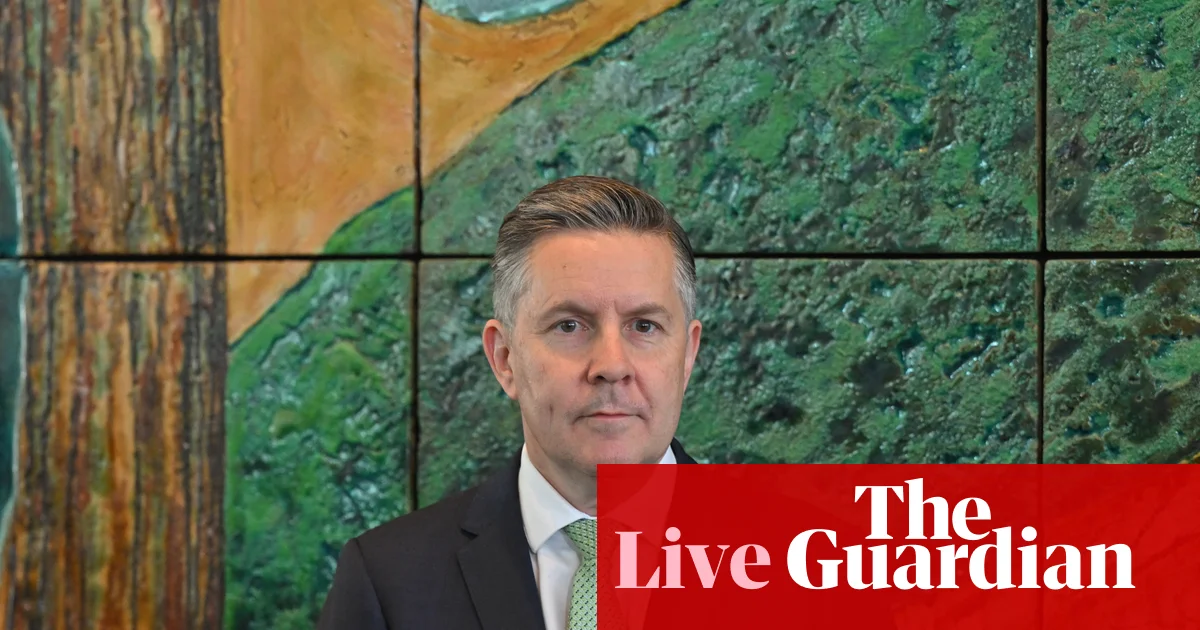
As the global landscape reels with shifting alliances and rising tensions, Australia finds itself at a pivotal crossroads, where internal politics threaten to ripple across the world stage. In the midst of negotiations over critical national issues such as health funding, aged care, and gun control, decision-makers in Canberra are making choices that could redefine Australia’s geopolitical stance for decades to come. Recent reports highlight a flurry of activity in the National Cabinet, as leaders grapple with a complex web of domestic challenges that hold profound implications beyond their borders.

The ongoing negotiations over the health funding deal underscore a larger theme of national sovereignty and resilience. Prime Minister Anthony Albanese and his cabinet are under pressure to secure an agreement that balances fiscal responsibility with the urgent needs of Australia’s health system. The proposed delay in launching new programs, such as the autism intervention under the NDIS, signifies an attempt to buy time in a climate of fiscal strain and political brinkmanship. Such decisions, analysts argue, reflect a broader strategic calculus that may influence Australia’s role in regional security and economic stability, especially as rival powers like China and Russia continue to expand their influence in the Indo-Pacific.

Meanwhile, the alarm over aged care shortages and misuse of funding reveals underlying tensions within Australian society that echo wider global concerns about social stability and human rights. Reports of prolonged wait times—up to 245 days for in-home care—highlight the failure to meet basic societal obligations, sparking sharp criticism from opposition parties and international observers alike. The scandal surrounding the unauthorized use of restrictive practices against NDIS participants exposes a severe failure in safeguarding vulnerable populations, a crisis that echoes similar issues in various Western nations. These domestic failures threaten to undermine Australia’s diplomatic standing, as allies and adversaries alike scrutinize how internal policies shape its commitments to international standards.

Furthermore, the debate surrounding the federal government’s approaching gun buyback scheme exposes the delicate balance of sovereignty and security. Albanese’s push for a comprehensive program costing hundreds of millions faces resistance from regions like Queensland and the Northern Territory, complicating efforts to present a unified front on national security. This internal discord risks emboldening international actors who interpret Australia’s divisiveness as a sign of political fragility—an unintended signal in an era of rising geopolitical instability. As historians warn, such internal divisions could weaken Australia’s capacity to act decisively in regional conflicts and global crises, thereby fostering a perception of vacillation at a time when strong leadership is desperately needed.

Every decision in Canberra resonates beyond its shores, shaping the very fabric of international diplomacy and conflict. Nations watch closely as Australia contends with internal crises that threaten to spill over and influence regional power dynamics. From escalating health crises to security gambits, the choices made by Australia’s leadership may well determine whether the continent remains a pillar of stability or succumbs to internal discord that invites opportunism from rivals. The weight of history presses heavily upon this nation, whose trajectory now hinges on the resolve to prioritize national interests in a world teetering on the edge of chaos. The unfolding saga remains a stark reminder: in the theater of geopolitics, the stakes have never been higher, and the future is written in the decisions of today.

Israel Reopens Gaza Crossings After Confirming Hostage's Body
Israel Reopens Gaza Crossings After Confirming Hostage’s Body

Unfolding Crisis: Israel, Gaza, and the International Stakes

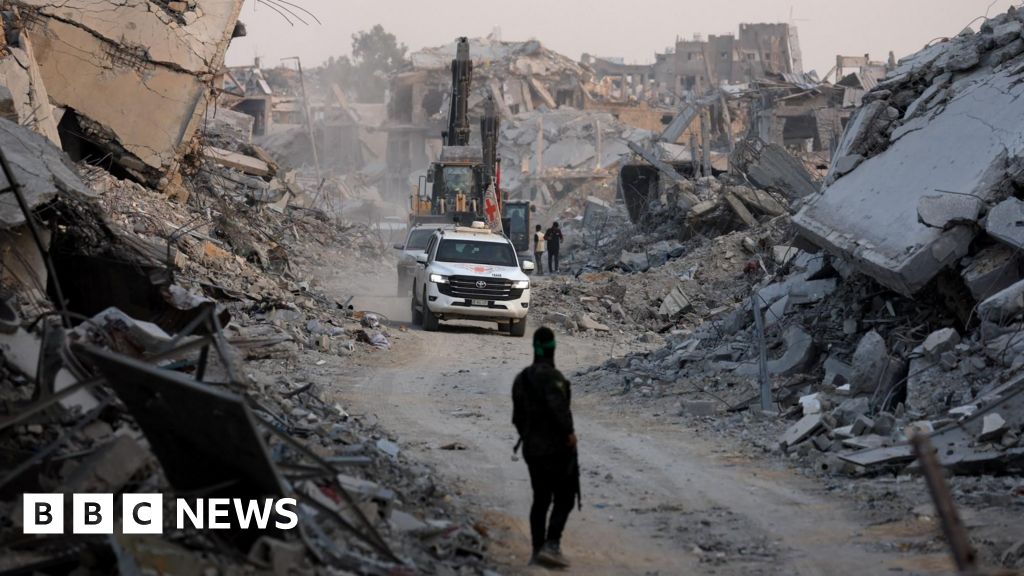
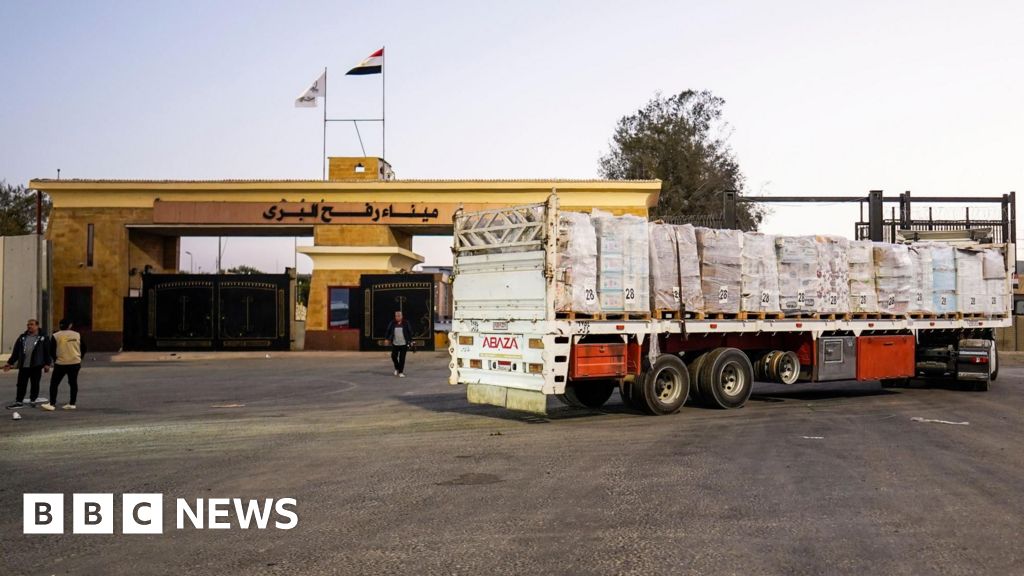
The ongoing turmoil surrounding Gaza and Israel has transitioned into an uncertain period of diplomacy intertwined with military operations. Recent developments reveal that Israel has conditioned the reopening of the key border crossing at Rafah — the critical gateway between Gaza and Egypt — on the retrieval of the remains of Israeli soldier, Master Sgt. Ran Gvili, who has been held captive since the Hamas-led attack of October 7, 2023. According to Israeli authorities, the military has launched focused searches in northern Gaza, including efforts at Gaza City cemeteries, reflecting a broader strategy to solidify leverage over the fragile ceasefire and future negotiations.

This move signifies a turning point in Israel‘s approach to the Gaza conflict, where security concerns have repeatedly overshadowed diplomatic efforts. Prime Minister Benjamin Netanyahu‘s government announced a *limited reopening* of the Rafah crossing for pedestrian traffic, accompanied by comprehensive Israeli inspection mechanisms. Such measures, as reported by Haaretz, include oversight of entry and exit lists and additional screening points along the territory’s Yellow Line, which delineates the area under Israeli control. These stringent controls underscore the prioritization of security over humanitarian access, reflecting the intense pressure on Israeli policymakers amid the ongoing search operations and warfare repercussions.

Global Mediation and the Fragile Peace Process

Meanwhile, international mediators, including U.S. officials led by special envoy Steve Witkoff and Jared Kushner, have intensified diplomatic efforts. Recent meetings with Israel’s leadership signal a push to implement phase two of former President Donald Trump’s peace plan—aiming to establish a new Palestinian government in Gaza, oversee reconstruction, and enforce full demilitarization, including disarmament of Hamas and allied groups. This ambitious agenda remains in jeopardy, as ongoing military operations and deep-seated mistrust threaten to undermine any progress.

The continuation of violence has brought profound humanitarian consequences, with reports of over 71,650 casualties — a figure that highlights the devastating toll on civilians under the Hamas-led military campaign. The Gaza health ministry, controlled by Hamas, provides grim documentation of this human cost, casting a long shadow over the prospects for peace. Such devastation has prompted debates among analysts and historians about whether the cycle of retaliation and blockade can be broken, or if the region is heading toward an inexorable future of conflict.

The Geopolitical Impact and Future Uncertainties

The unfolding events demonstrate how U.S. and European efforts to mediate peace are coupled with realpolitik. The conditional reopening of the Rafah crossing and Israel’s intensified search for Gvili’s remains illustrate a complex negotiation matrix, where security concerns dominate and humanitarian needs are often sidelined. Analysts warn that these military and diplomatic maneuvers could deepen regional instability. Moreover, Egypt’s stance on the border underscores the delicate diplomatic dance, insisting on open movement in both directions to facilitate the return of Palestinians displaced by war. Such demands complicate international efforts and reflect the intricate web of regional interests at stake.

As international organizations, including the United Nations, monitor these developments, historians and geopolitical strategists warn that humanity stands at a crossroads. Will this crisis catalyze meaningful peace, or will it spiral into a prolonged saga of violence and despair? The decisions being made today will echo across generations, shaping the future of the Middle East and testing the resolve of international diplomacy. With each military strike and diplomatic handshake, the weight of history lingers, reminding the world that the path to stability remains fraught with peril and temptation, and that the outcome is still clinging to fragile hope or destructive chaos.

Israel gets Gaza body after Netanyahu vows to bring home 2014 soldier’s remains

The recent developments in the ongoing Israel-Gaza conflict mark a critical juncture in international geopolitics, with profound implications for regional stability and global diplomacy. On Sunday, Israel announced the return of the body of Hadar Goldin, a soldier killed during the 2014 conflict, whose remains had been in custody in Gaza since his death. Prime Minister Benjamin Netanyahu confirmed that Israel expected to receive the remains of a soldier whose body was held by Hamas, signaling a tentative but significant step in the fragile ceasefire negotiations. This gesture is seen, by analysts and international observers alike, as a move that could potentially pave the way for further de-escalation, though lasting peace remains elusive amidst the ongoing violence.

Historically, Hamas’s armed wing has used the retrieval of bodies and hostages as leverage in negotiations, and this latest handover is being closely scrutinized as a turning point. The return of 20 living hostages and 24 deceased, including Lt Goldin, under the first phase of a ceasefire deal, represents a moment of rare diplomatic progress amid the chaos that has engulfed the region for decades. Nevertheless, confidence remains fragile—Goldin’s family and broader Israeli society continue to grapple with the emotional toll, while officials vow to recover all remaining bodies and release more captives. Netanyahu reiterated his resolve: “We have returned 250 so far. We will bring them all back,” underscoring both the national commitment and the complexity of future negotiations.

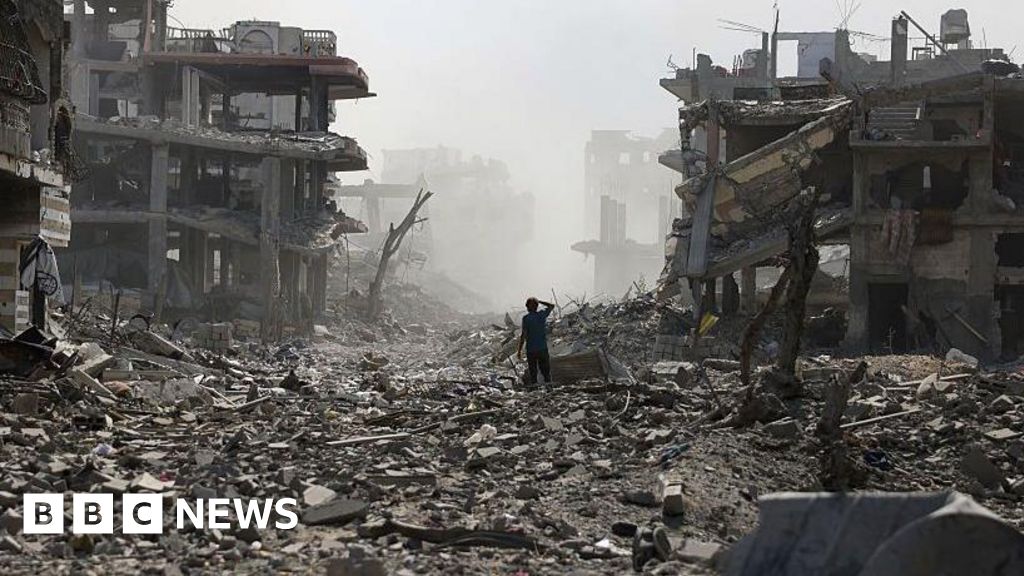
The geopolitical impact of this development transcends borders. The conflict, which erupted anew on October 7, when Hamas-led militants launched a brutal attack killing over 1,200 people in Israel, has led to an escalation of military operations in Gaza. Since then, the Israeli military has reported that at least 241 individuals have been killed, including civilians, amidst a campaign that has resulted in devastating destruction across Gaza. According to figures from Hamas-controlled health authorities, the death toll since the outbreak of hostilities exceeds 69,000. These numbers, contested by various international bodies, speak to the catastrophic human toll stemming from the ongoing conflict. United Nations officials and international analysts warn that the conflict’s expansion risks destabilizing the entire Middle East, igniting sectarian tensions, and threatening global energy markets.

In this volatile climate, the actions and decisions of global institutions and key nations will determine whether the region can transition from war to peace, or spiral further into chaos. The compromise of releasing hostages and bodies demonstrates a rare diplomatic triumph, yet it must be contextualized within the broader scope of regional hostility. Historians and foreign policy experts warn that unresolved underlying grievances— territorial disputes, political fractures, and ideological divisions— continue to underpin the violence. The recent exchange signifies that, despite setbacks and entrenched animosities, the path toward diplomacy remains a critical, if fragile, corridor. As Russia, Iran, and the United States stand watching, each move in this unfolding drama will ripple across continents. Their decisions—whether to escalate or seek peaceful resolution—will echo through generations. For now, the fragile ceasefire offers a brief reprieve, a moment of clarity amid chaos, but the unresolved wounds of history carry the weight of an uncertain future, leaving the world on the edge of a precipice, watching as the chapters of this ongoing story are written in blood and hope alike.

Israel receives purported Hamas coffin with Gaza hostage's body, says group
Israel receives purported Hamas coffin with Gaza hostage’s body, says group

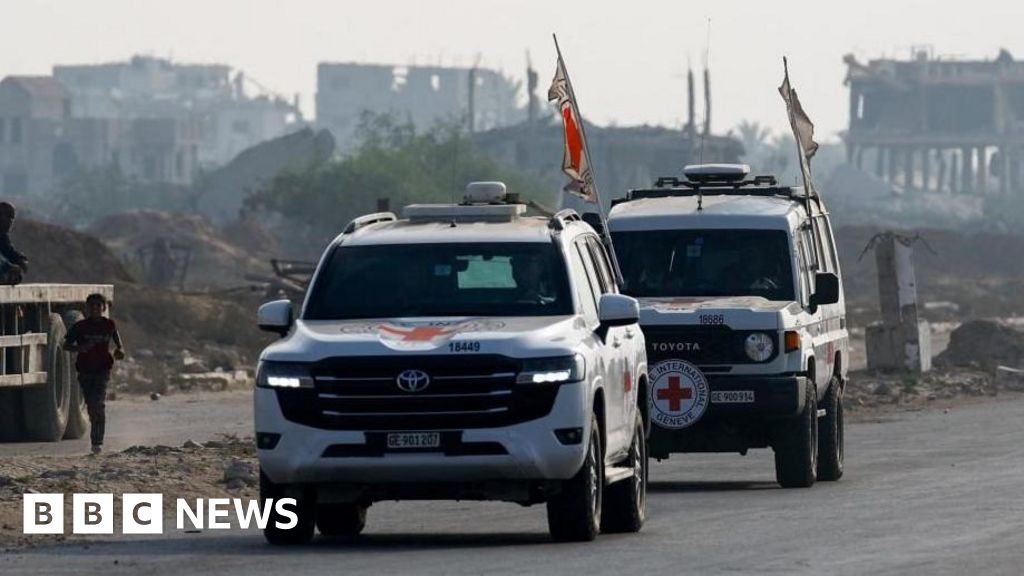
The ongoing conflict between Israel and Hamas has entered a new, unsettling chapter as recent developments reveal the grim reality of war’s toll on human lives and geopolitical stability. Reports confirm that Israel has received a coffin via the Red Cross, ostensibly containing the remains of a hostage believed to be deceased, according to the Israeli prime minister’s office. This development underscores the fragile progress—or lack thereof—in the broader context of the ceasefire agreement mediated by the United States, which aimed to de-escalate the violent escalation that began with Hamas’s brutal attack on Israel in early October. The transfer of remains to Tel Aviv’s National Centre of Forensic Medicine signifies an ongoing quest for accountability amid an environment riddled with mistrust and political motives that complicate recovery efforts.

Hamas’s military wing claimed to have recovered the body of an Israeli soldier in Gaza’s eastern Shejaiya neighborhood—an area still under __territorial control of Israeli forces__. Israel, on its part, accuses Hamas of intentionally delaying the return of hostages, both dead and alive, despite commitments made during the US-brokered ceasefire. The agreement stipulated that Hamas would release 20 remaining hostages and return 28 others within 72 hours—a promise that remains unfulfilled, fuelling accusations of bad faith. The complex negotiations reflect how these diplomatic efforts are deeply intertwined with the legacy of ongoing conflict, where each side contends over images of humanity and the perceptions of moral responsibility.

While Israel successfully secured the release of all its civilian hostages on 13 October in exchange for 250 Palestinian prisoners and 1,718 detainees in Gaza, the situation remains volatile. Israel has also handed over the bodies of 270 Palestinians, including those of two foreign hostages—one from Thailand and another from Nepal—in a grim exchange that highlights the human cost of this entrenched confrontation. The death toll on Gaza’s side exceeds 68,800, according to Gaza’s Hamas-run health ministry, underscoring the catastrophic scale of the ongoing military campaign. Historians and analysts warn that these levels of casualties could irrevocably shift regional dynamics, sowing deep-seated resentment that might seep into generations.

In this chaotic mosaic of international crisis, the geopolitical impact is clear: the conflict’s escalation threatens to destabilize broader regional alliances, challenge global diplomatic efforts, and threaten the fragile balance of Middle Eastern peace. Israel’s military actions have provoked condemnation but also garnered support from key allies, reaffirming its defensive stance. Conversely, Hamas’s rhetoric continues to galvanize its supporters, asserting that their actions are acts of resistance against occupation and oppression. As military strikes ripple into northern Gaza, with reports of civilians killed in areas like Jabalia, the world witnesses the horrifying human cost of unresolved conflicts that have persisted for decades. In the shadow of this unfolding tragedy, international observers ponder whether the tide of chaos can be stemmed, or if this chapter will become only the latest in a long and tragic saga of regional destabilization. The pages of history are still being written, and the world holds its breath before the inevitable next act of this enduring conflict.

Israel receives body claimed by Hamas as Gaza hostage

The ongoing conflict in Gaza has once again thrust the volatile Middle East into the global spotlight, revealing the profound impact of international decisions on regional stability and societal futures. Recent reports confirm that Israel has received a coffin through the Red Cross reportedly containing the remains of a deceased hostage held by Hamas. This exchange, while seemingly a small gesture amid ongoing violence, symbolizes the complex and deeply entrenched struggle between Israel and Palestinian factions—a struggle that continues to shape geopolitical realities for neighboring nations and global actors alike.

According to official statements, the coffin will soon be transported to Israel for DNA testing, aiming to identify the remains conclusively. This development has elevated tensions, with Israel accusing Hamas of violating the ceasefire deal by withholding the bodies of all hostages, a charge denied by Hamas, which insists it is committed to the agreement brokered by the US, Egypt, Qatar, and Turkey. These diplomatic efforts, fragile as they are, underscore the international community’s desperate attempt to manage and de-escalate a conflict that has already devastated more than 68,000 lives, according to Hamas’s health ministry, in what some analysts describe as a modern-day catastrophe with historic consequences.

  • The recent exchange of hostages and remains—where 20 living hostages were released for hundreds of Palestinian prisoners—highlight the brutal human toll and the political leverage wielded by both sides.
  • The limited progress in recovering and identifying remains reflects complications rooted in the terrain alteration caused by recent military campaigns, complicating search efforts and fueling accusations of inaction and betrayal.
  • Critics, including family representatives and international observers, warn that the failure to fully resolve hostage issues risks further destabilization, threatening to escalate into broader regional conflict and undermining peace negotiations.

As historians and analysts scrutinize this latest chapter, they warn of a dangerous pattern: each act of violence and each diplomatic setback solidifies the narrative of a society caught in cycles of retaliation, spawning a political environment where the possibility of lasting peace remains elusive. Gaza and its people stand at the heart of this geopolitical storm, their future dictated by decisions made in distant capitals and influenced by a mix of strategic interests, ideological divides, and the persistent desire for sovereignty and security. The international community, meanwhile, faces mounting questions about its role and effectiveness—whether as mediators or passive spectators—amidst the unfolding tragedy.

Looking ahead, the specter of unresolved hostage issues and ongoing violence leaves the region at a perilous crossroads. The fragile ceasefire teeters on the brink of collapse, with each side accusing the other of breaches and violations. Whether the current diplomatic efforts can forge a meaningful path toward peace remains to be seen, but one thing is clear: this is a chapter in history where the choices made today will resonate for generations, shaping the geopolitical fabric of the Middle East and the global order at large. The weight of political miscalculation and human suffering hangs heavy, as the world watches a conflict where the stakes extend beyond borders—into the core of what it means for nations and societies to find justice amid chaos.

Kenyan Airport Closes as Youths Gather in Massive Welcome for Ex-PM's Body
Kenyan Airport Closes as Youths Gather in Massive Welcome for Ex-PM’s Body

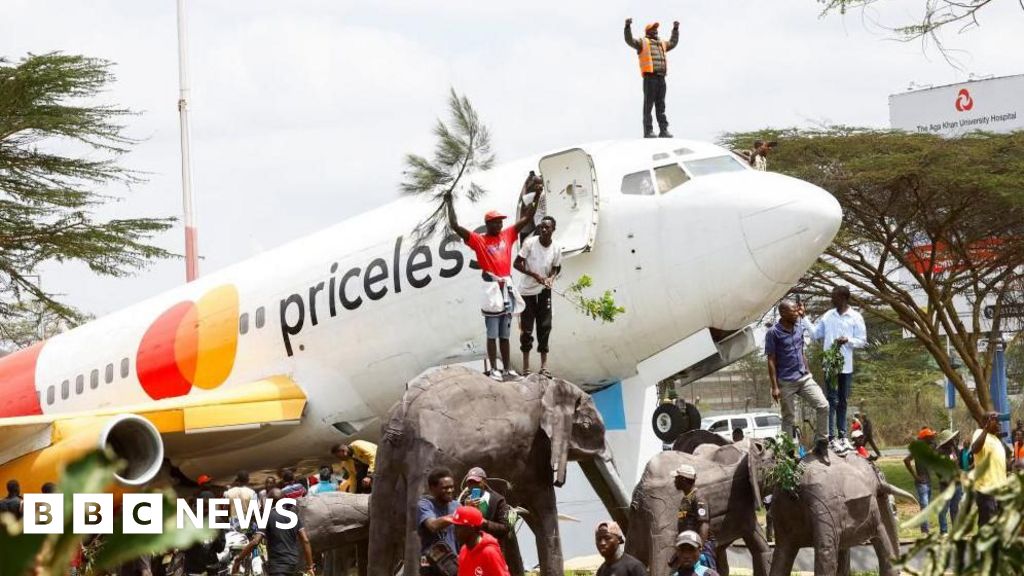
In a dramatic turn that has gripped Kenya and reverberated across the African continent, the nation is currently grappling with the loss of Raila Odinga, a towering figure in Kenyan politics. His death in India at age 80, following a cardiac arrest, marks not just the end of a political era but signals an imminent shift in the nation’s political landscape. Thousands of Kenyans gathered in mourning, breaching security at Jomo Kenyatta International Airport to receive his body—a clear indication of the deep emotional and political connection Odinga commanded. Authorities had to suspend operations at the airport amidst the chaos, illustrating how his influence transcended politics, resonating with the very fabric of Kenyan society.

This unprecedented turnout underscores Odinga’s role as a unifying yet contentious figure whose politics mirror the nation’s complex identity struggles. Recognized internationally, Kenyan officials and world leaders have poured out condolences, with Indian Prime Minister Narendra Modi hailing Odinga as a “towering statesman” and “a cherished friend of India.” Such sentiments highlight his diplomatic significance and the enduring bonds between Kenya and many nations, especially in a global environment increasingly marked by geopolitical competition and shifting alliances. Back in Kenya, President William Ruto—who now inherits Odinga’s political mantle—praised him as a “beacon of courage” and the “father of our democracy.” A seven-day mourning period and a state funeral with full military honors further cement Odinga’s legacy, setting the stage for his influence to continue shaping national policies and societal outlooks.

The circumstances surrounding Odinga’s death expose the delicate internal dynamic within Kenya. Despite his repeated presidential campaigns—losing five times—his persistent opposition work made him an icon of resilience, inspiring millions and challenging entrenched political structures. The decision to move his public viewing from Parliament to Nairobi’s Moi International Sports Centre responds to the extraordinary national outpouring, indicating his widespread impact. International analysts suggest that such a response reflects Kenya’s own internal tensions—balancing tradition with the revolutionary fervor of its youthful population—while demonstrating the power of a leader who, despite setbacks, remained a symbol of hope and resistance.

As global institutions monitor this moment, the geopolitics of Africa faces a major crossroads. Odinga’s death comes at a time when Russia and China are increasingly vying for influence across the continent, while the United States seeks to sustain its strategic partnerships. His political journey embodied the struggle of balancing domestic democratic aspirations with external geopolitical pressures, a challenge faced by many emerging nations in the 21st century. What Kenyan society chooses next could serve as a bellwether for regional stability and the future of democratic governance across Africa. As history’s pages turn, the weight of Odinga’s legacy presses heavily upon the nation. His life—marked by resilience, opposition, and unyielding dedication—becomes a chapter in the unfolding narrative of a continent on the cusp of transformation. The question now is whether Kenya will forge a new path inspired by his ideals or succumb to the turbulence that has long defined its political landscape, leaving the world to wonder: who will shape the next chapter of this historic story?

Sali Hughes on Beauty: Top Velcro Rollers for Bold Body and Bounce — Elevate Your Hair Game

The Resurgence of Velcro Rollers: A Beauty Trend Redefining Style

In an era dominated by high-tech hair gadgets and relentless beauty innovation, Velcro rollers are making an unexpected comeback, proving that sometimes, the simplest tools are the most revolutionary. Once relegated to the backstage of vintage salons, these rollers are now at the heart of a trendy hair revival among youth and beauty aficionados seeking a quick, damage-free way to craft voluminous, lively styles. Influenced by iconic stylists like Sam McKnight, whose background includes creating celebrity-worthy, bouncy dos, the trend underscores a broader cultural shift towards authenticity and simplicity in beauty routines.

What makes Velcro rollers more than just a nostalgic throwback is their resonance with the contemporary desire for effective, damage-conscious styling. Influencers and beauty experts like Sali Hughes emphasize how these rollers can effortlessly lift roots and add natural movement without exposing hair to extended periods of heat, which often causes significant damage — a concern echoed widely among the young generation wary of long-term hair health. The recent reintroduction of the “Big Set,” a kit comprising 18 various-sized Velcro rollers and a retro-futuristic thermal bonnet, highlights a deliberate counterculture movement: rejecting over-complicated devices in favor of straightforward, sustainable hair care methods.

Social platforms have played a pivotal role in amplifying this trend, with beauty influencers showcasing their own roller routines, emphasizing the social relevance of embracing traditional techniques in modern, fast-paced lifestyles. Top lists from trend analysts pinpoint that ‘less is more’ is becoming a guiding principle, as young consumers gravitate towards products that favor ease, portability, and versatility. For instance, a set of Self Grip Rollers, priced at just £12, provides an instant upgrade to flat or lifeless hair, hinting at a broader embrace of DIY culture alongside eco-conscious values. These tools fit seamlessly into busy schedules, allowing the wearer to craft polished looks in the time it takes to enjoy a morning coffee, further cementing Velcro rollers’ social relevance in youth culture.

The cultural impact runs deep, extending beyond mere aesthetics. As sociologists note, this trend encapsulates a desire for self-sufficiency and authenticity, echoing a collective urge to reconnect with more tangible, less digital styles. The narrative becomes even more compelling when considering influencers championing these methods, blurring the lines between vintage appreciation and contemporary cool. Hair expert Sam McKnight illustrates that effective styling doesn’t necessarily require high-tech contraptions, but rather the right attitude and tools — a powerful message in today’s era of social media-driven perfectionism. As the trend grows, the crucial question arises: could this revival be a sign of a future where digital saturation gives way to a preference for tactile, proven techniques? The next chapter in this story might define whether the true beauty revolution hinges on simplicity or technological innovation.

Top Body Pillows of 2025: The Ultimate Youth-Focused Review

Revolutionizing Rest: How Innovation Is Disrupting the Sleep Industry and Shaping Business Strategies

In an era defined by rapid technological advancement, innovative sleep solutions exemplify how disruptive technologies are reshaping consumer markets. Companies like Pillow Cube and Leacho are pioneering personalized, support-focused sleep products that challenge traditional pillow and mattress manufacturing. This shift underscores a broader industry trend where customer-centric design, driven by AI and material science, offers unparalleled support, comfort, and health benefits wired directly into mainstream sleep technology.

Notably, Pillow Cube has introduced a side-sleeper-specific pillow that emphasizes innovation in ergonomic support. Instead of generic, weighty memory foam mattresses, the company leverages breathable AeroPluff foam and modular design to address individual needs—a clear disruptor to the conventional one-size-fits-all approach entrenched in the industry. Similarly, Leacho offers the versatile Snoogle, a multi-shape, customizable pregnancy pillow that epitomizes consumer-driven innovation. Such products are not only redefining comfort but also heralding a new era where tailored support and temperature regulation become key competitive advantages.

The implications for business are profound: companies that leverage emerging technologies such as advanced foam composites, adaptable shapes, and breathable textiles are gaining a competitive edge. Industry giants like Gartner are already emphasizing the importance of “smart materials” and personalized health data in future product development, revealing a market trajectory favoring disruptive innovation over incremental improvements. These advancements signal a shift toward *industry realignment*, where traditional manufacturers risk obsolescence if they do not adopt flexible, support-oriented designs rooted in science and technology. Market disruption is accelerating as startups focus on user-specific solutions, challenging entrenched players to innovate or fade into irrelevance.

However, not all products will survive this wave of innovation. For example, conventional head pillows made largely from memory foam or traditional polyester fillings are increasingly seen as inadequate. As MIT researchers highlight, fill type—supportive, breathable, and adaptable—is crucial for consumer satisfaction, especially for sleep-optimizing devices. The market’s pivot toward materials that promote airflow, support, and temperature regulation underscores an urgent need for companies to innovate or face declining relevance. The era of one-dimensional sleep products is waning, replaced by a dynamic landscape demanding agility and technological integration to meet evolving consumer expectations.

Looking ahead, the industry faces a pivotal moment where **disruption is inevitable**. The integration of AI, IoT-enabled customizations, and advanced materials will catalyze new business models centered around personalized health and sleep optimization. Companies that harness these trends—like Pillow Cube and emerging startups—are positioned to redefine market standards. Industry leaders such as Elon Musk and Peter Thiel have long emphasized the importance of innovation as a foundation for future prosperity, and the sleep industry is no exception. The urgency for established players to pivot toward science-driven, user-focused fabrications is underscored by the rising market share of disruptive entrants.

As we look toward the future, the message is clear: **those who leverage innovation, disruption, and business agility now will define the next era of sleep technology**. The market is ripe for bold moves—unmatched customization, advanced materials, and integration with health data promise not only better sleep but also a competitive edge that could lead to industry dominance. The clock is ticking on traditional sleep solutions, and the window for meaningful transformation is closing fast. Forward-thinking companies must act swiftly—because the future belongs to the innovators willing to challenge industry norms and embrace a new frontier of support and comfort.

Social Media Auto Publish Powered By : XYZScripts.com