Matox News

Truth Over Trends, always!

TechCrunch Mobility: Bold Move, No Hostility – The Future of Mobility Looks Different

In the rapidly evolving landscape of transportation technology, autonomous vehicles (AVs) and electric mobility stand at the forefront of a disruptive wave that promises to overhaul traditional industry paradigms. Recent developments highlight how pioneering companies are leveraging breakthrough innovations to challenge incumbents and reshape economic opportunities. Notably, Luminar, a leader in lidar technology, is embroiled in a dramatic internal power struggle that could have far-reaching implications for the autonomous vehicle sector. The bid by Austin Russell, Luminar’s founder and former CEO, to acquire the company underscores an ongoing narrative of disruption from within, as visionary entrepreneurs seek to redefine competitive advantage amid tumultuous boardroom politics.

Russell’s return to the scene with a new venture, Russell AI Labs, signals a strategic pivot that could catalyze industry-wide innovation. The proposed bid involves acquiring or merging with other automotive tech entities, hinting at a broader trend of consolidation and diversification aimed at accelerating autonomous and sensor technology integration. This move coincides with key market shifts, as Gartner and other research institutions emphasize the importance of business model agility for AV success. Companies willing to disrupt entrenched supply chains and pivot toward value-driven services will dominate the next decade, with startups like Russell AI Labs poised to challenge established giants.

Simultaneously, the electric aviation sector exemplifies how disruption extends beyond ground mobility. Lilium, once considered a disruptor in vertical takeoff and landing (VTOL) aircraft, has transitioned its assets to Archer Aviation after ceasing operations. The acquisition of all 300 patents for €18 million underscores a strategic move driven by a desire to capitalize on legacy tech and optimize urban air mobility. While the industry is still embryonic, this deal exemplifies the potential for patent consolidation as a weapon against incumbent transportation giants, actively shaping urban mobility’s future.

  • Emerging startups like Airbound and Dexory are receiving significant funding—$8.65 million in seed capital and $165 million in Series C, respectively—highlighting investor confidence in automation and logistics innovation as markets mature and infrastructure demands escalate.
  • International expansion continues unabated, with Pony.ai and WeRide gaining regulatory approval to list on the Hong Kong Stock Exchange, signaling a burgeoning Chinese presence in global autonomous markets.

As the industry accelerates, *strategic partnerships* are becoming vital. Stellantis’ collaboration with Pony.ai aims to deploy robotaxis across Europe, threading together traditional automakers’ market reach with cutting-edge AV software—setting a precedent for legacy automakers to embrace disruption proactively. Meanwhile, automakers like Stellantis are reorienting their investment strategies; despite betting big on AVs, Stellantis plans to scale back electrification investments in favor of strengthening manufacturing capacity—highlighting a broader industry tension between supply chain resilience and innovation acceleration. Furthermore, companies like Waymo exemplify the trend of international expansion, with plans to operate robotaxi services in London, and strategic collaborations such as with DoorDash, to explore driverless delivery solutions—an indicator of the industry’s push toward multifaceted mobility ecosystems.

The future belongs to those who move fast and innovate relentlessly. With regulatory landscapes shifting rapidly, technological advances accelerating, and bold entrepreneurs pushing boundaries, the industry is poised for transformative change. Stakeholders who understand the importance of disruption, strategic agility, and disruptive business models will shape the mobility of tomorrow. The race is on, and incumbents who hesitate risk ceding their market dominance to new wave innovators. For investors, policymakers, and technologists alike, one thing is clear: the time to be bold and adapt is now. The next few years will define the trajectory of transport, and those who act decisively will reap the rewards in the decade ahead.

Ex-GTA Boss's Bold Vision Falls Flat in £200m Failure
Ex-GTA Boss’s Bold Vision Falls Flat in £200m Failure

Global Industry Crisis Highlights Geopolitical Shifts and Societal Impacts

In a striking display of how the cutthroat world of technology and video game development intersect with international power dynamics, recent events in Scotland underscore a broader narrative of industry instability and societal upheaval. The downfall of Build a Rocket Boy (Barb), a rising star in the gaming universe led by renowned ex-Rockstar Games figure Leslie Benzies, exemplifies the precarious balance between innovation and chaos in an increasingly competitive global landscape.

Critics initially heralded Barb’s ambitious project, MindsEye, as a potential flagship of Europe’s burgeoning gaming hub. Yet, the game’s disastrous launch—littered with bugs, performance issues, and broken promises—has triggered a wave of industry introspection. According to analysts, this failure is more than a singular setback; it signals a broader shift in the international gaming industry and tech investments. International organizations warned that such collapses threaten to undermine regional economic prospects and regional influences in the digital economy, especially as foreign investors and governments take note of internal mismanagement and lackluster results.

Decisions and Discord: The Tech Realm’s Reflection of Global Power Struggles

Amid the turmoil, former employees and industry commentators highlight a pattern of poor leadership, mismanagement, and internal conflicts that have profound geopolitical implications. The studio’s internal struggles, especially around the alleged “knee-jerk” decision-making and micromanagement by Leslie Benzies—whose reputation as a gaming pioneer was eclipsed by reports of toxic work culture—mirror the broader decline in trust towards leading Western tech corporations. The allegations of “internal and external” sabotage, alongside the heavy layoffs and union disputes, echo concerns raised by international watchdogs about corporate governance and transparency in digital industries.

The staff’s candid revelations about their frustration with top-down decisions and their accusations of dismissing worker feedback resonate with wider concerns about the decline of autonomous innovation and worker rights. Historians note that such internal chaos within major firms can precipitate a shift in global influence, as emerging markets and non-Western tech hubs seek to capitalize on Western industry’s leadership vacuum. Meanwhile, the European Union and other international bodies are stepping up efforts to regulate and influence the digital space, with some analysts warning that instability in key players like Barb could accelerate a decentralization of technological power.

The Future of Innovation and the Weight of History

As Losses mount—more than £200 million over four years and hundreds of jobs evaporate, the shadow of lost potential looms large over Scotland’s tech sector and beyond. Industry veterans warn that such failures threaten to erode the credibility of regions aspiring to lead in the next wave of technological transformation. The story of Barb, a company once celebrated for its visionary ambitions, is now a stark reminder that vision without discipline and accountability often leads to collapse. The external forces and internal turmoil continue to shape a future where innovation cannot be divorced from governance and societal responsibility.

In the echoes of this story, the weight of history persists—reminding us that nations and societies stand at a crossroads. The choices made in boardrooms and government chambers today will echo through generations. As the industry grapples with its failures, the lesson remains crystal clear: the true power of technology is rooted in its ability to uplift societies or plunge them into chaos. The unfolding narrative, still written in the digital sands of Redrock City and beyond, holds a warning: the future belongs to those who can learn from the past, lest the tide of history sweep us into uncharted depths.

Ex-Lidar Chief Makes Bold Move to Take Back Control

Emerging Disruption in Lidar Technology and the Future of Autonomous Vehicles

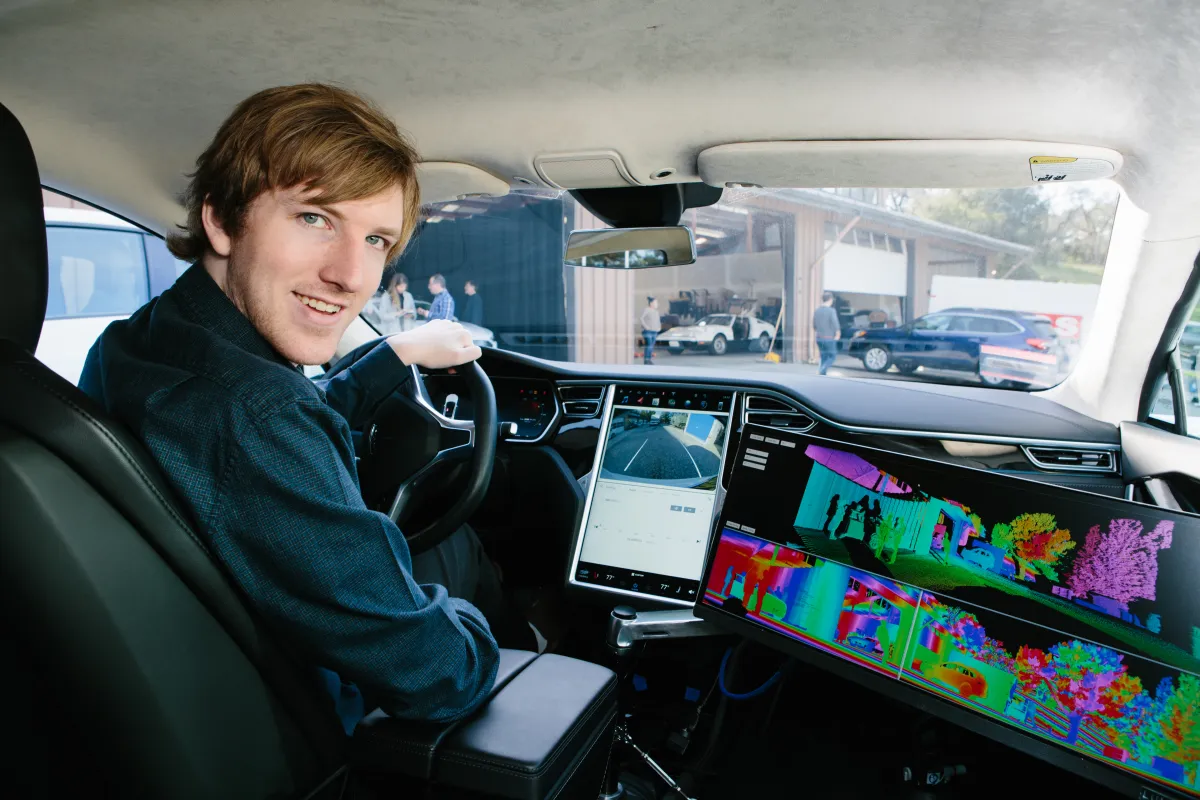
Recent developments in the autonomous vehicle sector underscore the relentless pace of innovation and disruption driving this high-stakes industry forward. Luminar Technologies, a leading name in lidar sensor manufacturing, faces a turbulent period following the unexpected departure of its founder and CEO, Austin Russell. The 30-year-old billionaire’s abrupt resignation earlier this year, amid an ethics investigation, sent shockwaves through the automotive tech landscape. Now, Russell is leveraging his entrepreneurial acumen to regain influence by launching a new venture aimed squarely at advancing lidar technology—a critical component of self-driving car systems.

In September, Russell co-founded a new enterprise alongside Markus Schaefer, CTO of Mercedes-Benz Group AG, and Murtaza Ahmed, a former managing partner at Softbank. This high-profile collaboration highlights a strategic shift that signals a broader industry pivot. By aligning with major automotive OEMs and top-tier investment firms, Russell’s startup is positioned to challenge incumbent providers like Luminar, which has encountered financial headwinds—including several layoffs and the threat of delisting from the NASDAQ. The move exemplifies how disruption is not limited to technological innovation but extends into reimagining business models and corporate governance at the core of emerging mobility ecosystems.

The landscape of lidar technology is rapidly evolving, with recent analyses from institutions like Gartner emphasizing its critical role in autonomous vehicle development. Innovations in sensor design, data processing, and AI integration are creating a competitive battleground where established players are pressured to sustain pace or risk obsolescence. Key features fueling this disruption include improved range, enhanced resolution, and reduced manufacturing costs, enabling scalable deployment for next-generation AV fleets. These advancements could catalyze a new era, democratizing access to autonomous mobility and forcing traditional automotive giants to rethink their strategies. As Elon Musk and other industry pioneers have warned, technology races like these have the potential to redefine the global automotive order in just a few short years.

The implications for automakers and investors are profound. The challenge now involves balancing innovation with financial stability, especially as market volatility and regulatory hurdles persist. For startups like Russell’s new venture to succeed, they will need to demonstrate not only technological supremacy but also sustainable business models that attract long-term capital. The industry’s trajectory suggests that those who can integrate cutting-edge lidar solutions with broader intelligent transportation systems could dominate the future mobility landscape. This is a critical moment—a defining juncture where future-forward companies are poised to reshape the automotive ecosystem and redefine what is possible with autonomous tech. Stakeholders across sectors must remain vigilant and agile, capitalizing on this disruptive wave to achieve strategic advantage.

As the industry hurtles toward what some analysts call a technological inflection point, the urgency of embracing innovation is clear. The next decade will reveal whether these startups can translate groundbreaking ideas into scalable, mainstream solutions that revolutionize transportation. For investors, policymakers, and tech entrepreneurs alike, the message is unmistakable: the race to dominate the future of mobility has begun, and only those willing to push boundaries and challenge assumptions will thrive in the new era of autonomous driving.

Florida Couple Targeted: Suspects Use Apple AirTag to Track and Ambush in Bold Attack

The Cultural Impact of AirTags: From Convenience to Controversy

In today’s fast-paced and interconnected society, technology companies continue to develop tools that shape our daily lives. Among the latest innovations, Apple’s AirTag stands out as a game-changer in personal item tracking, promising unparalleled convenience for the average user. With a simple attachment to personal belongings, users can now keep tabs on everything from keys to luggage, blending seamlessly into a lifestyle rooted in efficiency and security. This shift in behavior underscores a broader societal craving for control and peace of mind in an increasingly unpredictable world.

However, as with many technological advancements, the cultural impact of AirTags has extended beyond their initial purpose. The viral stories emerging from their misuse reveal a darker side: they are now being exploited for nefarious purposes. Recent reports from Florida highlight a disturbing trend where individuals use AirTags to stalk or track others without their knowledge, revealing a potential social rift. In a shocking incident, a Tampa couple was targeted by suspects who planted an AirTag on their SUV, tracking them to their home. The suspects then attempted an abduction at gunpoint before fleeing when an alarm was triggered. Such incidents have prompted public debates about privacy and security, reflecting a societal tension between innovation and the potential for misuse.

The Shift in Social Behavior and Norms

The escalating concerns about unwanted tracking highlight an urgent need for awareness. Apple’s efforts to educate users—through alerts and step-by-step guides—signal a recognition that technology’s social relevance is growing. For example, iPhone users are advised to activate location services, Bluetooth, and notifications to be alerted if an unknown AirTag is detected nearby. Android users are similarly encouraged to enable their own tracker alerts, emphasizing the shift in societal responsibility toward individual digital security. This evolution in user awareness demonstrates a societal acknowledgment that technological empowerment must go hand-in-hand with heightened vigilance.

Moreover, influencers and watchdogs on social media are amplifying these messages, encouraging young people to stay informed. Notable privacy advocates argue that these trends are not merely about gadgets but are central to understanding the social contract in a digital age. Sociologists suggest that this new awareness marks a cultural shift—from passive consumers of tech to active guardians of their own privacy. As tech companies continue to innovate, society’s collective behavior is echoing a need for ethical considerations and accountability—a move that could reshape future tech design and usage norms.

The Future: A Balancing Act

Where does this leave us? The narrative seems to be moving towards a delicate balancing act: innovation that enhances our lives without crossing into the territory of intrusion. The emergence of tracking misuse prompts a pressing question: will future advancements in personal technology prioritize privacy and ethical safeguards or continue to prioritize convenience at any cost? The next big question is whether society will leverage this awareness to push for stronger regulations and responsible design, or if the urge for convenience will outweigh concerns for individual rights.

As this debate unfolds, one thing remains clear: the technology we embrace today will inevitably shape the social norms of tomorrow. Young users, in particular, must ask themselves—are we crafting a future where innovation and privacy coexist, or are we unknowingly paving the way for a society where unseen eyes are always watching? The rise of AirTags may seem ordinary now, but the story they tell about our values and priorities could define the next chapter in the digital age.

Thursday’s Must-Know: French Cabinet Shake-Up, Bold Naked Cyclists & the Heroic Pup | Life & Style

In an era where lifestyle shifts and personal impact take center stage, the way we engage with entertainment, technology, and even wellness is transforming rapidly. From the nostalgic allure of legendary artists like Kate Bush to the latest innovations in corporate security, today’s cultural landscape reflects a dynamic intersection of tradition and innovation. It’s not just about passing time; it’s about embracing a lifestyle that fuels inspiration and personal growth, even amid the fatigue of modern life.

Consider the cultural phenomenon of the Thursday news quiz, a digital tradition that taps into youthful curiosity and the desire for wellness through knowledge. It challenges participants to stay informed with playful questions — from the number of Academy Awards won by venerable actresses like Katharine Hepburn to a quirky, yet impactful protest by naked cyclists in Portland. This quiz isn’t merely about trivia; it embodies a lifestyle of continuous learning. Through engaging with such content, young minds find a space for sharp wit, cultural awareness, and even a bit of rebellion against the mundane, fostering a sense of ownership over their lifestyle and self-improvement.

Meanwhile, the way wellness is evolving is embodied in developments like the biometric access control system at a Manhattan skyscraper — an embodiment of technological integration with personal privacy considerations. The push towards embracing cutting-edge tech doesn’t merely enhance convenience; it represents a commitment to personal security and health in the digital age. Wellness experts like Dr. Daniel G. Amen advocate for deliberate tech use, emphasizing that balanced integration can empower us without compromising privacy or mental well-being. These shifts highlight an essential truth: living intentionally with technology can elevate one’s lifestyle, making health and leisure not just possibilities but everyday realities.

Ultimately, life is about the journey—a constant interplay of discovery, resilience, and embracing the new while respecting the roots. Whether it’s celebrating a heroic dog like Hendrix, who led a rescue in Florida, or finding inspiration in an artist like Kate Bush, whose music fuels charitable acts, the narrative remains clear: a lifestyle rooted in curiosity, adaptability, and purpose leads to a more vibrant, well-lived life. As these stories interweave, they remind us that our personal impact—health, leisure, knowledge—is a reflection of our willingness to engage with the world authentically. It’s a pursuit that, ultimately, turns daily living into an ongoing story of empowerment and inspiration.

Trump kicks off first phase of Egypt deal, signaling bold new move

In a significant milestone for Middle Eastern geopolitics, US President Donald Trump along with other key world leaders convened in Egypt to sign the groundbreaking first phase of a ceasefire agreement in Gaza. This diplomatic breakthrough follows a period marked by intense violence, hostages, and longstanding tensions. The summit, hosted by Egypt’s President Sisi, was carefully orchestrated to serve as a turning point—an effort to forge a new path toward peace in a region historically plagued by conflict. The agreement’s signing marked a notable moment, not just for the immediate ceasefire, but for what analysts argue could be a foundation upon which a broader peace process might be built.

The symbolism was palpable. Trump posed proudly in front of a banner reading “Peace 2025,” signifying a forward-looking vision that aims to secure stability over the coming years. During the summit, Trump, Sisi, Qatar’s Emir Tamim bin Hamad Al Thani, and Turkey’s President Erdogan all signed the document, explicitly endorsing the initial phase of peace. The gathering’s optics signaled a rare moment of international consensus on the necessity of renewing dialogue in a tumultuous region that has endured decades of conflict. The involvement of key players exemplifies a recognition that international cooperation remains crucial for the stability of the Middle East, and that only through unified effort can progress be achieved.

Furthermore, the release of Israeli hostages and Palestinian prisoners prior to the signing could be seen as a pragmatic step toward de-escalation—an acknowledgment that confidence-building measures are essential for any meaningful peace. As historians and international analysts point out, this phase could set a precedent, emphasizing that even amidst enduring conflicts, diplomacy remains an indispensable tool. The United Nations and various international organizations have cautiously welcomed the progress, highlighting that the road ahead remains fraught with challenges. Yet, this effort demonstrates that the collective will of regional and global powers can, at least temporarily, override the divisions that have long defined the landscape.

The geopolitical impact of this development extends far beyond Gaza. The outcome may influence U.S.-Middle Eastern relations, reshape alliances, and impact broader regional stability. Countries such as Turkey and Qatar, often viewed as regional mediators, are positioning themselves as pivotal stakeholders in a peace process that could redefine traditional power balances. For Israel and the Palestinian Authority, this is a moment of immense hope and uncertainty alike—an opportunity to build on momentum or risk slipping back into cycle of violence. As the international community watches closely, experts warn that real peace will depend on sustained negotiations and tangible changes on the ground.

Yet, history has shown that the path to peace in the Middle East is seldom straightforward. The looming question remains whether this first phase signifies a true turning point or merely a fragile pause in a long-standing saga. As the dust settles on the summit, the world’s gaze remains fixed on a region where each decision—each handshake and promise—could rewrite the narrative of conflict. The future of the Middle East holds its breath, as the weight of history continues to unfold with every diplomatic gesture, every scrap of hope offering a glimpse of what could be, if only the will persists.

Italian legend makes bold new statement—look at this unexpected transformation!

Italy, the cradle of the Renaissance and a symbol of timeless artistry, is embracing a new chapter of rejuvenation and innovation that resonates with today’s shift toward wellness and experience-driven travel. In Florence, the home of masterpieces like Michelangelo’s David, recent renovations are not just about aesthetics—they are about redefining how visitors engage with history, art, and culture. The €3 million upgrade of the Accademia Gallery exemplifies a broader movement in Italy’s cultural scene: transforming venerable institutions into vibrant, interactive spaces that prioritize both aesthetic brilliance and energy efficiency.

The centerpiece of this artistic renaissance is the reimagining of Michelangelo’s David. Thanks to an advanced lighting system installed recently, the statue’s marble surface now unveils details previously hidden in shadows or under dull lighting. As Lucia Lazic, a guide with intimate knowledge of the gallery, recounts, “A few days ago, I noticed muscles I’d never seen before—the lighting here truly illuminates the work’s dynamism.” This upgrade has not only elevated the visual experience but also highlighted the fine chisel marks that define Michelangelo’s mastery—a testament to the power of thoughtful lighting design. The new system, which mimics natural sunlight and shifts subtly throughout the day, allows visitors to see the statue in different lights, each revealing new facets of this iconic masterpiece.

But this revitalization reaches beyond David; it’s a signal that Italy’s cultural landmarks are evolving into multidimensional experiences. The gallery’s interiors have been repainted with hues that accentuate the artwork, from a vivid blue in the Sala del Colosso to pale greens in medieval rooms—colors carefully selected to complement the historic art. Furthermore, modifications to the Gipsoteca—the plaster cast gallery—now include modern amenities such as air conditioning and improved layout, transforming what was once a hurried-through space into a leisurely sanctuary for art lovers. Such changes reflect a cultural shift where wellness and mindful engagement with history are becoming central to the tourist and local experience alike. Noted cultural curator Dario Franceschini points out that these renovations are “an important step in bringing the Accademia into the 21st century,” blending tradition with a contemporary approach that prioritizes visitor comfort and engagement.

  • Visit during different times of the day to see the changing light on David and other artworks.
  • Participate in cultural events to experience the gallery beyond just viewing.
  • Respect the enhancements that honor, and not disturb, the integrity of these ancient works.

This approach underscores a broader philosophy within Italy’s cultural strategy: preserve its heritage while making it accessible and lively for new generations. The renovation projects have been lauded for their energy-efficient solutions, which cut electricity use by approximately 80%, aligning with global efforts to sustain cultural preservation in an environmentally responsible manner. As museums become dynamic hubs for learning and leisure, they serve as a reminder that art and history are not static but living, breathing elements of our daily lives. The Florence renovations symbolize this beautifully: a fusion of craftsmanship and innovation, respect and renewal.

As one gazes upon Michelangelo’s David now illuminated in new light, the experience transforms from mere observation into a personal revelation—an invitation to reflect on how embracing change can illuminate the enduring spirit of human achievement. The journey of cultural renewal, much like life itself, is continuous, urging each visitor to see with fresh eyes and discover hidden stories etched in stone and pigment. As Italy invites us into its stories and masterpieces, perhaps the greatest lesson lies in the understanding that history’s beauty is elevated through thoughtful reinvention, inspiring the next generation to carry its legacy into a bright, modern future.

Gaza Ceasefire Live: Israeli Hostages to Be Freed Amid Trump’s Bold Call for 'War's End' — Trump Heads to Middle East
Gaza Ceasefire Live: Israeli Hostages to Be Freed Amid Trump’s Bold Call for ‘War’s End’ — Trump Heads to Middle East

The recent developments surrounding the ceasefire agreement in Gaza mark a pivotal moment on the international stage, poised to reshape the geopolitics of the Middle East. With mediating nations set to sign a binding guarantee in Egypt during an unprecedented summit, the world watches as several key players attempt to forge a fragile path toward peace amid ongoing conflict. Notably, the countries involved—namely the US, Egypt, Qatar, and likely Turkey—highlight the collective effort to stabilize a region historically plagued by instability. This diplomatic choreography underscores the significance of international cooperation, especially as all eyes are now fixed on how these decisions will influence societal shifts across affected nations.

At the heart of the diplomatic surge lies the unfolding drama in Israel, where Prime Minister Benjamin Netanyahu has publicly acknowledged the delicate hope for a new beginning. Yet, underlying this outward optimism are warnings from analysts and historians who caution about the entrenched security challenges that persist. As the ceasefire holds, experts warn that the campaign against militant factions remains far from over. Meanwhile, Donald Trump has left the US for the Middle East, claiming “the war is over” as he boards Air Force One to address the Knesset, further emphasizing U.S. involvement—an intervention that has historically influenced the balance of power in the region for decades. Such moves inevitably stir debates about external influence and sovereignty, affecting societal perceptions worldwide about interventionism, national security, and the prospects of lasting peace.

The human toll of this ongoing conflict remains staggering, with the Gaza health ministry reporting at least 67,806 Palestinians killed and over 170,000 injured since October 2023. The civilian casualties, many of whom are women and children, spotlight the devastating human cost that fuels global concern and complicates diplomatic negotiations. Meanwhile, aid agencies are rushing supplies into Gaza, in line with the ceasefire terms, to quell the humanitarian crisis. But the real geopolitical impact extends beyond immediate relief—these humanitarian efforts are often intertwined with political agendas, influencing international perceptions and, potentially, future resolutions. As Palestinians return to Gaza City amidst widespread destruction, the societal fabric of the region faces a long road toward rehabilitation and reconciliation, with each political act echoing through the battered streets and shattered lives.

In this complex tableau of diplomacy and warfare, the forthcoming peace summit in Sharm el-Sheikh becomes more than just a meeting—it is a defining moment that could pivot the entire narrative of the Middle East. Attended by leaders from more than 20 countries, it aims to seal a lasting ceasefire and set the stage for rebuilding. Yet, skepticism persists among analysts who observe that, historically, such summits often fall short of their lofty promises. As the region waits, and societies brace for uncertainties ahead, the unfolding story remains a testament to the perilous dance of diplomacy, the persistent shadows of conflict, and the weight of history that will decide whether this chapter marks a true turning point or a temporary pause on an unresolved crisis. The struggle for peace, after all, is a marathon—not a sprint—and the world must remain vigilant as history continues to unfold its decisive final acts.

Lehane’s Challenge: Navigating OpenAI’s Bold New Frontier

OpenAI’s Quest for Disruption Treads a Fine Line Between Innovation and Ethical Controversy

OpenAI continues to redefine the artificial intelligence landscape through groundbreaking innovations, yet behind the scenes, it faces mounting questions about ethical boundaries and societal impact. During a recent Elevate conference in Toronto, insiders observed a company grappling with contradictions—striving to lead a technological revolution while contending with concerns over misuse, energy consumption, and legal intimidation tactics. The company’s push for disruptive AI tools, such as advanced video generation systems, underscores its commitment to innovation but also raises alarms about sustainability and morality.

Technological progress driven by OpenAI’s models demonstrates an unprecedented merger of utility and power. From generic chat assistants to hyper-realistic deepfakes, the innovations threaten to redefine the very fabric of digital communication. While experts like Gartner and MIT recognize AI as a catalyst for economic modernization, critics warn that these breakthroughs could be detrimental if deployed irresponsibly. AI’s energy footprint—particularly for high-intensity tasks like video synthesis—poses a formidable business challenge, requiring massive energy inputs that could exacerbate climate concerns. As exemplified by recent estimates, AI operations can consume gigawatts of energy weekly, with comparable figures cited from China’s recent nuclear build-up. This reality compels a re-evaluation of AI’s sustainability while solidifying the necessity for a competitive energy infrastructure, especially for democratic nations vying to lead the AI race.

Corporate Strategies and Legal Battles Signal a Shift Toward Coercion and Control

Amid the innovation, OpenAI finds itself embroiled in controversy over its aggressive legal tactics against critics. When nonprofit advocate Nathan Calvin was served a subpoena as he discussed AI policy at the California legislature, it exposed a darker aspect of the company’s strategy—weaponizing legal influence to silence dissent. Critics argue that these actions hint at a broader effort to consolidate AI dominance through intimidation, potentially stifling opposition from academia, regulators, and independent voices. Such heavy-handed tactics could undermine the company’s credibility, especially among a growing base of younger tech consumers who value transparency and corporate responsibility.

This internal conflict is echoed by startling admissions from senior staff. As reported by TechCrunch, high-level employees like Josh Achiam openly questioned whether OpenAI’s trajectory risks transforming it into a “frightening power” rather than a “virtuous” leader—an admission that signals a profound crisis of conscience from within. This internal discord highlights an industry-wide reckoning: are the benefits of AI innovation worth the societal costs and ethical dilemmas it creates?

Future Outlook: The Race to AI Supremacy Is a Call to Action

The narrative unfolding around OpenAI signifies a pivotal moment for the tech industry. With its race toward artificial general intelligence (AGI), the stakes have never been higher—not only in terms of technological dominance but also global influence over energy policies, regulatory frameworks, and societal norms. Industry analysts argue that the company’s strategies—be they energetic resource investments or legal maneuvering—are setting the tone for how AI will integrate into daily life. As Elon Musk and others caution about unchecked AI power, the question remains: will OpenAI and its competitors manage to balance innovation with responsibility? Or will the pursuit of disruptive tech threaten to spiral into a new era of corporate overreach and societal upheaval?

The contemporary landscape demands urgent attention from policymakers, business leaders, and technologists alike. The window to shape a responsible AI future narrows, and as skeptics and advocates clash, the global community must act decisively. The coming years will determine whether this technological revolution elevates humanity or ensnares it in unforeseen consequences—making it imperative that innovation is paired with ethical vigilance and strategic foresight.

Nine Bold Lessons from Victoria Beckham’s Docuseries: Why We Had to End the Wag Era

The Beckhams continue to demonstrate that their social influence extends far beyond footballs and pop lyrics into the realm of lifestyle and societal trends. Their recent public appearances and candid moments reveal more than just celebrity gossip — they signify a larger shift in how the modern elite approaches personal branding and social relevance. Victoria Beckham’s increasingly curated habits, from her exclusive choice of drinkware to her carefully orchestrated public image, underscore a move toward a calculated minimalism that resonates strongly with today’s youth. Gone are the days of cluttered kitchen cabinets filled with questionable novelty mugs; instead, Victoria seems to embrace a less-is-more ethos, sipping from sleek sippy cups and monogrammed glass straws, signals of a subtle yet deliberate redefinition of luxury and authenticity.

This behavior highlights a bigger societal trend among the young, affluent, and aspirational — a push toward authenticity, simplicity, and personalized branding. Influencers like Kim Kardashian and Harry Styles have popularized a style of self-presentation that aligns with this shift, emphasizing curated minimalism and individual expression over ostentation. For sociologists and analysts, such as Dr. Lisa Buchanan, this transition indicates a broader cultural pivot: the image of effortless, almost mundane luxury that speaks to a generation eager to reject excess but still crave exclusivity. Victoria’s subtle walk-through of her daily rituals—such as her strategic positioning beside David for camera optics or her choice to “bury her boobs” for sleek elegance—emphasize her mastery at blending high fashion with relatable authenticity. This is an era where celebrity is crafted through nuanced behavioral cues.

And let’s not overlook her cultural power plays. Her interactions with legendary designers like Donatella Versace and media icons such as Anna Wintour serve as deliberate signals of her influence and credibility within the fashion world. Even her unconventional fashion choices — like her decision to customize her wardrobe by shortening dresses or altering runway pieces — challenge traditional notions of authority in the industry. Meanwhile, her home life, including a £70,000 investment in plants and the construction of a mansion dubbed “Beckingham Palace”, showcases how her identity now extends into her personal habitat as an extension of her brand. These seemingly superficial details actually function as social signals, reinforcing her status as a mogul who can blend lifestyle trends with cultural authority.

Yet, beneath the polished veneer lies a compelling question: as Victoria and David continue to navigate their personal narratives — from playful teasing about modestly-sized “magnificent” assets to tearful tears over fashion mentorship — we are left to wonder what the next evolution of this celebrity lifestyle will be. Will the rising generation of young influencers and entrepreneurs embrace this curated simplicity as a new form of luxury? Or are these carefully constructed images destined to be replaced by authentic, raw expressions that challenge the very notion of celebrity as a constructed identity? The future of celebrity lifestyle trends remains a fascinating conversation — one that blurs the line between authentic individuality and calculated social positioning. As we watch Victoria Beckham redefine elegance, the core question for tomorrow’s tastemakers might just be: how much authenticity can this curated minimalism sustain in a world obsessed with genuine connection?

Social Media Auto Publish Powered By : XYZScripts.com