Matox News

Truth Over Trends, always!

Why the Case Against Bolton Is Different from Trump's Political Attacks
Why the Case Against Bolton Is Different from Trump’s Political Attacks

U.S. Justice System at Crossroads: Indictment of Former National Security Adviser Bolton Sparks International Debate

The recent indictment of John Bolton, former national security adviser to President Donald Trump, has ignited an international debate over the integrity and political impartiality of the U.S. justice system. Unlike earlier cases against figures like James Comey and Letitia James, which many critics argued were politically motivated, Bolton’s charges have raised eyebrows across the geopolitical landscape. Legal experts and analysts contend that this case potentially signals a shift towards more traditional, rigorous prosecutorial standards, especially given the serious nature of allegations involving mishandling classified information.

Historically, charges involving classified documents have been a rarity at the highest levels of government, making Bolton’s indictment a noteworthy departure from recent precedent. Prosecutors allege that he improperly retained and transmitted top-secret material—some stored via insecure means such as AOL email—and that he did so over an extended period. During his court appearance, Bolton pleaded not guilty to 18 counts, with some legal scholars suggesting that the evidence against him might be stronger than the cases previously brought against Trump or Biden. Officials argue that the procedures employed follow strict protocol, highlighting that the process might reflect a more impartial application of justice, regardless of political implications.

The geopolitical impact of this development extends beyond the courtroom. It signals to allies and adversaries alike that the U.S. is willing to hold even its own senior officials accountable for misconduct. As international organizations analyze this trajectory, many see it as a possible indicator that the era of selective justice—favoring political allies—may be waning. Former prosecutors emphasize that a conviction will require proving Bolton’s knowledge of the classified nature of the documents and his intent to mishandle them, focusing on legal norms that have often been glossed over in the politically charged past.

This case comes amidst broader international shifts where geopolitical tensions are intensifying, especially as countries like China and Russia seize opportunities amid the shadows of U.S. internal turmoil. Many analysts warn that such internal conflicts threaten to weaken America’s global standing, as critics argue that partisan battles over justice undermine coherence in foreign policy. Conversely, proponents contend that pursuing accountability at the highest levels bolsters America’s commitment to the rule of law, a move that could bolster its international reputation in the long view. As the world watches, the unfolding drama underscores the continuing struggle for domestic legitimacy and international credibility.

In the echo of history, this case reflects a pivotal chapter in the ongoing saga of American politics and justice. Will it serve as a warning to those in power that no one is above the law, or just another chapter in an era where political loyalties determine fate? As analysts debate the strength of the evidence and the fairness of the process, the weight of history’s gaze remains fixed on Washington. The decision made in courtrooms today will ripple across nations, shaping narratives about justice, power, and the enduring tension between the rule of law and the perils of partisan influence—an unfolding chapter in the grand story of a nation still striving to define itself amidst the tumult of global change.
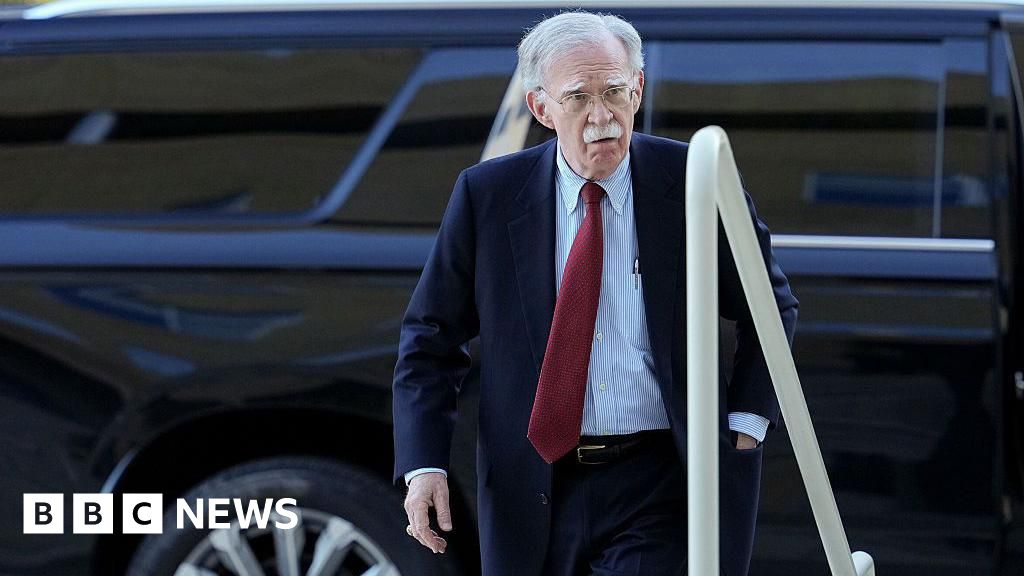

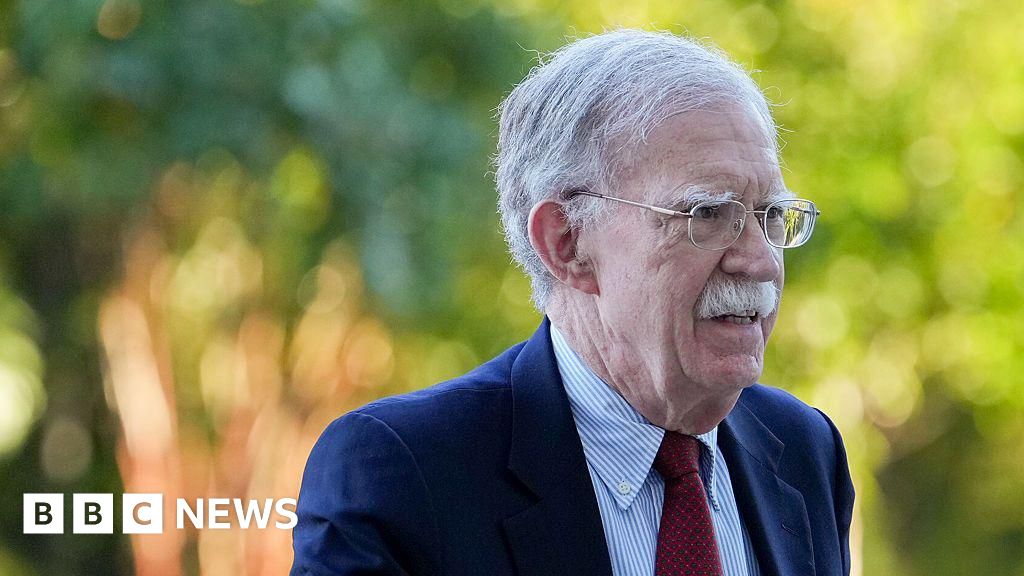
Former Trump adviser Bolton turns himself in over leaked classified info

In a move signaling a stark escalation in
the ongoing legal battles surrounding political figures in the United States, John Bolton, the former national security adviser to President Donald Trump, has surrendered to federal authorities on charges related to mishandling classified information. This development marks a significant chapter in the erosion of political norms and a deepening of partisan divides that threaten the fabric of American democracy. Bolton, a controversial figure who parted ways with the White House bitterly and publicly criticized Trump, now finds himself at the center of a high-profile legal controversy that could have profound geopolitical impact.

The indictment alleges that Bolton utilized personal messaging apps and email to transmit sensitive intelligence, revealing future attack plans, foreign adversaries’ strategies, and foreign policy negotiations—acts prosecutors argue constitute illegal conduct. Such revelations, if proven true, threaten the delicate international balance of security cooperation and risk exposure of classified information to hostile nations. The case underscores the increasingly contentious environment surrounding national security in the digital age, with experts warning that these developments could ripple beyond domestic politics, impacting global stability. Historians and international analysts alike point out that the mishandling or reckless disclosure of intelligence not only jeopardizes the safety of citizens but complicate diplomatic relations with key allies and adversaries alike.

Further, Bolton’s case has broader implications within the context of U.S. internal conflict and the weaponization of justice. Bolton’s lawyer, Abbe Lowell, dismissed the charges as part of a pattern seen in recent years, claiming that “many public officials throughout history kept diaries—that is not a crime.” However, critics contend that the Justice Department’s actions demonstrate a dangerous precedent where political rivals are targeted to undermine their influence, especially in a time when the country is polarized like never before. As international organizations scrutinize America’s internal stability, the case raises urgent questions about the rule of law and the limits of political accountability. Analysts argue that how the U.S. handles Bolton’s case could influence its global image—whether as a beacon of justice or a nation mired in political vendettas.

Adding further complexity, allegations of cyber attacks linked to
the Islamic Republic of Iran reveal that espionage and cyber warfare continue to be prime tools for hostile nations trying to influence U.S. political and security landscapes. The potential hacking of Bolton’s accounts underscores the broader threat posed by state-sponsored cyber operations, which increasingly target top officials in major powers —a development condemned by security experts worldwide. This attack highlights the perilous intersection of technology and geopolitics, where the security secrets of nations can be compromised with alarming ease, thus threatening international peace and stability. Many analysts warn that these cyber threats are a prelude to a new form of diplomatic warfare, demanding urgent international cooperation but also exposing the vulnerabilities of democracies grappling with pervasive digital espionage.

As the world watches, the trajectory of this internal U.S. saga will resonate far beyond its borders, casting shadows over global diplomatic relations and shaping the legacy of an American political landscape fractured by controversy. The headlines are only beginning to unfold, yet their echoes threaten to define an era—one marked by power struggles, evolving technology, and the relentless march of history’s worst conflicts. Future generations will remember whether the United States, once a symbol of stability, was consumed by internal strife or rose to redefine justice amidst chaos. As the courtroom doors close on Bolton’s legal battle, the larger question remains: how will this chapter be written in the annals of history, and what lessons will it hold for the world to follow?

Social Media Auto Publish Powered By : XYZScripts.com


