Matox News

Truth Over Trends, always!

Chinese dance troupe’s Australia tour sparks bomb threat targeting PM

Threats Against Australian Leadership and the Shifting World Order

In a startling escalation of internal security threats, reports have emerged that organizers of a controversial performance were instructed to cancel their events or face far graver consequences — specifically, explosive attacks targeting Prime Minister Anthony Albanese’s residence. This alarming development underscores the persistent volatility in domestic security, as well as the broader implications for international stability and sovereignty. The incident echoes troubling patterns globally, where extremist factions leverage violence to influence political landscapes, often with unintended consequences for national security and diplomatic relations.

Security agencies in Australia have responded swiftly, condemning the threats while reaffirming their commitment to protecting the nation’s leaders. Experts and international observers suggest such threats are symptomatic of broader ideological conflicts fueled by external players seeking to sway political outcomes. Historically, terrorist groups and radical factions have targeted prominent political figures to destabilize governments or send symbolic messages. As noted by regional security analysts, this pattern aligns with recent trends where threats are not merely isolated acts but components of complex geopolitical games involving proxy conflicts, ideological battles, and influence operations. These developments come at a time when Australia finds itself increasingly entangled in global strategic shifts, particularly amidst rising tensions between Western alliances and authoritarian rivals.

The incident also raises concerns about how societal divisions and partisan conflicts can be exploited by extremists to foment unrest. The Australian government’s proactive stance underscores the importance of safeguarding democratic institutions from internal threats masked as ideological expressions. Meanwhile, international organizations, such as INTERPOL, continue to monitor similar threats worldwide, warning that violence against political leaders could escalate if root causes remain unaddressed. Historically, such threats have not only endangered individual lives but also served as catalysts for policy shifts—sometimes leading to harsher security laws or, conversely, societal divisions that threaten cohesion.

The weight of history is clear: when violence targets the core of national leadership, it signals a deeper crisis that reverberates through international borders. As nations grapple with internal radicals, the geopolitical impact inevitably influences diplomatic relationships, especially with allies concerned about regional stability.* The decision by the threat actors to attempt attacks at Albanese’s residence reveals a disturbing intent to send a message—one that echoes through the corridors of power, warning that no leader is immune. In such turbulent times, the world watches as the pages of history are written, ominously reminding us that these moments are more than isolated incidents—they are reflections of a shifting global landscape where the lines between domestic dissent and international chaos blur, leaving societies to grapple with the uncertain future that lies ahead.


Albanese evacuated from official Canberra residence after bomb threat—stay vigilant!

Australia Under Threat: A nation at Crossroads of Security and Stability

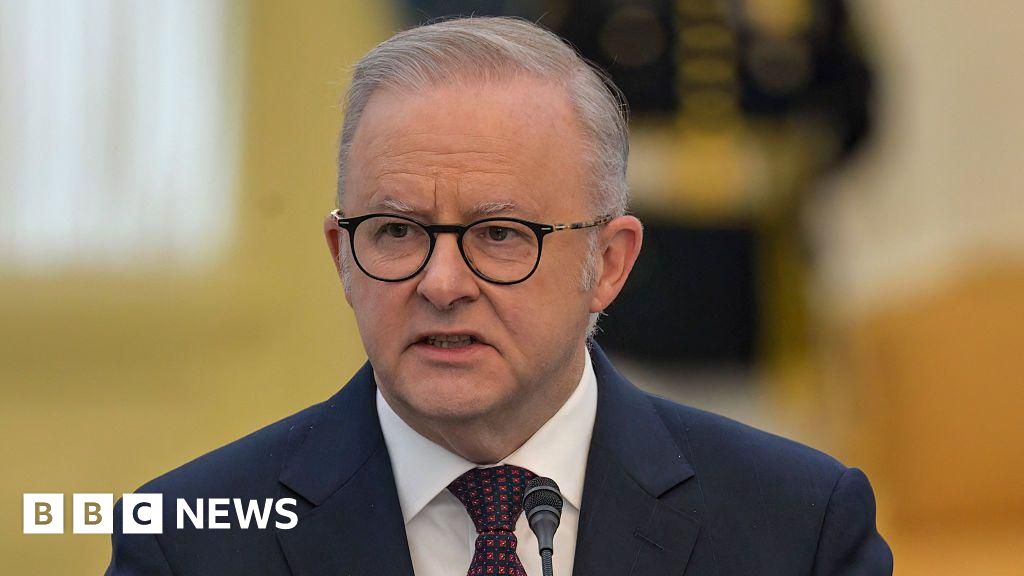
In a chilling reminder of the volatile landscape modern democracies face, Prime Minister Anthony Albanese was evacuated from The Lodge in Canberra late Tuesday evening following a serious bomb threat. The incident, which prompted police to relocate the prime minister to an undisclosed safe location, underscores the mounting security challenges confronting Australia amid its increasingly turbulent political climate. While authorities assured the public that no explosive devices were found after a thorough search, the event signals a disturbing escalation in threats directed at Australian government officials and institutions, casting a shadow over national stability.

Security experts and analysts have observed a notable uptick in threats against elected officials and prominent figures within the Commonwealth. Australians are witnessing the consequences of rising grievances fueled by online radicalization, societal division, and ideological extremism. Since late last year, authorities have charged over 20 individuals linked to violent threats targeting politicians, Jewish community members, and other public officials. According to Australian Federal Police commissioner Krissy Barrett, this disturbing trend reflects a broader pattern of individual grievance transforming into tangible danger. Even as the government boosts security measures, including the deployment of specialized national security investigation teams, the threat persists, revealing cracks in the nation’s defenses.

International Ramifications: How Threats in Canberra Echo Globally

This incident in Australia isn’t isolated; it resonates within a broader international context where political stability is increasingly fragile. Global institutions like The United Nations and regional alliances are watching closely as nations grapple with internal unrest, violent extremism, and rising populism. Analysts warn that these threats domestically could destabilize governments, strain diplomatic relations, and even embolden extremist groups to deepen their influence across borders. The rise of online radicalization, as noted by security officials, fuels a dangerous cycle—what begins as a threat in the digital realm can quickly materialize into violence, threatening the fabric of democratic societies worldwide.

Furthermore, the shift in threat perceptions suggests a critical turning point in international security protocols. Some experts argue that conventional law enforcement strategies are increasingly insufficient against modern guerrilla tactics, requiring a reevaluation of military, intelligence, and diplomatic responses. The United Nations and NATO, for example, continue to emphasize the importance of coordinated efforts to counter ideological violence and protect societal values from erosion. In this turbulent epoch, the decision of nations to fortify political resilience will significantly influence their capacity to withstand these threats—how they choose to respond could set precedents for generations to come.

Reflecting on History and Shaping the Future

Historically, periods of political upheaval have often been catalysts for societal transformation—sometimes for the better, often at a terrible cost. As historians like Friedrich Hayek and George Orwell have warned, the erosion of civil liberties under the guise of security can lead to authoritarianism if not checked. Today’s events in Australia serve as a stark reminder of the delicate balance between security measures and preserving democratic freedoms. The international community’s response and willingness to confront these threats head-on could define the trajectory of global stability in the decades to come.

As Australia confronts its internal crises and as other nations grapple with similar threats, the words of history’s keen observers echo louder: the weight of history is pressed into the present, and the decisions made now will shape an uncertain future. Will this be the moment humanity chooses resilience over fear? Or are we marching toward an age where security measures undermine the very freedoms they seek to protect? The answer depends on the resolve of nations—and the choices they make when faced with the shadows of history’s recurring dark chapter.

Police Catch Suspect in DC Pipe Bomb Case, Wrap Up Long Search

The recent arrest of Brian Cole Jr, a 30-year-old man from Virginia, marks a pivotal breakthrough in the ongoing quest for justice surrounding the infamous 2021 Capitol riot. The FBI’s airtight investigation, stretching over two years, underscores both unwavering law enforcement resolve and the dangerous undercurrents of political violence seeping into the corridors of American power. Authorities confirmed that Cole was apprehended without incident early on Thursday, yet the case’s implications ripple beyond the borders of the United States, signaling a decisive moment in the global fight against domestic extremism.

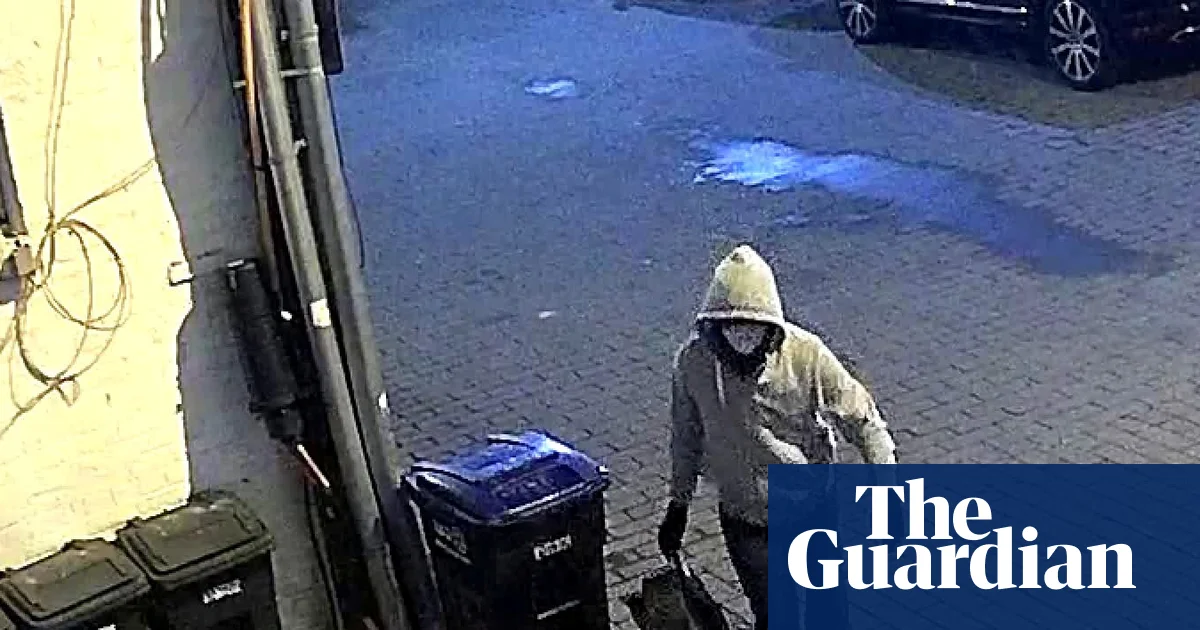
While the details of Cole’s motives remain under seal, the evidence assembled paints a stark picture of premeditated sabotage. Court documents detail that he purchased components for constructing the pipe bombs—metal end caps, wires, timers, and steel wool—supplied from retail giants such as Home Depot, Lowes, and Walmart. Using sophisticated data analysis, investigators traced his movements and purchases, revealing that he was in the vicinity of both bombs during their placement on the night of 5 January 2021. Such meticulous law enforcement work highlights the importance of data-driven investigations, especially in a climate where threats of violence against democratic institutions remain high. As FBI officials emphasized, the effort to locate Cole was relentless, exemplified by the processing of three million lines of data, the analysis of cellphone movements, and surveillance footage that captured the suspect close to the scene.

Authorities and analysts argue that the case demonstrated the seriousness with which U.S. law enforcement treats threats to its constitutional order. FBI Director Kash Patel declared that “when you attack American citizens, when you attack our nation’s capital, you attack the very being of our way of life.” This framing echoes broader concerns about the rise of political violence within the context of internal divisions and misinformation. The incident also prompted discussions on how domestic radicals can pose a threat comparable to foreign adversaries, necessitating international cooperation and intelligence sharing. Moreover, the case’s resolution serves as a stark warning to those who believe they can evade justice by blending into the political fabric—a lesson reinforced by the FBI’s determination to “track you down to the end of the earth,” as Deputy Director Dan Bongino stated.

Historically, incidents like these have underscored the fragility of democratic institutions, especially in turbulent times marked by political polarization and social upheaval. Many analysts, including reputable historians and security experts, point to the need for vigilant safeguarding of constitutional norms. At the same time, this case reveals how global institutions must remain agile, adapting laws and tactical responses to the evolving nature of threats—domestic or foreign. The public, meanwhile, must grapple with the reality that the fight against extremism is ongoing, with no room for complacency. As the story unfolds, the weight of history continues to press down—reminding each generation that the resilience of a nation depends on relentless justice and the unyielding defense of its core values. The battle lines are drawn anew, and the outcome remains unwritten, left to the actions and resolve of those entrusted to safeguard the future amidst the chaos of an uncertain world.

Arrest Made in Pipe Bomb Plot Ahead of Capitol Riot—Justice Moves Against Threats to Democracy

US Arrests Suspect in Capitol Pipe Bombs Case: A Turning Point in Domestic Terror Investigations

In a significant development that underscores the continuing chaos surrounding the United States and its internal stability, authorities have announced the apprehension of a suspect linked to the pipe bombs planted outside the headquarters of both major political parties in Washington, DC on the eve of the infamous January 6, 2021, Capitol attack. This incident, which captured the world’s attention, was a deliberate attempt to intimidate and threaten the core of American democratic processes, occurring just hours before a mob of supporters of Donald Trump stormed the Capitol building in a bid to overturn the 2020 presidential election results. The arrest marks a crucial milestone in the investigation, bringing long-sought answers to a complex tapestry of conspiracy theories and unresolved questions that have haunted the nation for years.

Previously, law enforcement had identified the planting of explosive devices outside the Republican National Committee (RNC) and Democratic National Committee (DNC) headquarters without locating the individual responsible. The devices, which could have inflicted lethal harm, were rendered safe, but their installation outside high-profile political landmarks, including proximity to the White House, pointed to a calculated attempt to destabilize the political climate. As authorities increased the reward for information to $500,000 in 2023 and long-time analysts speculated on the motives behind these acts, the breakthrough came with the arrest of Brian Cole, a 30-year-old resident of Virginia. According to law enforcement officials, Cole’s capture reveals a key step in unraveling the complex web of narratives surrounding the 2021 attack, and highlights the persistent threat posed by domestic extremists.

Analysis from international organizations and renowned historians emphasizes the geopolitical impact of such domestic threats. Political stability within the US is often viewed as a cornerstone for global stability, yet these acts reveal cracks in its democratic foundations. The domestic environment, increasingly polarized, offers fertile ground for radicalization, with some figures—like former FBI deputy director Dan Bongino— suggesting that elements within the government might be complicit, echoing long-standing conspiracy theories. Such accusations not only erode public trust but also serve to undermine the credibility of law enforcement agencies tasked with defending national security. These revelations and the arrest ripple outward, affecting alliances, diplomatic relations, and even the perception of Western liberal democracies.

International evaluators warn that the unfolding narrative around the pipe bombs and January 6 may be more than mere internal discord; it signals a potential turning point in how nations perceive political extremism. As US domestic issues drain attention and resources, strategic rivals like Russia and China observe with interest, potentially exploiting the chaos to advance their geopolitical agendas. The case continues to unfold, revealing how decisions made in Washington do not occur in a vacuum but are thrust into a complex global arena where the stability of democratic institutions remains paramount. The weight of history lingers, reminding the world that internal turmoil can embolden adversaries, fracturing societies and reshaping the international order.

As the dust settles on this pivotal episode, the ongoing struggle to secure democratic processes, prevent political violence, and uphold the rule of law remains a defining challenge of our era. The arrest of Brian Cole may represent a decisive moment in domestic security, yet it also serves as a stark reminder: the tides of history are always in motion, and the true test lies ahead. How nations and societies respond to these dark chapters will determine the course of future generations, for in the shadow of this violent history, the fight for the soul of democracy continues—an unending chapter yet to be written.

Social Media Auto Publish Powered By : XYZScripts.com