Matox News

Truth Over Trends, always!

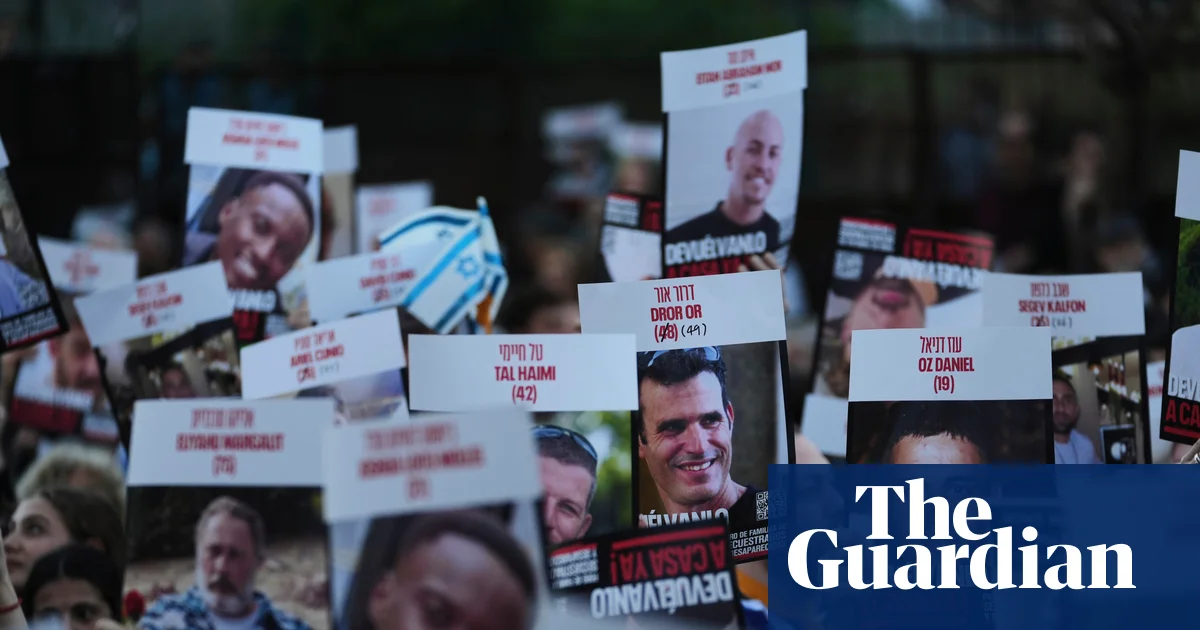
Trump demands Israel halt Gaza bombings as Hamas agrees to free hostages

The recent developments in Gaza have sent shockwaves through the international community, illustrating the profound impact that decisive leadership can have on long-standing conflicts. Donald Trump, emerging once again as a pivotal figure on the global stage, ordered Israel to immediately cease bombing Gaza as he publicly welcomed Hamas’s tentative acceptance of a groundbreaking ceasefire plan. This unprecedented move signifies a potential turning point in what has become one of the most complex and entrenched conflicts of the 21st century. With the potential for a temporary halt to hostilities, the international system is watching closely, assessing whether this fragile alignment can evolve into a lasting peace that reshapes the geopolitical landscape.

The agreement, brokered under Trump’s unique diplomatic influence, involves Hamas’s willingness to release all hostages in exchange for Palestinian prisoners held by Israel, as well as an acceptance of newly proposed governance structures for Gaza. While Hamas’s response remains cautious—requesting further negotiations on the plan—they have nonetheless signaled a willingness to surrender some control, a move that, if sustained, could redefine power dynamics in the region. Notably, Hamas’s statement confirming approval for the release of prisoners and the transfer of authority in Gaza indicates a strategic shift, likely aimed at alleviating the catastrophic humanitarian crisis and securing political leverage amidst ongoing chaos.

In this context, Trump’s plan stands out as a comprehensive roadmap for peace—calling for an immediate ceasefire, swift exchange of prisoners, phased Israeli troop withdrawals, and the disarmament of Hamas fighters. It also emphasizes an urgent increase in humanitarian aid to address Gaza’s dire conditions, which have been exacerbated by Israel’s blockade and relentless military strikes. What makes this approach particularly significant is the fact that only Trump’s leadership has managed to push through such a coordinated diplomatic effort involving regional actors like Egypt and Qatar. This coalition, with its focus on a sustainable resolution, exemplifies a rare moment where international diplomacy finds common ground amid chaos—the kind of intervention the region has desperately needed for years.

However, the bigger geopolitical impact of this unfolding scenario cannot be overstated. While a ceasefire might bring immediate relief to Gaza’s suffering population, the underlying issues of disarmament, governance, and regional influence remain unresolved. Analysts suggest this could be either a genuine breakthrough or merely a lull before the storm—highlighting the fragility of peace in a region where history shows that negotiations often unravel as quickly as they are born. According to respected international scholars, the momentum generated by Trump’s intervention might influence future diplomacy, potentially setting a precedent for outsider-led solutions to entrenched conflicts. Yet, the deeper questions of sovereignty, ideology, and regional order linger, casting a long shadow over the current negotiations.

As history’s pages continue to turn, this moment in Gaza stands as a stark reminder of how geopolitics, driven by bold decisions and strategic interests, can quickly reshape entire nations and societies. With each negotiation, each promise broken or fulfilled, the narrative of the Middle East edges closer to a new chapter—one that may yet turn tragic or hopeful, depending on whether the choices made today stand the test of time. The weight of history presses down, and the world watches, aware that in the crucible of conflict, even the greatest efforts are only the beginning of a longer journey—one whose final destination remains uncertain amidst the ever-changing tides of power and peace.


Ukrainian Youth Stand Firm: Embrace Life Despite Russian Bombings

Sloviansk’s Enduring Spirit and the Geopolitical Struggle in Eastern Ukraine

In the heart of Ukraine’s tumultuous eastern frontline, the city of Sloviansk stands as both a symbol of resilience and a testament to the relentless consequences of Russian imperial ambitions. This city, once a quiet hub of salt production dating back to the 17th century, has been transformed into a frontline battleground where everyday life persists amid ongoing conflict. Despite the visible scars inflicted by near-daily bombardments, residents, including pensioners and soldiers, continue to demonstrate an unwavering determination to live despite the threat of Russian drones, airdropped bombs, and political intimidation. This defiance, observed through stories shared by local officials and residents, highlights an indomitable spirit that geopoliticians and analysts around the world watch closely.

The escalating military and humanitarian crisis in Sloviansk reveals the broader geopolitical impact of Russia’s relentless effort to reclaim Ukraine’s eastern territories. Since 2014, when Vladimir Putin’s forces first occupied parts of the Donbas region, the city has endured a series of occupations, battles, and destruction. Recent attacks by kamikaze drones, reaching as close as two kilometers outside the city, have demonstrated that the Kremlin’s array of tactics remains aggressive and unrelenting. Ukrainian officials, including Mayor Vadym Liakh, openly express confidence in the country’s ability to defend Sloviansk, despite fears that Russia’s strategic goal is to encircle and seize this pivotal city. As Ukraine enhances its anti-drone defenses, the Russian military continues to press forward, aiming to secure a strategic corridor that could threaten the entire eastern region and cut off critical supply lines—a move analysts warn would set the stage for further destabilization of Ukrainian sovereignty.

International organizations and military experts closely monitor this ongoing conflict, warning that the stakes extend far beyond the local battlefield. Many analysts argue that if Slovakia and other key cities in the Donbas fall into Russian control, it could pave the way for a quick advance across the flat, open steppes toward Kharkiv and Kyiv. The future of Ukraine’s independence hinges on whether Western aid, including long-range missiles and advanced defense systems, can delay or halt the Kremlin’s march. Meanwhile, Kyiv’s leadership remains defiant, asserting that Moscow’s promises of a ceasefire in exchange for territorial concessions are nothing more than tactical distractions—an insidious voice from the Kremlin’s propaganda machine in Moscow’s bid to demoralize and divide Ukraine’s defenses.

The international community, particularly Western allies, faces mounting pressure to bolster Ukraine’s military capabilities. As U.S. officials contemplate further sanctions and military aid packages, Russian President Vladimir Putin operates under the assumption that time favors him. His previous commitments have proven unreliable, and strategic analysts warn that the Kremlin’s long-term goal remains the destabilization and division of Ukraine—to resurrect a forever-claimed… Russian sphere of influence. The historians warning of this era as a period where decisions made now will shape the geopolitical landscape for generations are increasingly relevant as the conflict drags on, risking wider regional destabilization and Europe’s security architecture.

With each explosion and each act of defiance, Sloviansk’s populace embodies a pivotal chapter in a conflict that will determine the fate of Ukraine and the broader European security order. As the night sky in Sloviansk becomes a dark canvas illuminated only by stars and the distant glow of fires, the city’s story resonates beyond its battered streets. It is a stark reminder of how history is not merely unfolding—it is being forged. And the choices made by leaders and nations today will echo through the corridors of history, leaving the world to ponder: Will this be the beginning of Putin’s regained empire, or will Ukraine’s tenacity seal the fate of the Eastern European future? The answer hangs trembling on the horizon, yet the weight of that future is already beginning to settle upon the shoulders of all committed to the cause of sovereignty and freedom worldwide.

Social Media Auto Publish Powered By : XYZScripts.com


