
As Europe commemorates Armistice Day, a day historically rooted in ending the devastations of war, the continent finds itself embroiled in a new era of geopolitical turmoil. The recent claims from Russia’s Federal Security Service (FSB) of thwarting a clandestine operation by Ukrainian and British spies underscore the fragility of peace in an age dominated by shifting alliances and covert warfare. The alleged plot to commandeer a MiG-31 fighter equipped with hypersonic Kinzhal missiles, purportedly to be flown toward a NATO border in Romania, reveals a fresh dimension in the persistent Ukraine conflict. While Western nations mourn and honor the fallen, the shadows of espionage, sabotage, and ongoing military confrontations cast a pall over traditional commemorations, exposing a continent at a crossroads of peace and chaos.
- Russian authorities claim to have intercepted an attempt by Ukrainian and British operatives to destabilize the region by stealing a highly advanced Russian jet, which was allegedly to be flown toward a NATO base in Romania, an escalation that could have drawn NATO directly into conflict.
- The Russian state TV broadcast purported evidence—including messages and recordings—allegedly linking Ukrainian and British intelligence to the plot, with reports of a payment of $3 million to Russian pilots willing to defect. These claims, however, remain unverified by independent outlets like The Guardian and Reuters.
- The incident reveals how the Russia-Ukraine conflict has transformed into a broader proxy battleground, with accusations of espionage and sabotage characteristic of post-Cold War warfare. Analysts warn that such narratives serve to justify further escalations while complicating diplomatic dialogue.
Geopolitical Ripples and Rising Tensions
The European Union and NATO are closely watching these developments, aware that any escalation could have profound repercussions for regional security and for global stability. Historian and geopolitical analyst Dr. Maria Jensen warns that such alleged plots, whether fully verified or not, serve to deepen the divide between Western powers and Russia, fueling narratives of insidiou conspiracy and imminent threat. Meanwhile, France’s President Emmanuel Macron and Polish authorities mark Armistice Day with solemn ceremonies—yet the shadows of ongoing conflict threaten to distort the very symbolism of reconciliation and peace.
Adding to the tense atmosphere, Romania reported a Russian drone incursion near its border with Ukraine, which the Romanian President, Nicușor Dan, dismissed as an accident. This incident underscores the underlying risk of unintended escalation as military activities become increasingly aggressive and unpredictable. Conflicts that once were confined to local terrains are quickly evolving into interconnected crises, with Ukraine’s battlefield and Romania’s border zones acting as potential flashpoints for broader confrontation. International institutions warn that the escalation fuels a spiral of mistrust and military posturing, threatening to unravel ongoing diplomatic efforts.
The Broader Impact—History’s Unfinished Narrative
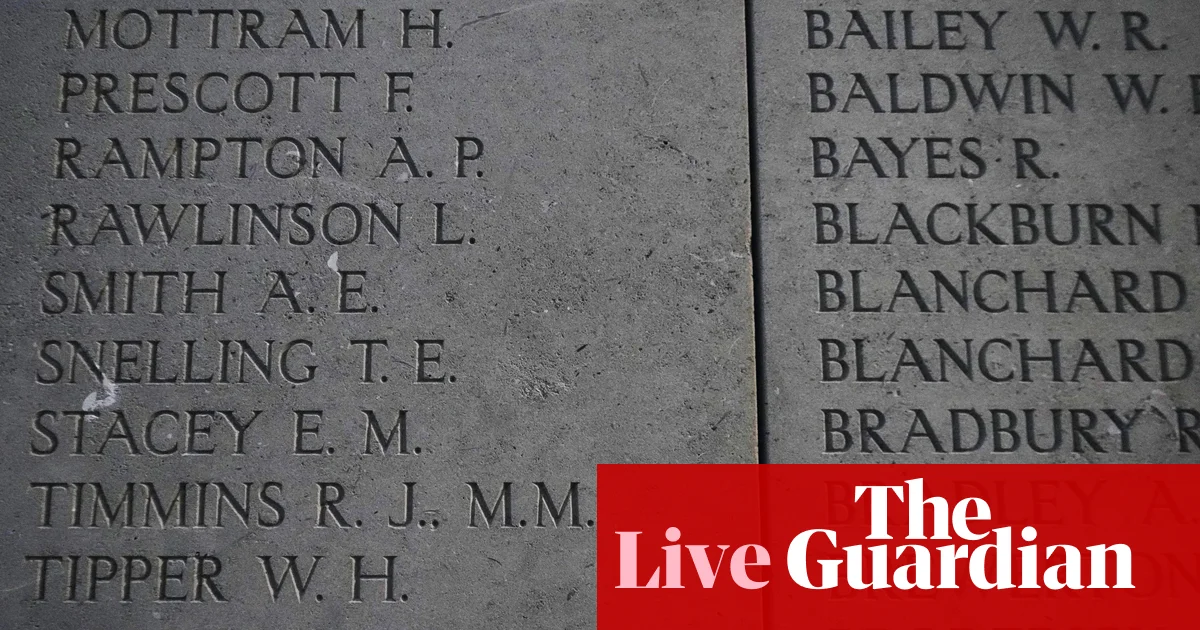
In this tumultuous context, the annual observances across Europe—such as the marches in Warsaw and ceremonies at the Arc de Triomphe—serve as stark reminders of the price paid for peace. Yet, beneath the commemorations lies a sobering reality: the continent is navigating a delicate, volatile chapter where decisions made today will echo through history. Within geopolitical circles and diplomatic corridors, experts deliberate on the potential for these incidents to either ignite a larger conflict or serve as catalysts for renewed dialogue and mutual understanding.
The unfolding story of Ukraine, Russia, and the broader European theater is still being written, with each new claim and counterclaim adding lines to a narrative that history will scrutinize for generations. As world leaders grapple with the aftermath of their choices, the shoulders of future generations bear the weight of today’s decisions—decisions that could either forge enduring peace or plunge the continent into an abyss of perpetual conflict. The question remains: how will the pages of history remember this turbulent age, and what lessons will it carve into the collective memory of humanity?