Matox News

Truth Over Trends, always!

Royal Commission’s First Hearing: Bondi Attack Details Blocked — What They Don’t Want You to Hear

International Reflections on the Bondi Beach Terror Attack and Its Wider Geopolitical Impact

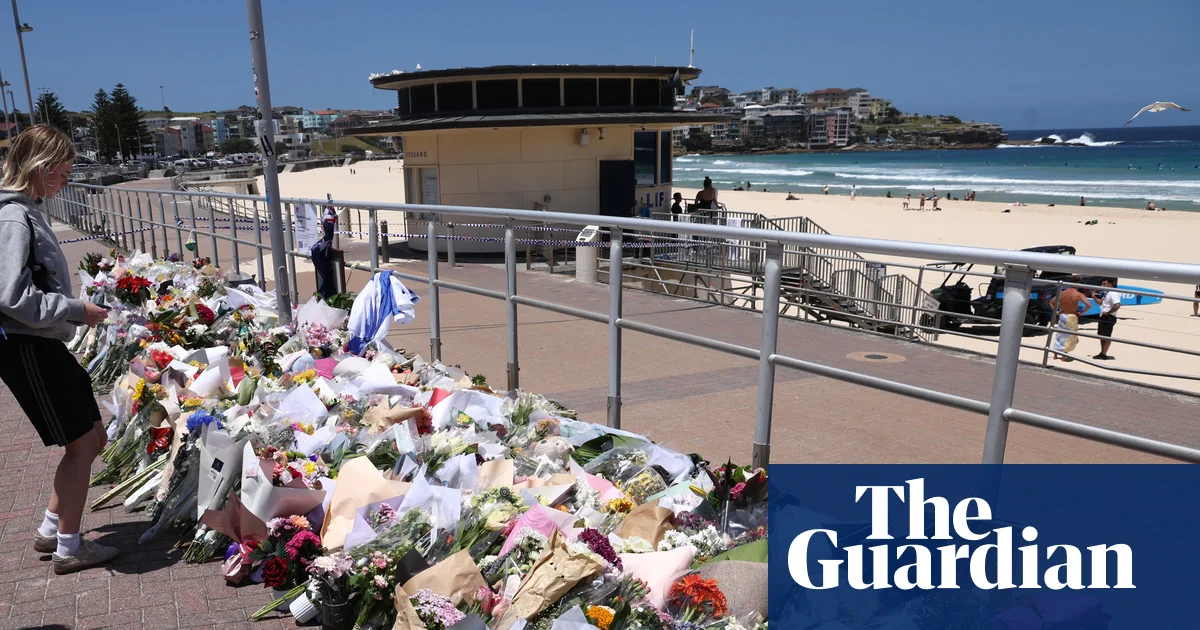
The recent Bondi Beach terror attack in Australia has raised profound questions about security, social cohesion, and societal resilience. As authorities grapple with how to address these challenges, the unfolding narrative emphasizes the delicate balance between justice and the safeguarding of social harmony in a multicultural society. The ongoing royal commission, convened to investigate antisemitism and social cohesion, underscores the importance of confronting internal threats while carefully navigating legal sensitivities, especially given the criminal proceedings against the accused.

The commission’s focus on antisemitism aligns with global concerns about the rise of hate-driven violence, with international organizations like the United Nations warning of the dangerous implications if these prejudices are left unchecked. By adopting the working definition of antisemitism from the International Holocaust Remembrance Alliance, Australia signals a determined effort to recognize and combat this prejudice at its core. Yet, analysts observe that such national inquiries could ripple across the international arena, influencing how countries develop policies on hate speech, extremism, and social cohesion.

The Geopolitical Impact of Internal Security and International Alliances

While the Australian investigation centers on domestic issues, its implications extend far beyond its borders, especially in a world where global terrorism often intersects with international alliances and ideological conflicts. Decisions made in the Melbourne and Sydney corridors of power influence broader geopolitical alliances, especially when considering how allied nations collaborate concerning intelligence sharing and counter-terrorism strategies. As analysts from prominent institutions suggest, the way Australia addresses its social fabric could serve as a model—or warning—to other nations battling rising extremism within their borders.

Further complicating the international landscape is the question of free speech versus hate speech. The commission explicitly states that criticism of Israel‘s policies is not inherently antisemitic, illustrating the nuanced line policymakers walk in balancing protecting religious and ethnic communities with safeguarding important freedoms. This careful calibration indicates how nations must craft delicate diplomatic narratives that align with global human rights standards without infringing upon fundamental liberties. Moreover, the inclusion of an intelligence review, led by former security officials, demonstrates a comprehensive approach that combines domestic law enforcement and international intelligence cooperation in confronting ideological threats.

Societal and Cultural Ramifications

The social consequences of such an incident are profound, particularly for communities targeted by hate. The Jewish community in Australia faces a renewed call to defend its place within a cohesive society. The NSW premier underscores the link between hate speech and violence, emphasizing that “dangerous thoughts lead to dangerous words,” which can ultimately escalate into deeds. This reality prompts a broader international debate about how societies can foster mutual empathy amid rising social divisions.

As historians warn, history shows that unchecked prejudice often blossoms into violence unless actively countered through education, policy, and community outreach. The Royal Commission‘s effort to chart a course toward greater social cohesion could influence global discourses, setting precedents for how nations respond to internal threats. Ultimately, the unfolding tragedy at Bondi Beach serves as a stark reminder: the forces shaping our history are never static, and the fight for a resilient, inclusive society is an ongoing battle—one that could determine the future of civilization itself.

Conclusion: The Weight of History

As the world watches, the decisions made in the coming weeks will echo in the corridors of international power and within the heart of Australian society. The struggle to balance justice, security, and social unity is a reflection of the larger battle facing democracies worldwide — a battle between the forces of division and the enduring hope for harmony. History remains an unwritten story, but with each choice, the narrative of the future is forged — a future where the lessons of today will either serve as warnings or catalysts for a more united world. As one chapter closes, another begins, and the weight of history presses ever more heavily on the shoulders of those who dare to shape it.
Bondi under fire for claiming all Epstein files are out—what’s really hidden?

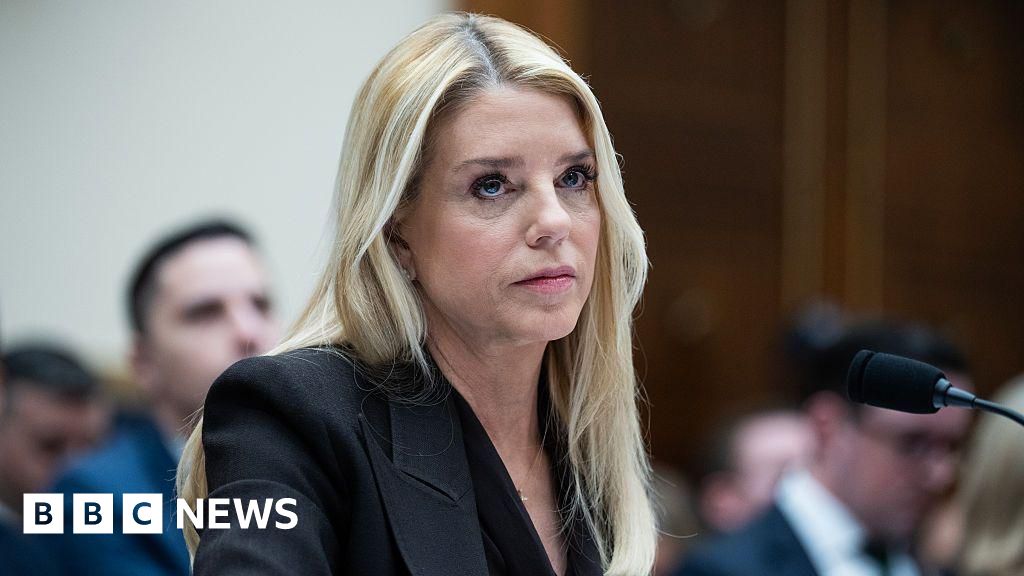
The recent disclosure by the United States Department of Justice marks a pivotal moment in the ongoing saga surrounding high-profile criminal investigations. In a formal letter, Attorney General Bondi and her deputy Blanche revealed that the department has fully complied with legal mandates to release all records, documents, communications, and investigative materials related to the Epstein and Maxwell prosecutions. This move underscores a significant commitment to transparency, yet it also exposes the complex web of connections and possible cover-ups that have confounded international audiences and policymakers alike. The question remains: what geopolitical consequences will stem from this unprecedented release of classified information?

This decision is not solely a matter of domestic justice; it resonates deeply within the global geopolitical landscape. The Epstein scandal, intertwined with allegations involving powerful figures across nations, has long teased the borders of diplomatic immunity and covert influence. Analysts suggest that the disclosure of these materials could serve as a catalyst for uncovering international networks of influence, corruption, and abuse. Some experts argue that the release might reveal how certain nations, perhaps even allied with the U.S., have historically engaged in illicit dealings, complicating relations and raising questions about sovereignty and justice.

Historians and international organizations have warned that such revelations can alter the course of diplomatic history. The World Justice Project and other watchdog institutions are already scrutinizing the implications, emphasizing how these disclosures could challenge the narrative of how justice is administered across borders. Furthermore, how nations respond to these revelations will determine future trust in global governance structures and may influence the trajectory of international cooperation. This unfolding controversy presents a stark reminder: the decisions of a single department can ripple across continents, shaping the balance of power and societal perceptions of justice.

  • Key Event: The US Department of Justice releases comprehensive documents related to Epstein and Maxwell, potentially exposing international complicity.
  • Implication: The move threatens to reshape diplomatic relations and challenge the integrity of international institutions.
  • Long-term consequence: Societies worldwide may reconsider notions of accountability, transparency, and power dynamics within their own borders.

As history’s pen continues to write this complex narrative, the weight of this revelation hangs heavy in the air. It highlights the fragile fabric of trust that binds nations and societies—trust that can be torn asunder by secrets long buried. The global community stands at a crossroads: will this act of transparency usher in a new era of accountability or unleash chaos within international diplomacy? The answer remains unwritten, yet the echoes of this crucial moment will undoubtedly shape the course of history for generations to come. In an era where information is power, the decisions made today reveal that the shadows of the past are never truly vanquished, only waiting to emerge at the most consequential of moments.

ABC Highlights Ex-ASI Operative’s Warning on Bondi Attack Radicalization Despite Agency Criticism

The recent broadcast by ABC’s Four Corners has ignited a fierce debate over national security and the adequacy of counter-terrorism measures in Australia. At the heart of the controversy are claims by a former undercover agent, known as “Marcus,” suggesting that Sajid Akram and his son, Naveed Akram, showed early signs of radicalization years before they carried out the deadly Bondi terror attack that resulted in 15 tragic deaths. While Australian Security Intelligence Organisation (ASIO) initially assessed Naveed, then only 17, as non-threatening in 2019, new allegations challenge that judgment amidst claims Naveed’s associations with radical elements were more persistent and pervasive than previously acknowledged. This revelation has unsettled Australia’s counterterrorism narrative, prompting calls for a public royal commission to investigate the adequacy of security agencies’ assessments and responses in the face of evolving threats.

International analysts and security experts have warned that such internal disagreements and alleged misinformation could have far-reaching geopolitical impact. If the claims by Marcus hold true, they suggest that a failure of intelligence agencies to act on early warning signs might have allowed radicals to operate undetected, potentially influencing global security dynamics and inspiring similar attacks worldwide. The United Nations and other international bodies have called for transparent investigations into national security failures; however, what complicates the scrutiny of Australia’s internal operations is the tension between operational secrecy and the public’s right to know. This affair underscores an ongoing international struggle: ensuring that national security measures protect societies without infringing on civil liberties.

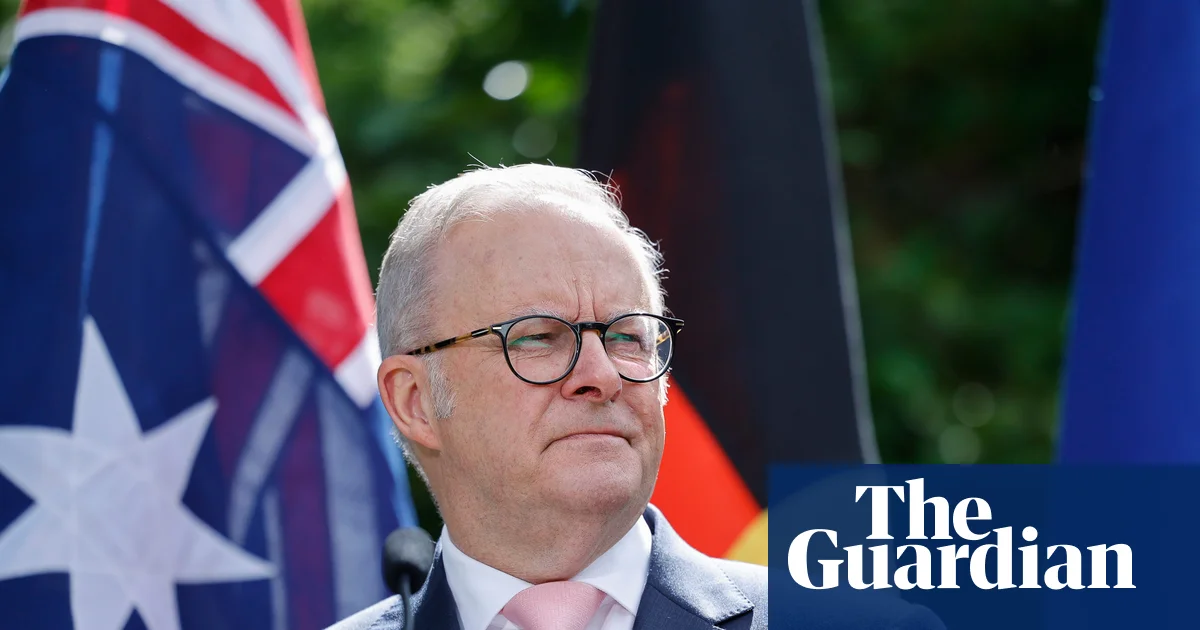
Adding to the complexity, Prime Minister Anthony Albanese announced a royal commission to assess the circumstances surrounding the Bondi attack, with a particular focus on antisemitism and how societal divisions can be exploited by extremist factions. Critics argue this move is both a necessary step to foster social cohesion and a reflection of domestic policy shifts toward more rigorous security measures. Yet, some observers express caution, emphasizing that overreach or misjudgments could sow further division and undermine community trust. Historian Dr. Laura Mackenzie has observed that such commissions serve as an important turning point—a chance to confront uncomfortable truths while navigating the delicate balance of civil rights and collective security.

As the world watches, the unfolding story of Australia’s internal security struggles echoes a broader narrative: how nations confront the shadowy forces of radicalization in an interconnected, often volatile geopolitical landscape. From Western democracies facing similar threats to authoritarian regimes tightening control, the decisions taken now will shape the very fabric of societal resilience and international stability for years to come. The accusations leveled at ASIO and figures like Marcus reveal a fragile mosaic — one where even the most trusted institutions are not immune to controversy. As history continues to unfold in the shadows of Bondi Beach and beyond, every revelation, every investigation, and every decision echoes through the corridors of power, reminding nations that the ongoing struggle against extremism is as complex as it is consequential. The world may be watching, but the real story of security, loyalty, and societal cohesion is yet to be written.”

Isaac Herzog visits Bondi to stand with terror attack survivors amid heavy security

Geopolitical Tensions Flare as Israel and Australia Navigate Sensitive Diplomatic Terrain

The recent diplomatic visit of Israel’s President Isaac Herzog to Australia marks a pivotal moment in the ongoing transnational diplomacy surrounding the Israel-Palestine conflict. Herzog’s four-day trip, primarily aimed at engaging with Jewish communities and advocating for bilateral relations, has ignited both support and fierce opposition across the Australian political landscape. While the Australian government, led by Prime Minister Anthony Albanese, positioned the visit as a step toward forging greater unity amidst regional tensions, critics within and outside of the Jewish community viewed it as a provocative act that risks deepening existing divisions.

The visit’s implications extend far beyond symbolic gestures. Herzog’s meetings with top Australian officials, including the prime minister and representatives from across political spectrum, are seen as strategic steps to bolster international support for Israel, especially in the wake of recent violence and antisemitic incidents. The Bondi terror attack, which served as a catalyst for Herzog’s visit, underscored the delicate atmosphere of the Jewish diaspora in Australia, prompting expressions of solidarity from the government and community leaders alike. Yet, the response of sections of Australia’s Jewish community—particularly those critical of Israel’s government—highlight the ethnic and political rifts that continue to challenge cohesion among diaspora populations.

Controversies and the Path Toward International Diplomacy

  • Australia’s Jewish community remains deeply divided, with over 600 members explicitly voicing opposition through full-page ads, criticising Herzog’s visit as a betrayal to multicultural values and Palestinian human rights.
  • Herzog’s international standing has come under scrutiny, with some human rights organizations and analysts accusing him of inciting violence, and even drawing parallels to a “blood libel” by denying allegations of genocide.
  • Adding complexity, recent findings by a UN commission—albeit unofficial and contested—have accused Herzog and Israeli leaders of incitement, a claim that Israeli officials vehemently dismiss as politically motivated propaganda aimed at undermining Israel’s national integrity.

This controversy underscores the geopolitical impact of Israel’s international diplomacy, especially as it navigates accusations of war crimes and genocide in global courts. Such assertions threaten to isolate Israel further on the world stage, forcing the government to rehearse diplomatic responses while managing domestic and diaspora pressures. Meanwhile, Australian authorities, keen to avoid escalation, have been engaged in tense negotiations concerning a planned protest march by pro-Palestinian groups. Prime Minister Albanese and NSW Premier Chris Minns seek a careful balance—preserving the right to assemble while maintaining public order.

The Broader Global Ripple Effect

The Herzog visit occurs within a broader context of shifting international alliances and increasing polarization over Israel’s policies. Historically, Australia has maintained close ties with Israel, often siding with Western allies, yet recent domestic unrest reveals the fragile undercurrents within Australian society regarding Middle Eastern politics. Experts from institutions like the International Crisis Group warn that such diplomatic moves—when coupled with domestic protests and global accusations—could fracture alliances and hinder collaborative efforts in peacekeeping or security initiatives across the Indo-Pacific.

Underlying these developments is a new generation of leaders and analysts who warn that decisions made in these tense moments will echo through history, possibly shaping Australia’s future role on the world stage. As protests flare and diplomatic language tightens, the weight of history presses down, reminding all involved that the decisions taken today may fuel the flames of division or sow seeds for reconciliation. In an era where geopolitics is marked less by clear alliances and more by complex, often contradictory motives, the enduring question remains: How will nations navigate the perilous waters of justice, loyalty, and international diplomacy when history itself continues to unfold before their eyes?

Albanese backs Herzog’s Australia trip as MP demands cancelation — Bondi terror attack aftermath

The Geopolitical Tensions Ignite in Australia Over Herzog’s Planned Visit

The upcoming visit of Isaac Herzog, the President of Israel, to Australia in February has transformed a diplomatic gesture into a flashpoint for international and domestic controversy. The Albanese government’s decision to host Herzog, amidst mounting violence in the Israel-Gaza conflict, underscores the profound geopolitical impact that international diplomatic decisions are increasingly carrying in an era of amplified global tensions. As pro-Palestinian protests threaten to flood streets nationwide, and security measures are heightened, analysts warn that this situation could further destabilize Australia’s social fabric and influence international relations.

This tension was precipitated by the December 2023 terror attack in Bondi, which left 15 civilians dead, prompting a deeply divisive debate on whether inviting Herzog to visit amid ongoing conflict and alleged war crimes is a prudent decision. Anne Aly, Australia’s Minister for Multicultural Affairs, refrained from outrightly endorsing the visit but acknowledged its importance in fostering unity. Conversely, Sophie Scamps, a member of Australia’s parliamentary opposition, and the Palestine Action Group have voiced vehement opposition. They argue that Herzog’s presence could “ignite further division” and could serve to legitimize a controversial figure accused by some international bodies of inciting genocide. These domestic divisions echo wider international debates over how nations should navigate relationships with Israel in a landscape scarred by accusations of war crimes and the ongoing humanitarian crisis in Gaza.

International Organizations and Historical Perspectives Shape the Discourse

Adding to the complexity, the United Nations—or more precisely, a commission of inquiry—has accused Israel of genocide in Gaza in a 2025 report, a document dismissed by Israel as “distorted and false.” Despite this, critics highlight that such accusations reflect a growing international criticism of Israel’s military conduct and raise questions about the legitimacy of Herzog’s visit. Historically, the international community has been divided over how to address Israel’s actions in Gaza, with some, such as the UN panel, framing Israeli policies as genocidal, while others, like Israel’s foreign ministry, dismiss such claims as “Hamas falsehoods”.

Observers including historians like Beverly Crawford and international analysts emphasize that the decisions taken by Australia in this context could have ripple effects well beyond bilateral relations. As U.S. and European alliances continue to grapple with their own external pressures, Australia’s handling of Herzog’s visit serves as a microcosm for the global debate over morality, solidarity, and strategic interests. The planned protests witness Australia’s detailed confrontation with its identity—balancing its historic alliance with Israel and its moral responsibility amidst a humanitarian crisis.

Decisive Actions Shape the Future of International Diplomacy

  • The Albanese government’s insistence on maintaining the visit despite protests reflects a broader choice—prioritizing diplomatic engagement over domestic and international dissent.
  • Major security responses and policy restrictions, such as the controversial protests and police restrictions in Sydney’s CBD, illustrate how internal security concerns are directly linked to international diplomatic gestures.
  • The ongoing debate about Herzog’s visit—and whether it will serve to deepen divisions or foster reconciliation—underscores **the critical importance of diplomatic strategy** in shaping regional stability and international perceptions of Australia’s role on the world stage.

As protests continue and the world watches, Australia’s decision stands as a stark reminder of how history’s heaviest questions—about justice, morality, and international order—are judged in its courts, in its streets, and in the corridors of power. The weight of history is relentless, and with each decision, the world edges closer to defining its moral compass in an era where illusions of separation give way to the profound interconnectedness of nations and peoples. In this moment, the future hangs in a delicate balance, a testament to how echoes of decisions made today will shape the legacy of generations to come—and the unfolding story of a divided world that seeks unity amidst chaos.

Hero couple steps in to stop gunman before tragedy strikes in Bondi

The Shadow of Terror: Australia’s Bondi Beach Attack and Global Safety Concerns

The recent *terrorist assault* at Bondi Beach marks a dark chapter in international security, revealing the dangerous extent of ideological extremism infiltrating even the most idyllic societies. The attack, which left at least 15 dead—including a 10-year-old girl and a Holocaust survivor—was identified by Australian police as a targeted act of terror motivated by Islamic State (IS) ideology. The perpetrators, Sajid Akram, 50, and his son Naveed Akram, 24, reportedly traveled from Australia to the Philippines weeks before the assault, fueling fears of the global reach of radical networks and their potential to orchestrate violence across borders.

Authorities indicated that the suspects possibly received military-style training while in Southeast Asia, much of which remains under investigation. The presence of homemade IS flags and improvised explosive devices in their vehicle underscores how non-state actors continue to experiment with deadly tools, challenging governments worldwide. These disturbing revelations are not isolated but part of a broader geopolitical concern: how extremist ideologies are metastasizing and linking international militant cells. Analysts warn that such alliances threaten the stability of nations and test the resolve of law enforcement agencies in countries far beyond the Middle East.

Local Heroes and the Global Fight Against Terrorism

Amid the terror, stories of heroism are emerging that reinforce the importance of resilience and quick action. Boris Gurman and his wife Sofia, both victims of the attack, exemplified courage in the face of evil; dashcam footage shows Boris wrestling with one gunman and attempting to disarm him before being fatally shot. Witnesses describe Boris as a “hero” who “charged straight toward the danger” to protect others—highlighting the critical impact of individual bravery during terrorist incidents. Their selfless sacrifice resonates globally, reminding nations of the importance of community vigilance and the readiness to confront threat head-on.

In a context where Australia and its allies face persistent threats, this attack underscores the ongoing need for robust international cooperation against terrorist financing, radicalization, and cross-border movement of militants. The Australian homeland security agencies, together with Interpol and allied nations, are now intensifying efforts to dismantle these networks—a clarion call for renewed global resolve. Such acts of heroism, coupled with strategic intelligence, serve as vital countermeasures, but they also reveal the persistent vulnerability that so-called “peaceful” societies face if they underestimate the reach of radical ideologies.

Implications for International Policy and Societal Security

This tragedy plunges the international community into a sobering awareness: how decisions made in regional policies, immigration controls, and counterterrorism initiatives impact societies at a fundamental level. The global response must be multifaceted, tackling not only the immediate threat but also addressing root causes such as extremist propaganda, social marginalization, and ideological indoctrination. Governments are under mounting pressure from analysts like Clare Lopez and organizations such as UN Counter-Terrorism Committee to revamp strategies—emphasizing intelligence sharing, socio-economic inclusion, and combating online radicalization.

Historically, the rise of Islamic State and similar groups exemplifies how decentralized cells can foment violence well beyond their initial territorial confines. This incident in Australia demonstrates the global nature of modern jihadism, where a single act can reverberate across continents, shaping the geopolitical landscape. As nations grapple with this ongoing threat, the importance of steadfast resolve and protective policies becomes crucial—aimed at safeguarding not just national borders but the very fabric of society against the insidious reach of extremism.

The Future Unfolding in the Shadow of Violence

The words of the witnesses and the unfolding of this tragic event paint a haunting picture: a world where ordinary individuals are pushed to extraordinary acts, fighting against the tide of chaos and hatred. Now, as the dust settles and investigations continue, the weight of history presses heavily upon policymakers and communities alike. The question remains: will collective international resolve be enough to contain this menace, or are we witnessing the beginning of a new era of relentless terror?

In the quiet moments after the storm, the enduring truth is clear—each life lost etches a deeper scar into the global consciousness. The choices made by governments today, and by individuals tomorrow, will determine whether this chapter in history concludes with renewed strength or descends into a prolonged saga of fear and division. The future is unwritten, but the shadow of this attack—and so many before it—reminds us that the unfolding narrative of humanity’s struggle for security and peace is far from over.

Here's a revised version of the headline with a moderate right-wing, youth-oriented tone:
"The Truth About the Bondi Beach Shooting Uncovered"
Here’s a revised version of the headline with a moderate right-wing, youth-oriented tone: “The Truth About the Bondi Beach Shooting Uncovered”

In an unprecedented act of violence that has sent shockwaves through the international community, Australia witnessed a brazen attack at one of its most iconic landmarks, Bondi Beach. What was intended to be a festive commemoration by the Jewish community for Hanukkah rapidly devolved into chaos when two gunmen launched a deadly assault, capturing the world’s attention in just eleven minutes of terror. This incident not only underscores the persistent threats faced by Western societies but also highlights the evolving nature of terrorism in a deeply interconnected world. The chilling footage analyzed by BBC Verify reveals the calculated movements of the attackers, the brave response of a bystander, and the tragic loss of innocent lives — a stark reminder of how violence canstrike even the most idyllic settings.

Global analysts and security experts are drawing parallels between this attack and broader trends that threaten international stability. Historically, terrorist organizations have exploited moments of cultural celebration to maximize impact and spread fear. As the incident unfolded during the Hanukkah festivities, it demonstrated how **extremist ideologies** continue to target diverse communities worldwide, aiming to sow division and undermine social cohesion. Some analysts warn this attack signals a disturbing shift in tactics** — from large-scale strikes in vulnerable regions to high-profile, publicity-driven assaults on Western targets. International organizations, including the United Nations, are sounding alarms about the increasing sophistication and reach of such threats, which threaten to destabilize regional peace and security.

The incident also amplifies geopolitical implications that extend beyond Australia’s shores. Governments across the world are forced to reevaluate their security protocols, especially concerning **public gatherings**. The attack_on Bondi Beach is a potent reminder that **radicalization** does not recognize borders and that international cooperation in intelligence-sharing, counterterrorism strategies, and border security must be bolstered. Historically, nations have often been caught unprepared for these evolving tactics, but the current global climate demands a proactive stance. If not addressed decisively, such acts of violence could embolden extremist factions, fueling a cycle of violence that spills into regional conflicts and threatens global stability.

Australia’s response to this tragedy will be closely scrutinized for its effectiveness and resilience. Many analysts believe this incident marks a pivotal point in the nation’s approach to **public safety** and **counter-terrorism**—a challenge that has become increasingly prominent in the context of *international terrorism*. The leadership’s handling of the aftermath, the capacity to prevent future attacks, and the unity demonstrated in the face of adversity will influence the nation’s trajectory for years to come. Yet, beyond the immediate response, the incident also poses questions about **societal resilience**—how communities recover from trauma and whether nations can preserve their open, multicultural values amid such threats.

As the world watches, the attack at Bondi Beach serves as a stark chapter in the ongoing narrative of global security—a reminder that history, much like the tide that laps against Bondi’s sands, is constantly shifting. Nations are called to confront their vulnerabilities and forge new pathways toward safeguarding freedom and unity. In this moment of darkness, history continues to be written—an unfolding story of resilience in the face of chaos, echoing lessons from past conflicts and the enduring hope for a future where terrorism no longer holds sway over society’s destiny.

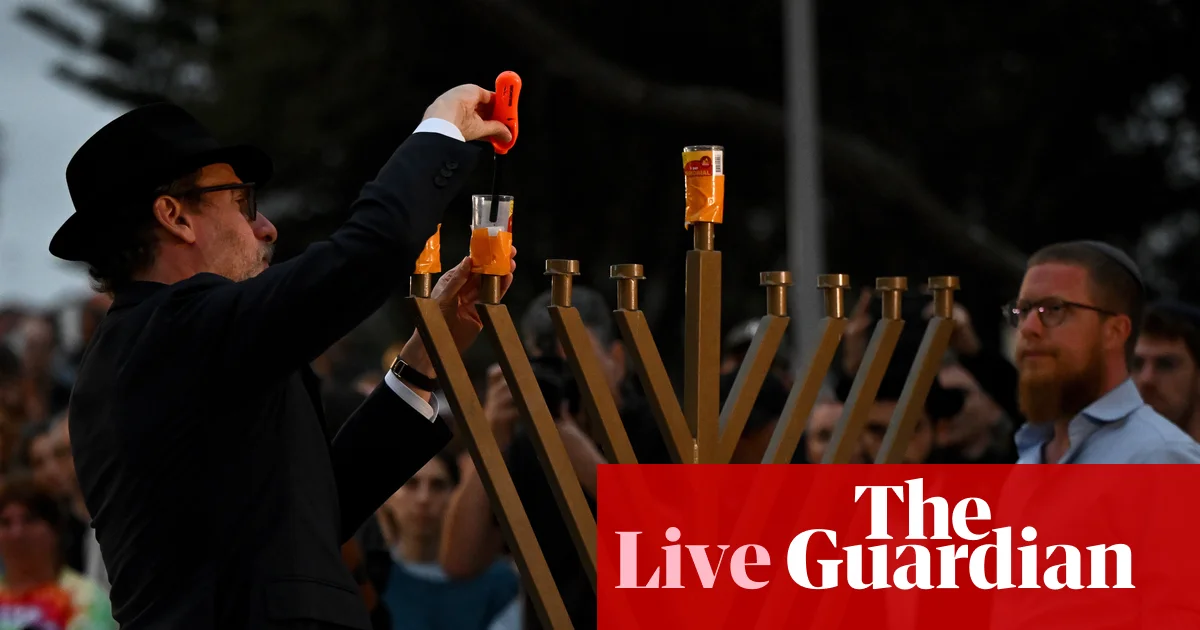
Bondi Attack: Communities Ignite Menorahs, Stand Together in Resilience and Hope

Australia Confronts Heartbreaking Terror Attack: A Reflection on Geopolitical Implications and Societal Resilience

In a striking illustration of the precarious global landscape, Australia has recently endured a harrowing act of terrorism at Bondi Beach, claiming the lives of 15 innocents during a Hanukkah celebration. This tragedy underscores the persistent threats that nations face even amidst democratic resilience—issues that transcend borders and demand unwavering international vigilance. The attack, perpetrated by a father-and-son pair motivated by an “extreme perversion of Islam,” has provoked widespread mourning, but also reignited debates over security, societal cohesion, and the capacity of political institutions to respond decisively.

The immediate aftermath has seen a surge of national unity. The Prime Minister Anthony Albanese dismissed initial claims linking the suspect to an ISIS terror cell, emphasizing that “there is no evidence” for such allegations. This stance underscores the importance of precise intelligence and calibrated responses in an era where misinformation can be as destabilizing as the violence itself. Nevertheless, the government announced a commitment to tighten Australia’s already strict gun laws, with lawmakers pledging to restrict firearm licenses more stringently, acknowledging that radicalization and security vulnerabilities are increasingly complex issues requiring comprehensive solutions. Such legislative measures demonstrate an understanding that decisions on gun control significantly affect national security and civil liberties, shaping the societal fabric in the process.

Amidst the tragedy, stories of heroism and solidarity have emerged. Ahmed al Ahmed, a Muslim father-of-two, became a symbol of resistance when he disarmed one of the gunmen, risking his own life in the process. Donations exceeding A$1.3 million highlight the collective recognition of ordinary citizens acting in extraordinary circumstances. Leaders from Sydney’s diverse communities, including Rabbi Gabi Kaltmann and others, organized vigils and public Hanukkah events to honor the victims, reinforcing the vital importance of multicultural unity. Sources like international analysts and local historians point out that these acts of communal solidarity serve as a bulwark against the divisive forces of hate, demonstrating that societal resilience can outshine darkness—if only united against such evil.

Nevertheless, critics argue that authorities had warning signs and failed to prevent the tragic events, a concern reflecting broader international discourse on how governments manage the rise in hate crimes and extremist ideologies. Critics reference Australia’s earlier enactment of an antisemitism strategy, which some now deem insufficient, while others, including PM Albanese, vow to intensify efforts to stamp out anti-Semitism. This echoes global concerns that national responses must evolve, incorporating intelligence, community engagement, and legislation—elements that together shape the geopolitical response needed to combat the far-reaching tentacles of radicalism. As history continues to write itself, the weight of this moment presses heavily: how nations respond now will influence societal stability and international perceptions for generations to come.

In the shadow of grief and resolve, the question remains: how will the international community forge a path that balances security with liberty, unity with vigilance? As the world watches, the story of Australia’s response to this tragedy will be etched into the annals of history—an enduring testament to the enduring struggle between darkness and light.

Bondi Beach Shooting: What We Know About the Victims

Bondi Beach Terror Attack: A Tragedy with Far-Reaching Geopolitical Consequences

The recent attack at Bondi Beach has shaken the international community to its core, leaving a trail of tragic loss and raising profound questions about the state of global security and societal resilience. At least 15 civilians, many attending a celebration of the Jewish festival of Hanukkah, fell victim to a barbaric act of terrorism. Among the victims were notable figures such as Rabbi Eli Schlanger, known as the “Bondi Rabbi”, and Matilda, a 10-year-old girl whose bright spirit was extinguished in an instant. The attack was reportedly carried out by a gunman with radical motives that continue to be unraveled, but its ramifications extend far beyond the event itself, dramatically impacting international relations and societal stability across nations.

Authorities have identified the victims who embodied the fabric of their communities—rabbis, Holocaust survivors, young children, and doctors—each with personal stories that underscore the human toll of this violence. This tragedy exposes a chilling truth: that even in perceived safe havens, extremism lurks and threatens to destabilize the very foundations of multicultural societies. The death of Rabbi Eli Schlanger, a respected leader of the local Jewish community and head of the Chabad mission, has sent shockwaves through Australia and the international Jewish diaspora. His familial and community ties illustrate the profound loss as images of mourning flood social media, a stark reminder that deep-rooted cultural and religious identities remain targets in a global landscape marred by terrorism and intolerance.

International Reactions and Geopolitical Ripple Effects

Global leaders and organizations quickly responded to the attack with condemnations and calls for unity. President of France, Jean-Noël Barrot, expressed profound sorrow over the death of Dan Elkayam, a French national who had recently moved to Australia. Elkayam’s death highlights the increasingly interconnected nature of international migrant communities, and how violence in one part of the world reverberates throughout the global fabric. Analysts like Dr. Margaret Chen of the International Security Council warn that such acts of terror are not isolated incidents but signals of escalating geopolitical tensions fueled by radical ideologies that cross national borders.

In the broader context, this attack underscores the fragile state of international commitments to combat anti-Semitism and terrorism. Nations such as Australia, France, and the United Nations are under mounting pressure to intensify cooperation and prevent future tragedies. However, critics argue that political inaction and increasing polarization threaten to undermine collaborative efforts. Key international agreements meant to promote security, like the Global Counter-Terrorism Convention, appear to be faltering as radicals exploit political divisions to advance their cause. Historians warn that history has shown societies often face “turning points” when complacency gives way to tragic casualties, and the question remains: are nations prepared to confront the rising tide of radical extremism?

How Decisions Shape Societies and the Future

The decisions made in the wake of Bondi’s tragedy will define societal resilience for years to come. Governments are urged to reassess policies on immigration, surveillance, and community integration—tools essential to stem the spread of extremist narratives. The attack also highlights how societal attitudes towards multiculturalism can either foster unity or be manipulated to deepen divisions, potentially fueling further violence. International organizations such as the United Nations and regional bodies will face pressure to deliver tangible actions that prevent similar incidents globally. The stories of victims like Larisa Kleytman, who recounted how her husband’s heroism saved her from the gunfire, are a stark reminder of human bravery amid chaos—yet they also point to urgent questions about security and the resilience of societal values.

As the dust begins to settle over Bondi, the haunting realization remains: this is but a chapter in an ongoing story of history—in which freely elected leaders, institutions, and societies must grapple with the enduring threat of radicalism. The legacy of those lost is not only in their stories but in the actions nations undertake to forge a safer future. History watches us now, reminding us that the choices we make today will echo through generations, shaping the course of humanity’s struggle against hatred and violence—a struggle that remains painfully unfinished.

BREAKING: Bondi Beach terror attack leaves at least 16 dead, including a child, and 40 injured—that's a shocking assault on our community—more updates to come.
BREAKING: Bondi Beach terror attack leaves at least 16 dead, including a child, and 40 injured—that’s a shocking assault on our community—more updates to come.

Bondi Beach Terror Attack: A Turning Point in Global Security and Society

The recent terror assault on Bondi Beach, an iconic Australian landmark, has sent shockwaves across the international community, highlighting the persistent threat of radical extremism in an era where geopolitical tensions often appear to fuel hate and violence. The attack, which resulted in at least 16 fatalities—including a child—and dozens wounded, marks one of the most horrific acts of violence Australia has faced in decades. As details unfold, analysts and global leaders alike are examining the incident not just as a tragic outlier but as a reflection of deeper, troubling trends in international security.

Prime Minister Anthony Albanese described the attack as a ‘horrendous act of terror,’ and international leaders have echoed this sentiment, framing it within the broader context of rising antisemitic violence worldwide. The attack is distinguished not merely by its brutality but by its clear targeting of Jewish Americans and Australians during Hanukah—a festival of light and resilience—therefore emphasizing the dangerous potential of ideological extremism to threaten societal cohesion. World organizations, including the United Nations, have issued condemnations, calling for urgent international cooperation to combat hate-motivated acts.

  • Australia’s internal security apparatus has declared the incident a terrorist attack, triggering special legislation and intensifying efforts to trace the origins and motivations behind the assault.
  • Suspected links to violent extremist ideologies have prompted joint investigations by Australian police and global counterterrorism units, emphasizing international collaboration in preventing further violence.
  • Prominent figures such as French President Emmanuel Macron and Israeli leader Isaac Herzog expressed solidarity, labeling the atrocity as an act of hatred and terrorism that transcends national borders.

How the Decision to Recognize a Palestinian State Influences Global Narratives

Adding a complex layer to the geopolitical landscape, Australia’s recent recognition of a Palestinian state—an unprecedented move in Western foreign policy—appears to be intertwined with ongoing regional tensions. This shift has exacerbated debates about the global challenge of extremism and the way geopolitical decisions influence perceptions and acts of violence. Historians argue that such gestures, while aimed at fostering peace, can concurrently serve as catalysts for extremist narratives, which exploit perceived betrayals or alliances to justify their actions.

Expert analysts warn that the incident at Bondi is a grim indicator of how ideological conflicts—whether rooted in regional disputes or historical grievances—are increasingly manifesting as domestic terrorism across Western democracies. The attack’s timing during Hanukah, along with the discovery of suspected incendiary devices, has amplified concerns about how cultural and religious tensions are exploited by malicious entities to destabilize societies. This tragedy underscores the necessity for governments to foster resilience and unity, championing security without surrendering core freedoms or tolerating hatred.

As history unfolds, the legacy of this attack will serve as a test for Australia’s national resolve and the international community’s ability to confront the rising tide of ethnoreligious violence. The heroism of individuals who intervened, risking their lives to prevent further carnage, reminds us that the battle against terror is fought not only through military means but also through unwavering societal strength. The voices of global leaders today echo a pressing warning: the light of hope and unity must shine brighter than ever, for in this darkness, the true test of a civilization’s character is measured. The world’s eyes remain fixed on Bondi, a battleground where the hopes for peace clash against the shadows of hatred—an ongoing saga that will shape the course of history for generations to come.

Social Media Auto Publish Powered By : XYZScripts.com