
Global Tensions Escalate Amid Unfolding Geopolitical Shifts and Local Tragedies
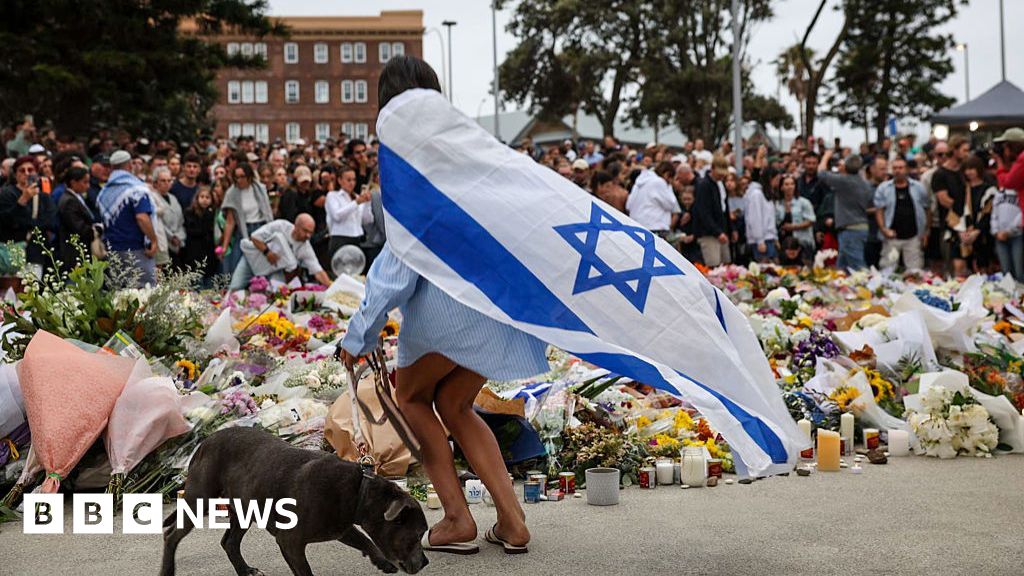
In a world where international stability is often measured in the small margins of diplomatic dialogue and military readiness, recent events have shattered the illusion of peace in both local and global contexts. Australia, long celebrated as a symbol of multicultural harmony and laid-back lifestyle, was rocked by a shocking act of violence at Bondi Beach—a place synonymous with carefree summer days. On what was meant to be a celebration of faith during Hanukkah, two gunmen opened fire—killing at least 15 people and injuring dozens more—transforming the iconic edge of Sydney into a scene of chaos and grief. The attack, carried out on a holiday meant to symbolize light and perseverance, underscores the fragility of societal cohesion in the face of rising extremist threats and the complex web of local vulnerabilities.
- Gunmen identified as Sajid Akram, 50, and his son Naveed, 24, allegedly orchestrated the assault from a bridge overlooking the park, using sporting shotguns in what experts described as a calculated attack.
- The operation unfolded over several harrowing minutes, with eyewitnesses recounting screams, gunfire, and a community caught unprepared by violence directly targeting innocent civilians during a festive occasion.
- Police investigations revealed Sajid Akram was registered with six firearms, raising questions on gun control policies and vetting procedures that failed to prevent the attack. Meanwhile, Naveed’s suspicious ties to an Islamic State cell in 2019 pushed authorities to scrutinize the threat level, though Prime Minister Anthony Albanese publicly stated there was no ongoing threat.
The geopolitical impact of regional violence resonates far beyond the shores of Australia. As analysts suggest, acts of domestic terror are often intertwined with broader global pressures, such as the persistence of radical ideology and failed integration policies in diverse societies. International institutions like the United Nations have repeatedly warned about the rising tide of extremism in liberal democracies, emphasizing that the fight against violence must be coupled with efforts to bolster national identity and societal resilience. The attack on Bondi Beach echoes across borders, reminiscent of recent terror episodes in Europe and North America, which highlight the continuous challenge facing western nations in safeguarding their citizens amidst a backdrop of geopolitical turbulence.
Meanwhile, in the corridors of power, the response to these tragedies influences international relations and homeland security strategies. Critics argue that while Australia’s police and intelligence agencies acted swiftly, the underlying issues of radicalization and gun ownership need urgent reevaluation. Some political voices contend that protective measures, such as tighter gun control and community outreach, are essential to prevent similar incidents. Yet, others warn that overreach could infringe on civil liberties, creating a dangerous precedent that may weaken national cohesion further.
As the United States and European Union grapple with internal threats and the shifting sands of global alliances—symbolized recently by shifts in transatlantic relations and NATO’s posture— the chaos at Bondi Beach stands as a stark reminder of how localized violence can ripple into broader geopolitical uncertainties. The rise of extremist groups, including Islamic State and others, demonstrates the ideological battleground that extends from the Middle East to nations like Australia, forcing international organizations and national governments to adapt their strategies amid a landscape of unpredictable threats.