Matox News

Truth Over Trends, always!

Year 8 Students Face Mandatory Reading Tests in New Push to Boost Britain’s Youth Literacy

Cracks in the Foundation: Society’s Struggle with Educational Standards and Social Cohesion

As curriculum reforms and intensified testing take center stage in England’s education policy, the societal fabric faces subtle yet enduring strains. The government’s proposal to introduce mandatory reading tests for Year 8 students highlights a growing concern among policymakers regarding literacy standards and future economic competitiveness. Planned as part of an upcoming white paper, this initiative aims to evaluate pupils’ progress two years into secondary school, reflecting a broader desire to recalibrate educational accountability. However, critics argue that these measures may oversimplify the critical social and moral roles of education, risking a narrow focus that overlooks the diverse challenges faced by families and communities.

Historically, sociologists like Raymond Williams and bell hooks have emphasized that education is more than a standardized test; it is a vital space for cultural transmission, moral development, and social cohesion. Trends reveal that while 75% of Year 6 students met expected reading standards this year, a troubling quarter still fall short, underscoring persistent inequalities. For families from disadvantaged backgrounds, such gaps are compounded by systemic barriers that no amount of testing can fully address. Critics note that the reliance on annual assessments and high-stakes testing contributes to a narrowing of the curriculum, restricting teachers’ ability to cultivate critical thinking, creativity, and moral judgment. Instead of viewing these exams as tools for empowerment, many see them as instruments of compliance that threaten to erode the humanistic elements at the heart of education—elements that directly influence family stability and community well-being.

The debate extends beyond the classroom into the societal implications of these policies. Leaders like Daniel Kebede of the National Education Union warn that increasing test regimes risk fostering “punitive labeling” and academic stress, which disproportionately impact those already marginalized. Such approaches tend to favor a neoliberal narrative—one that equates student success with quantifiable benchmarks rather than holistic development. Meanwhile, critics like Sarah Hannafin of the NAHT argue that “good teaching,” not testing, is the real driver of improvements, emphasizing the importance of investing in resources and support systems. This tension underscores a deeper societal question: how do we balance accountability with the moral imperatives of fostering compassionate, resilient communities?

As society grapples with these dilemmas, the challenge remains clear: to forge an educational environment that values the dignity of each learner and recognizes the societal importance of social cohesion. The upcoming review of the curriculum and assessment framework offers an opportunity to reconsider whether current policies serve society’s broader moral and cultural needs or simply perpetuate a cycle of testing and compliance. Reflecting on the words of social critics and educators, it becomes apparent that true social progress must incorporate moral development, community engagement, and an acknowledgment of the systemic barriers faced by many families. In this crucible of change, society stands at a crossroads—a chance to build not just a qualified workforce, but a society rooted in shared values, hope, and resilience, rekindling the belief that education should uplift the human spirit, not diminish it.

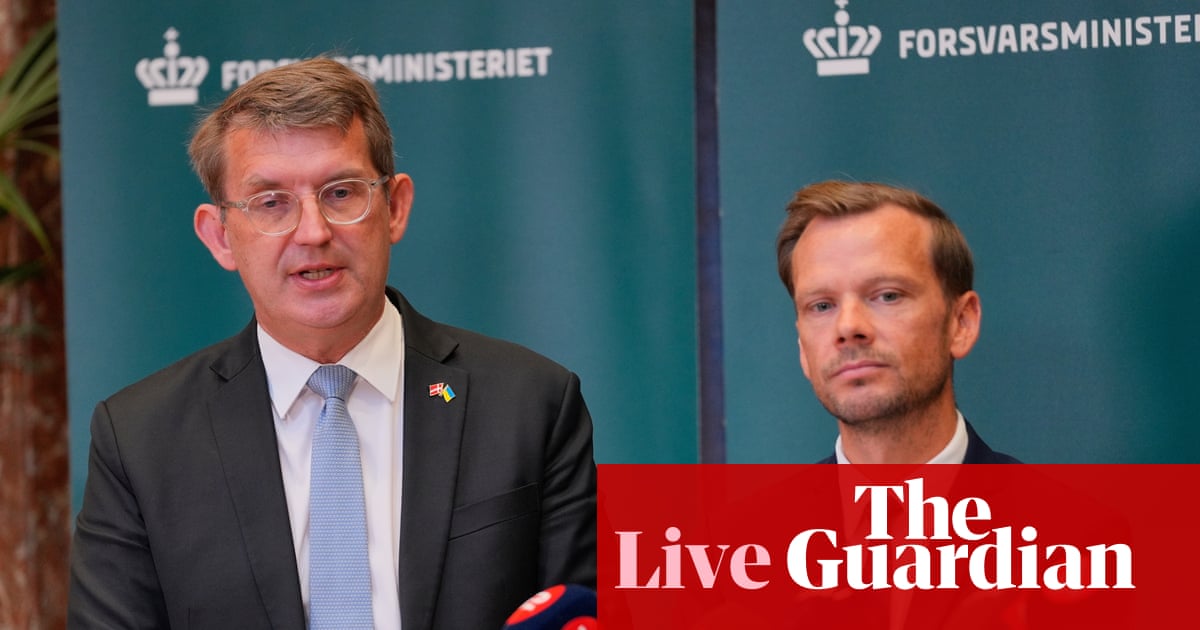
Danish Authorities Boost Security After ‘Actor’ Shuts Down Aalborg Airport—Europe News

Europe at a Crossroads: Denmark’s Drone Crisis Sparks Geopolitical Uncertainty

In recent weeks, Denmark has become the epicenter of a series of unsettling drone incursions in its airspace, exposing vulnerabilities that threaten not only national security but also the broader stability across Europe. Authorities now firmly believe that these attacks are orchestrated by a professional, hybrid entity rather than rogue private operators, marking a significant escalation in the use of drone technology as a tool of strategic disruption. Such systematic attacks, occurring at multiple locations including Aalborg airport, have prompted Danish officials to consider activating Nato’s Article 4 proceedings—an act of consultation that signals heightened concern about external aggression and regional destabilization.

Defense Minister Troels Lund Poulsen has emphasized the sophisticated nature of these operations, likening them to a hybrid attack using different types of drones. This assessment underscores a broader pattern of hybrid warfare—a strategy employed by state and non-state actors designed to create chaos and sow division, often without direct military confrontation. The incident comes amidst a crescendo of geopolitical tension that involves not just Denmark but the entire continent. Analysts from the European Union and global security think tanks warn that these incidents may portend a new era of covert conflicts, where technology-driven asymmetric warfare becomes the norm.

The strategic significance of Denmark’s response cannot be understated. The government’s consideration of requesting Nato Article 4 consultations indicates a potential shift toward collective security measures in the face of evolving threats. Although the country has yet to officially invoke the article, the ongoing engagement with Nato and the European Union reveals a deliberate effort to bolster defenses and establish a unified front. Historically, security experts like Dr. Emily Carter and notable organizations such as EUROPOL suggest that this escalation could serve as a precursor to intensified security cooperation across the Atlantic Alliance, redefining the geopolitical landscape even further.

While Denmark’s leadership states there is no evidence linking the drone incidents to Russia, fears persist over the broader implications of escalating tensions in Eastern Europe. The possibility that these attacks aim to undermine Denmark’s support for Ukraine aligns with patterns observed in recent European confrontations, where technological infiltration has played a tactical role. As the country gears up for a major diplomatic event—the upcoming EU summit—the emphasis on expanding defense capabilities and legal frameworks suggests a definitive move toward hardening national infrastructure against future hybrid assaults. This crisis, often dismissed as a mere technological nuisance, risks evolving into a catalyst for broader geopolitical realignments.

The unfolding story of Denmark’s drone crisis encapsulates a pivotal moment in international affairs—an era where the battleground extends beyond conventional borders into the skies, and where the decisions made today will resonate in the corridors of power for generations to come. The weight of history presses upon Europe’s fragile balance, as the specter of covert warfare clandestinely shifts the trajectory of global peace and security.

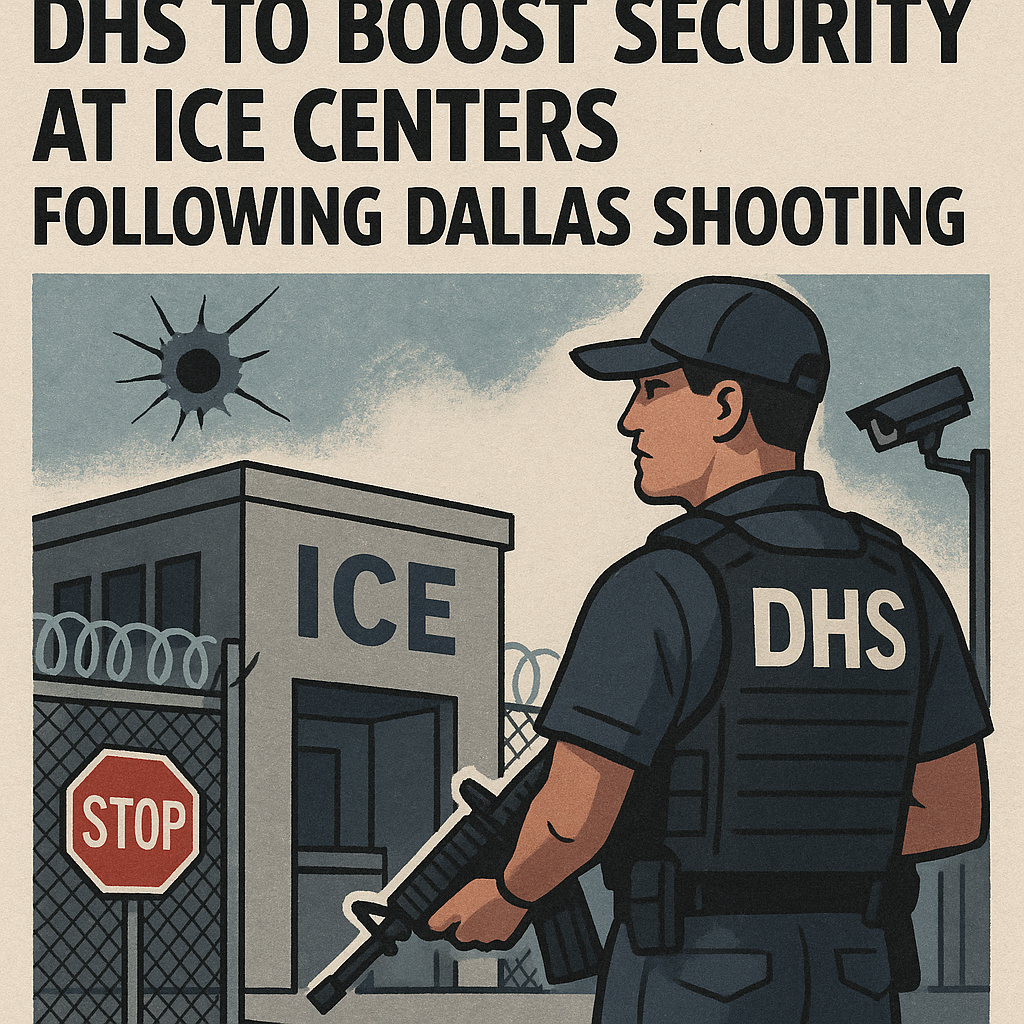
DHS to Boost Security at ICE Centers Following Dallas Shooting

The recent deadly shooting at an ICE facility in Dallas has ignited a surge of responses from the Department of Homeland Security (DHS), signaling a shift in the federal government’s approach to national security and immigration enforcement. In the aftermath of this tragic event, DHS announced it would “immediately increase security” at Immigration and Customs Enforcement (ICE) facilities nationwide, a move that underscores the ongoing power struggles between a government committed to border security and factions advocating for more lenient immigration policies. This escalation reflects a broader political confrontation, where decisions made in the halls of power directly impact law enforcement tactics and the safety of personnel working on the front lines.

The attacker’s motivations, reportedly driven by hatred for ICE, underscore the volatile atmosphere surrounding immigration enforcement agencies. This incident, a rare but alarming act of violence, has been exploited by hawks who argue for tougher security measures and stricter immigration policies, framing the shooting as a consequence of perceived governmental leniency or failure. On the other side, critics question whether this act of violence is being used as a pretext to justify draconian reforms and increased militarization. Constitutional experts and political analysts have long debated the balance of power when it comes to federal agencies like ICE, emphasizing the importance of safeguarding individual rights without compromising national security—a delicate tug-of-war that echoes throughout American history, reminiscent of debates during the early Cold War era.

Within the ideological fissures driving today’s politics, the right-wing factions see the DHS’s new directives as essential to defending the sovereignty of the nation and protecting American citizens from threats that are often marginalized in mainstream discourse. Campaign promises by leadership often included sentiments of restoring law and order and equipping agencies with the tools to combat what they deem an era marked by chaos and lawlessness. Conversely, those on the left caution against an approach that risks turning immigration enforcement into a militarized apparatus that erodes civil liberties. These conflicting visions of security mirror profound power struggles over the soul of American democracy—whether it is a nation of open opportunity or a fortified fortress determined to guard against external and internal threats.

As history’s currents continue to shift, it becomes clear that such moments are recorded as more than isolated incidents—they are defining chapters in the narrative of a nation wrestling with its identity. Decisions made today at DHS and across the political spectrum are not mere policy shifts but mirror the deeper contest of how freedom and security are balanced. In this ongoing saga, politics remains the grandstage where the destiny of the republic is scripted, with each movement and counter-movement setting the course for generations to come. Ultimately, the true power lies in the choices made now—choices that will shape the very fabric of society, for politics is where history’s pen finds its ink.

Social Media Auto Publish Powered By : XYZScripts.com