Matox News

Truth Over Trends, always!

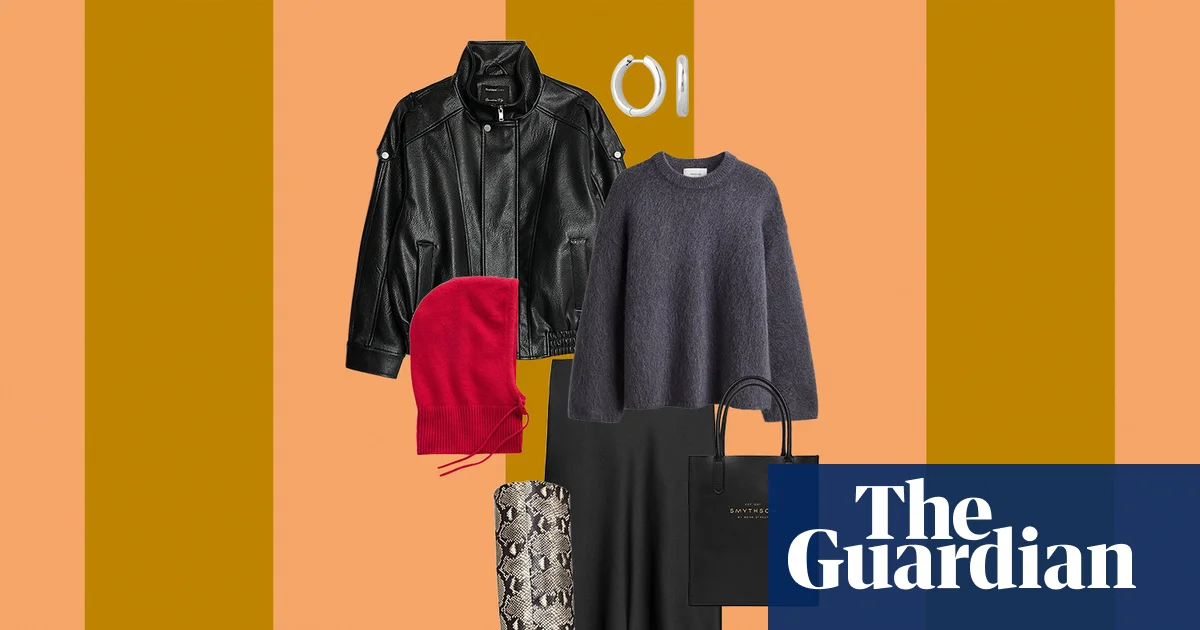
Level Up Your Style: The Top Knee-High Boot Looks for Trendsetters

Step into the Future of Fashion: Statement Boots as Winter’s Must-Have

As the temperatures dip and the season shifts, fashion enthusiasts are once again turning to statement boots to anchor their winter wardrobe. This trend has been gaining momentum, fueled by a blend of social media influencers, fashion-forward celebrities, and regional stylistic boundaries pushed wide open. The appeal is simple: instead of over-complicating ensembles with complicated accessories, autumn and winter dressing now revolves around one bold, eye-catching piece—the statement boot. This shift reflects a broader cultural movement towards minimalism in accessories, while allowing footwear to serve as the primary mode of self-expression.

Fashion analysts highlight that the enduring power of these boots lies not just in their aesthetic impact but in their social relevance. They symbolize confidence, rebellion, and individualism at a time when societal conversations about identity, expression, and authenticity are more urgent than ever. Influencers such as Emma Chamberlain and Lil Miquela have championed knee-high, metallic, or intricately detailed boots in their social media feeds, cementing their role as cultural markers for a generation eager to stand out. Sociologists note that this trend is also shifting perceptions of femininity and masculinity, part of a larger conversation about gender fluidity and personal empowerment facilitated by a serene yet defiant style choice.

Furthermore, the cultural impact of statement boots extends beyond mere aesthetics. They are becoming a social signal—an unspoken communication of attitude, status, and belonging. From haute couture runways to streetwear corners, civil society figures argue that such footwear styles are democratizing fashion, offering a canvas for youth to articulate their identity in a way that is accessible and unpretentious. Trend curators are documenting an increase in demand for brands like Stuart Weitzman and Dr. Martens, which offer a range of bold, durable options that defy seasonal limitations.

  • Bold, thigh-high leather boots
  • Chunky heeled ankle boots with metallic accents
  • Over-the-knee styles in vibrant colors

What’s fascinating is how this style shift is resonating with a broad demographic—young urbanites, college students, and even working professionals—who see in statement boots a way to challenge traditional fashion hierarchies. Fashion expert Dr. Lisa Rivera suggests that this trend represents “a move away from fleeting fashion trends toward lasting symbols of individual style that carry social weight.” Yet, amid this rising ascension of boots as cultural icons, a question lingers: *Will this trend evolve into a more permanent fixture of our societal identity, or is it just another fleeting chapter in youth-driven fashion innovation?* As digital influences continue to sculpt how we define style and status, the leap from trend to staple gathers momentum, stirring discussions about what the future holds for self-expression through footwear. Certainly, the next chapter of this trend may redefine what it means to truly “walk your own path.”
Trump Town Faces Shutdown Boot as Budget Crisis Builds

The US Government Shutdown: A Local Impact with Global Geopolitical Ripples

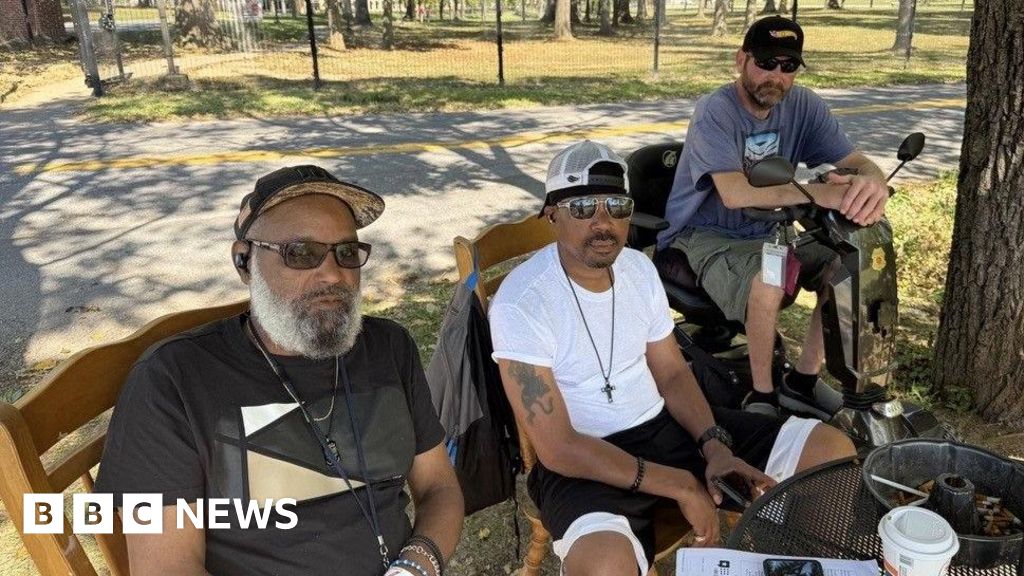
As the United States government enters its third month of shutdown, the geopolitical consequences are rippling far beyond the halls of Washington, impacting local communities and societies with tangible immediacy. In Martinsburg, West Virginia, a town emblematic of the broader American fabric, federal employees, veterans, small business owners, and residents find themselves at the mercy of political deadlock. While the immediate effects include furloughed workers and shuttered services, analysts warn that this crisis highlights the deeper fissures and vulnerabilities within the very structure of American governance.

The shutdown began after a contentious political impasse over federal funding, with Democrats and Republicans entrenched in their stance since October 1st. The result has been the suspension of vital programs that sustain not only the lives of millions but also the stability of local economies. For instance, in Martinsburg—an area with a significant federal workforce—over 3,300 federal employees are directly affected, with additional thousands commuting to the capital daily. The impact on veteran care, as seen through the story of Army veteran Jonathan Giba, exemplifies the human toll: delayed medical treatment, halted career transition programs, and a growing sense of worry among those already scarred by service. Somber voices,” as noted by analysts, suggest this crisis is not merely about politics but about the systemic neglect of everyday Americans’ needs.

Within the broader geopolitical context, this shutdown underscores divisions within the United States—dubbed “Trump country”—where a fierce sense of independence and skepticism toward establishment politics runs deep. The political stalemate reflects more than a budget dispute; it embodies an ideological struggle that risks eroding trust in democratic institutions at a time when international confidence in American stability could waver. Historians fragility warn that repeated shutdowns risk long-term damage to the @America’s global standing, as allies and adversaries watch with keen interest. International organizations, like the United Nations, have expressed concerns over the stability of US policies and their capacity to meet global commitments, emphasizing that the world cannot ignore the internal crises of the most powerful nation on Earth.

Meanwhile, the impact is felt deeply within the American heartland—where small businesses like Tina Hissam’s suffer from the ripple effects of disrupted federal contracts and service closures. With USDA service centers shuttered and furloughed IRS workers further delaying claims and refunds, local economies flounder in uncertainty. According to economists and local leaders, such as Kelly Allen of the West Virginia Center on Budget and Policy, the suffering touches every stratum—from laid-off federal personnel to the most vulnerable members whose survival depends on stable government support. These mounting pressures threaten to further destabilize a politically divided society, fueling an urgent call for resolution amid a landscape of growing economic fragility.

As the crisis drags into the months, the narrative remains one of profound uncertainty—where history offers grim lessons: prolonged shutdowns lead to deeper policy failures, increased societal fractures, and a diminishing capacity for government to serve its people. With each passing day, the weight of history presses down; the American experience is once again at a crossroads, teetering between political brinkmanship and the imperative for leadership, unity, and purpose. The question persists—will this be a moment of reckoning, or a chapter of further decline, as the unstoppable momentum of history continues its relentless course?

Social Media Auto Publish Powered By : XYZScripts.com



