Matox News

Truth Over Trends, always!

Pakistan Tells Afghanistan: Enough Is Enough—Declares Open War After Border Attack

Escalating Tensions Between Pakistan and Afghanistan: A New Chapter in Geopolitics

The serene yet volatile relationship between Pakistan and Afghanistan has spiraled into a dangerous new phase, shaking the stability of South Asia and reverberating across global geopolitics. Just months after a fragile ceasefire brokered by Qatar and Turkey aimed to halt the deadly border clashes, both nations now find themselves embroiled in what many analysts are calling an “unprecedented escalation.” The situation echoes the historical tensions over the disputed Durand Line, but recent events mark a stark departure—the direct military engagement between the two neighboring powers.

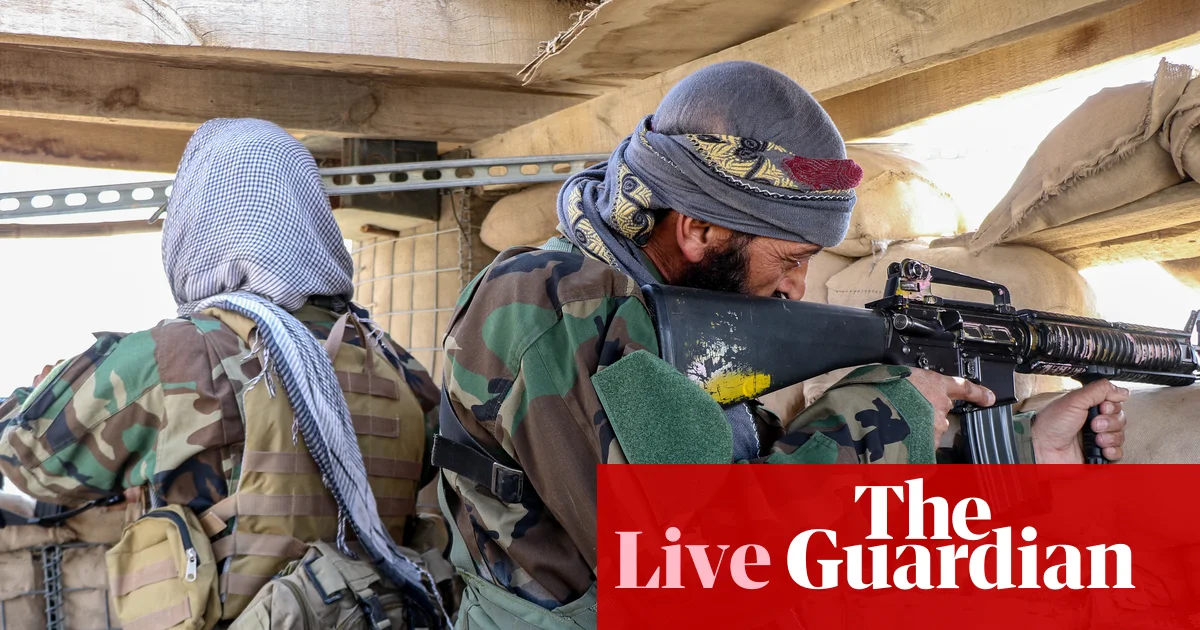
On February 27, 2026, Pakistan declared an “open war” following alleged unprovoked cross-border firing from Afghan territories. In a decisive move, Pakistani forces launched Operation Ghazab lil-Haq (“Righteous Fury”) targeting Afghan military positions, including Kabul, Kandahar, and Paktia—an unprecedented escalation that risks destabilizing the entire region. Khawaja Mohammad Asif, Pakistan’s defense minister, openly articulated the nation’s grim new stance: “Our patience has now run out. Now it is open war between us.” Such rhetoric signals a dangerous departure from diplomacy, reflecting mounting frustrations over what Islamabad claims are harboring Afghan Taliban and militant groups within Afghan borders.

Meanwhile, Afghanistan’s Taliban government has responded with retaliatory attacks, including claims of drone strikes targeting Pakistani military sites. Afghan officials have asserted that their military retaliated after Pakistani airstrikes, with reports of casualties reportedly both statistical and conflicting, as each side leaks vastly different figures. Official statements from Afghanistan speak of over fifty Pakistani soldiers killed, whereas Pakistani authorities claim significant Taliban casualties in the thousands, emphasizing the opaque and chaotic nature of today’s conflict. Many international organizations, including the United Nations, have expressed grave concern over the rising civilian toll—highlighting that the true human cost remains hidden amid diverging narratives.

  • The escalation begins as analysts point out it is the first time Pakistan has directly targeted Afghanistan’s Taliban rather than solely militant TTP positions.
  • Examining the wider geopolitical impact, this conflict threatens to undo the tentative peace processes and threatens regional stability.
  • Global powers, from Russia to China, are calling for restraint, but their diverging interests complicate swift resolution.

International responses continue to underscore the gravity of this evolving crisis. The UK, through Foreign Secretary Yvette Cooper, urges both sides to engage in de-escalation and mediated dialogue, echoing widespread calls for restraint. Conversely, Russia, the only country with formal recognition of the Taliban government, has urged both Afghanistan and Pakistan to return to diplomatic negotiations, warning that further escalation risks catastrophe. China, a regional powerhouse and key player in mediating through its channels, has expressed deep concern, calling for a swift ceasefire to prevent further bloodshed and chaos.

Within this tempest of military exchanges and diplomatic appeals, the destiny of South Asia hangs precariously in the balance. The recent direct confrontations breathe new life into a long-standing conflict that could ignite larger regional confrontations, involvingierleaning nations wrestle with the brutal realities of sovereignty, militant sanctuaries, and geopolitical dominance. As historians and analysts observe, “This moment may very well be the defining juncture of the 21st century’s regional order,” and the decisions taken in these tense days will undoubtedly echo through history’s halls for generations to come.

The unfolding chapter of this crisis leaves the world with a haunting question:

Will diplomacy prevail, or are we witness to the very brink of a wider, perhaps even catastrophic, regional war?
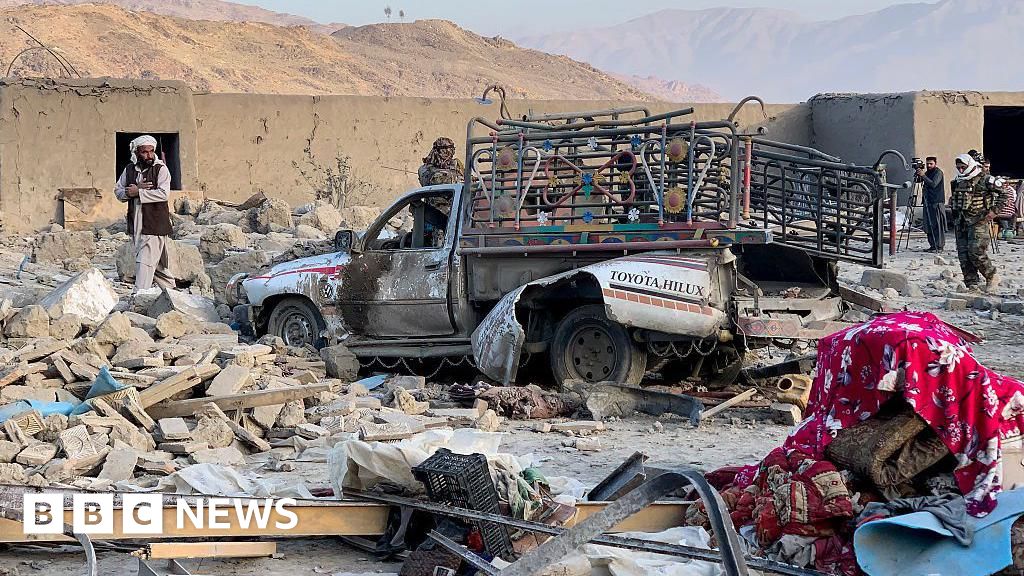
Pakistan targets Afghan cities as border tensions escalate

The recent escalation between Afghanistan and Pakistan marks a critical turning point in South Asian geopolitics, inviting global scrutiny and raising concerns about regional stability. According to reports, the Afghan Taliban has officially announced that it responded to recent Pakistani military strikes, which targeted Afghan cities including Kabul and Kandahar. This development underscores a spectrum of complex intertwining issues—territorial disputes, security threats, and the fragile balance of power—that have long defined the relationship between these two nuclear-armed neighbors.

The Pakistani military entered Afghan territory, citing counter-terrorism operations against militant groups operating across the border. However, the Taliban’s claim of response signifies a shift from previous Taliban neutrality, hinting at a broader escalation that could destabilize the entire region. Military analysts warn that such exchanges risk fueling a cycle of retaliation, pushing South Asia closer to outright conflict. The recent moves come amid an increased militant threat and growing tensions over Afghanistan’s future political landscape following NATO’s withdrawal and the Taliban’s return to power.

The regional implications of these strikes are far-reaching. Pakistan, a key U.S. ally during the Cold War and in the ongoing war on terror, now finds itself entangled in an unpredictable crisis that challenges its strategic interests. The Taliban, supported by elements within and outside Afghanistan, has reiterated its stance of defending its territorial integrity, implicitly warning Pakistan against further military incursions. Meanwhile, China and Russia observe cautiously, understanding that prolonged instability could undermine their interests in Central Asia and beyond. The United Nations calls for restraint but remains deeply concerned about the possibility of escalation leading to a wider regional conflict, jeopardizing prospects for peace in a volatile part of the world.

Historians and foreign policy analysts point to these events as a pivotal moment. Dr. Samuel Peterson, a senior researcher at the International Institute for Strategic Studies, notes that “the response of the Taliban indicates a potential shift in their approach to regional security, possibly signaling a more assertive stance in defending their borders, which could destabilize the fragile peace in the region.” The aftermath of these military actions could reshape alliances, influence internal politics, and determine whether South Asia will step into a new era of conflict or find pathways toward diplomacy. The interplay of national sovereignty, militant insurgency, and international interests continues to hang in the balance, with the world watching closely.

In this unfolding narrative of conflict and diplomacy, history is again being written. The decisions taken by Pakistan and the Taliban at this critical juncture could have enduring consequences, echoing through generations. As diplomats scramble for solutions and military tensions simmer dangerously, the fate of millions remains uncertain. The shadow of history looms large, reminding us that in the high-stakes game of regional power, one misstep could ignite a conflagration that reshapes the geopolitical landscape forever. The weight of this unfolding story underscores the harsh reality: in the theatre of international relations, peace is often the fragile exception in a world driven by conflict and national interests.

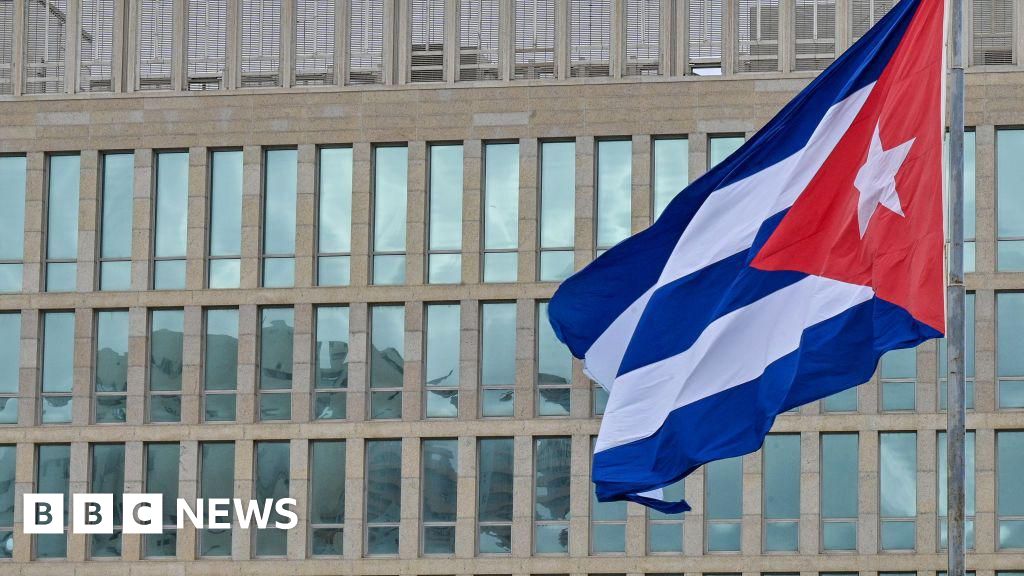
Cuba claims U.S. border guards fatally shoot four on speedboat—questionable actions escalate tensions

In an unsettling development along Cuba’s northern coast, a confrontation or incident resulted in the injury of six passengers, underpinning growing stability concerns in the region. The event, which unfolded near an island off Cuba’s coast, has triggered a wave of international interest and analysis, spotlighting the fragile geopolitical equilibrium that characterizes the Caribbean basin today. While details remain murky, the incident’s timing and location suggest broader currents of regional instability, with implications that ripple far beyond the immediate borders of Cuba.

Historically, Cuba has been a strategic geopolitical piece, nestled amidst the interests of major powers such as the United States and Russia, with recent attempts at normalization of relations and economic liberalization still under tension. Analysts from institutions such as Jane’s Intelligence Group and The Council on Foreign Relations emphasize that incidents like this often serve as flashpoints within larger narratives of regional influence. Speculation persists that this event may be linked to ongoing disputes over maritime sovereignty or the rising tensions wrought by increased foreign military presence in the Caribbean.

  • Security concerns escalate as maritime incidents become more frequent, challenging Cuba’s diplomatic stability.
  • International organizations, including the UN Maritime Agency, are closely monitoring the situation, acknowledging the potential for escalation into broader conflict.
  • Potential repercussions could entangle neighboring nations, heightening fears of a regional flashpoint amid rising U.S.-Venezuela tensions.

The geopolitical impact of this incident extends beyond immediate safety concerns. Regional powers are reevaluating security protocols, with some calling for increased patrols and intelligence sharing. The event also prompts reflection within how nations balance sovereignty, security, and cooperation. As Latin American governments grapple with these developments, the shadow of great power competition looms larger. How does this incident fit into the broader canvas of shifting alliances and strategic postures in the Western Hemisphere? These questions are now central to international diplomacy, with analysts warning that failure to address underlying tensions could lead nations down a darker, more unstable path.

Meanwhile, historians and geopolitical analysts warn that such localized incidents, if left unaddressed, risk falling into patterns of escalation rooted in unresolved territorial or resource disputes. The maritime area near Cuba has long been a corridor for both legal trade and clandestine activity, making it a hotspot for potential conflict. The world’s eyes remain fixed on this evolving story, as the weight of history presses down on current events, reminding us that in the complex game of geopolitics, today’s small incident could ignite tomorrow’s larger crisis. As nations converge on this critical juncture, the choices they make now will reverberate for generations to come, shaping the future in ways that are yet to be fully understood.

US Border Official: Immigration Crackdown in Minnesota Will Wrap Up

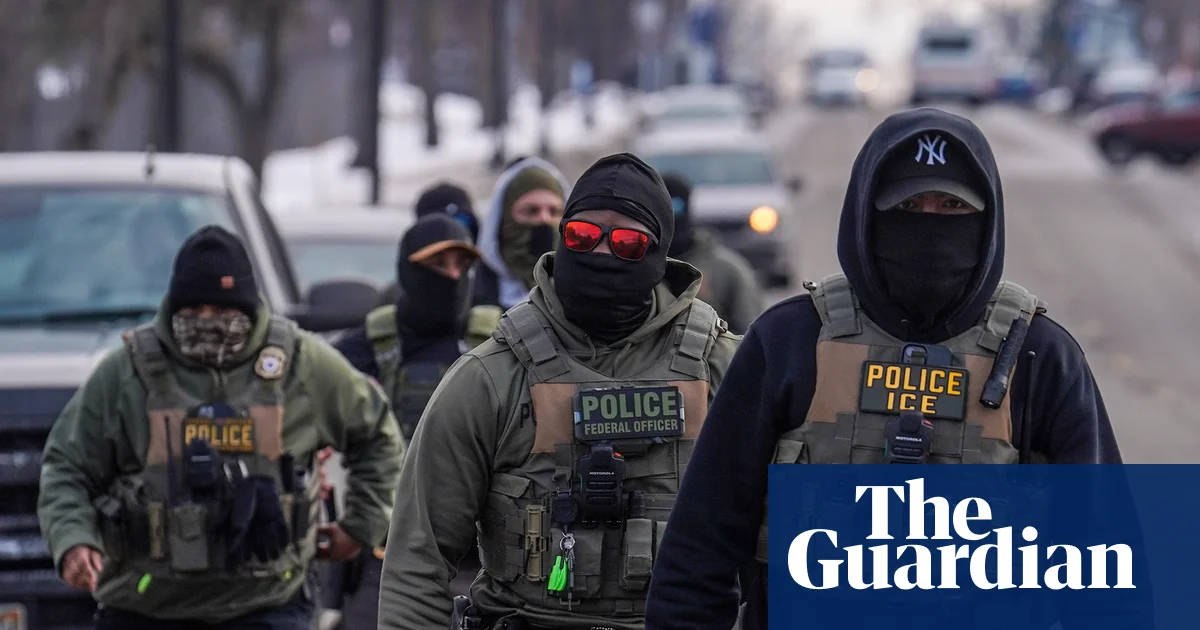
The recent withdrawal of federal immigration enforcement operations in Minnesota marks a decisive moment in the ongoing struggle between the federal government and local communities over immigration policy. Under the leadership of President Donald Trump, the U.S. Department of Homeland Security initially launched an aggressive crackdown in the state, aiming to tighten border security and curtail illegal entry. However, the operation resulted in tragic consequences, including the deaths of two U.S. citizens, mass detentions, and widespread protests—highlighting the deep tensions surrounding immigration enforcement today. Such policies are not merely internal issues; they have profound geopolitical repercussions that ripple well beyond America’s borders, influencing international perceptions of U.S. commitment to law and order.

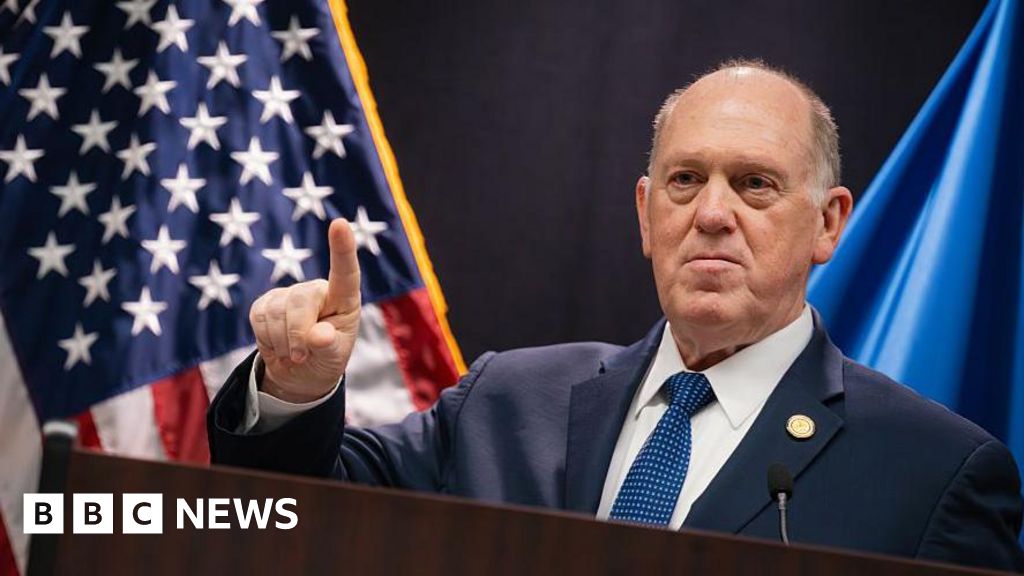
As Tom Homan, the acting border czar, announced a significant drawdown earlier this week, the move signals a shift—albeit cautiously cautiously—toward a more pragmatic approach that seeks to restore community trust while maintaining enforcement priorities. Officials in Minnesota, including Democratic governor Tim Walz and Minneapolis mayor Jacob Frey—both openly critical of the crackdown—expressed cautious optimism. Mayor Frey highlighted the resilience of local communities in the face of what he called an “occupation,” asserting that “a love for our neighbors” and a sense of American patriotism will guide their recovery. Yet, amidst this internal political debate, the broader geopolitical impact remains stark: U.S. immigration enforcement is a matter of national sovereignty, influencing international allies and adversaries alike, especially in an era of rising global migration crises and regional conflicts.

Historians and analysts warn that the current trajectory could set a dangerous precedent for how the U.S. handles its borders and internal security. Organizations like the International Organization for Migration and security experts have pointed out that such policies often fuel global instability, as neighboring countries observe the U.S. retreating from its international commitments. Meanwhile, China and Russia watch carefully—assessing whether U.S. internal divisions weaken its global influence or present opportunities to expand their own spheres. The policy of mass deportations, touted yet again by Homan, underscores an unwavering commitment to “public safety,” yet critics argue that excessive enforcement can exacerbate societal divisions and undermine diplomatic credibility, especially as the U.S. seeks alliances in regions vulnerable to upheaval.

Ultimately, the unfolding story in Minnesota is but a chapter in the larger saga of a superpower grappling with its fractured identity. As Trump’s administration doubles down on its hardline stance, the world watches—wondering whether the United States can reconcile its values of freedom and order amidst a climate of upheaval. The decision to draw down agents, to focus on public safety, and to acknowledge the costs of previous tactics raises questions about the future of U.S. immigration policy. Will the nation find a sustainable balance, or will it descend further into internal chaos and global irrelevance? The answer is still unwritten, hanging like a shadow over history’s relentless march forward—an enduring, haunting question that history will either vindicate or condemn.

Gaza’s Rafah Border Reopens for Select Travel Amid Tensions — What You Need to Know

Amid mounting international scrutiny, European Union officials and former diplomats are raising alarms over the ongoing humanitarian and legal crises in Gaza and the broader West Bank. A coalition of more than 400 former European top diplomats has called for intensified pressure on Israel, condemning what they describe as “excesses and unremitting violations of international law.” This unprecedented appeal underscores the deepening global concern about the conflict, as the bloc considers suspending or revisiting its strategic relations with Israel, including the engagement under the EU-Israel association agreement. The signatories, many of whom previously held senior diplomatic positions, are urging the EU to adopt a firm stance by initiating a “time-limited dialogue” with Israeli authorities, potentially including the suspension of agreements if Israel fails to respond constructively.

This diplomatic push comes at a time when the United Nations and human rights organizations warn of a dire reality on the ground. More than 500 Palestinians, including approximately 100 children, have been killed during Israeli military operations since last year’s ceasefire, according to Gaza’s health ministry. Heavy restrictions on humanitarian aid and ongoing Israeli settlement projects, particularly in East Jerusalem and the West Bank, threaten the viability of a two-state solution. Notably, Israel’s moves towards annexation and settlement expansion have drawn international condemnation, further complicating the prospects of peace and stability in the region. Critics argue that such policies not only violate international law but also bolster radical factions, which perpetuate cycles of violence and instability across the Middle East, with the global geopolitical landscape sharply affected as a result.

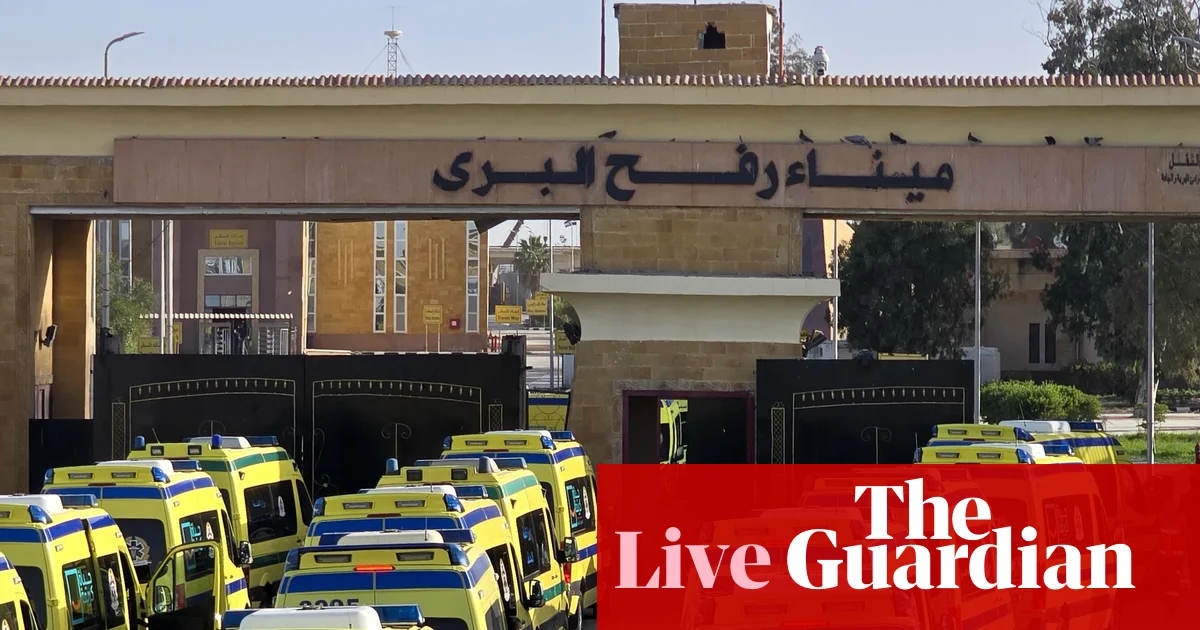
The recent reopening of the Rafah border crossing between Gaza and Egypt, after months of closure, symbolically marks a new but fragile chapter in the ongoing crisis. The limited movement of Palestinian civilians—just fifty people daily—mainly those in need of medical treatment, reflects the complex security calculus driven by Israeli and Egyptian authorities. Israeli officials stipulate that ongoing security checks will regulate crossing, and the process involves multi-layered screening. The Gaza health ministry reports approximately 20,000 patients, many of them wounded or ill, waiting to evacuate, emphasizing the persistent humanitarian catastrophe. This partial reopening, aligned with the US-led ceasefire efforts, comes amidst the deadliest Israeli airstrikes in months, which have resulted in the deaths of at least 30 Palestinians, including civilians sheltering in tent cities, highlighting the precariousness of peace prospects and the ongoing toll of conflict.

International organizations and analysts highlight how these strategic decisions and geopolitical maneuvers ripple through societies and influence global stability. The World Health Organization warns of worsening health conditions in Gaza, with rising cases of respiratory infections and hypothermia, exacerbated by the blockade and infrastructure destruction. Meanwhile, the International Criminal Court continues to investigate potential war crimes, including Israel’s conduct amidst accusations of a “genocide,” as a prominent UN human rights lawyer openly condemns Israeli policies — a stance that has led to sanctions and diplomatic fallout, especially from the US. The confluence of military action, diplomatic isolation, and international moral debates reveals a landscape of profound instability, where each decision echoes beyond borders. As the world watches, history’s ink continues to be written with every strike, treaty, and diplomatic reprimand—reminding all that peace in Gaza is not merely a local issue but a chapter in a larger story of justice, sovereignty, and international law that remains unfinished.

Border Chief: Minneapolis Agents May Exit If Local Leaders Cooperate

In an effort to recalibrate immigration enforcement policies, Tom Homan, a prominent figure within the Trump administration, announced a shift toward more targeted immigration operations. This move arises amidst mounting frustrations within specific urban centers and on Capitol Hill, where bipartisan concern over border security and immigration reform continues to simmer. The administration’s promise to refine enforcement strategies reflects a broader attempt to address the complex confluence of domestic pressure and international security dynamics, positioning itself at a critical juncture for U.S. domestic policy and global geopolitics.

Historically, debates over immigration have risen to the forefront of U.S. political discourse, with recent efforts emphasizing a more constrained approach to unauthorized crossings. Analysts suggest that these targeted operations aim to prioritize threats linked to transnational crime, human trafficking, and national security risks—shifting away from broad, indiscriminate sweeps. This approach aligns with the views of many security experts and included in recommendations from international think tanks and organizations such as Homeland Security. By focusing enforcement, the administration intends to avoid inflaming local communities while addressing security concerns that resonate across policy circles, especially amid growing geo-economic tensions.

The decision to implement more precise immigration actions bears significant geopolitical impacts. As regional powers such as China and Russia observe shifts in U.S. foreign and domestic policy, they are increasingly aware of how these policies influence global stability. The targeted approach is not merely about border control but acts as a strategic signal—demonstrating that the United States is refining its enforcement to avoid unnecessary humanitarian crises that could fuel international criticism, while simultaneously projecting strength against irregular migration flows that threaten borders. International organizations, including the United Nations, continue to monitor how such policies align with global standards on human rights and sovereignty.

Critical to this development are the broader implications for international relations. Countries that are sources or transit points for migration are already reevaluating their diplomatic strategies. Historically, border enforcement has had ripple effects, influencing regional stability and economic cooperation. Experts warn that overly aggressive policies could provoke retaliatory measures or destabilize neighboring nations—effects that ripple well beyond America’s borders. Furthermore, experts warn that such targeted operations could serve as a warning sign to adversaries looking to exploit internal divisions as a means of destabilization, adding a layer of tension to the already volatile global landscape.

As nations watch these developments unfold, historians and foreign policy analysts recognize that this shift marks a critical turning point in the ongoing contest over sovereignty and security. The decisions made today could echo through generations, shaping the contours of international stability and the societal fabric of America itself. With so much at stake, the weight of history hangs heavily, and the world awaits—impatiently yet anxiously—for the next chapter of this unfolding story, where policies on the home front will echo loudly across the global stage.

Border Chief Promises ICE Improvements, Keeps Quiet on U.S. Citizen Shootings — Live Update on Minnesota ICE Incidents

In an era defined by shifting geopolitical sands and undercurrents of conflict, the United States continues to grapple with the implications of its immigration policies, both domestically and on the world stage. Under the leadership of figures like Tom Homan, Trump-era border czar, the federal government has maintained a stance of aggressive enforcement, emphasizing “targeted” operations and the assertion that “if you’re in the country illegally, you’re never off the table.” This approach, often characterized by no-holds-barred enforcement tactics, has sparked controversy and raised alarms internationally. Analysts warn that this aggressive posture not only deepens internal societal divisions but also has ripple effects across bilateral relations, especially with neighbors like Mexico and in the broader context of global alliances.

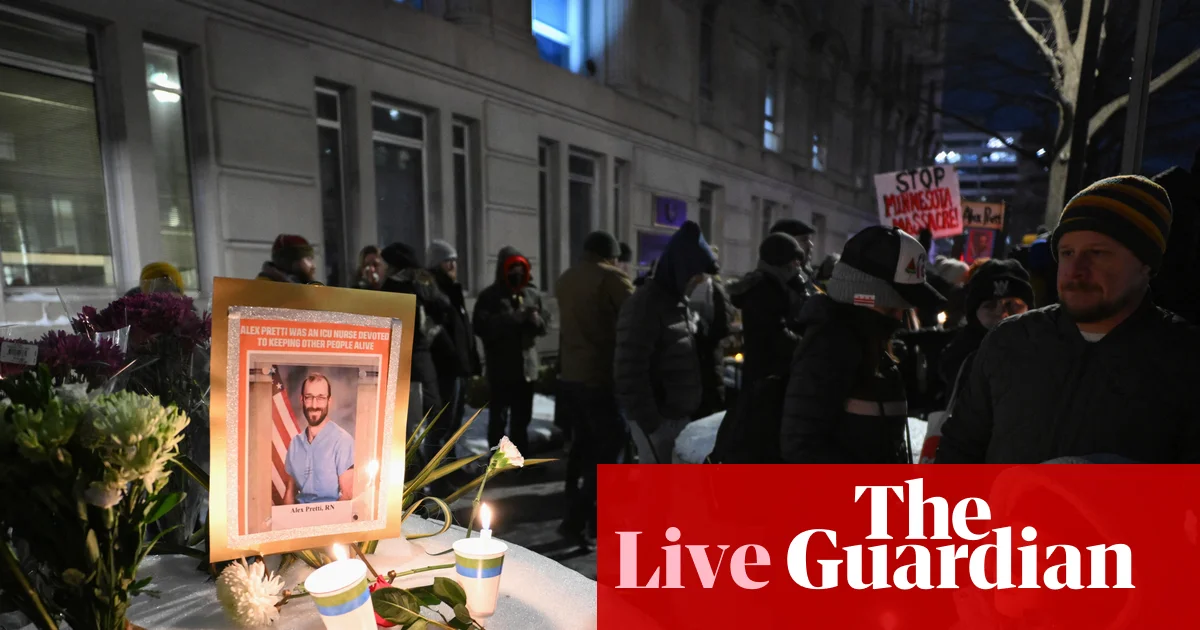
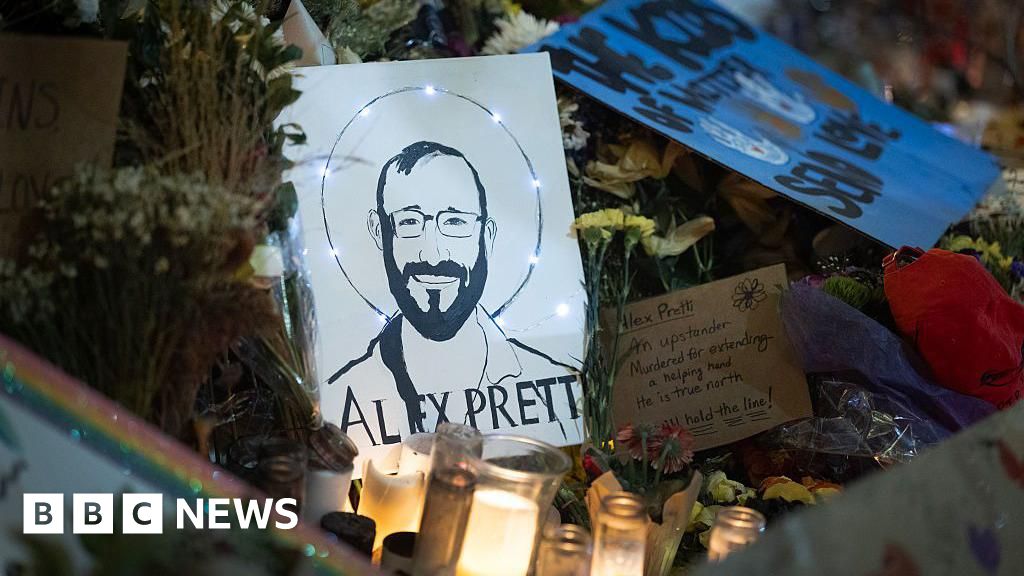
This latest surge in immigration enforcement coincides with increased tensions within Minneapolis following the fatal shooting of Alex Pretti by federal agents, an incident that has sharpened divides and intensified scrutiny of the federal government’s approach. Despite growing public outrage and protests, as witnessed during recent confrontations captured on video, officials such as Homan remain resolute, refusing to specify “improvements” or comment on specific investigations. “We know exactly who we’re looking for,” Homan declared, underscoring the relentless focus of federal agents on targeting *all* undocumented individuals, regardless of their criminal record or civil status. Critics argue that such policies risk dehumanizing vulnerable populations and escalating civil unrest, further complicating the already fragile rule of law within American jurisdictions.

Geopolitical Impact: A World Divided Over Sovereignty and Security

The unfolding situation in Minnesota and other states exemplifies how internal policy decisions can have profound geopolitical impacts. America’s stance on immigration, reinforced by directives from officials like Homan, signals a tough-on-immigration posture that resonates globally. Countries like Mexico and European nations watch with concern as the U.S. tightens border security and ramps up enforcement actions, often at the expense of diplomatic goodwill. The Biden administration, while attempting to soften some policies, faces mounting pressure from political factions demanding a line in the sand. Experts from think tanks and international organizations warn that prolonged enforcement crackdowns, especially when accompanied by violence and civil unrest, could destabilize regional security, increase refugee flows, and threaten global economic stability.

Meanwhile, the international community’s response remains mixed. While some nations criticize the U.S. for human rights violations, others, especially those facing their own migratory crises, look to Washington’s policies as a cautionary tale or even a blueprint. The United Nations and human rights advocates warn that the U.S. approach risks fostering a climate of fear and intolerance. In the global arena, the perception that the U.S. is prioritizing aggressive immigration enforcement over diplomatic cooperation can weaken alliances — including NATO — which already seemed shaken by rifts over policies such as Trump’s threats to impose tariffs on European allies and his ambitions over Greenland. How these internal policies shape perceptions and alliances will undoubtedly determine the geopolitical landscape for decades to come.

Reshaping Domestic Politics and Society

Within the American political arena, these enforcement actions and incidents like the Minneapolis shootings have catalyzed debates over sovereignty, civil rights, and the future of immigration reform. The recent announcement by Senator Amy Klobuchar of her bid for California governor and the rise of moderate figures like Matt Mahan reflect a nation at crossroads—one divided sharply along ideological lines over the best course of action. The relentless discourse around immigration has also seeped into local elections, with candidates blaming violence and social decay on federal policies, and promising to restore order and civility. Analysts warn that unless a decisive shift occurs, America’s internal divisions could deepen, leading to an unstable socio-political landscape that might result in further civil strife and international consequences, reminiscent of Cold War-era power struggles that shaped history.

As the world witnesses these tumultuous shifts, history eyes America’s next move—will it continue down the path of fierce enforcement and internal conflict, or will it seek a new vision rooted in collaboration and justice? The decisions made today—whether in Minneapolis, Washington, or in international diplomacy—are forging the narrative of an uncertain tomorrow. The odyssey of a nation caught between sovereignty, security, and the universal human quest for freedom is far from over; it remains unwritten on the expansive canvas of history, waiting for its next chapter to unfold in the shadows of a world still learning how to survive and thrive amid conflict and change.

Border agents linked to Alex Pretti's deadly shooting put on leave
Border agents linked to Alex Pretti’s deadly shooting put on leave

In an era marked by complex geostrategic shifts, the United States finds itself embroiled in a tumultuous domestic debate that has far-reaching implications beyond its borders. Recent exchanges on social media between former President Donald Trump and the Mayor of Minneapolis underscore the deepening ideological rifts over immigration law enforcement, illustrating how internal political struggles influence perceptions of national stability and foreign policy. As the nation grapples with these discordant narratives, international analysts warn that such upheavals could diminish America’s global standing at a critical juncture in history, especially amidst mounting challenges from rival powers like China and Russia.

The clash over immigration enforcement encapsulates broader debates on sovereignty and security that resonate well beyond U.S. borders. These internal conflicts, often amplified by social media, serve as a mirror to a nation divided, revealing fault lines that increasingly influence its ability to project power worldwide. Experts from the Council on Foreign Relations emphasize that how America manages these internal tensions will directly impact international partnerships and its ability to promote stability and democracy globally. As U.S. policymakers navigate this storm, the geopolitics of diplomacy is shifting, compelling allies and adversaries alike to reconsider their engagements with an America that appears fractured from within.

Meanwhile, a tragic incident involving the death of nurse Alex Pretti has sent shockwaves across American society, further fueling national crises of trust and social cohesion. The ongoing investigation and unresolved questions surrounding this event exemplify the broader social distress that defines contemporary America. Historically, analysts suggest, such domestic turbulence can weaken a nation’s ability to effectively engage on the international stage. Countries like China and Russia are closely monitoring these developments, viewing America’s internal strife as an opportunity to advance their own geopolitical agendas while undermining American influence. The situation underscores a critical lesson from history: internal cohesion is the bedrock of global power, and when fractured, even the mightiest nations falter.

As the world watches these unfolding dramas, the geopolitical landscape remains dynamic and unpredictable. US leaders face the daunting task of restoring stability amidst division, fully aware that their decisions today will ripple through history’s fabric. Analysts warn that a failure to unify and lead decisively could embolden rising authoritarian powers and accelerate the decline of Western influence. This ongoing saga, marked by political clashes, social upheaval, and international strategic recalculations, leaves the global community bracing for what lies ahead. In the shadows of this turmoil, the true test of resilience and leadership unfolds, reminding us all that history’s greatest moments are often born through chaos, forging new epochs in the relentless march of time.

Border Patrol Chief to Depart Minneapolis Amid Alex Pretti Shooting Controversy

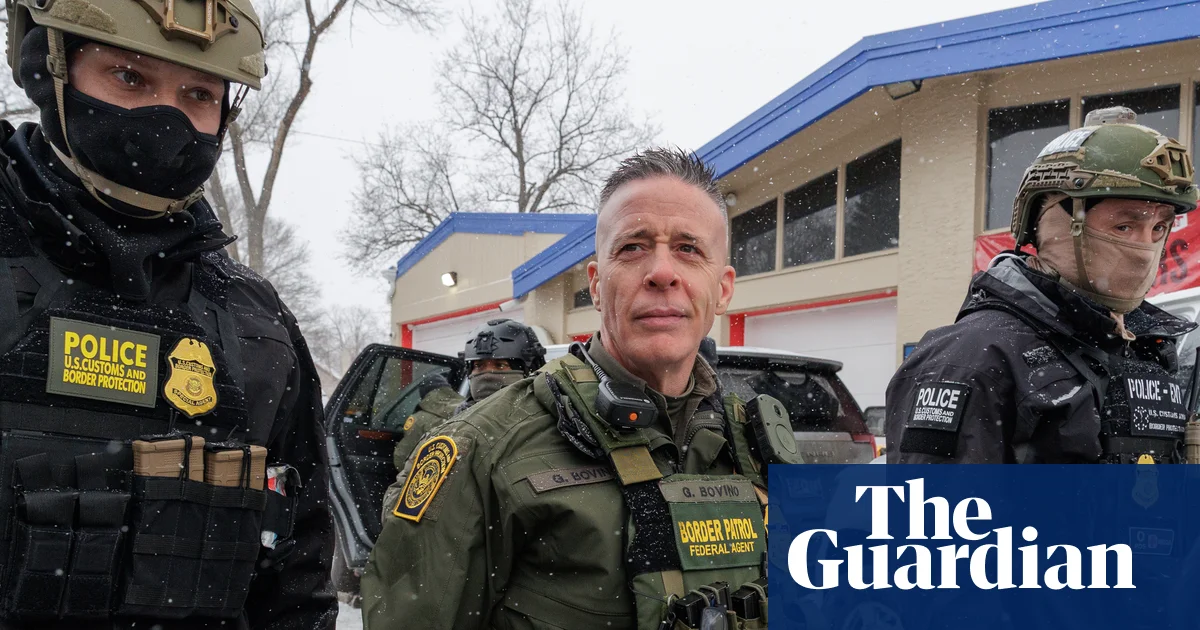
In a striking turn of events that extends beyond local Minneapolis tensions to the broader geopolitical landscape, recent shifts in United States immigration enforcement strategy reveal the resilience of a nation grappling with both internal unrest and international reputation. The White House has begun to modulate its aggressive approach, exemplified by the replacement of Gregory Bovino, the hardline border patrol commander, with Tom Homan, a seasoned figure known for his staunch stance on immigration control. This move comes amidst mounting criticism from civil liberties groups and Democrats, highlighting the White House’s challenge to balance urgent national security concerns with the image of lawful authority—an issue watched closely by global institutions seeking to interpret U.S. policy as a bellwether for Western democratic stability.

The decision to demote Bovino, a vocal supporter of the Trump administration’s deportation campaigns, accompanies a premature scaling back of federal military-style enforcement tactics in Minneapolis, where the tragic shooting of nurse Alex Pretti by federal agents has reignited protests. The White House’s shift, reportedly prompted by a series of deadly encounters and diplomatic pressures—such as calls from Minnesota’s Governor Tim Walz and Minneapolis Mayor Jacob Frey—signals an attempt at calibration in a tense geopolitical harbor. It underscores how domestic unrest dovetails with broader U.S. foreign policy narratives, affecting international perceptions of American law and order, especially when viewed through the persistent lens of the global community’s anxiety over rising authoritarian tactics versus democratic ideals.

Analysts from the Council on Foreign Relations and the Heritage Foundation emphasize that such internal reckonings are not isolated. They serve as turning points that ripple across the international stage. The Biden administration’s recent efforts to distance itself from the previous administration’s hardline policies, while still grappling with the consequences of aggressive enforcement, exemplify how leadership choices influence transnational efforts on migration and security. Meanwhile, global allies monitor *America’s internal policies*—such as the aggressive use of force, the legitimacy of police conduct, and the symbolism of leadership decisions—as reflective of the country’s ability to project soft power amidst chaos. Historically, similar internal crises have either fueled regional instability or prompted reform, depending on the collective response by civic institutions and the international community.

As the story unfolds, the tragic shooting of Alex Pretti and the subsequent political fallout remind the world that history is still writing its chapters. The pandemic of violence and division beckons a question that transcends borders: how long can a nation uphold the veneer of stability while grappling with the cracks beneath? With protests still echoing through the streets and leadership shifting in the corridors of power, it becomes clear that the United States stands at a pivotal crossroads—its choices echoing for generations to come, shaping a legacy of resilience or regression in the unfolding drama of history.

Half a million flee as deadly Cambodia-Thailand border clashes escalate—urgent need for stability

The ThailandCambodia border dispute has spiraled into deadly conflict once again, with the fiercest clashes since a brief ceasefire in July. Over 500,000 civilians have been displaced, seeking refuge in evacuation centers amid ongoing hostilities that have claimed at least 20 lives and injured nearly 200 people. This escalation, confirmed by Cambodia’s defense ministry, involves the use of heavy weaponry, including airstrikes and artillery, with each side accusing the other of provocations and violations of international agreements. The region, long plagued by unresolved territorial disputes, now faces the prospect of a wider crisis that alarmed analysts and international observers alike.

Despite efforts by US President Donald Trump and regional organizations, such as ASEAN, which brokered a ceasefire just six weeks ago, hostilities persist. The thick fog of mistrust hangs heavily over the fragile peace process, especially after Thailand suspended the ceasefire last month following accusations that Cambodia had laid a landmine, an allegation denied by Phnom Penh. Political upheaval in Thailand further complicates diplomatic efforts; Prime Minister Anutin Charnvirakul announced on social media that he is “returning power to the people,” with a reported plan to dissolve Parliament and call for snap elections. Analysts warn that this move may be aimed at bolstering nationalist sentiments, possibly hardening Thailand’s stance on the border confrontations, thus making diplomatic resolution more elusive.

While international voices, including Pope Leo XIV, lament the humanitarian toll, regional and global powers remain cautious. According to historians and security analysts, the renewed clashes reflect a deeper layer of regional instability and the failure of longstanding diplomatic efforts. The collapse of the ceasefire and the resurgence of violence showcase how fragile peace remains in Southeast Asia’s geopolitical landscape. For developing nations embroiled in border disputes, such conflicts threaten not only territorial integrity but also societal cohesion, economic stability, and regional security. The international community’s role is crucial, but many have begun to question whether external mediation can truly succeed when entrenched nationalistic narratives and internal political unrest dominate the narrative.

As civilians endure the brutality of artillery exchanges and their communities are torn apart, history observes a pivotal chapter unfolding in real time. This conflict symbolizes how stubborn territorial disputes continue to shape the geopolitical sphere, with consequences reaching beyond Southeast Asia. The outcome remains uncertain, with the specter of wider regional escalation looming. As the world watches with alarm, the people of Thailand and Cambodia are caught in the crossfire of a struggle not only for land but for sovereignty and identity—an ongoing story where the threads of diplomacy, nationalism, and history are intertwined in a dangerous weave, destined to leave an indelible mark on the pages of history.

Social Media Auto Publish Powered By : XYZScripts.com