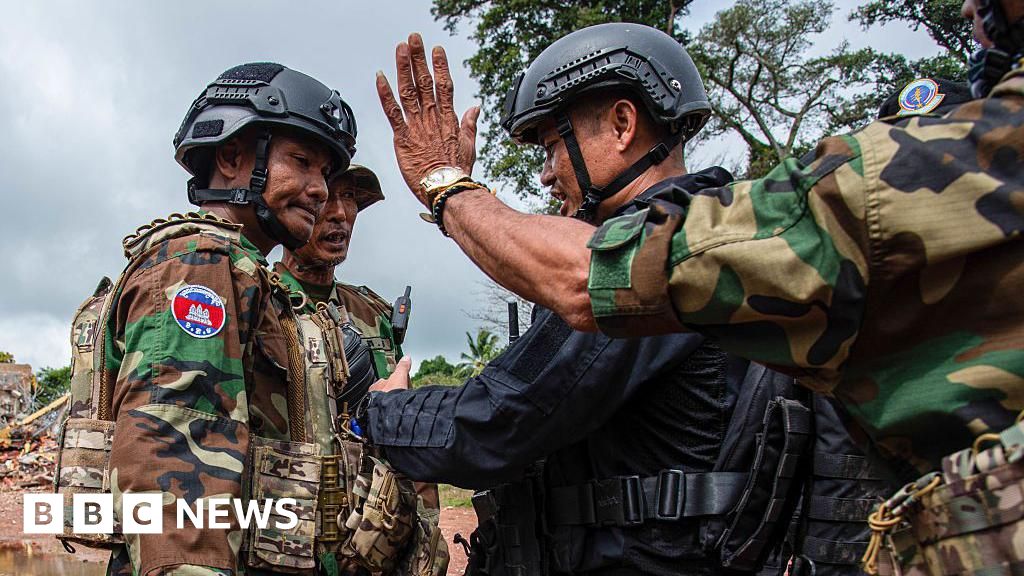

In a stark reminder of the fragility of peace in the Asia-Pacific region, renewed hostilities have erupted along the border between Thailand and Cambodia. After a brief lull post the US-brokered ceasefire in July, violence has resumed with artillery, rockets, and air strikes echoing across a corridor that has seen villagers evacuated twice within five months. The incident that ignited this latest flare-up—a Thai engineering team being allegedly fired upon by Cambodian troops—may seem minor, but in a geopolitically volatile environment, even small provocations can escalate swiftly into broader conflict. Analysts warn that both countries are engaging in a dangerous game of brinkmanship, with trust between them shattered and diplomatic channels almost entirely severed.
- The ceasefire signed in July was heralded by President Trump as a significant breakthrough. However, scholars and international observers have been quick to point out that the agreement was inherently fragile, largely dependent on external pressures, particularly from the US. The fact that it was secured primarily through threats of tariffs and economic leverage, especially in Thailand’s case, underscores the superficiality of the peace. Now, with both nations resuming confrontation, it becomes increasingly clear that geopolitical patience and trust are in short supply, paving the way for a protracted conflict that could destabilize the entire region.
The ongoing clashes are marked not only by the resumption of conventional combat but also by the disturbing use of land-mines laid deliberately in disputed zones. Reports from Thai sources reveal at least seven soldiers injured or maimed by these devices, which Cambodia continues to deploy despite international criticism. Cambodian leadership, particularly Hun Sen, appears motivated less by strategic necessity and more by a desire to assert dominance and suffer no diminution of their territorial claims. While publicly pleading for restraint, their actions on the ground tell a different story, with military leaders expanding fortifications and increasing their provocations. This stark paradox feeds into a narrative of regional instability, where sovereignty is challenged by aggressive posturing and unverified claims.
From a geopolitical standpoint, this conflict exemplifies how small conflicts over minor border territories can snowball into broader regional crises. Experts at the International Crisis Group warn that without decisive international intervention or renewed diplomacy, the risk of a wider confrontation remains high. The complex web of relationships—Thailand’s sensitivity about its border integrity, Cambodia’s own strategic vulnerabilities, and the shadow of US influence—creates a tinderbox environment. Equally concerning are the political dynamics affecting leadership in Bangkok and Phnom Penh, with military influence expanding amidst government instability and public opinion supporting a hard-line stance. The situation underscores how fragile peace remains when trust and diplomacy are sidelined in favor of military might.
The weight of history hangs heavy over this ongoing saga, where the decisions of the present are shaping the future geopolitical landscape. As historian Robert D. Kaplan notes, such border disputes are not merely about land but about asserting sovereignty, pride, and national identity—elements that are difficult to reconcile with diplomacy under the shadow of nationalistic fervor. Tonight, as artillery still rumbles and families wonder if they will return to their homes, the world watches a narrative of conflict that risks spiraling beyond control. The unfolding chapter remains unwritten, but the lessons of history suggest that unresolved grievances, when compounded by international indifference, can ignite regional crises with consequences reaching far beyond the immediate battlefield. It is here, amid the echoes of past disputes and future uncertainties, that history continues to be forged—one skirmish at a time.