Matox News

Truth Over Trends, always!

Bose Revives ‘Lifestyle’ Brand with Fresh Home Speakers—Redefining Modern Sound

Bose’s ‘Lifestyle Collection’ Signals Disruption in the Home Audio Market

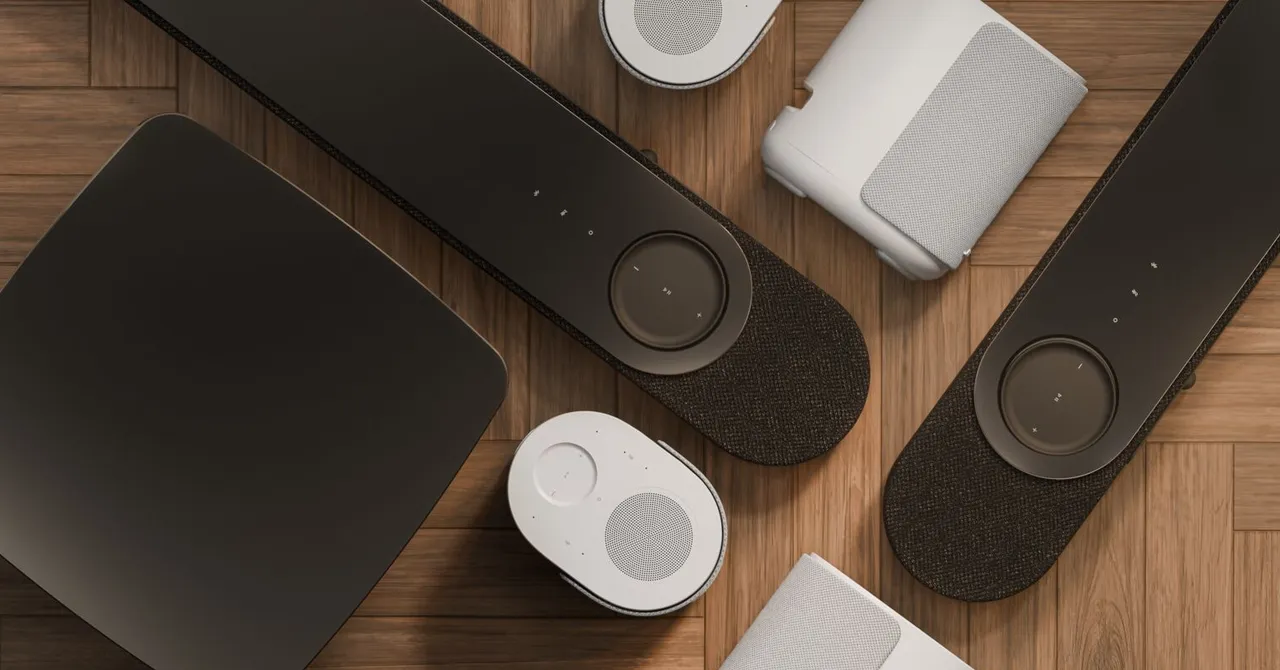
In a move to rekindle its influence and innovate amidst fierce competition, Bose has unveiled its new “Lifestyle Collection,” comprising the Lifestyle Ultra Speaker, Ultra Subwoofer, and Ultra Soundbar. This strategic relaunch marks a deliberate disruption in the home speaker space, a sector that has seen significant innovation driven by tech giants and startups alike. Characterized by sleek fabric-wrapped aesthetics and advanced multi-room connectivity, Bose’s latest offerings emphasize seamless user experience combined with cutting-edge functionality—highlighting a renewed focus on innovation and consumer engagement.

Cutting-Edge Features Promising a Business Impact

The new products underscore Bose’s strategic pivot toward integrating multi-platform compatibility with services like AirPlay, Google Cast, and Spotify Connect. Notably, the Ultra Speaker is among the first in the industry to support Amazon Alexa+ voice controls in the U.S., signifying a shift toward unified, voice-driven smart home ecosystems. With W-Fi, Bluetooth, and auxiliary inputs, Bose ensures flexibility in deployment—from traditional stereo setups to modern home theaters.

  • Innovation: Support for emerging voice assistants and native multi-room grouping for enhanced home integration.
  • Disruption potential: Challenging established players like Sonos, Apple, and Samsung who dominate the premium multi-room speaker ecosystem.
  • Business implications: Revitalizing product lines and recapturing market share through sleek design and smart functionality, leveraging Bose’s legacy for competitive differentiation.

Market Strategies and Industry Implications

The price points—starting at just $299 for the Ultra Wireless Speaker and exceeding $1,000 for the Ultra Soundbar—demonstrate Bose’s ambition to accommodate both budget-conscious consumers and audiophiles seeking premium sound. Moreover, the company’s decision to align grouping controls with Google Home and Apple’s AirPlay apps boosts interoperability—a key market trend. This shift caters to a broader consumer base, positioning Bose as a resilient disruptor in an industry marked by rapid innovation, as highlighted in recent Gartner reports emphasizing the growing dominance of integrated, cloud-connected devices.

Critics note that Bose’s reentry heralds a new phase of disruption, compelling competitors to innovate rapidly or face obsolescence. The emphasis on a redesigned onboarding process and enhanced app integration reflects industry-wide acknowledgment that consumer convenience and ecosystem synergy are now central to product success. Emerging startups and giants alike must adapt to this new paradigm where design, connectivity, and smart features will determine market leadership.

Looking Ahead: The Future of Home Audio Technology

As Bose reinvents its legacy in the context of today’s technology landscape, the implications extend beyond product launches. The company’s push for disruptive innovation portends a future where smart, interconnected, and intuitive home systems become the norm. Industry analysts like Peter Thiel and futurists at MIT warn of a technology arms race where speed, user experience, and ecosystem support will define success. The recent Bose launch exemplifies this trend—aggressive yet strategic— to capture the imagination, and wallets, of a new generation of consumers hungry for sophisticated yet accessible sound experiences.

In conclusion, Bose’s “Lifestyle Collection” deployment underscores a pivotal moment: the need for established companies to innovate relentlessly or risk losing relevance. As the industry accelerates toward smarter, more integrated solutions, businesses that prioritize disruptive innovation and anticipate industry shifts—such as the emergence of voice AI and multi-platform compatibility—will be the true winners in shaping the future of home entertainment. The clock is ticking for competitors to match Bose’s move; the next wave of home audio innovation is underway, and those who lead it will define the technological landscape of tomorrow.
Bose ANC Headphones Drop $39 for Cyber Monday—Score the Deal Before It’s Gone!

The Rise of Cyber Monday Tech Deals and Their Cultural Relevance

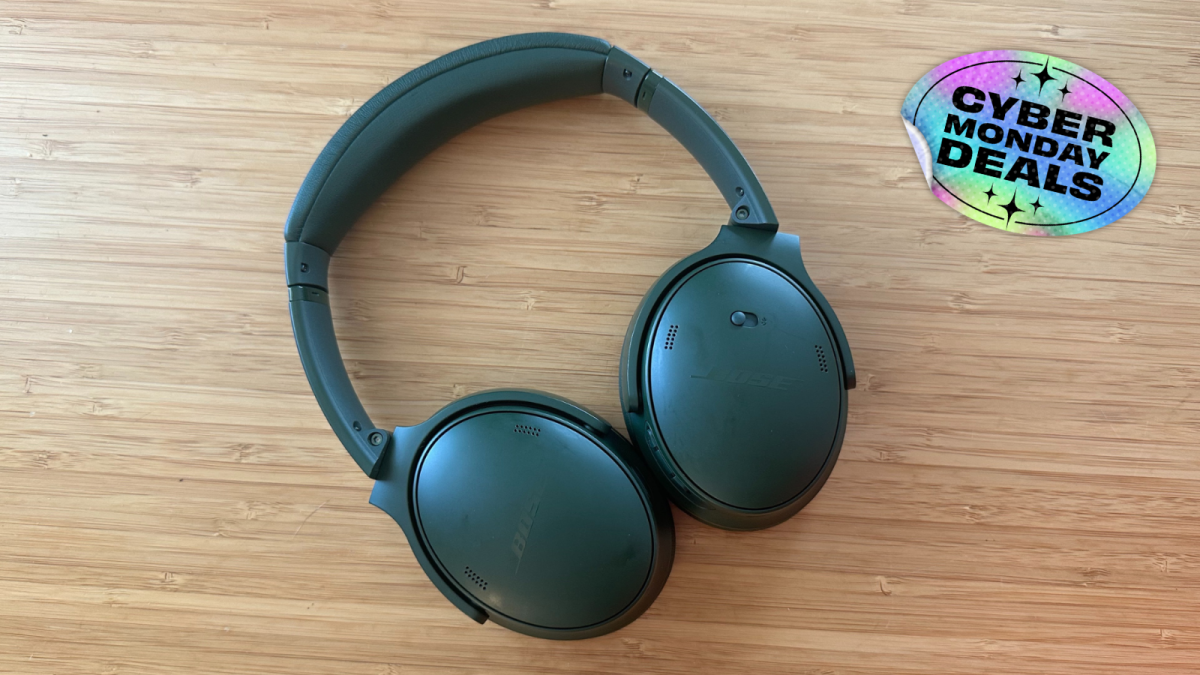
As the digital shift accelerates, Cyber Monday has solidified its position as the premier annual event for tech enthusiasts and young consumers eager to score premium gadgets at a fraction of their original prices. This year’s sales, such as the Bose QuietComfort headphones slashed to just $159.99 from a hefty $359, exemplify a broader cultural shift — where value-driven purchasing converges with the desire for modern lifestyle upgrades. Consumers, especially youths who are increasingly plugged into online shopping and social media trends, view these deals not just as discounts but as symbols of living the high-tech, fashionable lifestyle.

From influencers to sociologists, the emphasis has shifted from merely acquiring gadgets to embracing a social identity anchored in *tech-savviness* and *consumer confidence*. Major social media personalities have spotlighted these deals, transforming humble flash sales into cultural milestones. Content creators showcase their shopping hauls, turning these sales into viral phenomena that reinforce a *social construct* where affordability and access to advanced technology are seen as markers of status. The phenomenon fuels a *collective social narrative*: that to stay relevant and connected in the digital age, young individuals must seize these opportunities to invest in their personal and social assets.

Moreover, the social relevance of this trend is evident in the way it redefines traditional notions of consumerism. What once was a simple shopping spree has evolved into a socio-cultural movement—emphasizing self-optimization and digital immersion. Experts argue that the proliferation of these deals echoes a larger societal shift: technology as an extension of identity. As sociologist Dr. Emily Carter notes, “Today’s youth are shaping a new consumer culture where **accessibility to premium tech** correlates directly with social acceptance and self-expression.” This, in turn, influences how brands marketing these deals tailor their campaigns, crafting narratives that position their products as essentials for *the modern, connected life*.

But amid this frenzy of shopping and social validation, the next question looms: as technology becomes even more embedded in our daily lives and social identities, will this culture of instant gratification and deal-hunting foster a lasting appreciation for quality, or will it perpetuate a cycle of fleeting trends? With studies already indicating that younger consumers are making more impulsive purchases online, the crucial challenge will be understanding whether these widespread sales figures translate to genuine long-term engagement with technology or if they merely signal a short-lived brand obsession. As the trend continues to develop, one thing is certain: in the quest for the next viral deal, future generations are reimagining not just what they buy but how they define themselves in an increasingly digital world.

Epic Cyber Monday Deals on Bose, Sony, and Apple Headphones—Don’t Miss Out!

Tech Industry Disruption Accelerates with Groundbreaking Trends in Consumer Audio

The consumer electronics landscape is witnessing a seismic shift, driven by technological innovation and business disruption that threaten to redefine market dynamics. Established giants such as Apple, Sony, Bose, and Sonos are capitalizing on a unique window of opportunity, offering their flagship headphone and earbuds models at historically low prices. This strategic move not only boosts revenue in the short term but aims to capture greater market share in a highly competitive segment that is rapidly evolving towards personalized, immersive audio experiences.

Amidst the current price slashes—most notably on models like Apple’s AirPods Pro 3 and the last-gen Bose QuietComfort headphones—industry analysts from Gartner and MIT suggest that the next wave of disruption will hinge on innovative sound technologies and integration with emerging AI ecosystems. This momentum signals a broader market shift, where traditional audio devices are increasingly becoming gateways to larger tech ecosystems, including voice assistants, health tracking, and augmented reality. As Peter Thiel has often emphasized, the secret to sustained market dominance lies in relentless innovation, a principle now manifesting in the evolution of consumer audio.

  • Enhanced suppression of ambient noise with adaptive algorithms
  • Seamless integrations with smart home and wearable technologies
  • Advanced personalization via AI-driven sound profiles

The business implications are profound. Companies that adapt swiftly to these innovations, fostering competitive advantages such as *disruption-proof ecosystems* and *superior user experience*, will set the pace for the industry’s future. Furthermore, the recent surge in more generous return policies signifies market confidence and a strategic move to build brand loyalty among a younger, tech-savvy demographic eager for premium experiences at accessible prices. This shift highlights a growing trend—consumers are not just buying devices; they’re investing in holistic digital ecosystems.

From an innovation standpoint, the convergence of AI, machine learning, and voice recognition technologies is laying the groundwork for a new era of disruptive products. Companies are investing heavily in hardware-software integration, aiming to deliver personalized soundscapes, adaptive noise cancellation, and intuitive user interfaces that anticipate user needs. The emergence of affordable yet highly capable models, such as Nothing Phone Ear (a), reflects a savvy strategy targeting mass market penetration while maintaining technological prestige. This democratization of premium experiences foreshadows an era where advanced audio tech becomes a baseline standard, much like smartphones have become.

Looking ahead, industry leaders and innovators must navigate a landscape marked by rapid technological change and fierce competition. As Elon Musk advocates for relentless innovation and Peter Thiel underscores the importance of monopoly-driven tech markets, it’s clear that those who lead in disruption and innovation will shape the future of how humans interact with technology. The next decade promises a battlefield where audio becomes the frontier of a broader digital revolution—one that demands urgency, strategic vision, and unwavering commitment to cutting-edge development. For the youth and entrepreneurs eager to stake their claim, this is an unprecedented moment to harness the power of disruptive innovation and redefine the boundaries of what’s possible.

Snag the Bose QuietComfort Ultras for just $284—Save $145 for a limited time and stay ahead in style and sound!

The New Wave of Lifestyle: How Tech Deals Shape Our Cultural and Social Landscape

In a world pulsing with constant innovation, consumer technology trends continue to redefine the way younger generations connect, work, and entertain. This season, the buzz is centered around not only groundbreaking products but also a societal shift driven by massive online deals and the desire for the latest gadgets at irresistible prices. Amazon’s recent Prime Big Deal Days exemplifies this cultural phenomenon, with hundreds of deals reaching record lows and symbolizing a new form of digital lifestyle ownership that’s increasingly tied to social status and personal expression.

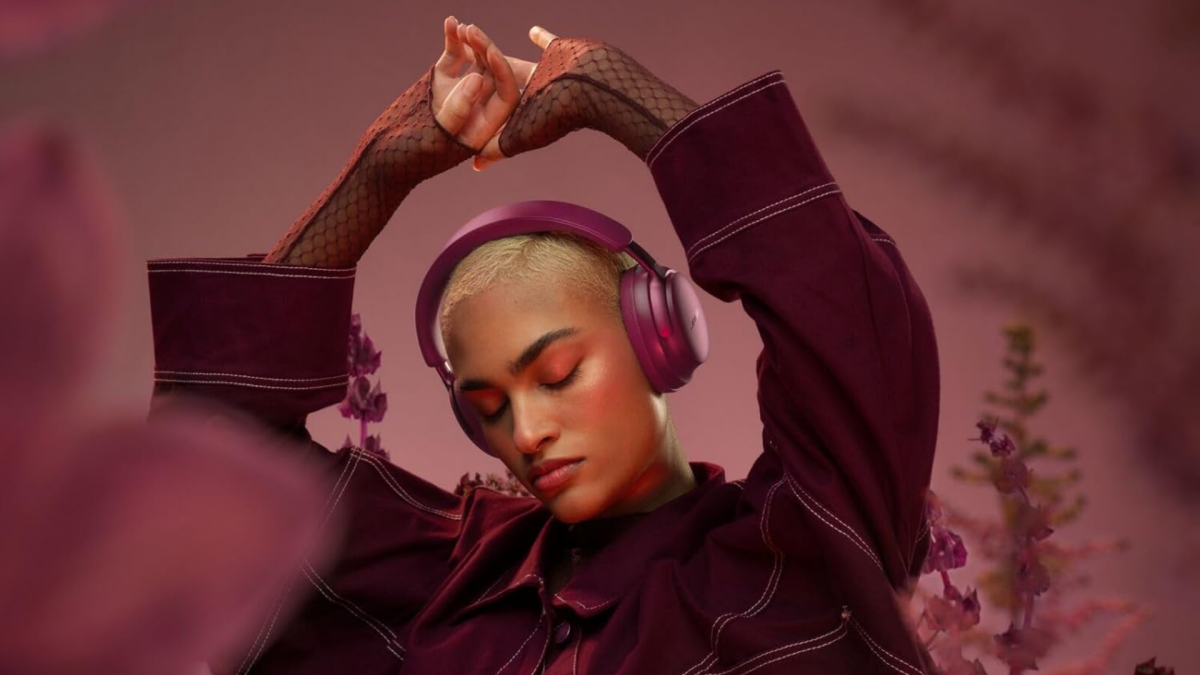
At the forefront of these trends are products like the Bose QuietComfort Ultra headphones. For the first time ever, the ultra-premium headphones have dipped below $300—specifically, a stunning $145 discount to just $284. The fact that this deal is available only in the Deep Plum color further highlights how brands are now cultivating a sense of exclusivity and individual style, resonating deeply with a generation eager to showcase personal identity through choice of accessories. These headphones aren’t just tools for better sound; they symbolize a societal shift toward prioritizing comfort, quality, and personalized aesthetics. As reported by influencers and tech analysts, this confluence of luxury and affordability is transforming how youth perceive their everyday tech, making it an extension of their #personalbrand and social currency.

This evolving lifestyle is underscored by a broader trend: the integration of high-tech gadgets into everyday life as social symbols. Leading sociologists argue that these tech purchases are serving a dual purpose—enhancing personal productivity while serving as a statement of modern identity in a digital age. The days of simply owning gadgets are fading; now, early adopters and trendsetters look for exclusive, stylish, and functional items that can double as conversation starters, especially amid a thriving culture of social media showcasing. As the younger demographic continues to influence market dynamics, companies like Bose are not just selling headphones—they’re selling a lifestyle rooted in tech-savviness, individualism, and social relevance.

Adding a layer of complexity, experts suggest that this consumer behavior is also reflecting a deeper societal shift toward **”digital exclusivity”** —where owning the latest tech isn’t just practical but a manifestation of social status. The review of Bose’s first-generation Ultra models highlights their comfort and battery life—the qualities favored by youngerusers. The fact that such high-end products are now more accessible than ever signals a shift in how youth engage with luxury, emphasizing entertainment, convenience, and identity expression over mere functionality. With brands tailoring limited editions and colorways to appeal to specific subcultures, we are witnessing the emergence of an entire consumer class for whom tech is not just utility but a form of cultural expression.

Yet amidst these cultural shifts, a poignant question arises: what does this evolving relationship with technology say about our future societal values? If the current trajectory suggests that possessions are becoming symbols of identity and social standing, then the next big question isn’t just about *what* we buy but how our shared consumption patterns shape societal norms. As influencers and sociologists debate whether this new tech-centric lifestyle fosters authentic self-expression or superficial status, the real puzzle remains: are we paving a future where our gadgets define us more than our actions or character? This ongoing societal experiment might redefine not only our trends but also the very fabric of social status in the digital age—nudging us toward a world where the line between lifestyle and social currency is increasingly blurred.

Social Media Auto Publish Powered By : XYZScripts.com