Matox News

Truth Over Trends, always!

Nintendo’s new Virtual Boy — a visual thrill, but not quite a game-changer

Revolutionizing Retro: Nintendo’s Virtual Boy Revival Signals Industry Disruption

In an era dominated by cutting-edge AI, virtual reality, and cloud gaming, Nintendo is strategically leaning into retro nostalgia with its latest innovation: a reimagined Virtual Boy. Originally launched in the ’90s, this console was a commercial flop, primarily due to its limited library and monochromatic display, but Nintendo’s latest move signals a significant shift towards leveraging nostalgic assets to disrupt current gaming paradigms. By re-creating aspects of the classic console while smoothing over its past challenges, Nintendo aims to capitalize on the emerging market for vintage gaming experiences, now delivered with modern convenience through the Switch Online + Expansion Pack subscription service.

The company’s approach exemplifies a broader trend of integrating nostalgia-driven innovation into mainstream platforms, targeting the young, digitally-native demographic eager for unique experiences rooted in gaming history. Scheduled for release on February 17th, Nintendo will offer 14 Virtual Boy titles as part of its subscription lineup, accessible via a new peripheral priced at $100, alongside an affordable $25 cardboard VR alternative. This move isn’t just about nostalgia; it’s a calculated disruption that refocuses industry attention on hybrid hardware models capable of blending the old with the new, positioning Nintendo ahead in a fiercely competitive landscape. Such integrations may redefine subscription-based models as the dominant delivery method for diverse gaming content, fundamentally shifting how business models evolve in the digital age.

“This initiative exemplifies disruption through innovation, turning historical failures into strategic advantages,” says industry analyst Lee Patterson from Gartner. While critics could dismiss this as mere fan service, the underlying implications are profound: leveraging archival content in a way that garners both revenue and brand loyalty. Furthermore, it signals a potential shift for other legacy tech and entertainment companies, emphasizing the importance of blending heritage with futuristic design to spark new revenue streams. The Virtual Boy revival underscores how established corporations are redefining value propositions through post-modern product iterations, effectively forcing competitors to reevaluate their traditional development and monetization strategies.

Moreover, this move is aligned with broader industry movements championed by visionaries like Elon Musk and Peter Thiel, who advocate for relentless innovation and disruption as essential for maintaining market dominance. The fusion of nostalgia with technological advancement presents a compelling blueprint for disrupting entrenched, often stagnant, segments of the gaming industry.

  • Potential to revitalize dormant IPs and tap into underserved markets.
  • Shift towards highly personalized, immersive experiences combined with low-cost peripherals.
  • Enabling legacy content to generate ongoing revenue streams from an engaged gaming community.

As technology continues to advance at a rapid clip—from AI-enhanced gaming to immersive XR experiences—industry leaders and investors must recognize that post-modern innovation will be characterized by this convergence of the past and future. The Virtual Boy revival is more than a nostalgic nod; it’s a decisive move that underscores the importance of disruptive thinking and aggressive adaptation to stay relevant. With industry giants already eyeing similar models, the next wave of gaming innovation is imminent, and those who fail to adapt risk falling behind in this dynamic, competitive landscape. The future belongs to those bold enough to reimagine their legacy assets as catalysts for growth and transformation—marking a new era of industry disruption driven by innovation, nostalgia, and strategic foresight.

Young Boy, 5, and Dad Reunited with Minnesotan Family After ICE Detention

In a recent development that has garnered significant attention across multiple continents, U.S. Congress sources confirmed the release and safe return of Liam Conejo Ramos. The young individual was reportedly found at home with his hat and backpack, sparking a wave of international commentary about security, diplomatic relations, and societal stability. While the details surrounding Ramos’s detention remain opaque, analysts suggest that this event could serve as a catalyst for broader geopolitical shifts, particularly within the context of regional influence and national security policies.

The news arrives amidst a complex landscape of global tensions, where nations are increasingly scrutinizing each other’s internal affairs under the guise of security concerns. The circumstances of Ramos’s detention and subsequent release raise critical questions about the interplay between law enforcement, civil liberties, and international diplomacy. Several prominent international observers, including representatives from The United Nations and European Union, have begun to analyze whether this incident reflects larger patterns of government overreach or a strategic move within global power struggles. Historically, such incidents tend to act as flashpoints that expose underlying vulnerabilities in the consistency and transparency of governments on the world stage.

From a broader geopolitical impact, the incident underscores how regional conflicts and policy decisions are increasingly influenced by interconnected domestic and international factors. Countries are watching closely, assessing how different authorities handle such sensitive situations as evidence of either stability or chaos. While the immediate focus is on Ramos’s welfare, the case also prompts a reevaluation of diplomatic strategies, especially in regions where political tensions are high. Many international analysts contend that these incidents are not isolated but are embedded within more extensive cycles of mistrust, ideological divergence, and shifts in power dynamics—each decision echoing through corridors of influence and society alike.

Historian and geopolitical analyst Dr. Emilia Santos remarked that historically, such events tend to serve as turning points that shape the course of history. “Every incident involving detention or release, especially when it involves young individuals amid broader security concerns, becomes a part of the narrative that nations tell about their identity and integrity,” she explained. Similarly, institutions such as the International Crisis Group warn that these moments, while seemingly localized, could influence future policy frameworks that determine the international order. As the global community reevaluates its priorities and alliances, one thing remains clear: the decisions made today will write the stories of tomorrow, and history’s pen continues to move forward, often in ways that no one can foresee.

With Ramos back at home and the world watching, the question persists: How will this incident redefine the boundaries of diplomacy and security? As the shadows of uncertainty stretch across the international landscape, the unfolding chapters of this story hold the weight of history—all waiting to be written. The choices made in this moment will resonate for generations, shaping the future of nations, societies, and the global order itself—an enduring testament to the perpetual flux of geopolitical power, where today’s actions forge the pages of tomorrow’s history books.

San Diego Settles for $30M in Police Shooting Death of 16-Year-Old Boy

San Diego Reaches $30 Million Settlement in Police Shooting of Teenager

In a landmark decision, the city of San Diego has agreed to pay $30 million in a settlement to the family of Konoa Wilson, a 16-year-old who was fatally shot by a police officer while fleeing dangerous circumstances at a local train station. This settlement, one of the largest civil payouts in the United States concerning a police shooting, underscores the ongoing crisis of police use of deadly force and raises critical questions about race, accountability, and systemic bias within law enforcement agencies nationwide. As international observers watch, this incident exemplifies the complex intersection of justice and public safety, fueling debates that resonate well beyond American borders.

Wilson’s tragic death occurred during a chaotic shootout at the Santa Fe station, where a youth had opened fire and injured another individual. Exiting the scene in fear, Wilson ran past officer Daniel Gold, who, according to police footage, immediately drew his weapon and fired multiple shots at the fleeing teen’s back—even as Wilson did not threaten or brandish a weapon at the moment of the shooting. Body camera footage reveals that Gold identified himself only after initiating the gunfire, further fueling allegations of excessive use of force. The civil lawsuit filed on behalf of Wilson’s family accused the officer of racial violence, emphasizing the racial dynamics at play and portraying the shooting as rooted in systemic biases.

By accepting this settlement, San Diego tacitly acknowledged the gravity of the incident—though city officials maintained it was a *business decision* rather than an admission of liability. Critics argue that police officers operating within a framework of systemic racism often perceive Black youth as threats, leading to tragedies like Wilson’s death. Historians and human rights advocates point out that such incidents are not isolated; they reflect a broader pattern of racial profiling that persistently undermines community trust and endangers vulnerable populations. International organizations, including the United Nations, have repeatedly voiced concern about racial disparities in police violence, urging reforms to ensure more just and equitable law enforcement practices worldwide.

This incident marks a significant turning point—highlighting the urgent need for comprehensive reforms and better accountability mechanisms within police forces across the globe. As governments grapple with these issues, the fallout from such tragedies shapes international discourse on state violence and human rights. How nations respond to this mounting pressure will influence the delicate balance between security and liberty, potentially redefining the role of law enforcement in societies seeking justice and fairness.

The saga of Wilson’s death remains a stark reminder that the weight of history and the pursuit of justice continue to unfold, forging a path that nations worldwide are watching with cautious anticipation. As the ripple effects of this settlement echo through the corridors of power, one fact remains clear: the fight for meaningful reform is far from over, and its outcome will shape generations to come. With each decision, policymakers stand at a crossroads—either advancing toward genuine justice or retreating behind the barriers of systemic inertia, risking the further erosion of public trust and the moral fabric of society.

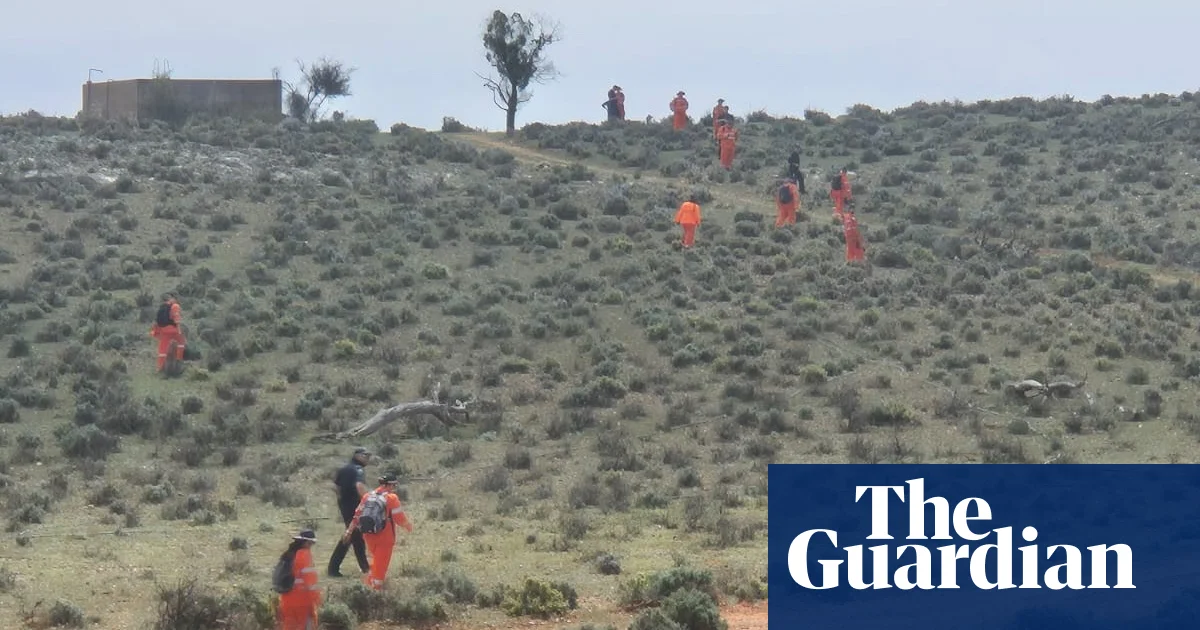
Police intensify hunt for missing boy Gus in outback SA, guided by survival experts

Unfolding Human Tragedies and the Shifting Geopolitical Landscape

Across the globe, hotbeds of conflict and natural disasters continue to expose the fragility of international stability and the resilience of societies. The heartbreaking story of Gus Lamont, a four-year-old missing in the vast outback of Australia, has captured widespread attention, yet it also reflects a broader pattern of how local tragedies resonate with global narratives. As authorities expand exhaustive search operations involving defense forces, the incident underscores the how human vulnerabilities and the fight for survival remain universally intertwined with geopolitical tensions and resource struggles.

Meanwhile, international organizations like the United Nations continue to grapple with crises that threaten regional stability. The recent escalation in the Ukrainian conflict and countering shifts of power in the Middle East demonstrate how internal conflicts often escalate into broader geopolitical confrontations. Countries such as Russia and China are watching closely, exerting influence through diplomatic and economic means. The transparency of these developments is crucial, as their flares of conflict could ignite further international instability, prompting powerful nations to adjust their strategic postures.

Historian and geopolitical analyst James Harrington warns that these accumulating tensions threaten to reverberate far beyond their immediate regions. His assessments echo the concerns of data from the International Crisis Group and think tanks, which emphasize that decisions made in the shadow of local crises heavily influence the future of global order. As climate change accelerates disasters like droughts and floods, countries are forced to prioritize their own security and sovereignty, often at the expense of international cooperation. This phenomenon manifests vividly in the Australian case, where exhaustive search efforts stretch local resources but also highlight the limits of state capacity when confronting unpredictable emergencies.

In this era marked by rapid shifts, the role of global power dynamics becomes more evident. The recent renewed efforts to expand military and technological alliances signal an underlying competition for influence that leaves societies embroiled in larger strategic struggles. As the European Union and United States further tighten their international collaborations, nations buckle under increasing pressure to maintain sovereignty while navigating the complexities of a changing world. The unfolding story of Gus Lamont, though local in scope, becomes emblematic of a broader consensus —that human tragedies are often catalysts for geopolitical recalibration.

Conclusion: The Weight of History in the Making

As the search for Gus Lamont continues amid a backdrop of mounting international crises, the world is reminded that history is often shaped by moments of profound vulnerability. Today’s choices, alliances, and responses to crises will echo through generations, determining whether societies will find resilience or succumb to chaos. The weight of history remains heavy on the shoulders of leaders and nations alike, as they navigate an unpredictable future where every decision writes a new chapter in the ongoing saga of global stability.

Social Media Auto Publish Powered By : XYZScripts.com