Matox News

Truth Over Trends, always!

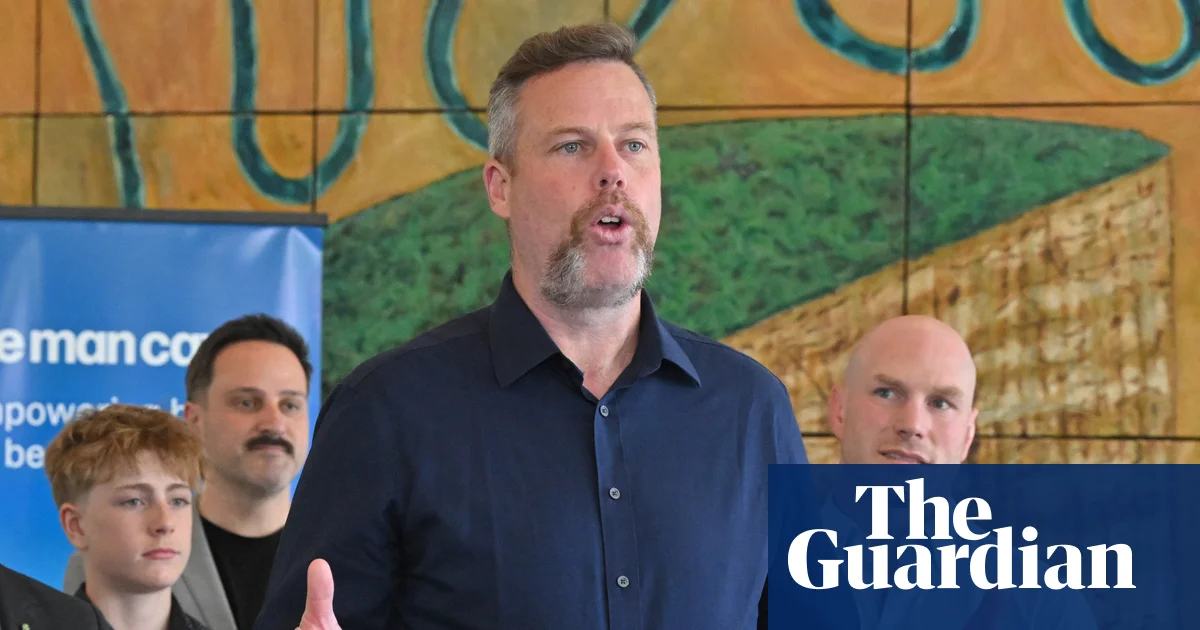
MPs challenge the manosphere: promoting respect and responsibility to Australian men and boys

In the heart of Australia, a society grappling with complex social tensions faces the persistent challenge of addressing the deep-rooted issues surrounding gender relations and community cohesion. Prominent voices from the political and sociological landscape emphasize that gender equality is neither a zero-sum game nor a battle of sexes, but a pathway toward better societal outcomes for all. Yet, amidst these calls for unity, the societal fabric is fraying beneath the influence of extremist online communities, often known as the manosphere, which perpetuate disrespect, violence, and misinformed stereotypes. Such voices threaten to distort the genuine pursuit of social justice, fostering divisions that ripple through families, schools, and neighborhoods.

Social issue analysts and community leaders recognize that families suffer as a consequence of these divisions. Historians like Dr. Krista Fisher warn of the dangerous spread of misogyny and extremism through social media algorithms that funnel impressionable young men into communities promoting self-harm, substance abuse, and violent misogyny. The latest data from the Australian Bureau of Statistics reveal that over three-quarters of those who died by suicide in 2024 were men, illustrating how mental health crises are intertwined with societal narratives surrounding masculinity. These figures illuminate a crucial moral concern: how can a society nurture its men and boys—not through blame and division, but through support, resilience, and understanding? Sociologists like Mike Savage argue that the societal construction of gender roles influences these health outcomes, highlighting the urgent need for culturally informed policies that foster well-being.

Amidst the cacophony of ideological battles, government initiatives such as the Healthy Men Community Conversations aim to promote healthy masculinities and counter harmful stereotypes. These efforts seek to rebuild trust within communities, emphasizing that support for men and boys is essential for strengthening families and nurturing positive relationships. However, societal tensions are compounded by calls from fringe groups, such as those influenced by misguided claims about family courts and domestic violence. Such rhetoric often dismisses complex social realities, inflaming public sentiment and obstructing policy based on evidence and compassion. Advocates for community resilience stress that genuine progress involves listening to diverse voices, especially those of the disadvantaged and vulnerable, rather than succumbing to populist propaganda that oversimplifies these intricate issues.

Looking forward, the social challenge remains: How can Australia reconcile its cultural shifts with the need for solidarity and evidence-based solutions? Experts warn that radicalized communities and ideological divides threaten to deepen societal divides unless addressed through comprehensive education, mental health support, and community engagement. The story of Australia’s future hinges on building bridges over social chasms—not through fear-mongering or division, but through hope and the collective effort of every generation. Society’s true transformation lies not in the silence of fear, but in the courage to foster understanding, compassion, and resilience among its people. In doing so, society may yet discover that the most profound change begins with the reaffirmation of our shared human dignity—an enduring legacy for generations to come.
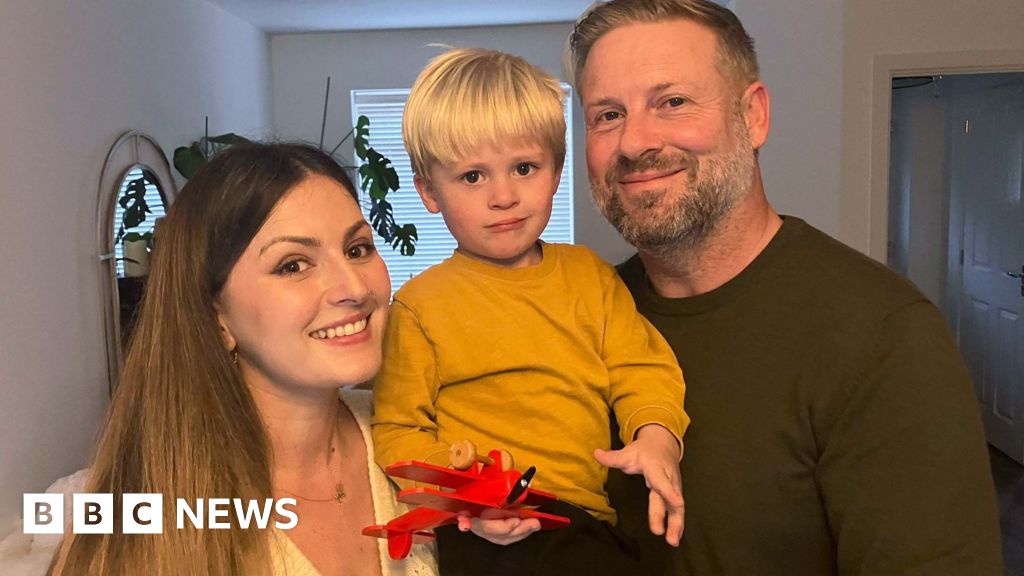

Our boy’s almost three—that’s progress and pride for our future.

Cracks in the Foundation: The Crisis of Childcare and Its Impact on Society

Across communities in the UK, a quiet yet alarming crisis is unfolding — the persistent decline of childcare providers. Families like Monika and Henry Byrne find themselves racing against time, only to face a sobering reality. After their son Leo turns three, they have just six weeks to secure a place in childcare, but many doors remain closed. Despite wielding full-time jobs, their struggle underscores a broader social issue: the shrinking pool of childminders. Official figures reveal a stark reality — the number of registered childminders has plummeted from nearly 48,000 in 2015 to just 26,000 in 2024, threatening the very fabric of accessible early childhood care.

This decline is not merely a statistic; it has profound repercussions on families, education, and communities. As sociologists like Francesca Castellani note, early childhood care is pivotal in shaping future social and educational outcomes. When families are denied affordable and reliable childcare, they are pushed into difficult choices, often sacrificing careers or delaying employment altogether. Judy Wylde, a seasoned childminder, describes a system in disarray — her 35 years of experience, which once allowed her to care for children like her grandson Louie for free, is now compromised by inadequate funding. The funding rate, she asserts, is “atrocious,” forcing her to work at a loss and preventing her from continuing her vital role. Such loss of long-standing community carers signifies more than economic failure; it erodes the social cohesion that bonds families, caregivers, and communities together.

Furthermore, the rising demand for childcare clashes with dwindling supply, forcing families into painful compromises. The government’s expansion of 30 hours of free childcare for children from nine months is a step forward, yet many childcare providers remain unable to meet the demand. Surveys by organizations like Coram PACEY reveal that hundreds of childminders are restricting or opting out of caring for older children, citing insufficient funding as the main obstacle.

  • Childminders work with unique staff-to-child ratios, making their work more flexible but also more costly.
  • Changes in regulations — like relaxed rules on working from community halls — aim to support providers, but many believe these measures do not go far enough.
  • The financial strain pushes small-scale caregivers to the brink, with some making dramatic decisions about whether to continue caring for children at all.

Such challenges signify deeper structural issues. As Hartmut Rosa emphasizes, a society’s social infrastructure — its early years care being a cornerstone — directly influences social stability. When that infrastructure begins to erode, families are left vulnerable, and societal resilience is threatened. The crisis also impacts individual human dignity; caregivers like Georgina Young, who makes gingerbread men with children she’s cared for since infancy, express frustration at working at a loss, feeling undervalued in a sector essential to societal health.

It is clear that reforms are still overdue — for fairer funding, for streamlined regulations, and for policies that recognize and uplift our frontline community carers. Without such measures, the societal cost will continue to grow, manifesting in fewer opportunities for families, compromised education for children, and weakened community bonds. But amidst this turbulent landscape, hope persists. With sustained effort, societal recognition, and moral clarity, society can rebuild its early childhood care system. It can restore the dignity of caregivers, bolster families’ stability, and nurture the future generation with the strength of unity and justice. Society’s challenge now is to remember that the foundation of a resilient, thriving nation rests on the youngest among us — and on our unwavering commitment to care for them from their very first days.

Social Media Auto Publish Powered By : XYZScripts.com


