

Market Impact and Chain Consolidation Signal Broader Economic Trends
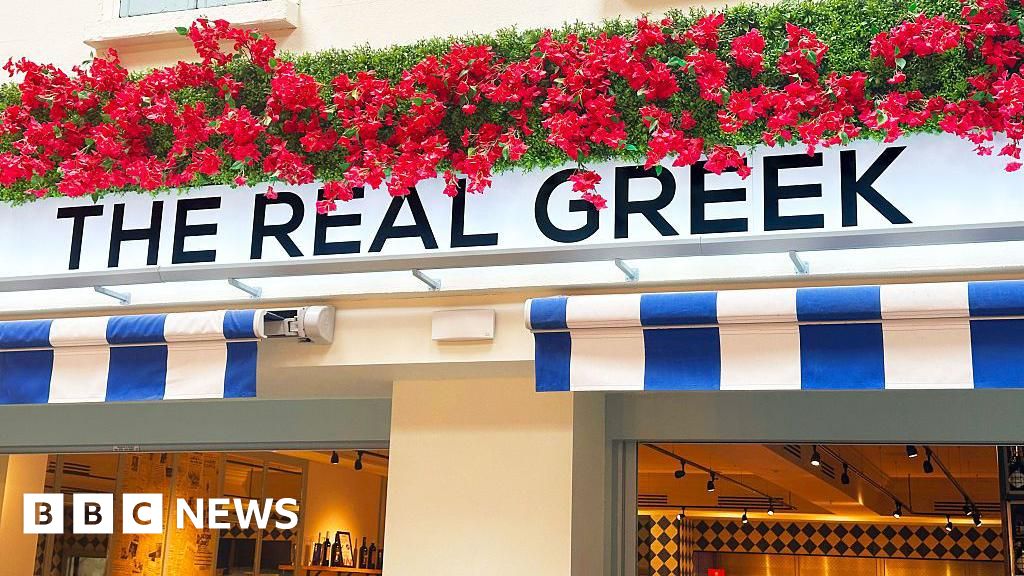
The recent acquisition of all but nine outlets within a prominent Mediterranean restaurant chain by the Karali group marks a significant development in the regional hospitality industry. As the family-owned enterprise consolidates control over the majority of the chain’s 28 outlets, this move underscores a broader shift toward localized management and strategic repositioning within the sector. Experts suggest that this transition highlights the resilience of traditional business models amid turbulent economic conditions and evolving consumer tastes. According to industry analysts at Euromonitor International, such consolidations often serve as a prelude to operational restructuring that aims to enhance profitability and streamline supply chains, which are increasingly strained by global geopolitical uncertainties.
The market impact of this take-private trend extends beyond the hospitality industry. It reflects a wider pattern of regional economic resilience, especially within sectors that are heavily impacted by fluctuating imported food costs, labor shortages, and tightening regulatory frameworks. As noted by economists at the International Monetary Fund, such strategic local control can act as a buffer against external shocks, allowing businesses to adapt swiftly to policy updates and market fluctuations. This move by the Karali family demonstrates confidence in their ability to leverage local knowledge to adjust menus, optimize staffing, and reduce costs effectively—a critical factor in maintaining competitiveness within a challenging economic environment.
Meanwhile, this shift carries significant policy consequences. Governments across the Mediterranean region are closely monitoring these industry realignments as they may influence employment rates, local sourcing policies, and the regulatory landscape. The trend towards more family-led ventures could prompt policymakers to re-evaluate small business incentives, potentially fostering greater entrepreneurial autonomy and localized economic development. Furthermore, investors are watching these developments carefully, considering opportunities for portfolio diversification within emerging markets characterized by such resilient family-owned entities. As Dr. Katherine Chen, a senior economist at the Heritage Foundation, suggests, these consolidations reflect a strategic response to economic pressures that could re-shape the hospitality sector over the next decade, making it more adaptable and locally focused.
Looking ahead, the evolving landscape of Mediterranean hospitality signifies more than just a market shift; it represents a dynamic stage where national economic identities and entrepreneurial spirits converge to shape future prosperity. Such strategic consolidations are poised to drive innovation, reinforce regional economic sovereignty, and foster a sense of resilience—attributes crucial in an era marked by geopolitical shifts and technological transformation. As nations rethink their economic strategies, the role of family-based enterprises as pillars of stability and growth becomes increasingly evident, fueling a future where local businesses wield greater influence on global scales. This is the rhythm of nations forging their economic destiny, setting the stage for a resilient future built on the enduring strength of local enterprise and strategic adaptation.






