Matox News

Truth Over Trends, always!

Brazil Floods and Landslides Take 20 Lives, Highlighting Urgent Need for Preparedness

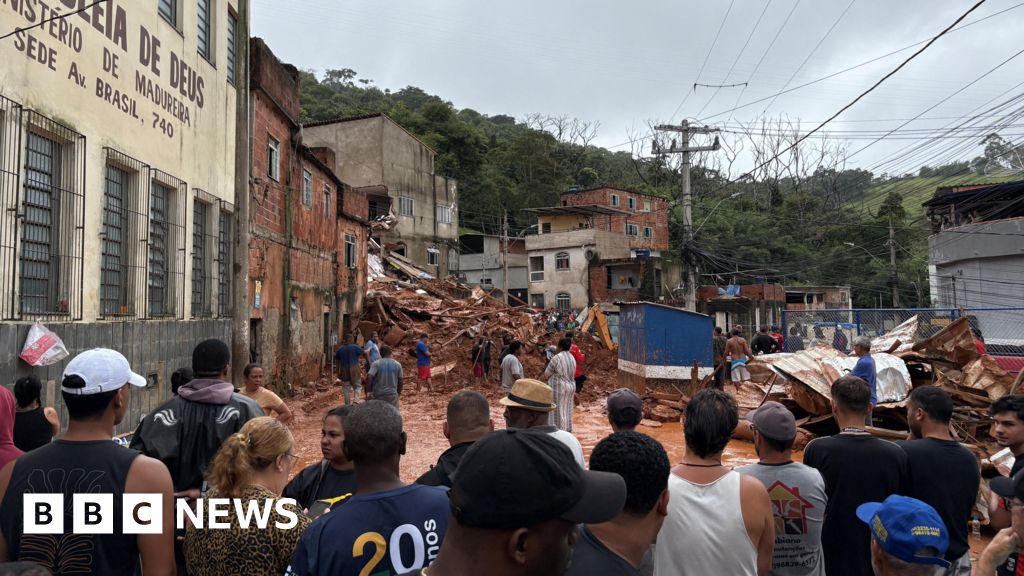
In a harrowing reminder of the ever-present vulnerability of urban populations to natural disasters, Juiz de Fora has become the center of international attention following recent catastrophic events. Hundreds of residents have been displaced amidst a surge in infrastructure collapse, while dozens are still reported missing as rescue operations continue into the night. The disaster underscores the ongoing challenges faced by cities worldwide in balancing rapid development with disaster preparedness, especially within vulnerable geopolitical regions.

As the world scrutinizes the unfolding crisis, experts point to a broader pattern of environmental and infrastructural neglect fueling such disasters. According to international climate analysts and urban planners, climate change—once dismissed as a distant threat—is now manifesting through increasingly extreme weather events. These conditions exacerbate the fragility of urban infrastructure, especially in fast-growing cities like Juiz de Fora, located in a geopolitically sensitive area of Brazil. The incident highlights how neglect of preventative measures can turn natural events into devastating tragedies, fueling migration pressures and social unrest.

The global geopolitical impact of such crises extends beyond local borders, emphasizing the importance of international cooperation. Countries in the Global South, including Brazil, are often at the receiving end of climate-induced calamities with limited resources for effective response. Analysts from organizations like the United Nations warn that if global powers do not prioritize climate resilience and infrastructure modernization, similar disasters will continue to threaten societal stability across vulnerable regions. Coupled with political instability and economic challenges, these catastrophes threaten to impinge on international security and economic stability—factors that global leaders cannot afford to ignore.

Historically, cities have been battlegrounds of progress and setbacks, echoing the words of prominent historians who have long emphasized that such moments are turning points in history. The ongoing crisis in Juiz de Fora illustrates how decisions made—or neglected—in urban planning and climate resilience can have profound, enduring consequences. According to analysts, whether nations choose to confront these vulnerabilities or ignore them today will shape the future of global stability, with some arguing that the current failures could be seen as warnings of a more tumultuous era ahead. The echoes of past failures resonate now; time is running out for decisive action designed to prevent future tragedies.

As rescue teams scour the debris-strewn streets and international observers reflect on the tragedy, one thing remains clear: the unfolding event is not just a local catastrophe but a stark symbol of the collective responsibility nations bear. With each displaced family and each unresolved missing person, the weight of history presses down—an indelible reminder that the path to resilience must be forged before the next calamity strikes. The world watches, aware that the lessons learned here—urgently, and with resolve—will determine whether history’s next chapter is one of recovery or further chaos.
Bolsonaro Ordered to Begin 27-Year Prison Term Over Brazil Coup Plot

Brazil’s Recent Verdict and Its Geopolitical Ripples

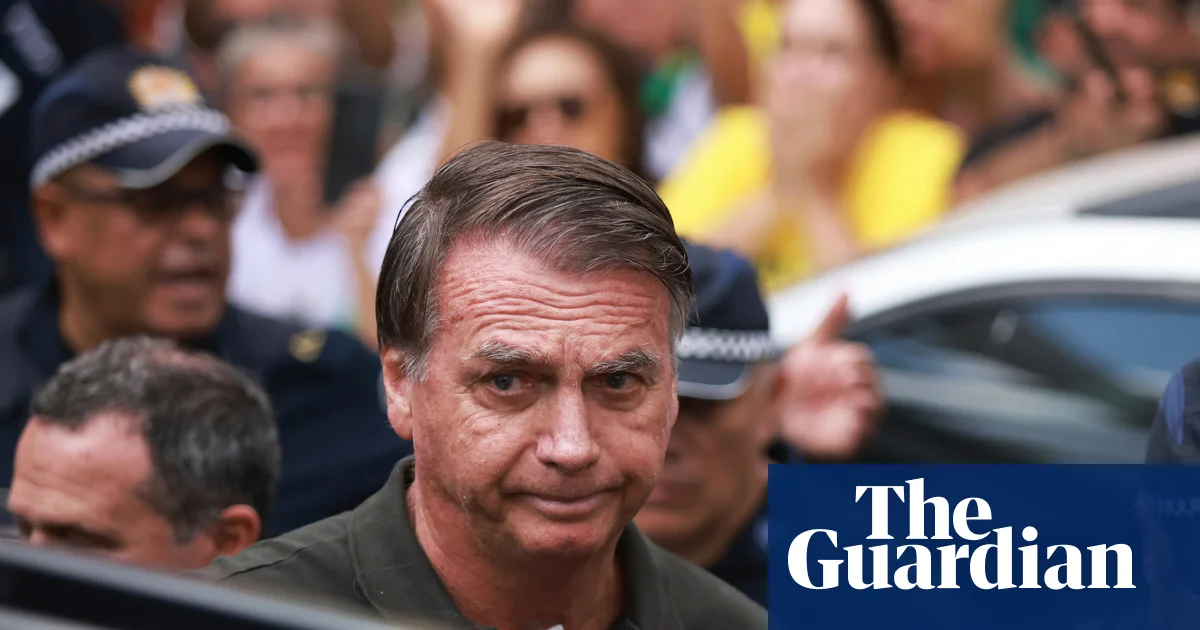
The recent sentencing of Jair Bolsonaro, Brazil’s former president, marks a significant milestone in the country’s troubled journey towards stabilizing its fragile democracy. After being convicted of conspiring to overthrow the elected government through a planned coup, Bolsonaro has been ordered to serve a 27-year prison sentence within the confines of a police base in Brasília. This development does not merely represent a judicial victory for Brazil’s judiciary, but it fundamentally alters the nation’s political landscape and signals the potential end of a populist chapter that many see as perilous for Latin America’s largest democracy.

As Brazil confronts its internal divisions, the decision by the Supreme Court, led by justice Alexandre de Moraes, to enforce Bolsonaro’s sentence follows a tumultuous period marked by conspiracy, failed assassination plots targeting Luiz Inácio Lula da Silva, and widespread political unrest. The plot—designed to eliminate Lula and his vice, Geraldo Alckmin—was thwarted with military leaders refusing to participate, reflecting the complex dynamics between civilian rule and military influence in Brazil. The court’s ruling underscores a clear message: political violence and sedition will be met with firm judicial resistance, a stance that resonates across the region, where instability remains a potent threat to democratic institutions.

How International and Domestic Forces Shape Brazil’s Future

This sentencing sends a powerful signal to both domestic and international audiences. Analysts from global organizations, such as the Inter-American Democratic Charter, warn that this development might inspire efforts to reinforce democratic norms amid populist crises across Latin America. However, Bolsonaro’s supporters continue to see him as a victim of what they label a “systematic witch-hunt,” and vow to persist despite his incarceration. Acts of defiance—small protests and social media campaigns—highlight the ongoing ideological battle that continues to shape Brazil’s political future. The decline in Bolsonaro’s popularity, as confirmed by recent polls indicating support waning to just 13%, indicates that the country might be moving away from the brink of further chaos. Yet, the deeply embedded divisions persist, with some factions still unyielding in their allegiance to his nationalist and anti-establishment rhetoric.

The international community watches with cautious interest as Brazil turns another page. In the broader context, the geopolitical impact of this event extends beyond Brazil’s borders. The election of Bolsonaro and his alignment with right-wing, populist movements had previously stirred concerns among regional allies and global powers wary of the erosion of democratic institutions. As Brazil distances itself from its populist past, the shift might signal a move toward greater stability, but also raises questions about the role of populist leaders in Latin America’s future trajectory. Historically, such moments serve as turning points—either toward renewed democratic consolidation or further exacerbation of partisan divides.

History in the Making

Despite efforts by Bolsonaro’s loyalists to rally opposition, the current landscape suggests a waning influence of his movement. The arrest and sentencing of key conspirators, coupled with the diminished enthusiasm among his base, paint a picture of a political era approaching closure. Nonetheless, the shadows of his legacy remain, alive in the memory of those who see him as a hero fighting against an unjust system. As history continues to unfold, the weight of this moment will be felt for generations as a defining chapter—an insurrection narrowly averted, and a fragile democracy still battling to find footing amidst the turbulence of populist extremism.

Brazil expands Indigenous lands following COP30 protests

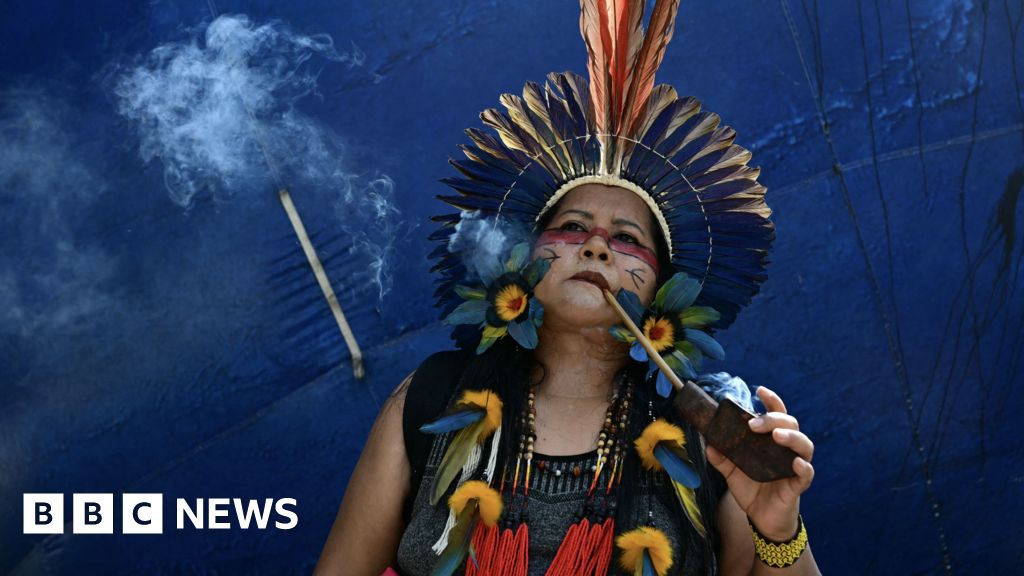
In a notable move amidst the ongoing global climate crisis, Brazil has formalized the creation of 10 new Indigenous territories, a decision that echoes the rising tide of Indigenous-led environmental activism at the COP30 climate summit in Belém. This initiative, announced on Indigenous Peoples’ Day, is a significant shift from recent decades when protections for Indigenous lands had either been neglected or actively undermined. The measure, which encompasses vast areas including part of the Amazon rainforest—an ecological titan responsible for a major share of the planet’s carbon sequestration—aims to preserve both cultural heritage and vital biodiversity.

These newly designated Indigenous territories, covering hundreds of thousands of hectares and inhabited by thousands of Indigenous peoples such as the Mura, Tupinambá de Olivença, Pataxó, Guarani-Kaiowá, Munduruku, Pankará, and Guarani-Mbya, represent a strategic effort that aligns environmental conservation with Indigenous rights. Historically, under former President Jair Bolsonaro’s administration, policies tended to promote unregulated mining, logging, and commercial farming—actions that directly accelerated Amazon deforestation and contributed to rising global temperatures. Now, under the leadership of President Luiz Inácio Lula da Silva, Brazil appears to be reversing course, recognizing Indigenous claims forcibly suppressed under previous regimes. Analysts worldwide praise this shift, noting it could prevent up to 20% of potential deforestation and slash carbon emissions by 26% by 2030, according to studies by the Articulation of Indigenous Peoples of Brazil and environmental research groups.

This move holds significant geopolitical impact as it signals a broader push among nations to embrace tangible actions against climate change. The protection of these lands—especially ones overlapping over 78% with the Amazon National Park—serves as a critical bulwark against the global environmental shift. Indigenous territories have repeatedly shown to be effective buffers against deforestation and ecological degradation, and global experts such as climate scientists argue that these measures are essential in the fight to keep global warming below 1.5°C. The decision’s timing, coinciding with COP30’s focus on the “how to limit temperature rises,” underscores the growing international consensus on the need for immediate, enforceable action. Yet, critics warn that enforcement remains fragile and that the fight against illegal mining and logging persists as a civilizational challenge that threatens these fragile ecological and cultural sanctuaries.

As international organizations and countries grapple with the urgent task of climate mitigation, Brazil’s new policies highlight a pivotal point in global environmental politics. The question remains whether economic pressures—driven by a resilient global market’s thirst for commodities—will erode the gains made through Indigenous stewardship or bolster them as part of a broader strategy for sustainable development. Historians and climate analysts warn that neglecting Indigenous sovereignty and ecological knowledge risks repeating past failures. The future of the Amazon—and possibly the entire planet—rests on these decisions, with each government’s stance echoing through this unfolding chapter of history. The tale is far from finished; as the world watches and waits, the weight of history presses on every policy and every forested hectare protected or lost, shaping the legacy of this vital planet for generations to come.

Senate Kills Trump’s Tariffs on Brazil, Protecting Jobs and Growth

In a significant shift reflecting growing political tensions over US trade policies, the US Senate recently approved a measure to revoke Donald Trump’s tariffs on Brazilian imports, including staples like coffee and beef. With a narrow vote of 52-48, this bipartisan move signals an emerging consensus that the previous tariffs, justified by national emergency claims, may have been more harmful than beneficial. Though this measure is unlikely to become law — given the Republican-controlled House of Representatives and the veto power of President Trump — the impending debate underscores the geopolitical recalibration occurring behind the scenes of international trade. Critics argue that these tariffs, which raised costs for American consumers and businesses, exemplify the risks inherent in unilateral trade measures driven by short-term political gains rather than strategic economic policies.

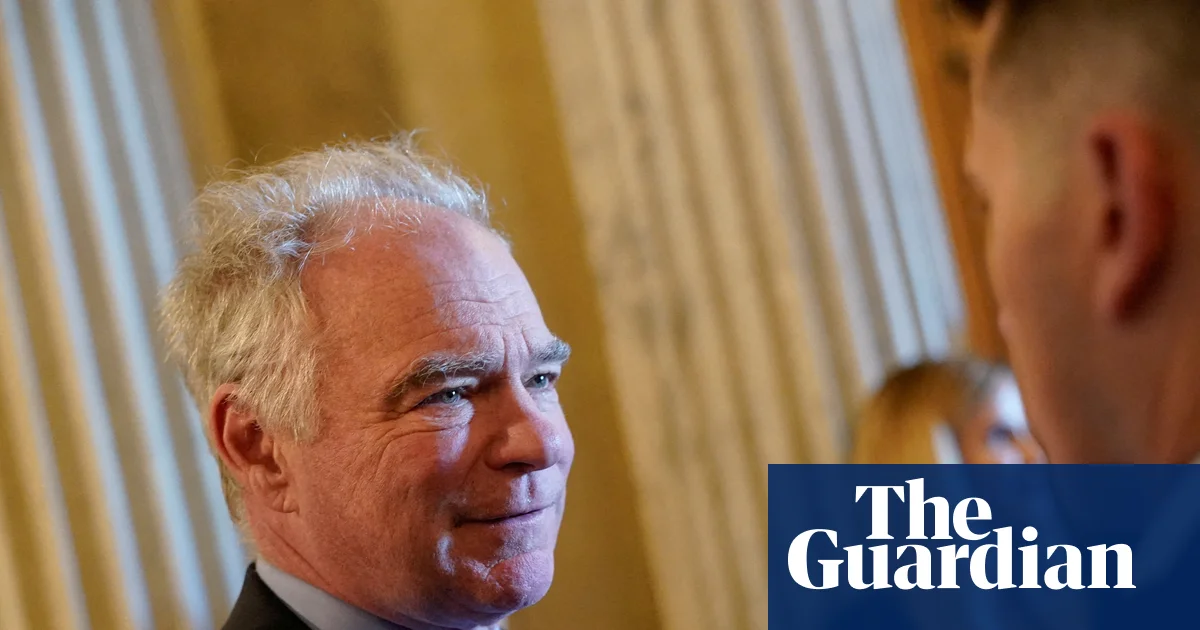
Historically, trade tariffs have been a double-edged sword; while often employed to protect domestic industries, they frequently precipitate retaliatory measures and economic decline. Senator Tim Kaine, a Democrat from Virginia, emphasized this point, asserting that tariffs are essentially taxes on American citizens. Similarly, Senate Republican Mitch McConnell warned that trade wars tend to follow a predictable pattern of economic harm, echoing past historical lessons from the Reagan era. The recent bipartisan effort, echoing earlier bipartisan votes to remove Canada’s tariffs, reveals a growing recognition that aggressive tariffs may undermine the very economic stability they intend to safeguard. Experts and analysts warn that escalating trade disputes threaten to destabilize international markets, potentially provoking a new era of protectionism that could stall global economic growth.

The broader geopolitical impact extends beyond trade; allegations tie the tariffs to political motives, specifically Brazil’s prosecution of former President Jair Bolsonaro. Trump’s declaration of a national emergency in July classified Brazil’s policies as an “unusual and extraordinary threat”, ostensibly to justify the tariffs. Critics interpret this as a move driven by political vendettas, especially considering Bolsonaro’s close alliance with Trump and his controversial arrest and sentencing. Such actions are seen by analysts as part of a larger pattern in U.S. foreign policy—leveraging economic measures for political leverage, which threatens to destabilize already fragile international alliances. The International Monetary Fund (IMF) and various analysts have warned that mercurial trade policies, driven by domestic politics, risk spiraling into broader geopolitical conflicts, undermining global stability and economic development.

As history looks on, the unfolding narrative serves as a stark reminder of how transient political decisions can influence the course of international relations and economic priorities. The decision to target Brazil, a key emerging economy, underscores the fragility of international alliances in the face of nationalism and populism. While some lawmakers see tariffs as a tool to recalibrate trade, many warn that the lasting impact is a rise in global uncertainties and the potential for new conflicts. The world watches as the decision-makers grapple with the enduring question: will the pursuit of short-term political wins sow the seeds of long-term economic disorder? Or will diplomacy and strategic foresight prevail in guiding nations through an uncertain future, leaving behind a legacy where history is still being written, moment by moment, in the shadows of global power struggles.

Social Media Auto Publish Powered By : XYZScripts.com