Matox News

Truth Over Trends, always!

Scientists warn: Abandon fossil fuels to stop deadly floods in Brazil’s coffee region

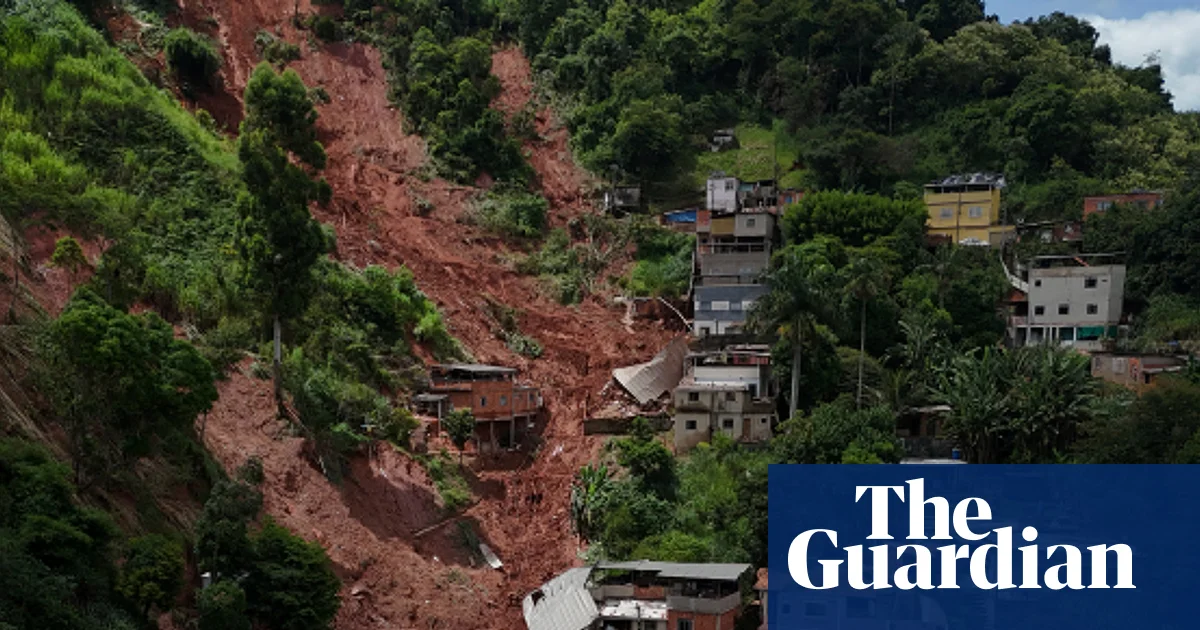
The devastating floods ravaging Brazil and its critical coffee-producing regions underscore a broader warning about the dangerous trajectory of climate change—a crisis that transcends borders and directly threatens international economic stability. In the heartland of Brazil’s coffee industry, cities like Juiz de Fora are experiencing their worst weather records, with over 750mm of rainfall in February alone—sending a stark message that weather patterns are spiraling beyond historical norms. According to the World Weather Attribution group, this event is classified as a once-in-several-hundred-year phenomenon, but scientific analysis suggests such severe downpours could become commonplace as planetary temperatures continue to rise.

Global experts warn that the primary factors behind such disasters are rooted not just in climate dynamics but also in endemic inequality and urban mismanagement. The findings emphasize that vulnerable, low-income communities living on unstable, deforested hill slopes bear the brunt of these calamities due to flawed urban planning—highlighting how societal neglect exacerbates environmental hazards. Analysts uphold that addressing these issues requires urgent, comprehensive reforms that incorporate shelters, early-warning systems, and resilient infrastructure, especially in socio-economically disadvantaged regions. As Regina R Rodrigues, a professor at the Federal University of Santa Catarina, states, “The scale of this tragedy is immense and it highlights just how vulnerable hillside communities can be as the planet continues to heat.”

  • Extreme weather, driven in part by rising global temperatures, has substantially impacted Brazil’s coffee sector, leading to a 15-20% decrease in harvests over recent years due to droughts and disease outbreaks.
  • Latin America, anchored by Brazil’s export-driven economy, faces rising costs linked to climate disruption, which ripple across global markets—elevating coffee prices and further straining consumer budgets worldwide.
  • International organizations like the United Nations warn that unmitigated climate risks threaten not only regional stability but also *geopolitical* balance, prompting national leaders to reassess their climate commitments amid mounting crises.

Beyond environmental concerns, the geopolitical impact of these developments is profound. As the repercussions of climate change deepen, nations find themselves at a crossroads—compelled to balance economic growth with a pressing need for sustainable development. Historical analysts like Dr. John Adams warn that failure to act decisively could lead to intensified conflicts over dwindling resources, especially in vulnerable nations like Brazil, where climate-related destruction undermines social cohesion and economic resilience. Meanwhile, international agencies emphasize that climate mitigation is no longer a matter of choice but a necessity to preserve the stability of societies and markets around the world. The rising tide of environmental crises, exacerbated by policy neglect, leaves global civilization teetering on the edge of a new, unpredictable epoch.

As history continues to unfold, the question remains: will global leaders heed the warnings and take genuine action, or will the relentless advance of climate calamity carve a path toward chaos and despair? With each devastating flood, scorched harvest, and rising price, the world bears witness to a monumental turning point—where the choices made today will determine the survival of societies tomorrow. The weight of history presses heavily, reminding us that the unfolding story of climate and geopolitics is far from over, and the pages yet to be written will define the future of nations for generations to come.

Brazil’s Pinheiro Braathen grabs historic gold, South America’s first Winter Olympics medal—Winter 2026 heats up!

The 2026 Winter Olympics witnessed not only a display of remarkable athleticism but also significant geopolitical symbolism. Among the most striking narratives was the historic gold medal victory of Lucas Pinheiro Braathen, a young athlete representing Brazil. His achievement was historic: the first-ever Olympic medal for a South American athlete in Winter Games history. That moment transcended sports, carrying the weight of societal change and international perception. It showcased how individual determination can challenge prevailing narratives about nations, race, and identity on the global stage.

Pinheiro Braathen’s story is emblematic of broader shifts, especially in a world where international sporting events are increasingly intertwined with issues of sovereignty and cultural representation. Born in Oslo to a Brazilian mother and Norwegian father, the athlete’s personal journey of claiming his legacy in Brazil defies traditional stereotypes. His victory sends a strong message, emphasizing that how nations present themselves on the world stage can be reshaped by the resilience of individuals willing to defy conventions. Analysts suggest that such moments bolster soft power for emerging nations, which now see sports as a domain to redefine their global stature. Historically, the significance of representation in global events has been understood by international scholars as a catalyst for changing national identities and societal cohesion.

Meanwhile, the race itself was fraught with geopolitical undertones. Marco Odermatt, the reigning Olympic champion from Switzerland, secured silver—yet the story was about Braathen’s stunning underdog victory. The event echoed the persistent rivalry between traditional winter sports powerhouses and nations like Brazil trying to leave their mark. As noted by international commentators and historians, the move by Braathen aligns with a broader trend of non-traditional nations investing in winter sports—a strategy to assert emerging influence and stimulate national pride. These shifting dynamics signify a transformation in the geopolitical landscape, where soft power assets, such as Olympic medals, now serve as symbolic battlegrounds for international prestige.

Looking ahead, the implications for international institutions and world governance are profound. The IOC, forges alliances and promotes narratives of unity and progress, yet it is also a stage for geopolitical signaling. The inclusion of athletes like Braathen, who connect diverse cultural identities, reinforces an evolving global order emphasizing individual agency over old hierarchies. As global analysts track these developments, the broader question remains: how will nations leverage such stories to redefine their roles in a fractured world? The unfolding narrative of Braathen’s victory leaves us contemplating not just the glitter of medals but a deeper, more enduring story—one where the personal is intertwined with the political, and history is written not in grand treaties, but in the individual triumphs that challenge the status quo. As the world’s gaze turns from these fleeting moments at the Winter Olympics, the real story persists: in the shadows of icy slopes and soaring flagpoles, the future of international power dynamics continues to be shaped.

Brazil’s Former President Detained as Authorities Flag Flight Risk

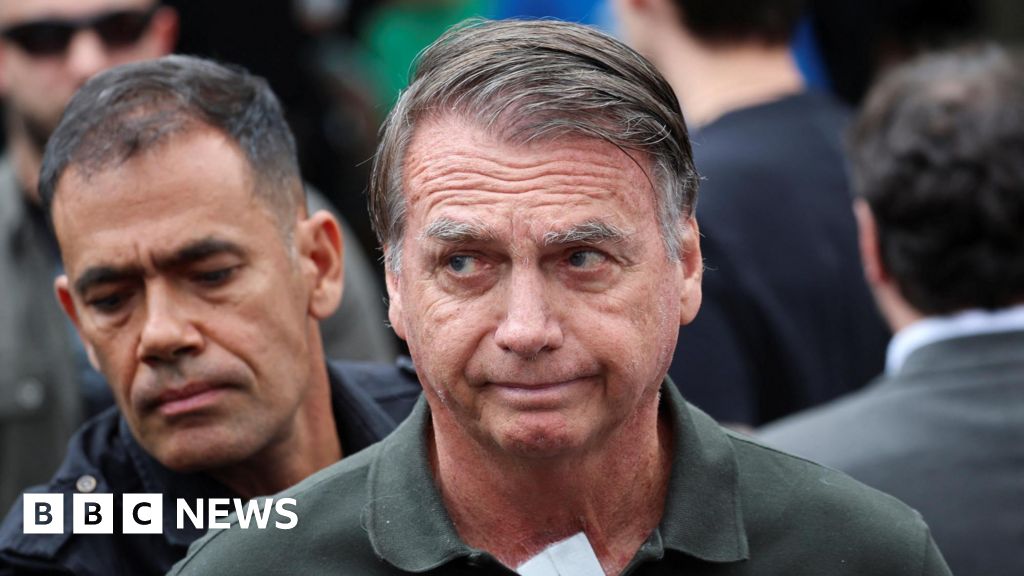
The recent arrest of Jair Bolsonaro, the controversial former Brazilian president, marks a pivotal moment in Brazil’s tumultuous political landscape and signals a potential shift in Latin American geopolitics. Convicted of plotting a military coup aimed at seizing power after his electoral defeat in 2022, Bolsonaro’s detention has ignited both support and condemnation among international observers. The Supreme Court Justice Alexandre de Moraes justified the move by citing the risk of Bolsonaro fleeing—highlighting how state security measures are increasingly intertwined with political vendettas in a region grappling with political polarization. As Bolsonaro’s supporters gather en masse, the full geopolitical impact of this crisis remains uncertain, yet fundamental questions surrounding national sovereignty and regional stability are now at the forefront.

Bolsonaro’s conviction, which led to a sentence of over 27 years, centered on his alleged role in orchestrating a conspiracy to subvert democratic processes. Notably, courts accused him of inciting violence during the assault on government institutions on 8 January—an event widely condemned as a direct consequence of his rhetoric. Leading international organizations have expressed concern, warning that such actions threaten the fragile democratic fabric of Brazil. Renowned analysts warn that his detention and the subsequent crackdown could further polarize the nation, risking destabilization in the region and inspiring like-minded populist movements across Latin America. Meanwhile, the United States, under the rhetoric of trade sanctions and diplomatic caution, has observed these developments with a mix of apprehension and strategic calculation, aware that Brazil’s stability is a cornerstone for regional influence and global trade routes.

Moreover, the detention of Bolsonaro has a broader international dimension, symbolizing a clash between old-world populism and emerging forms of governance in the 21st century. His legal team challenged the custody measures, emphasizing that “supporters are willing to fight for democracy,” even as the court warned that the former president posed a serious flight risk. The specter of Bolsonaro seeking asylum at foreign embassies, notably in the U.S., underscores the potential for diplomatic flashpoints. Such threats not only complicate Brazil’s internal affairs but also ripple into U.S.-Brazil relations, with implications for trade, diplomacy, and regional alliances. International organizations, including the OAS, have called for calm, but the underlying tensions reveal a deep fissure—one that could define Brazil’s political trajectory for years to come.

As Brazil stands at this crossroads, historians note that the unfolding events echo past crises that have shaped the modern world—moments where the fight for democracy clashed with authoritarian impulses. The decision to imprison Bolsonaro, taking into account his role in inciting violence and attempting to destabilize the government, could serve as a precedent on how emerging democracies confront populist insurgents. Yet, the potential for unrest remains significant, as Bolsonaro’s supporters prepare to rally in his favor. This confrontation will test the resilience of Brazil’s institutions and the international community’s ability to prevent a descent into chaos. In this moment, history continues to write itself—reminding us that the fate of nations often hinges on choices made not just in courts but in the hearts and minds of their people, with each step edging closer to a new chapter in the ongoing saga of liberty versus tyranny.

Social Media Auto Publish Powered By : XYZScripts.com



