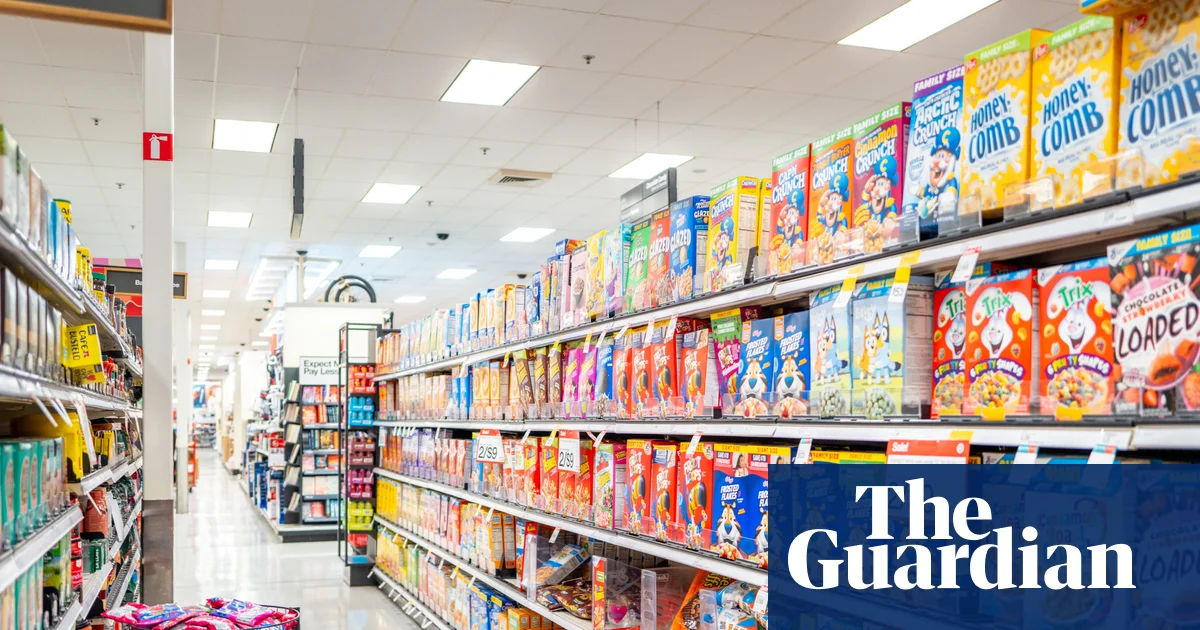

In recent developments reflecting a broader societal push towards healthier living, the retail giant Target announced it will phase out certified synthetic food colors from its cereal products by the end of May. This move, ostensibly driven by consumer demand for more natural options, also aligns with a mounting cultural shift prioritizing health and safety in food consumption. The decision emerges amidst increased pressure from the administration and various advocacy groups to scrutinize ingredients such as petroleum-based dyes—substances long scrutinized for their potential links to hyperactivity in children and other health concerns. This policy shift not only impacts families, who are increasingly conscious of what they feed their children, but also signals a societal reckoning with longstanding industrial practices.
Throughout history, food industry practices have often been challenged by public health debates and social movements. From early efforts in the 20th century to eliminate harmful additives to recent campaigns for clearer labeling, society’s stance on food safety reflects both scientific understanding and cultural values. Today, demographic changes and cultural tensions influence how communities view artificial ingredients, especially among younger generations who prioritize authenticity and transparency. Renowned sociologists like Nathaniel Phillips have argued that such consumer demands are reshaping how corporations perceive their social license to operate. The move by Target—though superficially a business decision—serves as a social marker, indicating a societal trend toward greater accountability for what is marketed to families and children.
However, the road to reform remains fraught with challenges. While some states, like West Virginia, have already enacted bans on synthetic dyes, the industry’s response oscillates between compliance and reversal, often influenced by consumer backlash and economic considerations. Leading companies such as General Mills and Kraft Heinz pledge to eliminate artificial colors by next year, yet critics like food reform advocates warn that these promises are often superficial, subject to change in response to sales metrics and regulatory laxity. The recent revision by the Food and Drug Administration—which allowed companies to claim “no artificial colors” if dyes are non-petroleum-based—has been met with skepticism. Social commentators like Marion Nestle have pointed out that these measures might be more about corporate image than substantive health protections. Ultimately, the societal battle over food dyes exposes a deeper tension: the conflict between industrial profit motives and the public’s right to safe, transparent food.
As communities grapple with these complex social issues, families stand at the crossroads of cultural values, economic realities, and health concerns. It is a reflection of society’s ongoing challenge to balance progress with responsibility—acknowledging that true societal transformation requires more than shiny promises and superficial policy changes. It demands a collective moral awakening, recognizing that the choices made today about what we eat are intertwined with the future of our families, our communities, and our shared integrity. In this moment of flux, society holds the hope that amid the noise of corporate interests and political pressures, the moral compass of a nation may yet steer us toward a healthier, more transparent future—one where the innocence of childhood is protected not just by laws, but by a societal will to value human well-being above fleeting profits.