

Political Turmoil Rocks UK Labour Party Amid Leadership Allegations
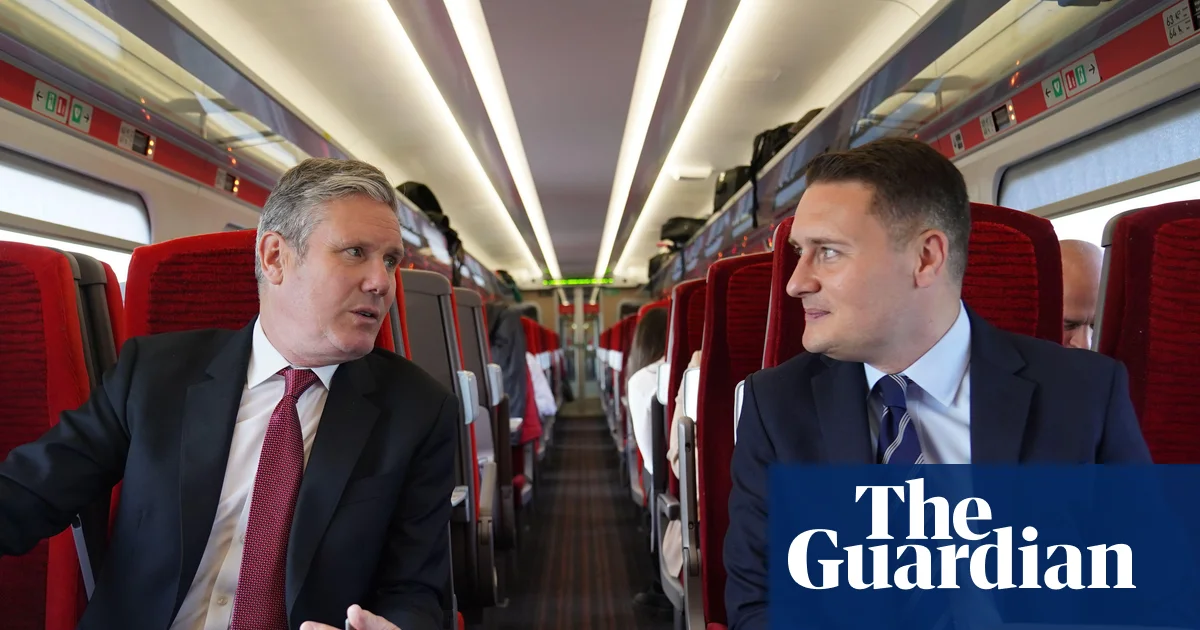
The recent chaos within Britain’s Labour Party has exposed the undercurrents of internal strife that threaten to destabilize one of Europe’s historically significant political entities. The controversy centers around a leaked briefing war—an age-old tactic in politics but one that now threatens to erode Keir Starmer‘s authority as he grapples with mounting allegations of internal sabotage. The situation escalated after reports suggested that Number 10 Downing Street attempted to rally support for the Prime Minister, while simultaneously planting stories intended to weaken Labour’s front-runner, Wes Streeting. Analysts see these events not just as a leadership dispute but as symptomatic of deeper, systemic chaos in political communication and party unity.
This internal discord has prompted intense public debates and questions from international observers about the stability of the UK’s political landscape. According to historian and political analyst Dr. Elizabeth Morgan, the briefing war reflects a broader pattern where elite factions resort to clandestine tactics to sway leadership disputes, often at the expense of transparency and public trust. Labour’s efforts to contain the fallout have included promises of investigations and internal reviews, but these moves appear to be more aimed at damage control than genuine reform. This episode raises critical questions about the geopolitical impact of such internal fractures, as the UK’s political reputation on the global stage could be compromised by visible disarray among its major parties.
As the scandal unfolds, Keir Starmer remains under pressure to rid his ranks of perceived disloyalty. The focus on the modern culture of political briefing, long criticized by critics as a corrosive element of democratic governance, seemingly reaches new heights of intensity. World political organizations warn that such turmoil could weaken the UK’s diplomatic standing, especially as the country faces complex international challenges—from navigating post-Brexit trade relations to responding to geopolitical crises in regions like Eastern Europe and the Middle East. The internal conflicts highlight how fragile even well-established political alliances can be when submerged in the murky waters of factional infighting.
Ultimately, the trajectory of this political saga remains uncertain. On one side, supporters of Starmer insist that the internal leaks and briefings are routine and that, behind the scenes, efforts are underway to restore order. On the other, critics argue that the unrest exposes a deeper crisis of leadership integrity—a crisis with echoes beyond national borders, demonstrating that the battle for power often reveals more about societal divisions than the policies a government advocates. As history continues to unfold, the spectacle of Britain’s Labour leadership saga will serve as a stark reminder: in the corridors of power, the line between stability and chaos is razor-thin, and the consequences of internal betrayal ripple outward, shaping the course of nations and societies for generations to come.





