
Matox News

Truth Over Trends, always!

Jess Cartner-Morley Drops Winter Style Hack: Brighten Up with a Fresh Pop of White!

The Next Wave of Winter Style: Embracing White to Brighten the Season

As January drags on with its bleak skies and muddy puddles, a surprising tide is sweeping through the fashion world, led by _trends_ that challenge the winter gloom’s dominance. White has emerged as more than just a color—it’s a statement that transcends seasonal conventions. Influencers like Emma Roberts sporting crisp white ankle boots and fashion icons endorsing monochrome ensembles are signaling a shift in how we perceive winter styling. This isn’t just about aesthetics; it’s a societal move towards upliftment and light, even during the darkest months.

This trend’s social relevance lies in its counter-intuitive approach to winter fashion. Instead of succumbing to the heavy, dark layers traditionally associated with cold weather, youth and trendsetters are embracing a playful, _whimsical_ palette that brights their mood and social presence. _Adding a splash of white_, whether through boots, shirts, or accessories, functions as a visual “serotonin shot,” making even the gloomiest days seem a little brighter. Sociologists note that such color shifts act as subtle acts of defiance, empowering young people to reclaim their environment and express optimism in the face of persistent winter blues.

Fashion analysts are quick to point out that this is more than fleeting sartorial fun—it’s a cultural statement. The _white_ trend aligns with a broader movement towards _self-expression_ and _individuality_. Combining white with darker tones creates a _balanced_ aesthetic that stays playful yet grounded, a nod to youthful rebellion that is both stylish and socially engaging. Top brands like Whistles and John Lewis are capitalizing on this, offering sleek white jackets, accessories, and shoes that make layering accessible and versatile. Influencers and style guides emphasize that, just as a squeeze of lemon elevates a dish, a strategic pop of white can _perk up_ the most utilitarian winter wardrobe_.

As this trend gains momentum, it raises a profound question: is the white accent merely a fashion statement, or could it signal a deeper societal shift—a collective desire to _brighten_ and _redefine_ our cultural landscape? The _next big question_ is whether this playful embrace of white will foster resilient, optimistic attitudes that withstand future social and environmental challenges. In a world increasingly aware of the importance of mental well-being, perhaps the key to resilience lies not just in what we wear but in how we choose to perceive and shape our surroundings. As youth-driven style continues to evolve, one thing is clear: the snow may never come, but the potential for a _whiteout_ of positivity and hope is already on the horizon.
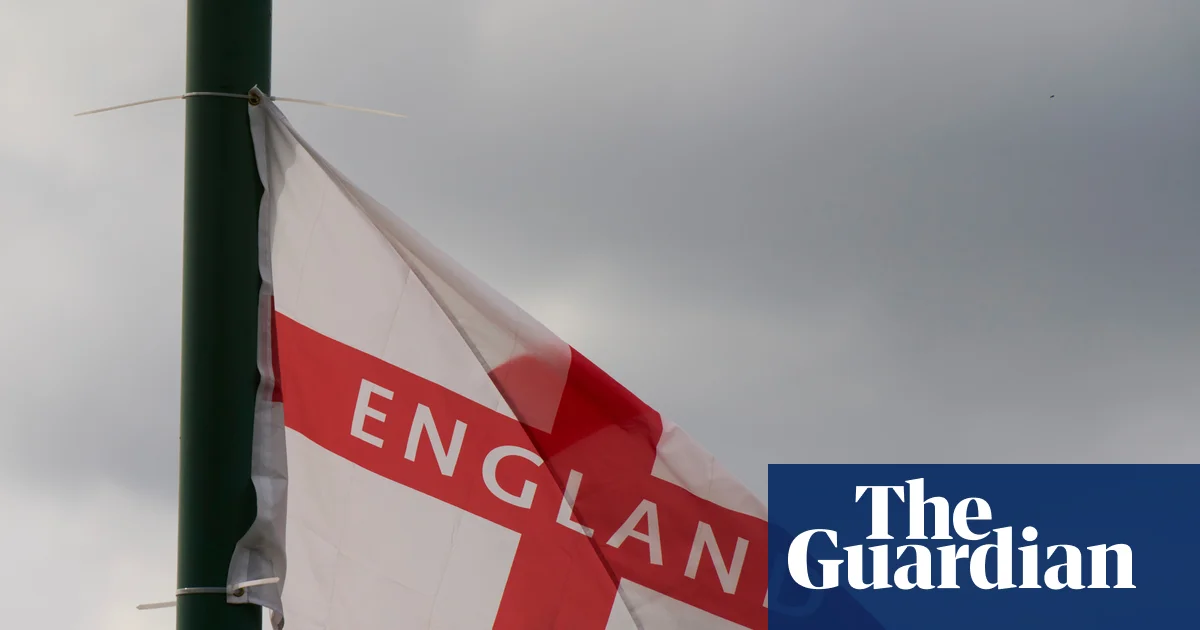
Reform Council Pushes for Flag Removal to Brighten Up Christmas Lights in Kent

Controversy Over Flags and Christmas Lights in Harrietsham

Flags vs. Festive Cheer: The Cultural Clash in Harrietsham

The recent decision by Kent county council to mandate the removal of union and St George’s flags from streetlights before the village can proceed with its traditional Christmas decorations has sparked a fierce debate that reflects broader societal tensions. This incident, deemed “beyond ironic” by local leaders, underscores how cultural symbols and identity politics increasingly influence community life and social cohesion. As the council’s safety concerns dominate discussions, the decision highlights an underlying struggle over the societal role of national symbols amid a rapidly changing demographic landscape.

The controversy centers on the flags, which are often associated with national pride and patriotic expression. While the county council asserts that safety during light installation is paramount, critics argue that the decision is emblematic of a broader trend of government intervention in cultural expression. For many families and communities, such symbols are part of their identity, deeply intertwined with their history and sense of belonging. The actions of the council have ignited concerns among residents and local groups who see this as an erosion of freedom to display their heritage. Notably, the parish council emphasizes that the flags, which were put up without formal permission, do not belong to the council property and therefore cannot be removed without owner consent—highlighting issues of property rights, local autonomy, and the cultural significance of public symbols.

This conflict has implications beyond mere symbolism; it affects the social fabric of communities and the everyday experiences of families. When local authorities restrict expressions that unite or represent a community’s history, it can lead to alienation and social fragmentation. Sociologists like Dr. Lisa Greenfield warn that such restrictions risk marginalizing conservative and patriotic elements, which are vital voices in the ongoing conversation about national identity. The debate reveals a cultural shift where traditional symbols are being scrutinized under the guise of safety or political correctness, often at the expense of community cohesion and shared celebration. Furthermore, the controversy illustrates how social tensions around identity, patriotism, and multiculturalism influence local governance and public spaces.

Supporters of the council’s stance argue that safety remains the highest priority in public planning, emphasizing that flags can obstruct visibility or interfere with installation safety. Peter Osborne, Kent council’s cabinet member for highways and transport, asserts that the removal process can be done efficiently by contractors without significant costs. Yet, critics like Stuart Jeffrey, a Green councillor and leader of Maidstone borough council, suggest that the broader issue is symbolic — that the flags represent more than just personal or local pride, but the tensions between local tradition and the push for a homogenized national identity. They contend that “the flags serve as a reminder of the community’s history, and their removal signifies a form of cultural suppression.”

Ultimately, this conflict resonates as a microcosm of society’s ongoing struggle to balance tradition with progress. It raises essential questions about how communities can preserve their heritage and identity in an increasingly diverse society, without compromising safety or the rule of law. As we move forward, the challenge lies not only in resolving disagreements over symbols and regulations but in fostering a society where families, educators, and communities can find common ground amid the inevitable changes shaping modern Britain. Reflecting on this, one can hope that society’s greatest strength remains its capacity to adapt, unite, and honor its roots—transforming division into dialogue, and symbols of division into symbols of collective hope for a more inclusive future.

Social Media Auto Publish Powered By : XYZScripts.com



