Matox News

Truth Over Trends, always!

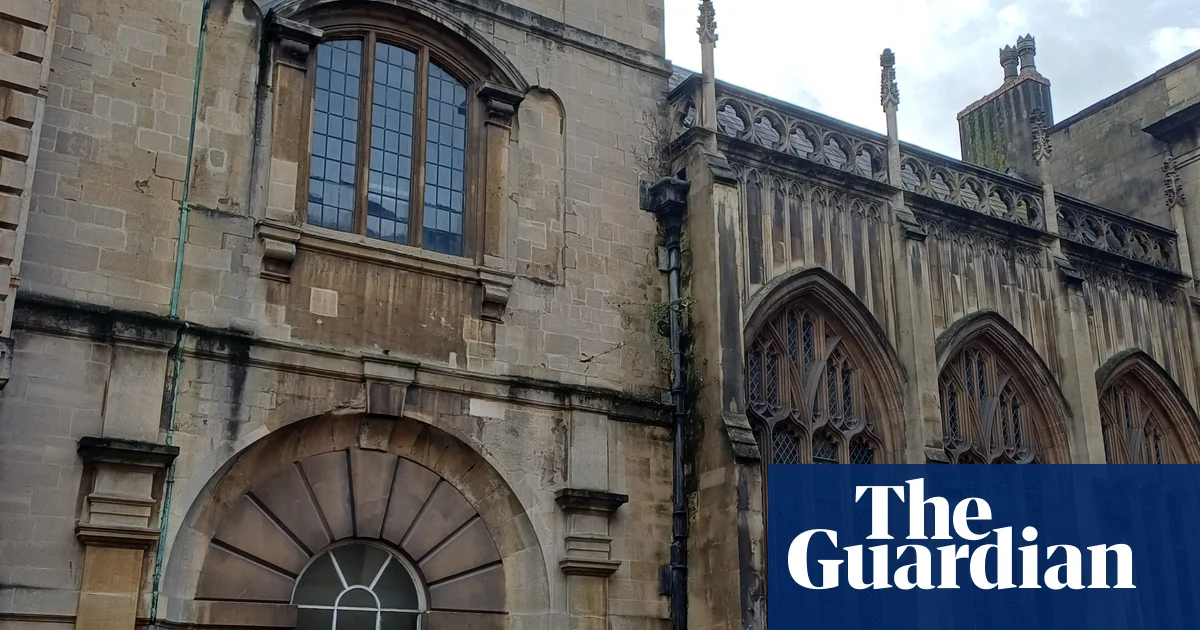
Bristol Church Repairs Renew Push to Exhume Edward Colston

In a development that underscores the complex interplay between history, cultural memory, and national identity, Britain is at a pivotal moment regarding its approach to confronting its colonial past. The ongoing efforts to refurbish the once-abandoned All Saints Church in Bristol serve as more than mere local infrastructure repair; they symbolize the broader struggles faced by nations grappling with their historical legacies. The church, believed to be the burial site of Edward Colston, a notorious slave trader and financier of the British Empire, has been a focal point of controversy since the 2020 protests. The decision to repair the building and potentially deconsecrate it, removing Colston’s remains, reflects an international debate about how to handle monuments, sites, and symbols tied to a contentious past.

The geopolitical impact of these decisions extends far beyond Bristol, spotlighting a pattern observed across Western nations. European countries, in particular, are facing mounting pressure to reassess their colonial legacies. The removal or contextualization of monuments—sometimes driven by local communities, other times by national governments—has become a flashpoint that exposes underlying divisions about national identity and collective memory. Analysts from international organizations such as the United Nations Educational, Scientific and Cultural Organization (UNESCO) warn that these controversies are increasingly exploited by political factions seeking to reshape societal values. The controversy surrounding Bristol’s church and the fate of Colston’s remains exemplifies this wider phenomenon: the struggle to balance historical acknowledgment with the desire for national unity and social cohesion.

As debates unfold, the international community observes how decisions about the future of such sites affect societal cohesion and diplomatic relations. While some advocate for erasing uncomfortable symbols, others argue that context and education are essential. The diocese’s insistence that repair work is mandated for safety reasons, and the ongoing consultations with the African–Caribbean community, illustrate a nuanced approach aimed at reconciliation. Nonetheless, critics point out how the recontextualization or removal of Colston’s remains could be interpreted as a form of symbolic repudiation, potentially fueling further discord. These internal conflicts within Britain reflect broader tensions experienced by nations worldwide as they reckon with their colonial histories, often prompting uncomfortable questions about justice, reconciliation, and the very fabric of national identity.

The story of Bristol’s All Saints Church and its contentious history embodies a turning point—a moment when society must confront a shared past that is both painful and instructive. As the debate rages about whether to preserve the building, repurpose it, or erase its troubled history altogether, it echoes a larger truth: history is a living force, shaping international relations and societal values. Leaders and historians alike warn that how nations choose to remember—they say—will determine their future stability and integrity. The ongoing negotiations about Bristol’s church are more than regional—they serve as a somber reflection of how history’s shadow continues to loom over modern geopolitics, leaving a legacy that demands humility, understanding, and resolution, even as the world watches and waits.
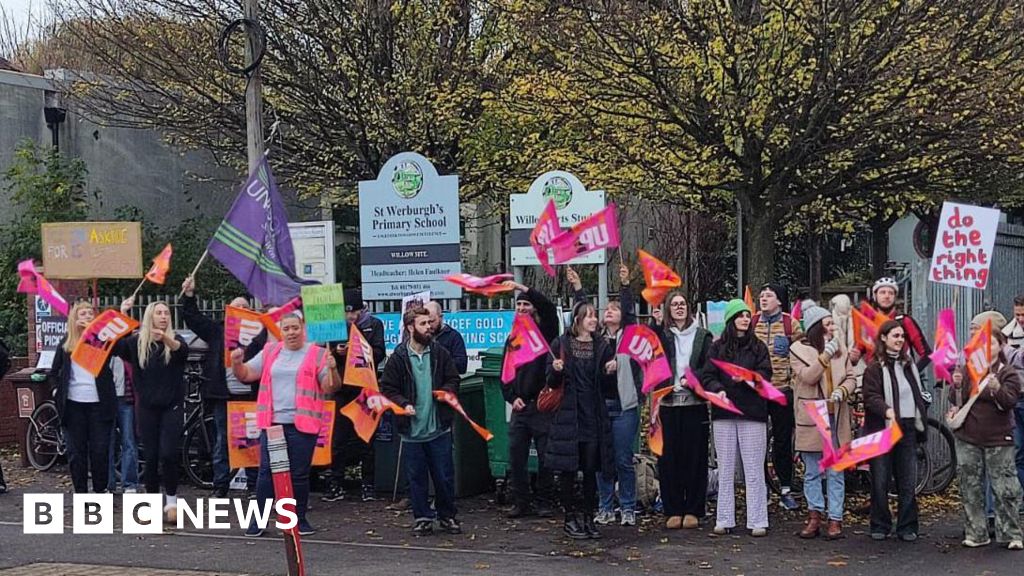
Bristol Schools Disrupted as Support Staff Strike Over Pay—Youth Voice in Crisis

How Economic Disputes and Social Tensions Shape Families, Education, and Communities

In recent weeks, a wave of social unrest has swept through the educational landscape of Bristol and North Somerset, exposing a broader societal challenge rooted in systemic issues of inequality, fairness, and respect. Support staff at a dozen schools managed by the Cathedral Schools Trust initiated a two-day strike, highlighting a crisis that transcends individual workplaces and touches the very fabric of community stability. This protest was triggered by delayed pay raises—delays amounting to five months of withholding payments—and has left many employees, including teaching assistants, administrators, librarians, and caretakers, feeling *unvalued* and *disrespected*. The ripple effects of such disputes threaten not only the livelihood of individual families but also the quality of education and the cohesion of local communities, intensifying social tensions often ignored in broader policy debates.

According to social commentators and historians like Professor Margaret Mead, who emphasized the importance of social cohesion for societal health, disruptions like these illuminate the fragility of our social institutions. Families reliant on predictable income find themselves in stressful financial situations, with some losing hundreds of pounds annually, as vividly expressed by Steve Brice, a dedicated teaching assistant. He revealed that delays in pay have forced him into financial hardship, affecting his entire household. This scenario underscores an ongoing challenge: *when social actors are mistreated or neglected—particularly those in essential roles—families are destabilized, and the cycle of hardship and social discontent persists.* The values of *fairness* and *respect* are central to maintaining social harmony, yet too often, these principles are sacrificed in bureaucratic or institutional neglect, fueling social division rather than unity.

Educational institutions serve as the backbone of community development, shaping the moral and intellectual fabric of future generations. When support staff, who are critical to the day-to-day functioning of schools, feel *undervalued*, the entire learning environment suffers. Sheila Caffrey, a representative from the National Education Union, stressed that many staff members feel they are *not being adequately valued* by their employers—a sentiment echoed across various sectors in society. Such discontent can ripple through schools, disrupting learning and straining relationships between educators, students, and families. More disturbingly, the social tensions generated by these disputes threaten to erode the respect and trust necessary for a thriving, inclusive society. As sociologist Pierre Bourdieu pointed out, these conflicts are not merely about money but about *recognition* and *dignity*, those intangible social currencies that hold communities together or tear them apart.

Despite efforts by the trust to negotiate, the ongoing conflict reveals a critical truth: social issues today are interconnected with mental health, economic stability, and moral integrity. The response to this crisis must be multifaceted. Solutions should include transparent dialogue, fair compensation packages, and structural reforms that prioritize human dignity over bureaucratic expediency. Only then can we hope to rebuild the trust that sustains communities and sustains families. As social commentators warn, neglecting these issues risks not only a breakdown in societal cohesion but also a decline in the moral fabric that binds us. Yet, amid these struggles, there remains a quiet hope—a belief that societies are capable of transformation when rooted in fairness and respect. Indeed, the unfolding story of these support staff and their fight for justice echoes a broader call for societal renewal—reminding us all that the strength of a society is measured by how it treats its most vulnerable, and how it rises together in the face of adversity.

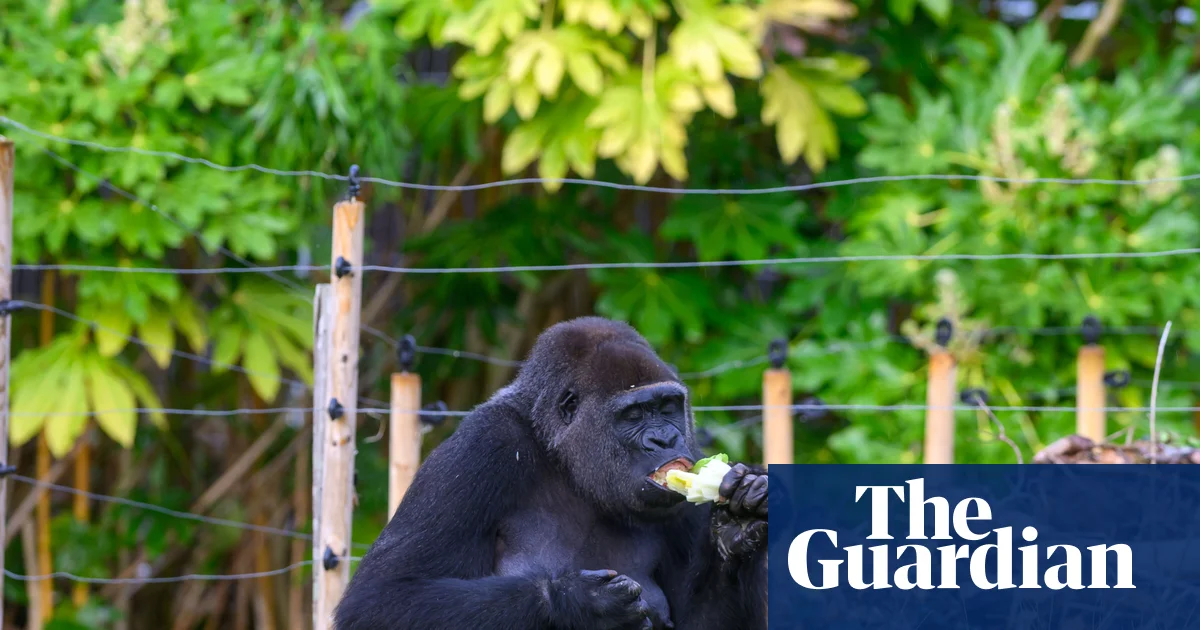
Bristol Zoo: ‘Loneliest’ Gorillas Thriving, Stronger Than Ever

In a world where geopolitical conflicts dominate headlines, the plight of individual species and local conservation efforts often fade into insignificance. Yet, recent developments at Bristol Zoo serve as a microcosm of broader issues facing humanity—balancing between conservation and human curiosity, security concerns, and societal perceptions. The controversy over the welfare of western lowland gorillas, confined behind barriers in Bristol, highlights how societal priorities and international commitments collide within the realm of animal conservation, carrying profound geopolitical implications. As global institutions face mounting pressure from environmental activists and local governments grapple with safety and funding, the decisions made at this tranquil zoo reverberate across borders, influencing international conservation strategies and the collective moral standing of nations.

Underlying the media frenzy is a larger narrative about how international cooperation and national policies influence conservation. The Bristol Zoo’s transition to the new Bristol Zoo Project exemplifies a strategic shift—one driven by costly infrastructure upgrades, security concerns, and modern animal welfare standards. The zoo’s management insists that their gorillas—an insurance population for their species—are thriving under their care, regardless of how the media or intruders portray their emotional states. This situation underscores the importance of international protocols such as those championed by the World Wildlife Fund (WWF) and TRAFFIC, which promote not only habitat preservation but also captive breeding programs crucial for maintaining genetic diversity. However, critics, including conservation charities like Born Free, argue that inadequate security measures risk undermining these efforts, raising questions about how nations prioritize human safety versus animal welfare.

In the broader geopolitical landscape, the fate of such species often reflects a nation’s global standing and commitment to environmental responsibilities. Countries participate in treaties like the Convention on International Trade in Endangered Species (CITES), aiming to combat poaching and illegal trafficking, yet progress remains uneven. The recent trespassing incident at Bristol—an act of urban exploration—symbolizes a larger discord: a society increasingly disconnected from conservation and ill-equipped to enforce protective measures. As international agencies warn of the catastrophic loss of biodiversity—particularly for vulnerable primate populations—these incidents pose not just local security issues but questions about the effectiveness of global environmental governance. The international community’s ability to ensure secure, well-funded, and ethically managed conservation programs directly correlates with a nation’s capacity to influence global ecological stability and human development.

As history unfolds, the silent echoes of these decisions continue to shape the course of future generations. The unresolved tension between human curiosity and animal welfare, security concerns and conservation priorities, exemplifies the complexities encountered by a world seeking sustainable progress without sacrificing legacy. The western lowland gorillas at Bristol stand as a poignant symbol—an emblem of how localized choices ripple outward, forging a legacy of environmental stewardship or neglect. The path the international community chooses will determine whether we are remember as guardians of creation, or as the architects of a bygone era where the voice of nature was drowned out by the noise of human ambition. In this narrative, each decision echoes across the corridors of time, leaving a legacy that can either save or condemn the fragile threads that bind our shared future together.

Social Media Auto Publish Powered By : XYZScripts.com