Matox News

Truth Over Trends, always!

Britain and the US, Chill Out — Gen Z’s Chinamaxxers Aren’t Here to Hurt You | Coco Khan

In an era where global influences are woven into the fabric of our daily lives, the latest trend on TikTok may seem like harmless cultural curiosity—but beneath the surface, it reveals an ongoing battle over identity, national pride, and soft power. Enter Chinamaxxing, a phenomenon where younger generations are immersing themselves in Chinese customs, language, and aesthetics as a form of playful cultural exchange. From practicing qigong stretches to binge-watching Chinese period dramas, fans are seeking a sense of connection in an increasingly polarized world. While some hail this as an inspiring embrace of multiculturalism, others see it as a subtle challenge to Western dominance, stirring debates about loyalty, influence, and the future of national identity.

This trend highlights a broader cultural shift—one that champions *personal impact* through self-expression, leisure, and newfound curiosity. At its core, wellness and lifestyle are no longer confined to traditional norms or solely Western paradigms. Influencers on platforms like TikTok are showcasing how infusing their routines with Chinese philosophies and aesthetics can be a form of *personal empowerment*. Think of it as a quest to “become Chinese” through learning Mandarin on Duolingo or adopting habits like drinking hot water every morning. To many young people, such practices symbolize an act of rebellious individuality—an assertion that identity can be fluid, adaptable, and deeply personal in our interconnected yet divided world.

Yet, this enthusiasm has ignited a political undertone. Critics from across the ideological spectrum argue that soft power has tangible implications; some view it as a subtle form of influence that could reshape perceptions of loyalty. The New York Post describes Chinamaxxing as not just a lifestyle choice but a potential “aesthetic defect,” warning that many influencers may be *denigrating* their own country while elevating another superpower. Meanwhile, outlets like Fox News explore concerns over the glamorization of living in communist China, framing it as a dangerous drift away from American values. This tension illustrates how culture, once an intangible force, now occupies a front row seat in geopolitical dialogues. The phenomenon underscores the importance of a *nuanced view*: cultural fascination should inspire curiosity rather than suspicion, but it also reminds us that soft power can be a tool wielded intentionally—sometimes, subtly, and often unconsciously.

As the debate unfolds, it offers a potent reminder that our cultural influences—whether from Hollywood, London, or Beijing—are a reflection of our deepest values, aspirations, and fears. The youthful pursuit of understanding other cultures does more than broaden horizons; it challenges us to confront how identity evolves in a complex global landscape. When viewed through the lens of lifestyle and personal growth, this movement reveals an inspiring truth: that embracing change, curiosity, and cultural exchange can become a beacon for resilience and authenticity. In every ritual, language, or tradition that a young individual adopts, there lies a quiet act of rebellion—a testament to the enduring power of culture to shape not just our habits, but our very outlook on what it means to be part of something greater. Ultimately, lifestyle is not merely a personal journey—it is a journey to discover and redefine ourselves in a shifting world, guided by the timeless principle that *our greatest strength lies in our ability to adapt, learn, and grow*.

Energy bills to drop by £117 for millions across Britain starting April


UK Energy Price Shifts and Geopolitical Ramifications

UK Energy Price Caps and Their Geopolitical Significance

As Great Britain adjusts its domestic energy policies amidst ongoing global upheaval, the recent modifications to its energy price cap mark a significant moment with broader geopolitical impact. Starting from April, Ofgem will implement a 7% reduction in the quarterly energy price cap, bringing the average maximum bill down to £1,641 from £1,758—delivering tangible relief to millions. Yet, this move is not merely a matter of domestic affordability but also a reflection of the international stakes at play. Analysts highlight that despite the fall, household costs remain about a third higher than pre-Russia’s invasion of Ukraine, which continues to echo across global markets with inflation, conflict, and resource control scenarios fueling volatility. The UK’s energy crisis is intertwined with the global narrative of supply chain disruptions and geopolitical contestation, especially as energy independence becomes a focal point for nations reevaluating reliance on foreign imports.

The government’s strategy to shift green energy costs into taxation and erase certain subsidies underscores a pragmatic, purpose-driven approach. While these adjustments provide short-term savings—like the promised £150 cut—the deeper consequences are underestimated by many. How nations choose to balance fiscal constraints against the push for renewable transition will shape the future of energy security. Some critics argue that current measures only scratch the surface, leaving vulnerable populations exposed to persistent hardships, while others see this as a strategic recalibration amidst mounting international pressures to defend national sovereignty and economic stability. The recent changes also serve as a clear illustration of a broader shift: energy policy has arguably become a new frontier of geopolitical influence, where nations align or compete over energy resources, infrastructure, and technological supremacy.

Furthermore, this domestic pivot signals a wider contest for control over future energy supplies. International organizations and oversight bodies like OPEC and the European Union are living through a seismic transitional phase—balancing support for green initiatives with the urgent need to stabilize markets. As historian and energy analyst Dr. James Baker notes, “The transition to homegrown, secure energy sources isn’t just about environmental commitments; it’s about asserting geopolitical sovereignty.” This perspective emphasizes how the decisions of individual nations—like the UK’s handling of energy inflation—serve as microcosms of larger global power struggles, where energy policy becomes a form of national defense and diplomatic leverage.

In this complex chess game of resource control, the message is clear: as Britain seeks to mitigate the immediate pain of rising bills, it is also charting a path toward a more resilient, self-reliant energy future—one that will inevitably influence global alliances and rivalries. The ongoing international debate over whether to prioritize green transition or economic stability hinges on these critical choices, ultimately shaping the narrative of the 21st century. Here, in the shifting sands of policy and diplomacy, the true weight of history is still unfolding—with each decision resonating across countries, ideologies, and societies, leaving the world to grapple with the consequences of its collective pursuit of energy security.

Andrew’s Arrest Exposes US Silence on Epstein Files — A Wake-Up Call for Britain

Global Power Shaken as Epstein Scandal Exposes Deep-Seated International Elite

The recent release of the epstein files has ignited a firestorm across nations, revealing a shocking tapestry of corruption, abuse, and elite complicity that spans continents. While countries like Britain and Australia grapple with scandals involving high-profile figures and international alliances, the United States remains notably aloof. Officials and analysts alike are left questioning the true scope of accountability and the efficacy of justice—or the stark absence of it.

Contrasting sharply with the relentless pursuit of justice in Britain—where figures such as former Prime Minister Tony Blair’s associate Peter Mandelson have come under police investigation—the U.S. appears paralyzed by political caution or active cover-ups. In the aftermath of the Epstein revelations, only Ghislaine Maxwell has faced formal justice, sentenced to 20 years for trafficking minors. Meanwhile, numerous high-profile Americans, including Bill Gates and figures linked to the 2028 LA Olympics, have distanced themselves from the scandal—yet remain uncharged. This disparity underscores a critical geopolitical impact: the fragile credibility of American institutions in confronting its own power elite.

As reports detail how U.S. officials and prominent personalities maintained close ties with Epstein after his 2008 conviction, critics continually assert that **the “Epstein class”**—a network of politicians, financiers, and celebrities—enjoys privilege and impunity. Senator Ruben Gallego explicitly blamed President Trump for obstructing justice, comparing America’s attitude to that of nations that hold their elites to account. Such claims highlight the alarming divergence in standards: where other countries are aggressively pursuing accountability, the U.S. remains politically hesitant, if not complicit.

Furthermore, international media and analysts suggest that this silence and inaction serve as a warning—a sign that the American power structure is deeply entangled in a web of secrecy and self-preservation.

  • Britain’s Prime Minister Keir Starmer had to confront questions about his own judgment due to his close association with Peter Mandelson.
  • In the United States, political officials such as Howard Lutnick have attempted to deny associations, yet internal emails reveal contradictory evidence of continued contact.
  • Meanwhile, the upcoming congressional hearings threaten to expose a different, far darker chapter of this saga—one where justice might finally pierce through the veil of privilege.

Historians and international watchdogs warn that the justice lag in the United States risks turning this scandal into a story of institutional decay. The unfolding investigations could mark a turning point—not only in the pursuit of justice for Epstein’s victims but in re-examining the unchecked power that shields the elite. As the echoes of this scandal continue to resonate worldwide, the stage is set for a dramatic reckoning—one that may define the trajectory of justice for generations to come. Yet, the question remains: will history record this as a wake-up call or another chapter of lost opportunity? Only time will unveil how deep America’s legacy of secrecy truly runs, and whether the winds of change can finally sweep through the corridors of its most powerful institutions.

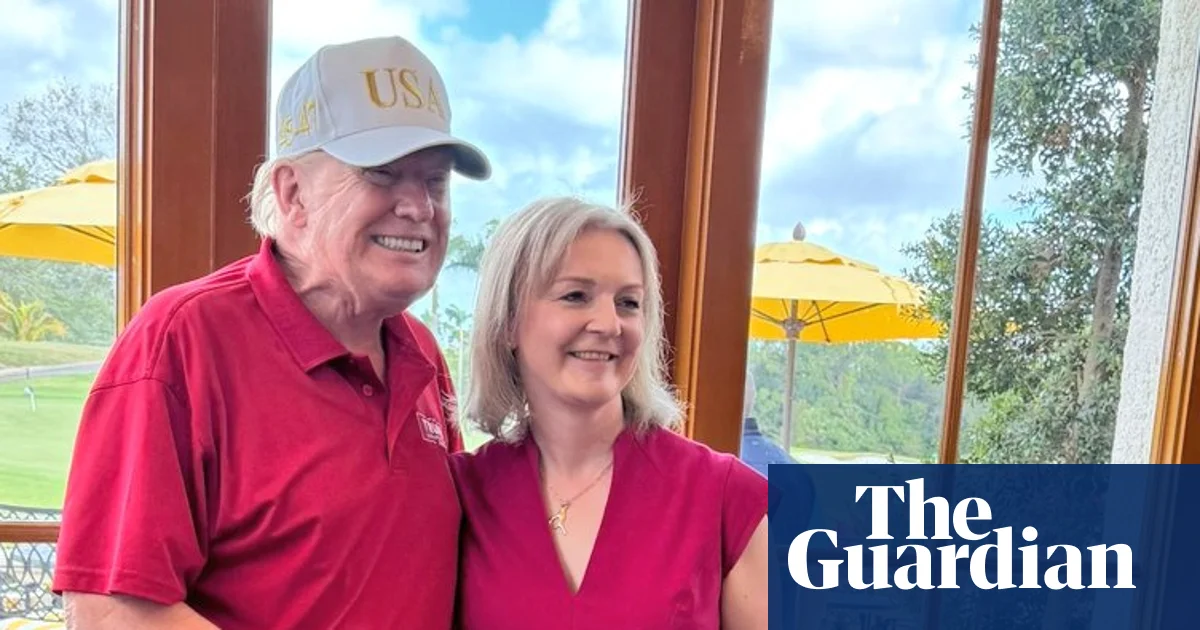
Truss and Trump rally together: Standing strong for Britain and America

In a clear demonstration of shifting geopolitical alliances and the resurgence of populist sentiment, Liz Truss, the brief and embattled former Prime Minister of the United Kingdom, has reemerged onto the global stage not through policy or leadership, but through symbolic gestures that signal her alignment with American right-wing populism. Her recent encounter with Donald Trump at his Mar-a-Lago estate underscores the increasingly blurred lines between domestic political figures and transatlantic ideological blocs. Truss’s decision to publicly pose with Trump, and her accompanying boast about being “Right about everything,” suggest a calculated move to position herself within the ranks of the America-first movement—a clear sign that her ambitions, however marginal in British politics, are now more firmly rooted in transatlantic alliances.

Her presence at the Conservative Political Action Conference (CPAC) in Maryland last year, where she delivered incendiary speeches criticizing Britain as “failing” and praised the burgeoning ties between right-wing populists worldwide, illustrates how the global landscape is increasingly polarized. Analysts such as Dr. Rebecca Sanderson of the International Institute of Politics emphasize that figures like Truss capitalizing on this mood reflect a broader geopolitical shift, where the traditional power dynamics of Western democracies are mediated through populist rhetoric and anti-establishment sentiments. The rise of such figures signals a fundamental redefinition of ideological borders, with countries like the UK and the US acting as symbols of resistance against what many see as the decline of liberal consensus.

Meanwhile, within the UK, Truss’s attempts to re-establish her influence extend beyond politics into entrepreneurship, with her efforts to launch her own club—The Leconfield—underscoring her desire to cultivate new power bases outside formal government structures. Her association with the property tycoon Robert Tchenguiz and her solicitation of founding members for half a million pounds reflect a speculative pursuit of influence, one that many see as emblematic of a broader crisis of legitimacy in contemporary British politics. Her short-lived tenure as Prime Minister, lasting only 49 days, and her subsequent electoral defeat, mark her as a figure on the fringes of mainstream politics, yet her international positioning indicates her desire to stay relevant on a global scale.

The geopolitical impact of these developments cannot be overstated. As Western democracies grapple with internal divisions and a fragile post-pandemic recovery, the influence of populist actors like Truss and Trump accelerates the disintegration of traditional alliances and norms. International organizations such as the European Union and the United Nations observe these shifts warily, recognizing their potential to redraw power structures and foster instability. History warns us that the rise of such populists often coincides with heightened global tensions and the erosion of diplomatic consensus. As the pages of history continue to turn, the world waits to see whether the current alignment of figures like Truss and Trump will forge a new ideological axis—or push the world toward a precipice from which current global order may never return. In this unfolding story, the delicate balance of peace and chaos remains on a knife’s edge, scripted by the audacious ambitions of those who believe they are rewriting the rules of the game.

Survey Warns Up to 50,000 UK Nurses May Quit Over Immigration Rules—A Wake-Up Call for Britain

The United Kingdom faces a seismic shift in its socio-political landscape as new immigration policies threaten to exacerbate the ongoing nursing crisis within the National Health Service (NHS). Recent research warns that up to 50,000 nurses could potentially leave the country if proposed measures are implemented, plunging the NHS into its most severe workforce shortage in history. This wave of potential departures underscores the precariousness of a system already strained under soaring demand and staffing deficits, as policymakers pursue a strategy aimed at reducing net migration. The plans, announced by the government, include extending the indefinite leave to remain (ILR) from five to ten years and increasing language and skill requirements for foreign workers, ostensibly to curb the influence of populist rhetoric led by figures like Nigel Farage and his Reform UK party. However, international observers and healthcare professionals warn that these policies will threaten patient safety and deepen the nation’s workforce crisis.

Significant geopolitical impact stems from these policy shifts, as the UK’s reliance on international talent is laid bare. Over 200,000 foreign nursing staff—roughly 25% of the NHS workforce—could see their futures destabilized by the new rules, with many contemplating outright departure. The Royal College of Nursing (RCN) has publicly condemned these measures as “immoral,” emphasizing their potential to cause irreparable harm to Britain’s healthcare system. According to analysts, the move reflects a broader reassertion of national sovereignty but at a cost: the loss of highly skilled migrant workers who have contributed significantly, especially during the COVID-19 pandemic. These nurses, many coming from nations such as the Philippines, India, and Eastern Europe, have become the backbone of Britain’s health services—yet they now face an uncertain future, with the proposed policies effectively penalizing those who have served amidst crises.

Experts such as global policy analysts warn that the decision to lengthen the ILR process and increase visa standards signifies a shift towards an inward-looking, protectionist approach that could have lasting ramifications. Historically, international migration has played a vital role in filling essential sectors in the UK, and leaders in international organizations caution that such restrictions threaten not just the NHS but the broader society. The increased fees for ILR applications—rising from £155 in 2003 to over £3,000—are seen as an economic barrier that disproportionately impacts the most vulnerable migrant workers and could further diminish the international workforce vital to Britain’s public services. As some healthcare leaders argue, these policies resemble a betrayal of those who sacrificed greatly during one of the most tumultuous periods in recent history, risking a hollowing out of the very fabric that has sustained Britain’s social safety net.

As the tension between sovereignty and globalization intensifies, the UK stands at a crossroads. Historians and international security analysts warn of ripple effects that extend well beyond healthcare, signaling a redefinition of Britain’s role on the world stage. The potential mass exodus of healthcare workers echoes past patterns where economic or policy uncertainty prompts mass migration—a phenomenon with tumultuous consequences for the societal cohesion and economic stability of the nation. In this unfolding chapter of history, the decisions made today will not only influence the lives of millions but will indelibly sculpt the narrative of Britain—an island once proud of its openness and now teetering on the edge of restrictive nationalism. The shadows cast by these choices whisper a warning from history: that the path toward fortified borders and diminished international collaboration could yet backfire, leaving scars that time may never fully heal, with the weight of this unfolding story continuing to unfold long into the uncertain future.

Social Media Auto Publish Powered By : XYZScripts.com