Matox News

Truth Over Trends, always!

Chrome ramps up with new features as browser battles heat up

tech giants and startups drive disruptive innovation in web browsers, signaling a new era of digital competition

In a landscape traditionally dominated by Google Chrome, 2025 is shaping up as a pivotal year for innovation and disruption in the browser market. As emerging AI-powered startups and tech companies leverage artificial intelligence to redefine user experience, Google is rallying to retain its dominance by rolling out a series of advanced features aimed at deep integration, enhanced productivity, and user convenience. This strategic move underlines an industry transition: the race for browser supremacy is intensifying, with innovation becoming the central battleground.

Google’s recent updates include features such as Split View, PDF annotations, and a new “Save to Google Drive” function, designed to boost productivity and keep users within the Google ecosystem. These enhancements reflect an acknowledgment that user engagement hinges on seamless integration and smarter workflows. Experts from MIT and industry analysts from Gartner argue that such features may serve as a defensive shield against innovative challengers that have brought AI-driven browsing experiences to the forefront.

  • Split View for multitasking across tabs
  • PDF annotations for in-browser editing
  • Direct save to cloud to prevent data loss

This upgrade exemplifies how legacy browsers are trying to adapt, but critics warn that unless these features are coupled with massive user experience overhauls, they risk becoming mere band-aids.

Meanwhile, startups like ChatGPT Atlas and others are unleashing AI-centric browsers that promise to revolutionize how we interact online. These new entrants focus on disruption through automation, personalized content, and autonomous browsing capabilities, forcing giants to reconsider their strategies. The industry observes that if these startups gain mass adoption, we could witness a seismic shift in how digital markets operate. Historically, Peter Thiel has emphasized the importance of monopoly via innovation, a lesson now resonant in the race for browsing dominance. The question remains whether legacy players can evolve swiftly enough to fend off these challengers or risk obsolescence.

The business implications of this shift are profound. As Google deepens its AI integrations and other companies introduce revolutionary functionalities, the boundaries between browsers and AI assistants are blurring. This suggests a future where the browser becomes an intelligent gateway to a personalized, autonomous digital ecosystem. Such a transition not only threatens traditional browser revenue streams but also opens new avenues for cloud services, AI subscriptions, and SaaS models. Companies that master these innovations will secure a competitive edge, while those slow to adopt risk losing relevance in this fast-changing industry.

As we move into this new epoch, the urgency for establishing innovation-driven monopolies has never been greater. The convergence of AI, cloud integration, and user-centric features points to a future where dominance will depend on technological agility and strategic disruption. Industry observers and investors must stay alert, as the next wave of breakthroughs could redefine the digital landscape altogether. With giants and startups alike accelerating their R&D efforts, the battle to shape the browser of tomorrow is not just about software—it’s about wielding the power to influence global information flows.


OpenAI teases ChatGPT Atlas, new profiles, ad blocker, and more for its innovative AI browser

OpenAI’s ChatGPT Atlas: A Bold Step Toward Disrupting Google’s Dominance

In a move that sharply accelerates the ongoing **disruption of the traditional internet landscape**, OpenAI has unveiled ChatGPT Atlas, an innovative AI-powered web browser designed to challenge the entrenched position of Google Chrome. According to Adam Fry, Atlas’s lead, the development team is already engaged in rapid iteration to refine the browser’s features, signaling a proactive approach to capturing market share through **cutting-edge AI integration**.

The introduction of Atlas marks a major strategic *shift* in how next-generation browsers could transform the internet interface. Unlike traditional browsers, Atlas leverages natural language processing to deliver an experience that’s not merely about navigation but about intelligent interaction, opening the door for **future enhancements that prioritize user customization, privacy, and efficiency**. With plans to unveil features such as **profiles, tab groups, and an opt-in ad blocker**, OpenAI aims to make Atlas a versatile tool that meets the evolving needs of today’s digital natives.

Innovation and Business Implications for Market Disruption

This move from OpenAI exemplifies a **disruptive innovation** that could catalyze a fundamental shift in how users engage with online content. As Tech giants like Google and Microsoft face innovative threats from AI-driven solutions, industry analysts such as Gartner warn that legacy browsers risk obsolescence unless they adapt swiftly to **intelligent automation and personalized experiences**. By integrating sophisticated AI features directly into the browsing experience, Atlas could significantly **alter the competitive landscape**, pushing traditional browser makers to rethink their strategies or risk losing relevance.

  • Feature-rich AI driving personalized web experiences
  • Potential to minimize reliance on Google’s ecosystem
  • Key milestone in AI-browser convergence

Moreover, the announcement underscores **OpenAI’s ambition to expand its ecosystem**, hinting at potential integrations with other tools like 1Password, which management recognizes as vital for securing user data amid increased digital threats. While the team has kept certain features under wraps, the **focused development effort** suggests a future where AI might seamlessly **secure, customize, and optimize** user workflows, thus **disrupting incumbents** and raising the stakes for competitors.

Forward-Looking Perspective: Prepare for a New Era in Web Interaction

The rapid pace of innovation exemplified by Atlas’s development indicates that **the future of the internet is intertwined with AI-driven interfaces**. Experts from MIT and Elon Musk’s Neuralink have long emphasized the **potential for AI to redefine human-computer interactions**, and Atlas appears poised to lead this revolution. As **AI-powered browsers** become more sophisticated, *early adopters* could enjoy **significant productivity gains** and tighter security, while laggards risk falling behind in a landscape that favors agility and innovation.

In conclusion, the release of ChatGPT Atlas underscores an urgent call for established players to accelerate their **innovation cycles**. The era of passive browsing is ending; the future belongs to those who leverage **disruptive AI solutions** to craft **more intuitive, secure, and personalized online experiences**. As market shifts accelerate and new players like OpenAI position themselves as **industry disruptors**, the question remains: who will lead the next wave of transformation—and who will be left behind?

OpenAI Unveils ChatGPT Atlas: A New Web Browser Powered by ChatGPT for Young Tech Enthusiasts

OpenAI Launches AI-Powered Browser, Sparks Geopolitical Ripples

In a move that signals the escalating influence of artificial intelligence on global digital infrastructure, OpenAI unveiled ChatGPT Atlas, an innovative AI-enhanced web browser. This development has sent shockwaves through the tech world and geopolitical spheres alike, with critics and analysts quick to recognize its potential to reshape online navigation and information dissemination. The new platform, integrated with ChatGPT, promises a personalized browsing experience, empowering users to interact with websites via a sidebar that can summarize content, analyze data, and even modify text—features that could redefine user engagement worldwide.

This launch, albeit primarily technological, extends far beyond the realm of software. In the context of rapidly evolving AI capabilities and digital sovereignty debates, it underscores a new chapter in the competition for technological dominance among the world’s superpowers. As OpenAI makes Atlas available globally on Apple’s Mac OS and prepares for launches on Windows, iOS, and Android, glimmers of a digital arms race emerge in the shadows. Tech giants like Google, which recently integrated its Gemini AI into Chrome, are not sitting idly by. Shares of Google fell immediately after the announcement, reflecting investor fears that OpenAI could challenge Chrome’s supremacy, the world’s most used browser. This shifting digital landscape demonstrates how AI innovation is intrinsically linked to economic power and geopolitical influence.

World analysts, including those from Oxford’s Future of Humanity Institute and the United Nations’ digital policy division, warn that the race for AI-driven browsing tools could become a new battleground for international influence and control. Countries like China and Russia are reportedly ramping up investments to develop their own AI-driven web technologies, aiming to neutralize Western dominance in digital infrastructure.

  • For the United States, the emphasis on AI as a competitive edge in global innovation is paramount, with policymakers strategizing to secure digital sovereignty and protect critical infrastructure.
  • Meanwhile, European nations are calling for stricter regulation on AI, fearing the potential erosion of privacy rights and the emergence of a new “digital divide”.

In this context, decisions taken now — such as OpenAI’s push into the browser market — will shape who controls information flow and technological standards in the decades to come.

Historians of technology emphasize that past innovations, from the printing press to the internet, have always been catalysts for profound societal change and geopolitical shifts. Today’s AI-powered browsers mark a similar turning point, weaving digital sovereignty, economic dominance, and societal control into a complex tapestry that will define the future of international relations. As the global community watches unfold this new chapter, the stakes could not be higher: an uncharted landscape where the line between technological innovation and geopolitical power blurs, leaving history to judge those who dared to lead the charge into the unknown.

Opera’s Neon Browser Goes AI-Forward for the Next Generation

Opera Launches Neon Browser, Pioneering the Future of AI-Integrated Web Navigation

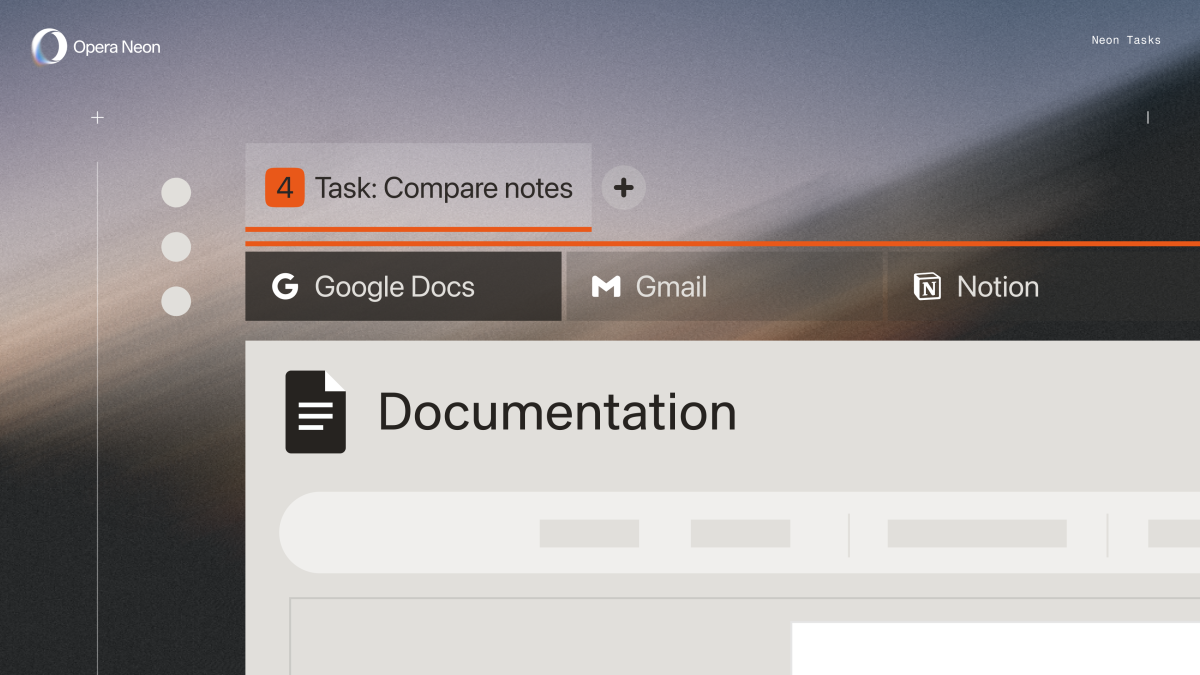
In a bold move set to disrupt the landscape of digital browsing, Opera has announced the rollout of their innovative Neon Browser, a platform designed to seamlessly integrate artificial intelligence into everyday online activities. After a period of closed preview, the company is now opening the doors to select users through invite-based access, offering the service at a monthly fee of $19.99. This development signals a significant shift toward agentic browsing—an industry-transforming trend that could redefine user interaction with web content and online tools.

The core of the Neon Browser lies in its sophisticated AI assistant, which combines a conversational chatbot with proactive task management capabilities—powered by what Opera calls Neon Do. This feature not only responds to user inquiries but actively helps accomplish tasks, such as summarizing lengthy articles or curating content across multiple platforms. For example, a user might ask Neon Do to condense a Substack blog post and share the summary directly to a Slack channel, or retrieve details from a previously watched YouTube video—demonstrating the browser’s capacity to operate within and remember across browsing sessions. Such features are set to challenge traditional browser paradigms, sharply emphasizing innovation, convenience, and efficiency in digital workflows.

This strategic push towards disruption is indicative of a broader industry trend where seamless, AI-powered interactions are transforming software tools into proactive agents. Experts from Gartner predict that by 2026, more than 40% of all work-related interactions will involve AI assistants capable of understanding context and performing complex tasks autonomously. Opera’s bold entry into this space places it ahead of the curve, positioning the browser not as a passive tool but as an active participant in the user’s digital experience. Such advancements threaten to diminish the dominance of traditional browsers, forcing tech giants to innovate or risk obsolescence.

The implications of Neon extend beyond mere user convenience. Business implications include the potential to open new revenue streams through subscription models and tailored enterprise solutions, especially as AI becomes an integral part of productivity suites. As Elon Musk and other industry leaders have argued, AI’s disruptive potential can lead to profound shifts in how work is structured—favoring adaptable, agentic tools capable of optimizing complex workflows at unprecedented speeds.

  • Enhanced user engagement through proactive assistance
  • Potential reductions in time spent on mundane tasks
  • New monetization opportunities driven by AI-powered features

Looking ahead, the launch of Opera Neon signals a pivotal moment in the evolution of digital interfaces. With the industry increasingly driven by AI integration, companies that innovate at the intersection of usability and disruptive technology will dominate the future landscape. The upcoming TechCrunch event in San Francisco from October 27-29, 2025, hints at a surge of similar innovations that will accelerate this trend, demanding quick adaptation from existing tech giants and new entrants alike. As AI tools like Neon begin to embed themselves into core browsers, the urgency for stakeholders to recognize the impending transformation is clear: the future belongs to those who dare to disrupt the status quo and shape a new digital age driven by intelligent, agentic technology.

Social Media Auto Publish Powered By : XYZScripts.com