Matox News

Truth Over Trends, always!

Experts warn: Climate crisis fueling brutal US weather extremes

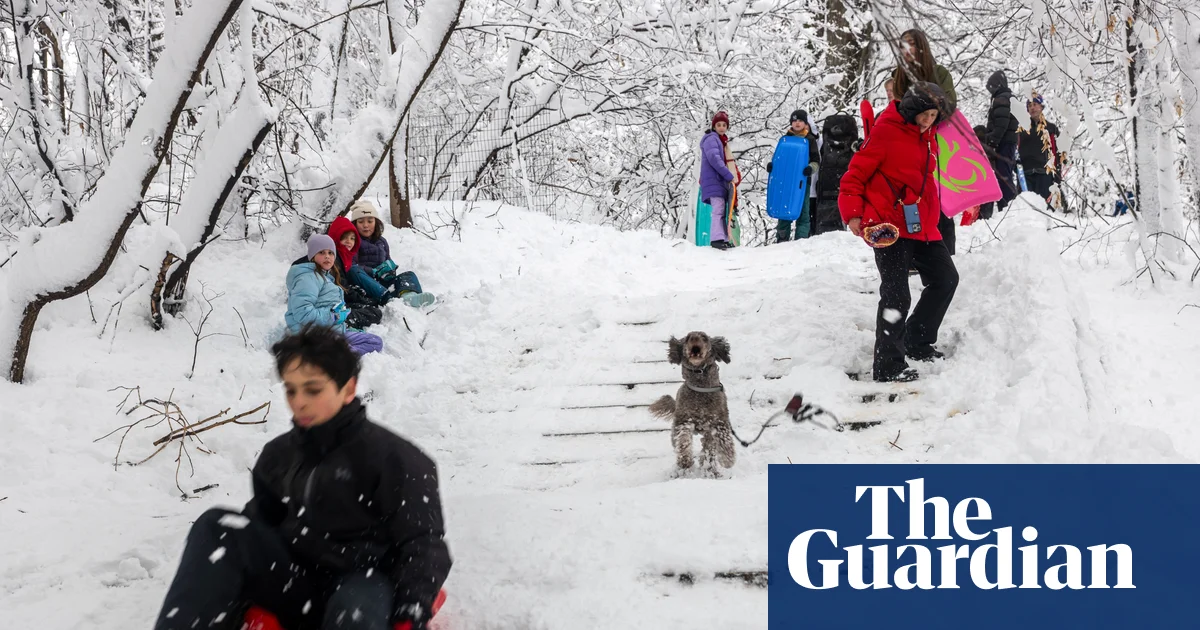
The current climate upheavals across the United States serve as a stark warning to the world about the escalating crisis brought on by global environmental mismanagement. This March, Americans have witnessed an unprecedented array of weather extremes, from flooding in Hawaii to rare snowfalls in Alabama, and an intense heatwave scorching the West Coast. These phenomena are indicative of larger, systemic changes in Earth’s climate system, a reality acknowledged by climate experts who suggest that the severity of recent events points to a “climate change footprint.” As the jet stream’s behavior becomes more erratic due to rising global temperatures, the United States finds itself caught in a vortex of unpredictability, with consequences that ripple far beyond national borders.

The geopolitical impact of these climate phenomena extends into heightened tensions over resource control and international stability. Countries with vast dependencies on agriculture, water supplies, and energy are increasingly vulnerable as climate disruptions threaten food security and economic stability. Analysts from the United Nations Climate Change Panel warn that the pattern of record-breaking heatwaves and extreme weather in the US mirrors trends seen in other parts of the world, signaling a shift toward a more chaotic climate regime. These shifts are fueling geopolitical frictions as nations scramble for scarce resources, and populations face growing hardship. The stark reality is that climate change is no longer a distant threat but an immediate challenge, forcing governments and societies to confront the cascading geopolitical ramifications of environmental neglect and policy failure.

Historical scholars and international organizations have long forewarned that dire environmental crises can accelerate geopolitical conflict; today, their warnings are coming true. Recent years have seen a surge in climate-related disasters, which analysts assert are exacerbated by political inertia and funding cuts, notably in the US, where funding to agencies like FEMA has been reduced. This decline in preparedness, despite mounting evidence of worsening conditions, leaves nations—including the US—more vulnerable to natural disasters’, destabilizing impacts. As climate scientists argue, these extreme events are not isolated but part of a broader trajectory—one marked by increased frequency and ferocity of heatwaves and storms. What is truly alarming is the prospect that the current wave of record-breaking heat might surpass even April’s historical temperature benchmarks, signaling an ominous shift in global climate patterns.

The unfolding story of climate chaos is intertwined with political decisions that could either mitigate or accelerate these trends. The US, as a geopolitical leader, has the capacity—and responsibility—to galvanize international cooperation on climate action. Instead, funding cuts and policy ambivalence threaten to undermine global efforts. The narrative is clear: as natural disasters intensify, they serve as a reminder of the urgent need for bold, coordinated action. Looking ahead, the world stands at a precipice; the choices made today will dictate whether humanity can stabilize this runaway climate crisis or succumb to the chaos it breeds. The pages of history are turning swiftly, and the weight of the future presses heavily on us all, as we watch the environment’s grand, tumultuous story continue to unfold amid the echoes of a warming planet.
Zelenskyy: Russia's Brutal Strike Includes 500 Drones and 40 Missiles on Ukraine – Live Update
Zelenskyy: Russia’s Brutal Strike Includes 500 Drones and 40 Missiles on Ukraine – Live Update

International Tensions Surge as Russia Unleashes Massive Attack on Ukraine and NATO Responds

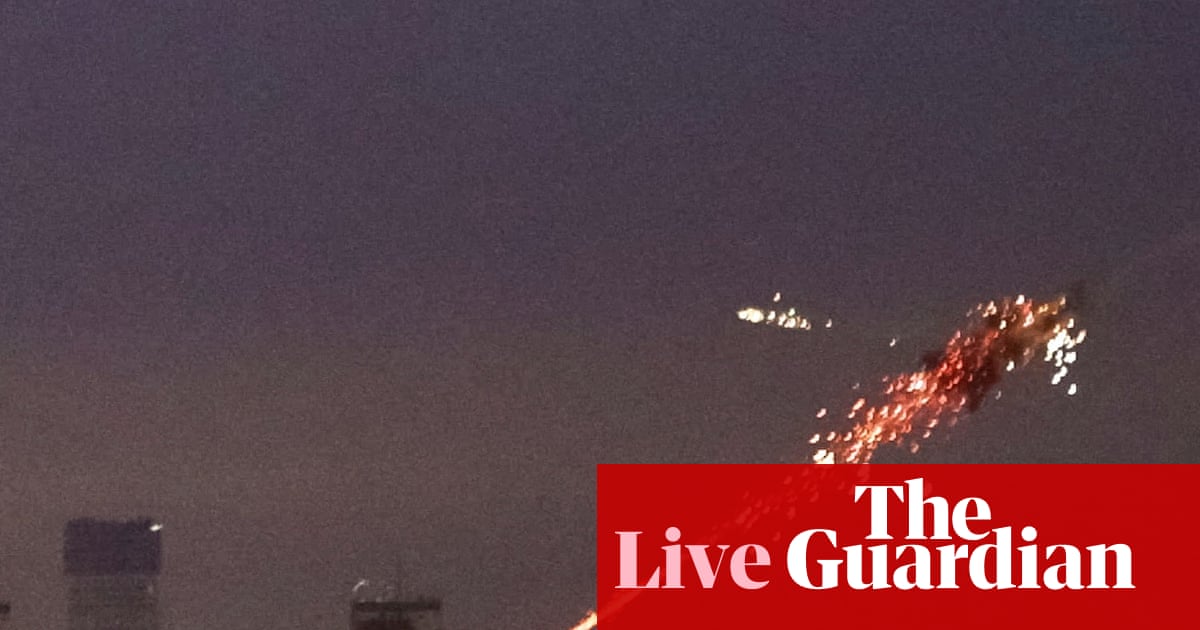
The ongoing conflict between Russia and Ukraine has entered a perilous new chapter, with Moscow launching an unprecedented barrage of military strikes that threaten regional stability and global order. According to Ukrainian President Volodymyr Zelenskyy, over 500 drones and more than 40 missiles targeted multiple regions at once, causing widespread destruction and civilian casualties. Kyiv, the heart of Ukraine’s resistance, was hit with devastating force—an attack the Ukrainian leader describes as part of Russia’s ‘vile attack’,’ aimed not only at strategic infrastructure but at undermining the resilience of Ukraine itself. Analysts warn that such brute force underscores Russia’s determination to continue the war despite mounting international pressure and economic sanctions.

The geopolitical impact of these events resonates far beyond Ukraine’s borders. Poland’s military responded swiftly, scrambling fighter jets and raising alerts near the border, signaling that the conflict’s reach extends into NATO territory. The alliance, already tense due to recent Russian violations—more than 20 drone incursions into Polish airspace last month and accusations from Estonia and Romania—faces a stark choice: confront Russian aggression directly or allow incremental escalations to dismantle European security one drone at a time. NATO officials and military strategists emphasize that recent violations, including alleged Russian fighter jets over Estonia and near Romanian skies, test the alliance’s resolve and unity. As Andrius Kubilius, EU’s defense commissioner, highlights, Europe is moving rapidly towards establishing a formidable ‘drone wall’ at its eastern flank—an essential defense mechanism to prevent further incursions and signal that Western resolve is unwavering. Historians caution that the current crisis is a pivotal moment reflecting the shift towards a new confrontation of global powers with a Russia emboldened by its energy resources and shadow navy, benefiting from “continuing war and terror.”

Meanwhile, Vladimir Putin’s Kremlin remains unbowed, claiming that their forces targeted Ukraine’s military-industrial complex and infrastructure—an assertion met with skepticism by Western allies, who see this as yet another layer of Russian escalation. Ukraine’s widespread counterattack, including drone strikes and missile attacks, demonstrates the escalating intensity of the conflict, with Kyiv’s residents fleeing to metro stations amid relentless bombardments. This campaign of destruction is a calculated effort to break Ukrainian resistance and demonstrate raw Russian power on the international stage. The strikes send a clear message: Russia intends to fight to the bitter end, wielding military might as a tool of coercion and territorial assertion.

The very fabric of European security is under threat, with NATO members like Poland, Estonia, and Romania raising the alarm. Russia’s recent breaches, in combination with its denied involvement, reveal a clear strategy to destabilize the alliance from within. The escalating tension cautions the West that the time for passive diplomacy may have long passed, replaced by the urgent need for decisive collective action. As geopolitical analysts warn, “The specter of a broader conflict — and perhaps a direct confrontation between NATO and Russia — looms ever larger,” underscoring the gravity of the unfolding crisis. With Russia’s military and political posture in flux, the global community stands at a threshold, witnessing how decisions made today will shape history’s next chapter—whether in the preservation of sovereignty or in the descent into a new era of conflict.

Argentina shocked and angered by brutal killings of young women

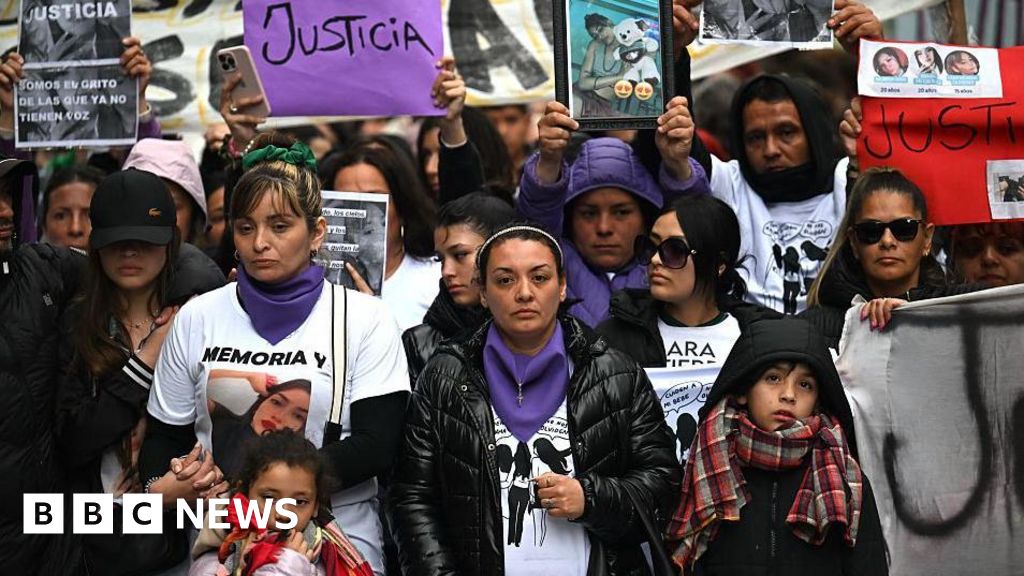
The recent brutal murders and public outrage in Argentina serve as a stark reminder of the pervasive issues of gender-based violence that continue to grip many societies worldwide. Thousands of Argentinians gathered in Buenos Aires to demand justice for Lara Gutierrez, a 15-year-old girl, and Morena Verdi and Brenda del Castillo, both 20, whose heinous deaths—captured in livestreamed videos—have ignited a nationwide debate about the authorities’ capacity to protect vulnerable citizens. As analysts highlight, these acts of extreme violence are not isolated; they are symptomatic of larger, systemic failures linked to organized crime, social decay, and weak legal deterrents.

The crime, reportedly orchestrated by a drug-trafficking gang, achieved notoriety when police uncovered a disturbing video in which the gang’s leader warned that the murders were meant as a warning to others involved in drug theft. This chilling footage underscores a broader turning point: organized crime’s blatant infringement into social norms and justice, posing dire geopolitical repercussions. International security experts warn that such violence, especially when intertwined with drug cartels, destabilizes entire regions, weakening state authority and creating fertile ground for further criminal expansion. The Argentine authorities, though arresting five suspects, have not yet apprehended the gang’s Peruvian leader—an omission that raises concerns about impunity and the ability of the justice system to confront transnational crime networks effectively.

The local community’s response reflects a growing awareness housed within a fragile social fabric. Mass protests and sentiment expressed by relatives reveal a society demanding accountability, yet the tragedy exemplifies how persistent violence against women remains a acute crisis—one cited elsewhere when a woman is murdered in Argentina every 36 hours. As historian Dr. María Fernández notes, these incidents are indications of deeper societal failures that threaten to widen inequalities and fuel instability. International organizations like the United Nations and regional bodies continuously monitor such femicide rates, emphasizing the urgent need for comprehensive reform and stronger legal protections to safeguard societal stability.

As the story unfolds in Buenos Aires, the symbolic weight of this violence transcends national borders. The victims’ families, united in grief and resilience, stand as a stark symbol of the ongoing struggle for justice—an enduring reminder that the fight against organized crime and gender-based violence is far from over. Each step in this tragic saga modifies the global landscape, testing how the international community responds to threats that threaten the very foundations of law and order. With history’s pages turning, it remains to be seen whether justice will be fully realized or whether, in the shadows, the criminal networks will continue to shape the future of societies caught in the crossfire. The world watches, knowing that these acts of violence, grievous as they are, are part of a larger, unfolding battle for dignity, safety, and sovereignty amid the chaos of modern geopolitics.

Social Media Auto Publish Powered By : XYZScripts.com



