Matox News

Truth Over Trends, always!

Russian missile hits Kharkiv residential building, leaving seven dead

In a recent development amid the ongoing conflict within Ukraine, President Volodymyr Zelensky announced that ten individuals, including children, have sustained injuries after fresh hostilities. Rescue efforts remain ongoing as emergency responders sift through the rubble of recent strikes, highlighting the persistent toll on civilians caught in the crossfire. This incident underscores how the turmoil initiated by the escalation in Ukraine continues to ripple through local communities, devastating lives and stressing the country’s fragile infrastructure.

The current situation illustrates the geopolitical impact of the escalating conflict, which has drawn sharp international concern and intensified divisions among major world powers. Western nations, led by the United States and European Union, have expressed unwavering support for Ukraine, providing military aid and sanctions aimed at pressuring Russia. Conversely, Moscow maintains its narrative of defending its strategic interests, claiming that recent military actions are necessary responses to NATO’s eastward expansion—an assertion that continues to deepen the global divide. According to analysts from institutions such as the Council on Foreign Relations, these developments risk further destabilizing an already volatile region, with the potential to ignite broader confrontations.

Historically, the Russia-Ukraine conflict serves as a reminder of how local disputes can rapidly escalate into larger geopolitical crises. Many international observers and historians warn that without a diplomatic breakthrough, the consequences could reverberate well beyond Eastern Europe. The United Nations has issued cautious calls for restraint, but their influence remains limited amidst the complex web of alliances and strategic interests. The ongoing violence, and incidents like the recent injuries reported by President Zelensky, emphasize how governments and societies face the persistent threat of escalation, which could threaten global stability and reshape the boundaries of international diplomacy.

As the world watches, the narrative of this crisis remains unwritten, its chapters being shaped by decisions made in capitals across the globe. The collision of national interests, historical grievances, and ideological divides continues to threaten the fragile peace of the international order. With each injured civilian and each destroyed home, the story of Ukraine unfolds as a stark reminder of how history’s most consequential conflicts are often decided not in grand halls of diplomacy alone, but in the quiet rubble-strewn streets where everyday lives are forever altered. Humanity stands at a crossroads—whether to seek peace or be consumed by a conflict that many fear could ignite a broader global confrontation, with the weight of history still looming large in the uncertain days ahead.

Trump: Building DC Triumphial Arch, Domestic Policy Chief’s Top Priority

United States Domestic Politics: A New Symbol of Priorities Amid Growing Struggles

The recent revelations from President Donald Trump regarding the construction of a triumphal arch in Washington, D.C., mark a significant shift in the narrative of American governance. Trump’s praise for his domestic policy chief, Vince Haley, and the unveiling of a project reminiscent of historic monuments have sparked widespread controversy. While the nation faces an alarming affordability crisis—with health insurance premiums expected to surge for over 20 million Americans—and rising tariffs that inflate everyday costs, the administration exhibits a focus on symbolism over substantive policy solutions.

Analysts and international observers have voiced concern about the geopolitical implications of such misplaced priorities. The decision to channel federal funds into a decorative monument, rather than address deeply rooted economic hardships, underscores a disconnect between political spectacle and urgent societal needs. According to historians specializing in American greatness and public policy, this emphasis on monument-building amid hardship echoes a recurring pattern in history where national leaders prioritize legacy projects over sustainable economic reform.

Symbolism Versus Substance: The American Dilemma

During a White House holiday event, Trump bandied about grandiose visions of a triumphal arch, situated near the Lincoln Memorial and Arlington Cemetery—sites of profound national significance. He boasted that the project would eclipse Napoleon’s famous arch, representing a bold, even patriotic, statement—yet critics argue that this lends itself more to ego than effective governance. The project’s costs and its symbolic resonance are raising alarms among policymakers and social critics, who see it as emblematic of a decadent distraction from economic realities faced by millions.

International organizations such as the United Nations and think tanks like the Cato Institute have warned that such public displays at a time of economic turmoil may further erode confidence in leadership. Economists warn that with insurance premiums set to double or even triple, and tariffs contributing to inflation, the American public’s trust in government’s ability to solve real problems could further decline. As the United States grapples with these domestic issues, the federal government’s focus on monuments risks redefining its priorities in a manner reminiscent of late-stage empires of history—more obsessed with legacy than legacy of prosperity.

The Impact on Society and Global Power

Global perceptions are also shifting. China and Russia continue to watch closely, aware that internal distractions and apparent neglect of domestic welfare could weaken America’s standing on the world stage. Analysts warn that such internal divisions and the perception of elected leaders engaging in emblematic excess could embolden adversaries and weaken alliances. Moreover, the country’s youth, increasingly burdened by economic hardship, are beginning to question the legitimacy of a political elite more invested in spectacle than substance.

For many, the decision to build an imposing arch rather than tackle tangible economic issues signals a dangerous slide into prioritizing superficial symbols over sustainable policy reforms. As history’s course continues to unfold, the coming months pose a critical crossroads—whether the nation can rally around meaningful change or succumb to the divisions created by misplaced priorities and hollow promises. The weight of history presses down, reminding us that the true monument of a nation’s greatness lies not in its monuments, but in the resilience and grit of its people amid the stormy times ahead.

Stay Curious: Michael Kors on Building an Inclusive Brand That’s Taking the World by Storm

The Future of Style: How Michael Kors and American Heritage Designers Shape Youth Culture

In an era where fashion trends are constantly shifting and social values are evolving at breakneck speed, the latest developments in the industry are more than just designer news—they’re a reflection of societal shifts. The recent $1.4 billion sale of Versace to Prada signifies a changing landscape where traditional luxury houses are consolidating, yet it’s heritage American brands like Michael Kors that are redefining their role in the cultural conversation. Kors, a brand rooted in aspirational yet accessible glamour, is shifting societal perceptions of what “luxury” really means and who it’s meant for—including the youth that are shaping the future.

What makes Kors particularly influential in this dynamic is his approach to sizing and inclusivity. Unlike other brands that are falling back on narrow definitions of beauty, Kors actively casts models that span a range of sizes, emphasizing that fashion should be for all. This stance resonates with a generation increasingly pushing for diversity and representation, breaking away from the outdated ideals that once defined runway standards. Industry analysts like sociologist Dr. Emily Carter suggest that this shift toward inclusivity isn’t just about good PR—it’s a reflection of society’s broader shift toward embracing authenticity and rejecting superficial stereotypes.

The Cultural Impact of Aspirational Lifestyle and Gen Z Engagement

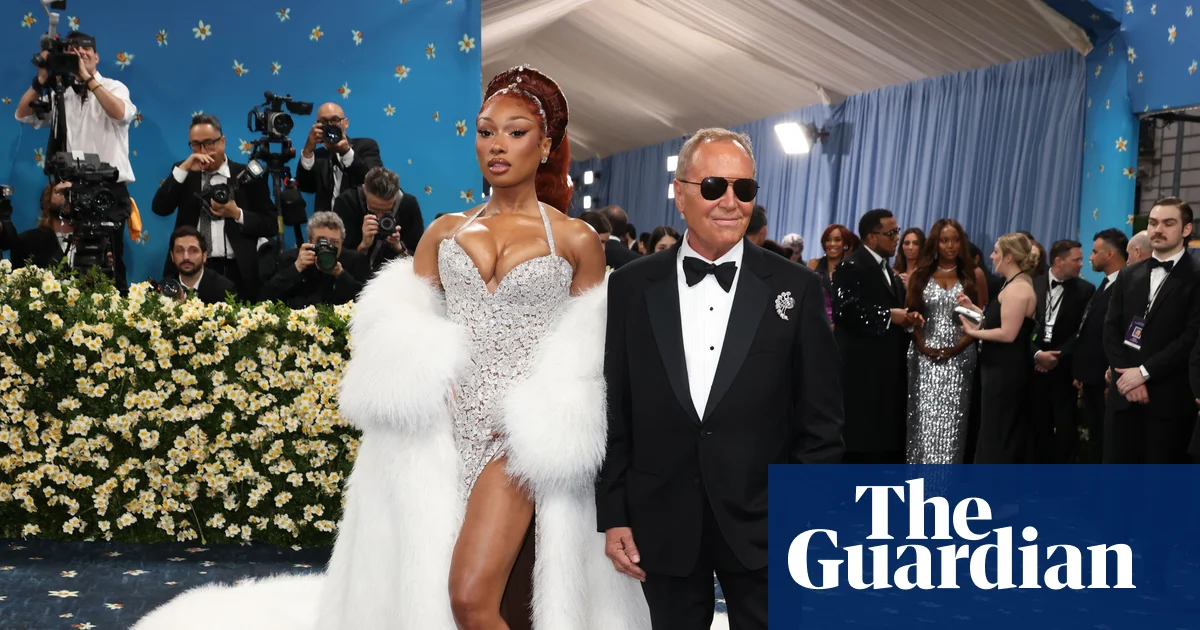
At the core of Kors’ appeal is his mastery of creating more than just clothing—he offers a glamorous lifestyle that intersects with the cultural aspirations of young consumers. His designs, often worn by icons like Megan Thee Stallion and even Michelle Obama, symbolize a desire for success that doesn’t require sacrificing authenticity. Influencers such as Suki Waterhouse and Gemma Chan, seen at the recent flagship opening in London, embody the brand’s desire to connect with youthful, diverse audiences who see fashion as a form of personal expression rather than mere status.

Moreover, the shift away from wear-once fast fashion toward durable, functional pieces signifies a broader pattern among youth consumers who value sustainability and value. Kors’ focus on “things that delight but still function” highlights a move towards more responsible consumption, which some fashion analysts argue could be a turning point in how brands cultivate lifelong relationships rather than fleeting trends. As Michael Kors continues to hunt for vintage pieces from his earlier years, he underscores the importance of history and authenticity in shaping the future of fashion—a narrative that undeniably impacts social attitudes about materialism and legacy.

The Next Question: Will Heritage Brands Lead or Follow?

While it’s clear Kors and his peers are shaping a new, more inclusive, socially conscious fashion landscape, a critical question remains: will these heritage brands be the drivers of change or merely followers of consumer-driven trends? With luxury prices rising by 25% since 2019, the aspiration for authentic self-expression is increasingly intertwined with the market’s evolving economics. As the younger generation becomes more politically and socially aware, it’s worth asking—could these brands become catalysts for societal change, or will they simply adapt to prevailing norms?

The future of style arguably hinges on this question. As fashion continues to reflect—and shape—society’s values, the real cultural impact lies not just in clothing or celebrity endorsements but in how these brands influence deeper social shifts. It’s this next chapter that promises to reveal whether fashion can be a tool for genuine societal progress rather than just a mirror of superficial trends. Only time will tell if heritage brands like Kors’ will be at the forefront of this transformation or if new voices will challenge the status quo in the quest for a more authentic and inclusive society.

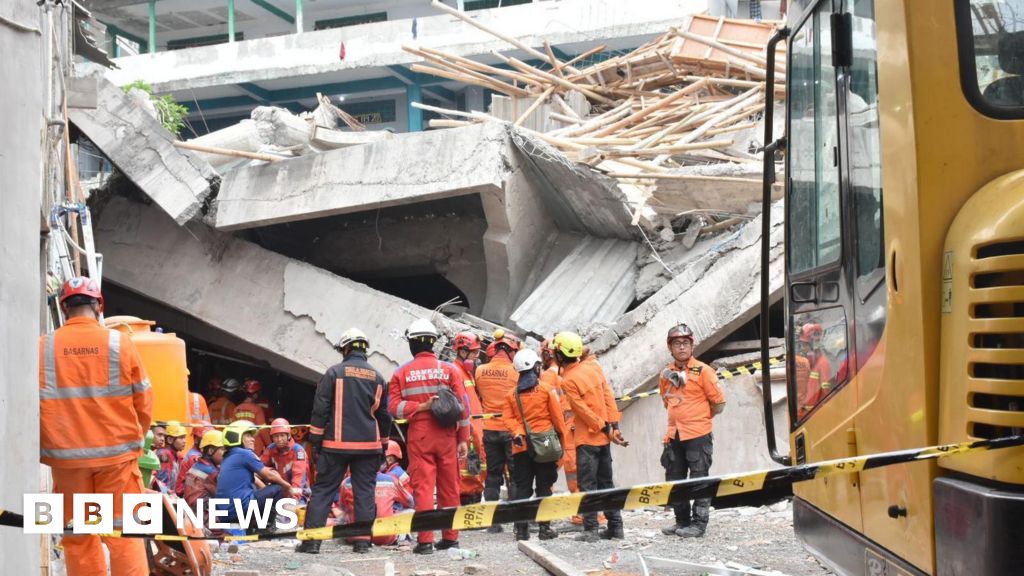
Scores feared dead as school building collapses, authorities warn

The recent tragedy in Indonesia, where a collapsed Islamic boarding school has left at least five students dead and over 100 injured, underscores a critical moment in the nation’s ongoing safety and governance struggles. The incident, centered in the town of Sidoarjo, reveals the dangerous consequences of unchecked construction practices and regulatory failures. The building’s collapse, caused by the addition of two unsafe floors to an under-constructed foundation, highlights the larger issues Indonesia faces in terms of infrastructure development and regulatory oversight, issues that resonate across many developing nations in Southeast Asia.

Despite the international outcry and efforts of rescue teams using thermal drones and heavy machinery, the possibility of finding survivors has diminished. The disaster management agency (BNBP) announced that *no signs of life* were detected in the debris, a heartbreaking entry point into the larger conversation about safety standards and government accountability. Experts and analysts warn that such tragedies reflect deeper systemic flaws—poor enforcement of building codes, corruption, and the prioritization of economic gains over safety—threatening societal stability and the legacy of governance in the region. The incident also serves as a stark reminder of the. *fragility of human life* amidst rapid urban proliferation and construction without appropriate oversight.

On a broader geopolitical level, the incident in Indonesia acts as a clarion call to regional institutions and international partners. While those involved are primarily concerned with immediate rescue operations, critical analysis from organizations like the World Bank and international human rights groups emphasize that long-term safety reforms are necessary for social progress. Such disasters threaten to undermine the legitimacy of local authorities and fuel public distrust in state institutions, which are often seen as ineffective or corrupt. These events have repercussions beyond national borders; they feed into regional narratives about governance, sovereignty, and the need for vigilant oversight as urban populations swell. How nations respond—by tightening regulations, improving safety standards, and ensuring transparency—will determine their standing on the global stage.

Historian and policy analysts stress that this incident is no isolated event but part of a broader pattern affecting many countries committed to rapid development amid legacy issues of governance and accountability. The tragic collapse in Indonesia symbolizes a moment where history is still being written—where the choices to reform or ignore safety standards could have lasting consequences. As rescue teams turn their tools towards removing debris, the world watches and waits, acutely aware that the true test lies ahead: whether this tragedy will catalyze meaningful change or become yet another chapter of neglect in the overarching narrative of progress and safety. In this unfolding history, every decision, every policy, and every effort to secure the safety of the vulnerable will leave an indelible mark on the fabric of society.

MrBeast Stirs Controversy After Trapping Man in Burning Building for $500K Prize — Is It Just a Stunt or Crossed the Line?

In recent years, content creators like MrBeast have revolutionized the digital landscape, blending entertainment with daring risk-taking to carve out massive audiences. With over 440 million subscribers, MrBeast—whose real name is Jimmy Donaldson—has become one of the highest-paid and most influential YouTubers worldwide. His latest stunt video, “Would You Risk Dying for $500,000”, showcases his signature style: a heart-pumping spectacle where a professional stuntman attempts to escape a burning building while collecting bags of cash. This dramatic display of sheer audacity has surged past 45 million views, fueling discussions about safety, responsibility, and the evolution of modern entertainment.

The allure of MrBeast’s content transcends mere spectacle. It embodies the *shift towards experiential and adrenaline-fueled entertainment*, especially among younger viewers eager for intensity and authenticity. The producer’s ability to merge risk with reward taps into a fundamental human desire for challenge and adventure. Critics note that such content, although highly produced and seemingly reckless, involves careful planning—professional stuntmen, advanced safety measures like proper ventilation, fire suppression systems, and a dedicated crew of specialists ensure that the spectacle remains just that: a spectacle, not a tragedy. MrBeast’s assertion, “I take safety more serious than you could ever imagine,” underscores a responsible approach, even as the viral clip stirs debate about the boundaries of entertainment.

However, the conversation surrounding these viral videos is not solely about safety; it’s about the cultural role of risk in entertainment. Influential author and wellness expert Dr. Kelly McGonigal often emphasizes the benefits of controlled risk for personal growth and resilience. She suggests that *embracing calculated challenges* can foster a sense of achievement and self-confidence, especially for the youth who look up to these risk-takers as symbols of bravery and perseverance. MrBeast’s stunt, despite its controversial nature, exemplifies a modern spectacle where achievement is rewarded, not just through monetary gains but through the thrill of overcoming adversity. For many viewers, such moments serve as an inspiration to confront their own fears and pursue grit—values rooted firmly in traditional notions of personal strength and self-reliance.

  • Travel tip: Seek out adventure destinations that combine adrenaline activities with cultural immersion—like zip-lining in Costa Rica or mountaineering in the Himalayas—where safety precautions are paramount, and experience fuels growth.
  • Lifestyle hack: Balance high-intensity pursuits with holistic wellness practices, such as meditation and nutrition, to sustain both body and mind on your journey of self-discovery.
  • Main takeaway: Modern entertainment, whether in digital videos or real-world adventures, challenges us to step beyond comfort zones while respecting essential safety boundaries.

As we observe these daring displays and media personalities pushing the limits, it becomes clear that lifestyle is ultimately a journey—an ongoing pursuit of *embracing challenge, fostering resilience, and inspiring the individual to realize their potential*. The narratives spun by creators like MrBeast serve as a reminder that life’s true adventure lies not in avoiding risk but in mastering it responsibly. When safety and courage work hand-in-hand, they open pathways to personal growth that can ripple through every facet of life—driving us to face fears, pursue passions, and forge a future where our aspirations are limited only by our willingness to dare. In this era of rapid change, the call for youth is clear: dare to challenge, but always with respect for the journey and the risks involved. That is the essence of living fully in an age of endless possibilities.

Social Media Auto Publish Powered By : XYZScripts.com