

Global Geopolitical Shifts: A Period of Turmoil and Transformation
In recent months, international stability has been profoundly impacted by a series of decisive yet contentious geopolitical developments. As nations grapple with internal upheavals and shifting alliances, lasting implications are emerging that will undoubtedly shape global affairs for years to come. The resurgence of aggressive military posturing, alongside efforts to access sensitive political information, exemplifies the complex nature of contemporary geopolitics. Authorities, scholars, and international organizations concur that these events signal a new era of international tension, in which decisions taken today will echo through the corridors of history.
One of the most conspicuous signs of this change is the renewed U.S. military expansion in the Caribbean and Pacific regions. The arrival of the U.S. Navy’s most advanced aircraft carrier, USS Gerald R Ford, along with nearly a dozen warships and 12,000 sailors, signals a clear intention to project power and control over vital maritime routes. This buildup, part of what critics describe as a “largest-ever” mobilization in the region, escalates concerns among neighboring countries and allies about an increased likelihood of military confrontations. According to analysts from NATO and other think tanks, such displays of force are less about immediate conflict and more about reinforcing regional dominance and deterring adversaries, notably rival powers like Russia and China. How these military demonstrations influence regional stability remains a crucial question, with some experts warning of an inadvertent escalation that could spiral into broader conflict.
Shifting Alliances and Rising Tensions
Simultaneously, diplomatic efforts are taking a controversial turn. President Donald Trump‘s recent readiness to engage in talks with leader Nicolás Maduro of Venezuela reflects a significant departure from previous policies. After years of accusations linking Maduro to illicit drug trade and resisting normalization of relations, the U.S. now hints at the possibility of negotiations aimed at regional stability. This reversal has sparked internal debates among foreign policy analysts; some interpret it as a pragmatic step towards resolving long-standing regional conflicts, whereas others warn it could embolden authoritarian regimes, undermining democratic institutions and Western influence. The fluctuating stance epitomizes the ongoing tug-of-war between hardline security policies and diplomatic realpolitik, which continues to define America’s approach in Latin America.
Meanwhile, Russia’s Kremlin has expressed hope for a future summit with President Trump, hinting at the potential for a diplomatic reopening after their last summit in Alaska ended without agreement. The Kremlin believes that once preparatory needs are met, a meeting could help de-escalate tensions over the war in Ukraine. Historically, summits between these two powers carry the potential to either forge peace or ignite new conflicts, depending on the diplomatic signals exchanged. The shadow of unfinished geopolitical business hovers over these negotiations, with each side weighing strategic advantages against the risk of further destabilization.
Controversy and Internal Strife within Superpowers
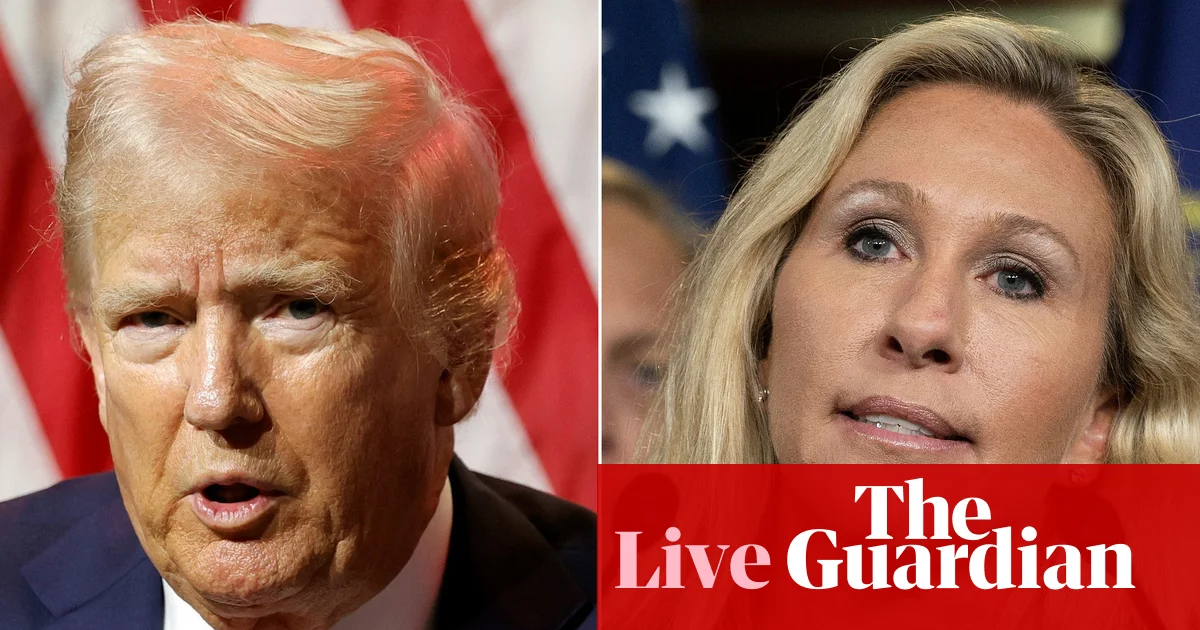
At the same time, the United States faces its internal struggles, as controversial political and social movements unfold domestically. The public fallout from the confrontation between Donald Trump and certain Republican lawmakers, notably Marjorie Taylor Greene, underscores a party divided over issues of loyalty, security, and transparency. Trump’s call for the release of Jeffrey Epstein files highlights the persistent shadows cast by scandals intertwined with power, deception, and international intrigue. How these revelations influence U.S. domestic politics and international reputation remains to be seen.
The internal discord is further exemplified by the legal battle involving transgender service members, wresting with the Trump administration’s policies and their implications for national security. Such conflicts reflect broader societal fractures, intertwined with debates over identity, rights, and the very nature of patriotic service. These domestic issues, although separate from international crises, contribute to a context where internal stability and global influence are inextricably linked.
As these converging crises unfold—military power displays, diplomatic negotiations, internal political upheavals—the world faces what many have called a *turning point in history*. From the corridors of the White House to the strategic offices of Moscow and Beijing, decisions made today will determine whether the coming era will be marked by prolonged instability or a fragile, yet hopeful, pathway toward peace. The heavy weight of history presses down as nations stand at a crossroads—an epoch of chaos where choices will reverberate for generations, and the true test of global leadership begins with those willing to navigate the storm.





