Matox News

Truth Over Trends, always!

Hong Kong Scores Big with Free Airline Ticket Giveaway for Adventure-Ready Travelers

Once a bustling hub attracting over 56 million visitors annually, Hong Kong has faced unprecedented challenges in recent years due to stringent pandemic measures. The city’s economy, heavily reliant on global tourism, was hit hard when strict quarantine protocols and travel bans limited international arrivals. After over two years of virtual isolation, the narrative is shifting. Now, the city is making bold moves to re-engage the world, signaling a fresh chapter in its vibrant life and economic revival.

Hong Kong’s decision to abolish its longstanding hotel quarantine policy, along with a concerted push to lure back travelers, underscores a strategic shift toward normalcy. The landmark move was followed by an audacious campaign: the giveaway of half a million airline tickets, valued at approximately $254.8 million. Announced by the Hong Kong Airport Authority, this effort aims to inject liquidity into the aviation sector while reigniting global interest in the city. These tickets are allocated to both international visitors and residents alike, emphasizing Hong Kong’s commitment to reconnect with the world and restore its vibrancy. Such initiatives reflect a broader ethos echoed by travel and lifestyle experts—embracing the restorative power of travel not only fuels local economies but reinvigorates individual purpose and global fellowship.

While these efforts mark a significant step, the journey back to normalcy remains layered with challenges. Despite lifting quarantine measures, visitors must navigate complex entry requirements: vaccination certificates, multiple PCR tests, and mandatory self-monitoring periods. Hong Kong’s government remains cautious, understanding that safety and confidence are paramount in rebuilding trust. The city’s historic approach—initially requiring 21 days of quarantine, then reducing it to three—demonstrates a measured path towards reopening. Notably, the city’s flagship airline, *Cathay Pacific*, and agencies like Expedia report surges in travel demand, foreshadowing a promising rebound. These signs serve as a testament to the resilience ingrained in Hong Kong’s culture, a community that has continually adapted and persevered through adversity, channeling an unbreakable spirit of innovation and hope.

Living the Hong Kong Experience Today

  • Prepare early: Gather vaccination proofs and PCR test results to streamline your entry process.
  • Stay informed: Follow official sources for the latest updates on travel restrictions and guidelines.
  • Plan with flexibility: Expect some restrictions, like self-monitoring and limited dining options initially.

For those seeking inspiration in the wake of global upheavals, the evolving landscape of Hong Kong offers a compelling narrative of rebirth. It’s a story rooted in resilience, determination, and the relentless pursuit of a better future. As the city reopens its arms, it beckons worldwide explorers to rediscover its unique blend of tradition and modernity, to experience firsthand that even in the face of hardship, life finds a way to flourish. Embracing this journey isn’t just about travel; it’s about reclaiming a piece of ourselves—curious, adventurous, and inspired—ready to forge ahead into new horizons.

Business Secretary: Labour Will Hear Bosses’ Views on Workers’ Rights

The recent developments surrounding Labour’s employment rights bill in the United Kingdom highlight a pivotal moment in the nation’s ongoing political saga. While the bill promises to introduce significant protections for workers—banishing zero-hour contracts and ensuring day-one protections against unfair dismissal—the government’s cautious approach reveals deeper geopolitical undercurrents that could reverberate across national borders.

At the heart of this controversy lies Prime Minister Keir Starmer’s coalition-heavy government, which finds itself under mounting pressure from union leaders, Labour backbenchers, and the broader public—many of whom see these reforms as long-overdue safeguards for workers. However, the business sector has launched a formidable lobbying campaign, warning that the changes could impose a £5 billion cost burden and threaten jobs—an assessment echoed by international economic analysts who caution about the unintended consequences of rapid regulatory shifts.

Amid this tension, Peter Kyle, the UK’s business secretary, has signaled his willingness to engage in a series of 26 consultative sessions aimed at *potentially watering down* the reforms—a move that critics argue could effectively undermine the manifesto’s core promises. This calculated delay might serve as a strategic lifeline for Conservative opponents such as Kemi Badenoch, who has publicly decried Labour’s blueprint as an “assault on flexible working” designed to empower unions at the expense of economic vitality. Her warnings suggest a broader underlying geopolitical contest, with the UK positioning itself along a path that might swing either towards strengthening worker protections or safeguarding corporate interests, depending on how the negotiations unfold.

International organizations like the International Labour Organization and prominent economic analysts have voiced concern that such legislative uncertainty may destabilize the UK’s economic standing, especially as the nation faces volatility in global markets and internal political upheaval. Moreover, the debates over how to balance labour rights against economic growth showcase the tension between societal welfare and the worldview of global investors who seek predictability. As history demonstrates, these internal struggles often influence global diplomatic relations, with alliances and rivalries reshaping based upon a nation’s stability and perceived future readiness to adapt to economic and social reforms.

In the shadows of these parliamentary battles, the United Kingdom’s political landscape is rapidly morphing into a contest of ideologies—one where history’s weight presses heavily. Whether this push for robust workers’ protections will solidify the social fabric or lead to unforeseen economic setbacks remains an unfolding chapter. As historians warn, moments such as this—filled with both hope and contention—are often the crucibles in which nations’ destinies are forged. The unfolding debates over employment law thus serve as a stark reminder: every decision, every compromise, echoes with the potential to shape the future of a nation and perhaps, influence the course of international relations itself.

Hong Kong’s Back in Action: Is the City’s Comeback on Time for the Next Generation?

Hong Kong’s Resilient Revival: Embracing Change and Reclaiming Its Global Pulse

Once a bustling powerhouse of international commerce and vibrant street life, Hong Kong faced unprecedented challenges over the past three years. The pandemic’s relentless grip, combined with social unrest and strict quarantine measures, drastically curtailed its role as a global hub of tourism and finance. Markets shuttered, businesses shuttered, and the soul of this legendary city felt subdued. Vendors in areas like Tung Choi Street, known for its iconic night market, experienced a sharp decline in activity, and stories of resilience emerged from shopkeepers like Mr. Chan, whose once-busy stall now operates shorter hours. Yet, amidst these trials, Hong Kong’s leadership is charting a bold course to restore the city’s vibrancy — and it begins with reopening to the world.

Recent developments signal a determined push to reverse the pandemic’s damage and rekindle the city’s dynamism. The city has lifted its stringent quarantine policies, allowing international travelers to visit without the daunting 21-day hotel stay that once paid a premium. This move is more than just easing restrictions; it’s a declaration of faith that trust in the resilience of Hong Kong’s economy can prevail. Eager travelers have responded swiftly, with airlines like Cathay Pacific setting up virtual “waiting rooms” for flight bookings, and travel demand skyrocketing towards cities like Tokyo and Osaka. This renewed interest in wanderlust underpins a vital truth: our health and well-being flourish when we embrace movement and adventure, reconnecting with the world beyond our screens.

However, the path to full recovery isn’t without obstacles. While the quarantine ban is lifting, new safety protocols still impose restrictions that may dampen tourism’s comeback. A three-day ban on dining in restaurants combined with complex entry requirements can seem like hurdles, especially for visitors from abroad. Still, the initiatives like the giveaway of 500,000 airline tickets — valued at nearly $255 million — aim to ignite a *market recovery campaign* that encapsulates the spirit of innovation and opportunity. As wellness expert Dr. Emma Seppälä advocates, “Optimism and proactive efforts are key drivers in fostering resilience in challenging times.” This philosophy echoes through Hong Kong’s recent decisions to revive its global standing, exemplifying a collective trust in the city’s enduring spirit.

  • Travel Smart: Keep an eye on evolving entry policies, and pack pre-vaccination certificates and negative tests.
  • Support Local: Explore emerging neighborhoods and independent vendors to help sustain the city’s small businesses.
  • Stay Inspired: Take moments to appreciate the city’s culture, from historic cafes to modern events, fueling your sense of adventure and purpose.

In contemplating Hong Kong’s story, there lies a broader reflection about our own journeys. The city’s collective effort to bounce back — from the ashes of pandemic shutdowns to the anticipation of international gatherings like the International Rugby Sevens — serves as a powerful reminder. Our _well-being_ depends not only on health measures but on our willingness to step outside, explore, and engage with the world anew. For young adventurers and entrepreneurs alike, the message is clear: resilience is an active choice. As the city reclaims its spot on the world’s stage, each of us can draw inspiration from its unwavering spirit, using setbacks as stepping stones to growth. The journey of life is an ongoing dance with change — embracing it is how we become our best selves.

Nvidia’s AI GPUs fly off the shelves as data center spending surges $10B in Q1

Nvidia Sets New Standard in AI and Data Center Markets with Record-Breaking Q3 2026 Earnings

Nvidia has once again disrupted the technology landscape, signaling a new era of AI dominance and industry transformation. The company’s Q3 2026 earnings report shattered previous records, with revenues reaching a staggering $57 billion—a historical high that highlights the relentless growth of AI infrastructure and digital economy sectors. The firm’s profit margins are equally impressive, clocking roughly $4,000 in pure profit per second. Central to this surge is a $10 billion growth in the data center segment, which alone amassed an unprecedented $51.2 billion—an increase of 66% compared to the same period last year. This explosive figure positions Nvidia as a clear bellwether for the so-called ‘AI bubble’, with industry analysts scrutinizing its trajectory amid widespread hype.

The market implications of this surge are profound, especially considering industry-wide skepticism about sustainability. Despite warnings of potential market correction from institutions such as Gartner and various industry analysts, Nvidia’s Q4 2026 outlook anticipates a revenue of $65 billion—an $8 billion increase over the previous quarter. CEO Jensen Huang emphasizes that Blackwell Ultra chips are now leading every segment, with demand at an all-time high. “Blackwell sales are off the charts, and cloud GPUs are sold out,” Huang reports, signaling an unprecedented supply chain squeeze driven by hyperactive enterprise adoption of AI solutions.

The growth isn’t limited to the data center market alone. Nvidia’s gaming division also saw a 30% increase in revenue year-over-year, demonstrating that consumer markets remain integral to its overall ecosystem. The launch of Blackwell gaming chips—despite some mixed reviews of the RTX 50-series GPUs earlier this year—has found its footing again, driven by a rising global appetite for high-performance gaming experiences. This dual success in both enterprise and consumer segments exemplifies Nvidia’s strategic positioning as a disruptor across the entire AI ecosystem.

The innovations Nvidia is advancing are setting a new standard for the industry, pushing rivals and startups alike to innovate faster or risk obsolescence. Experts at MIT and industry veterans like Elon Musk and Peter Thiel highlight that such explosive growth could catalyze a wave of disruption across traditional sectors—including cloud computing, automotive, and robotics. As the technological frontier shifts rapidly, businesses must adapt swiftly to leverage these advancements or face being left behind. Nvidia’s trajectory suggests we are on the cusp of a fundamental transformation, demanding urgent strategic realignment from industry leaders. The future belongs to those who recognize that in this era of AI-driven disruption, timing and innovation are everything.

Time Out names the coolest neighborhood of 2022—where young, stylish locals are redefining the city vibe

Embracing Local Vibes: The Hidden Gems Shaping Our Lifestyle

Travel isn’t just about crossing destinations off a bucket list; it’s an immersive journey into the essence of local culture, cuisine, and community. As modern explorers, we’ve brushed past the typical tourist traps, seeking instead the neighborhoods that pulse with authenticity—those that provide a deep **personal impact** on our health, leisure, and inspiration. Thanks to thought leaders like Time Out and cultural curators worldwide, a curated list of the world’s coolest neighborhoods now guides us toward these vibrant, less-trodden paths.

At the top of this list is Colonia Americana in Guadalajara, Mexico. Here, art deco terraces intertwine with warehouse venues, fuelling a **boundary-pushing creative community**. Such neighborhoods aren’t just picturesque—they become catalysts for personal growth, inviting us to indulge in local culinary innovations and revel in nightlife that invigorates the soul. Guadalajara’s burgeoning scene exemplifies how authentic, independent hotspots can transform a city’s identity, inspiring visitors to embrace new ways of living.»

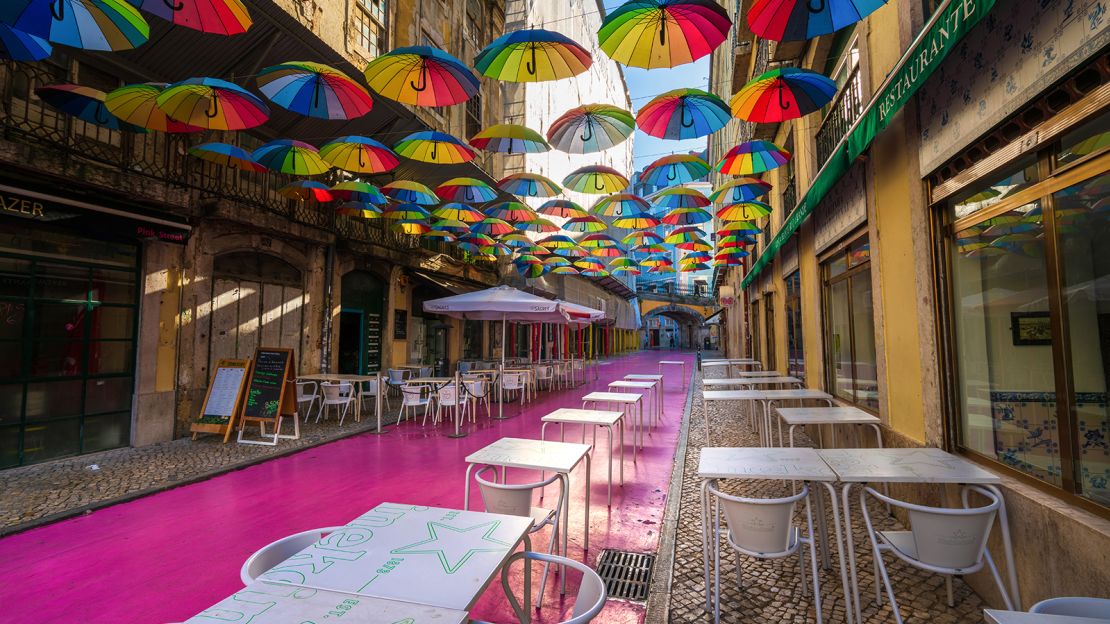
Following closely is Cais do Sodré in Lisbon, Portugal. Once famed solely for its lively nightlife, this riverside neighborhood is now a **foodie’s paradise**, showcasing Lisbon’s promising young chefs and innovative dining experiences. For the youth seeking wellness and inspiration, exploring such areas means reconnecting with the vibrant energy of emerging talent and authentic cuisines—elements proven to boost *mental well-being and creative vitality*. As wellness expert Dr. John Lee emphasizes, our environment directly influences our *state of mind*—neighborhoods like Cais do Sodré remind us that vitality can be found in the simplest pleasures, like a well-crafted meal or a spirited street conversation.

Not limited to Europe and North America, the list spans global cultural tapestries. Wat Bo Village in Siem Reap, Cambodia, has undergone a **’serious glow-up**, becoming a social enterprise hub that empowers women through local organic cuisine and boutique hospitality. Such transformations highlight the importance of engaging with LOCAL initiatives that align with the \underline>shift towards conscious, wellness-driven lifestyles. They also serve as inspiration for young individuals aspiring to make meaningful *personal impacts* through travel and cultural appreciation.

  • Seek neighborhoods with independent eateries and creative spaces—these foster community connection and mental wellness.
  • Prioritize areas with local social enterprises—support small businesses that empower and uplift communities.
  • Focus on destinations that balance leisure with cultural authenticity, creating a holistic experience.

As highlighted by Times Out, exploring these less conventional neighborhoods offers a treasure trove of experiences—many within a walkable distance—that inspire adventurous spirits to immerse themselves fully in their journeys. Whether wandering through Shimokitazawa in Tokyo or strolling along Rue Julien in Marseille, travelers can unlock a renewed sense of purpose and *well-being*. Unlike homogenized tourist hubs, these neighborhoods stand as testaments to the power of local culture and independent enterprise in shaping a vibrant, healthy lifestyle for the younger generation eager to forge their own paths.

And so, the journey continues—not just across borders, but inward. To discover not only the hidden nooks of the world but also the untapped reservoirs within ourselves—where curiosity, community, and purpose intertwine. In embracing these unique neighborhoods, we embrace a lifestyle dedicated to wellness, authenticity, and *the pursuit of personal inspiration*. As the philosopher Rainer Maria Rilke once suggested, “The only journey is the one within.” Keep exploring. The world—the true one—is waiting for you to find your place in it.

YouTube TV, ESPN, Disney blackout: what’s really happening?

Disruption in Traditional Election Coverage: Streaming Platforms Shift Viewer Preferences

In a striking development that underscores the rapid evolution of the media landscape, recent data reveals a significant shift away from traditional broadcast networks towards popular streaming services like YouTube TV for election coverage. During the last two U.S. election cycles, the majority of viewers on YouTube TV opted not to watch established broadcasters such as ABC, choosing instead to access news through alternative online sources. This trend signals a seismic change in how younger audiences consume news — favoring accessibility and on-demand content over legacy media formats.

This pivot is emblematic of a broader disruption of the traditional media business model. With a proliferation of free, easily accessible information on platforms like YouTube and its main service, consumers are becoming less reliant on conventional broadcast channels that rely heavily on advertising and cable subscriptions. This shift represents a formidable challenge to legacy broadcasters, who are now competing in a crowded digital marketplace that prioritizes immediacy, interactivity, and personalized content. As industry analysts from Gartner and MIT observe, the market is experiencing a fundamental transformation driven by the rise of digital-native content.

From an innovation standpoint, streaming services are pioneering features that further entrench their dominance.

  • Enhanced user engagement through live commentaries and social integrations
  • Higher accessibility on multiple devices, including smartphones and smart TVs
  • Customized news feeds powered by machine learning algorithms

Meanwhile, traditional broadcasters face the dilemma of retrofitting their distribution models or risking obsolescence. Major players like Comcast and Disney are investing heavily in their own streaming platforms, yet the competitive pressure from YouTube and others remains intense.

Industry leaders and futurists such as Elon Musk and Peter Thiel emphasize that this trend toward digital disruption extends beyond news into sectors like finance, transportation, and even AI. They warn that the speed of innovation demands swift adaptation, or risk falling behind. The implications for businesses are profound: companies rooted in traditional models must innovate aggressively to stay relevant, or face declining market share and eroding influence.

Looking forward, the trajectory points toward an increasingly decentralized and democratized media ecosystem. Emerging technologies such as immersive virtual and augmented reality, alongside real-time data analytics, are poised to redefine user engagement. Governments, corporations, and consumers must move with urgency, embracing this wave of innovation to harness its full potential. The message is clear: in the race for attention in the digital age, standing still is equivalent to falling behind. The future belongs to those willing to disrupt, innovate, and lead the charge into what remains a rapidly unfolding frontier of technological progress.

Tusheti: Ireland of the Caucasus — Europe’s Untamed Mountain Gem for the Bold and Free

Discovering Tusheti: A Mountain Wonderland of Tradition and Inspiration

Few regions in Europe embody the spirit of **adventure and resilience** quite like Tusheti. Nestled deep in the Caucasus mountains, this remote northeastern Georgian enclave is a testament to the enduring power of _local traditions_ and the unspoiled beauty of untamed landscapes. Accessibility itself is an adventure—only reachable via a treacherous, winding gravel road that ascends to over 10,000 feet during the brief summer months, revealing vistas that seem straight out of a storybook. For youthful explorers and culture seekers alike, Tusheti offers a _unique lifestyle_ experience—where rugged wilderness meets age-old customs, creating a place that beckons the **curious** to *embark on a journey of discovery*.

Stepping into Tusheti is like entering a _living museum_, where the remnants of medieval fortresses and traditional shepherding life tell stories of resilience amid **harsh winters**. Among the region’s highlights is Omalo, the gateway city crowned by the ancient Keselo Fortress, serving as the hub for _exploring the surrounding villages_. From the intricate wool textiles of Dartlo to the steep hilltop ruins of Kvavlo, each hamlet preserves its unique _heritage_, artfully woven into the fabric of daily life. The local cuisine, built around _pastoral dairy and hearty meats_, offers a taste of _authentic Georgia_, with dishes like **khinkali** and **khachapuri** serving as staples for travelers craving _simple yet flavorful_ fare. In a world increasingly driven by fast-food culture, Tusheti’s _slow-cooked traditions_ stand out as an inspiring reminder to prioritize **quality, community, and authenticity**.

Beyond its landscape and food, Tusheti’s _rich spiritual landscape_ fuses pagan practices with Orthodox Christianity—an unbroken thread that connects past and present. Visitors encounter _stone shrines, sacred spaces_, and _animal skulls_ that symbolize protec­tion and reverence for _deities and ancestors_. The region’s _festivals_, such as Mariamoba and Mzebudoba, celebrate _deceased loved ones_ and natural cycles, fostering a _sense of _linking past and future_. Such rituals underscore a core insight: _well-being_ is deeply rooted in _cultural identity_ and _connection to nature_. Engaging with these traditions offers more than just _curiosity_—it sparks _personal reflection_ on _purpose_ and the _value_ of _preserving _our roots_, inspiring a broader appreciation for _living in harmony with our _ancestral_ heritage_.

Embracing a Life of Adventure and Tradition

Living in today’s world often prompts a _rushing pursuit of _new experiences_, but Tusheti reminds us that _meaningful _lifestyle_ development is _about _balance_. From the _mountain pastures_, _shepherds_ lead _tens of thousands of sheep_ to graze, embodying _sustainability_ and _patience_. Meanwhile, _local artisans_ craft _woolen socks_ and _elaborate carpets_, demonstrating that _art_ and _craftsmanship_ can be _sources of _personal _and _community _renewal_. For the adventurous youth eager to _reshape their _lifestyle_, Tusheti offers a _blueprint_: embrace _authenticity_, cherish _tradition_, and activate _your _sense of _exploration_. Whether it’s _trekking ancient _paths_, _learning _new recipes_, or _participating in _rituals_, each moment _becomes a _brick_ in _building _a _more _resilient _and _meaningful life_.

Final Reflection

In a world obsessed with _speed_ and _instant gratification_, Tusheti stands as a _beacon of _slow living_ and _deep _connection_. Its _untamed serenity_ invites _all who seek_ to _embrace_ _their _own _adventure, _not just in _the _mountains, but _within themselves_. As Georgian writer Eka Tkadze once mused, _”To truly live, one must _seek _the _heart of _the _mountains, _where _tradition and _nature _converge.”_ For the _youth_ daring to _step _beyond _the familiar, Tusheti beckons as a _reminder_: that _a _fulfilling life_ begins when we _honor _our _heritage_, _pursue _adventure_, and _stay _true to _the _values_ that make us _whole_. #Embrace _the _journey, _and _let _it _lead _you _home_.

Austin Business Tips for 2025: Young Pros’ Guide to Getting It Done

Innovating the Heart of Texas: Austin’s Tech Scene Sparks Disruption and Business Transformation

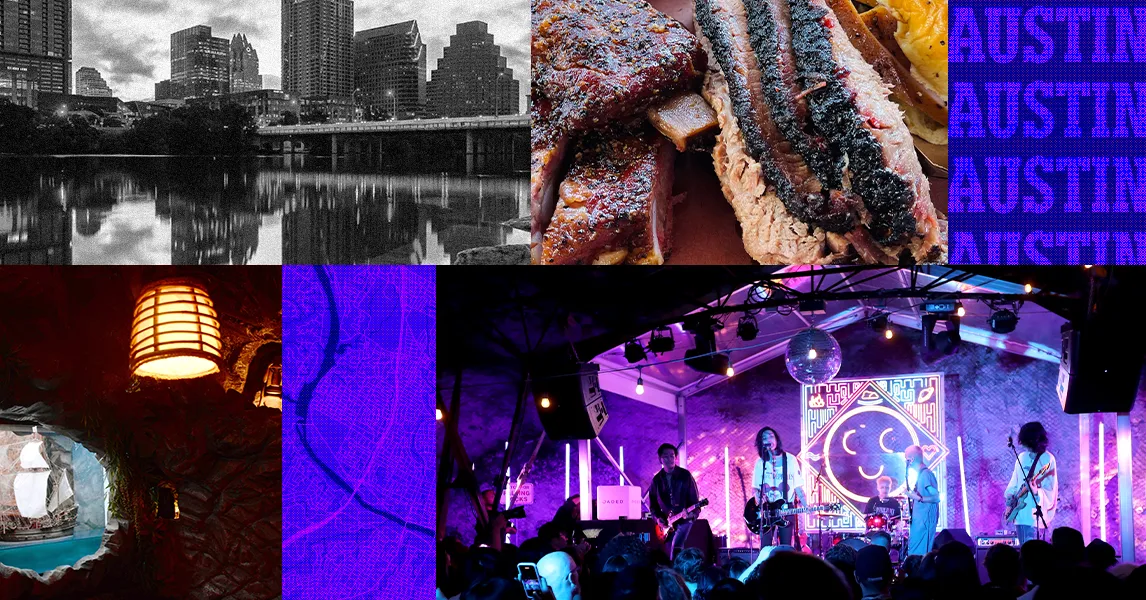
Once renowned for its eclectic music and cultural vibrancy, Austin is rapidly transforming into a powerhouse of technological innovation and entrepreneurial disruption. The city’s evolution from the “Silicon Hills” to a central hub of startup activity exemplifies industry shift towards tech-driven urban economies. As major players like Big Tech and innovative startups converge, this epicenter encapsulates how disruptive technologies are reshaping business landscapes and redefining the future of work and commerce.

At the core of Austin’s burgeoning tech ecosystem are its creative co-working spaces, incubators, and a thriving network of entrepreneurs who embody the spirit of fast-paced innovation. Resources like Austin Coworking and Deskpass exemplify this shift, offering flexibility and fostering community among young, ambitious professionals. These platforms are not merely about workspace—they symbolize a broader paradigm shift in how the next generation of tech talent collaborates and innovates. Industry analysts from Gartner highlight that adaptability in work environments and access to agile resources are pivotal for startups aiming to disrupt traditional industries and attract top talent.

Equally notable is Austin’s vibrant hospitality and lifestyle scene, which caters to a new class of digital entrepreneurs and remote workers. Iconic hotels like The Otis and Omni Hotel blend comfort with innovation, offering amenities tailored to the needs of tech-savvy visitors. Concurrently, Austin’s food scene—characterized by legendary BBQ joints like Terry Black’s—demonstrates how local businesses are embracing disruption through online ordering, unique culinary twists, and a focus on experiential dining. This symbiotic relationship between tech and lifestyle underscores a market shift towards a digitally connected, experience-driven economy with enormous implications for business models across sectors.

Moreover, Austin’s brewing and beverage industry, featuring innovative venues like Breakside and local breweries, reinforces the city’s stance on disruptive consumer experiences. These establishments integrate cutting-edge brewing techniques with community-centric outdoor spaces, reflecting how traditional industries are leveraging technology and creative marketing to capture a new generation of consumers. Forward-looking firms such as Breakside focus on crushable lagers and West Coast-style IPAs, exemplifying how brands are embracing innovation at both product and experiential levels, which is critical for maintaining competitive advantage in a crowded market.

From a strategic perspective, this trend signals a broader industry transformation driven by emerging technologies like AI, IoT, and data analytics. Entrepreneur peter Thiel and MIT’s research underscore that early adoption of disruptive innovations is essential for startups to leapfrog established competitors. As Austin continues to attract top-tier talent and investment, the urgency to harness these technologies accelerates, promising a future where disruption is not optional but imperative for survival.

Looking ahead, Austin’s transformation offers a compelling template for other cities aiming to compete in the 21st century economy. The rapid integration of innovation into every facet of urban life—from coworking hubs and hospitality to lifestyle and food—underscores the importance of agility, adaptation, and bold experimentation. Entrepreneurs, investors, and industry leaders must recognize that the race for domination in the tech-driven future is already underway, and those who leverage this momentum today will shape the world of tomorrow with unprecedented velocity and impact.

Intel’s Tick-Tock is Dead: What it Means for Tech and Young Minds

Intel Reinforces Focus on AI and Next-Gen Chip Innovation Amid Industry Disruption

In its Q3 2025 earnings report, Intel marked a critical milestone: its first profit in nearly two years. This turnaround underscores the company’s strategic pivot towards high-margin AI server chips, signaling a significant disruption in the semiconductor landscape. With supply chain shortages expected to peak early next year, Intel CEO Lip-Bu Tan emphasized prioritizing capacities for AI applications over traditional consumer processors. This shift highlights the industry-wide acknowledgment of AI’s transformative potential and demands a rethinking of supply chain strategies to capture emerging market opportunities.

Looking ahead, Intel’s ambitious plans to release new AI GPUs annually follow the footsteps of industry heavyweights Nvidia and AMD, who have already disrupted the traditional product cadence. As Tan revealed, maintaining competitive relevance in AI hardware is crucial, and Intel is positioning itself to meet the surging demand. However, this aggressive schedule raises questions about the company’s ability to balance innovation with supply chain resilience, especially within the context of ongoing component shortages. These decisions could define whether Intel maintains its trajectory toward innovation-led growth or gets sidetracked by supply constraints.

At the core of these developments is Intel’s advanced 17A and 18A process nodes. The company continues to invest heavily in these next-generation manufacturing nodes, promising to power “at least the next three generations” of client and server products. Yet, persistent yield issues at 18A threaten to delay mass adoption; CEO Zinsner admitted yields are “adequate,” but not yet at a level to sustain robust margins. This acknowledgment is a stark reminder that technology disruption in semiconductor manufacturing is not without challenges; the industry’s push for smaller, more powerful nodes is fraught with complex engineering hurdles. The proposed Intel 14A node, potentially crucial for future competitiveness, is now under renewed confidence thanks to customer support, with Zinsner suggesting that it is outperforming initial expectations.

  • Innovation: Intel’s focus on AI hardware and advanced manufacturing
  • Disruption: Industry-wide shift towards AI chip cadence, challenging traditional tick-tock models
  • Business implications: Supply chain realignment, strategic prioritization, and large-scale investment in next-generation nodes
Europe’s coolest capital is leveling up—stay ahead of the vibe wave

In recent years, Lisbon has experienced a remarkable renaissance, transforming from a classic European capital into a hub of youthful energy, multicultural flair, and entrepreneurial spirit. This vibrant city, perched high above the River Tagus and winding into the hills, now draws the world’s young travelers, digital nomads, and cultural explorers seeking a dynamic lifestyle destination. With its affordable rents, electrifying nightlife, and a rich tapestry of streets brimming with tradition, Lisbon exemplifies the compelling shift towards an urban renaissance that combines historical reverence with modern vitality.

The pulse of Lisbon’s revival is felt not just on the streets but deep within its culture and cuisine. The city’s local pride shines through when you walk its neighborhoods—the Belem district’s famed pastel de nata pastries, Fado singers in Alfama echoing romantic tales, and gatherings celebrating their patron saint, St. Anthony, with sardines and local wine spilling into the alleys. This city’s confidence is evident in its residents, who are now embracing their Portuguese identity unapologetically. Local authorities and cultural figures, like renowned chef José Avillez, highlight how in the midst of modern innovation, the soul of Portugal’s culinary art remains rooted in essential ingredients, simple love, and a уважениеrespect for tradition.

The city’s seafaring history is equally central to its identity. Lisbon’s connection to the Atlantic Ocean persists along its wide riverbanks and historic monuments like the Padrão dos Descobrimentos. This long-standing maritime pride is embodied by modern explorers such as solo sailor Ricardo Diniz, who continues the legacy of Portuguese adventurers with every voyage. The spirit of discovery fuels Lisbon’s ongoing narrative—a narrative not merely of exploration but of pride in cultural resilience and entrepreneurial spirit. The city’s resurgence has been fueled, in part, by outsiders—travelers, entrepreneurs, and expats—who fall in love with its confidence and authenticity, and spread the city’s newfound reputation globally.

  • Visit local markets and taste the fresh sardines during the Festival of St. Anthony for an authentic experience.
  • Explore Lisbon’s historic districts such as Alfama and Mouraria, where music, history, and tradition intertwine.
  • Indulge in Portuguese cuisine, from Michelin-starred restaurants to humble cevicherias, celebrating a culinary soul that marries tradition with creativity.

For many, Lisbon’s story isn’t solely about tourism but about a lifestyle shift—a conscious embrace of a life that balances the past with the present. Influenced by cultural icons and wellness experts advocating for a mindful and connected lifestyle, young people are finding that this city offers more than just scenic beauty; it offers a journey of self-discovery. From its historic maritime museums to its contemporary art galleries and lively cafes, Lisbon invites its visitors to reflect on what it truly means to be proud of one’s roots while courageously stepping into the future. As the city continues to evolve, it reminds us that a community’s spirit and history are not nostalgic relics but the foundation of a vibrant, inspiring life tomorrow.

Social Media Auto Publish Powered By : XYZScripts.com