Matox News

Truth Over Trends, always!

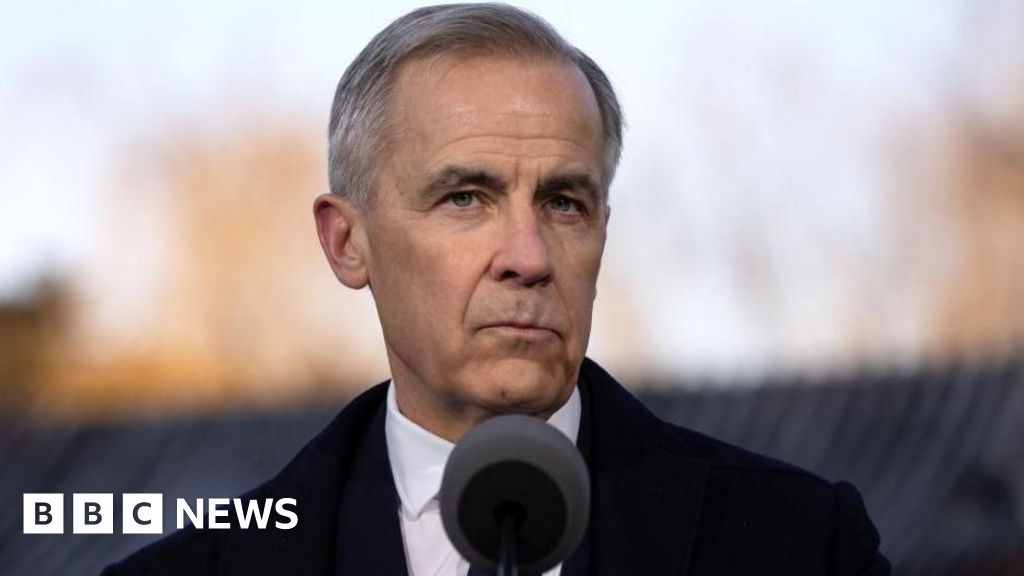
Canada’s Carney pushes for three key by-elections that could secure his majority

Global Power Shifts in Canada’s Political Landscape Signal Broader Geopolitical Tensions

The recent by-elections in Toronto have unexpectedly become a focal point for international observers tracking the shifting balance of influence within Canada—an influential member of the G7—and how internal political adjustments ripple outward in an increasingly complex global chess game. The vacancies arose after the resignation of Chrystia Freeland, a prominent figure known for her forte in economic diplomacy and her close ties to international financial institutions, and Bill Blair, who was appointed as Canada’s envoy to theUnited Kingdom. While ostensibly local in scope, these adjustments carry profound implications for how Canada positions itself on the world stage amidst mounting geopolitical conflicts involving Russia, China, and the United States.

International analysts note that the appointment of Freeland to advise Ukrainian President Volodymyr Zelenskyy underscores Canada’s deepening commitment to supporting Ukraine’s sovereignty in its ongoing conflict with Russia. This move isn’t simply about one politician stepping down; it is a clear signal of Canada’s alignment with a broader Western strategy that aims to counter Russian expansionism and contain Chinese influence in global affairs. Such decisions demonstrate a willingness by Canadian leadership to prioritize diplomatic and military support for Ukraine—an approach that resonates with many at home who see the defense of Western values as integral to their national identity, yet concerns are voiced about the potential costs and divisions this stance may sow domestically.

Meanwhile, Bill Blair’s transition to become Canada’s envoy to the UK signals another layer of international diplomacy, especially as post-Brexit relations between the UK and global powers continue to evolve. Many experts interpret this appointment as an attempt to reinforce alliance ties amidst ongoing geopolitical shifts in Europe and beyond. Historian Dr. James Thornton highlights that these diplomatic moves are more than symbolic—they are strategic recalibrations that will shape Canada’s influence and credibility in the international arena. Such diplomacy also signals a desire to maintain robust connections within the Anglosphere, which could have significant implications for trade, security, and political alliances in the long term.

Indeed, these internal vacancies in Canada’s political landscape serve as a reminder—every leadership change and diplomatic appointment carries weight beyond their borders. As the world braces for further contention over resources, technology, and ideological influence, the actions taken by Canadian leaders reveal their intent to navigate this turbulent environment with assertiveness and strategic patience. The unfolding story of Toronto’s by-elections may seem local, but in an era of growing geostrategic competition, they are stepping stones—each move shaping the contours of history yet to be written, as nations prepare for the next storm of international upheaval with eyes fixed on the horizon.”
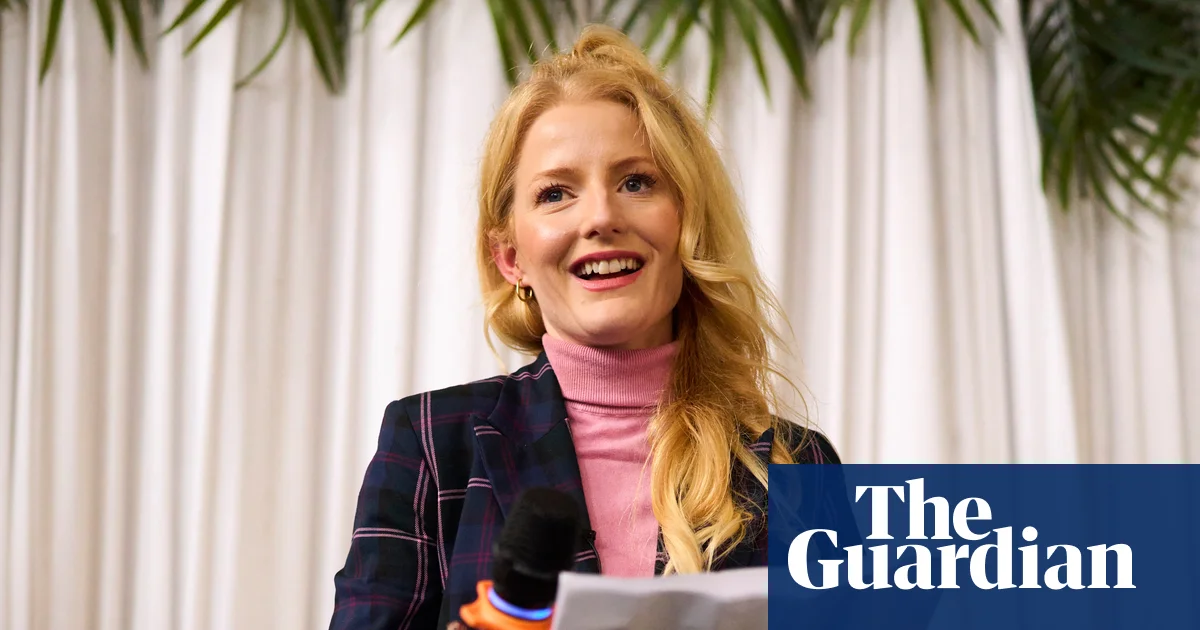
Green Party backs former mayoral hopeful for Gorton and Denton byelections, shifting focus to future leadership

The upcoming byelection in Gorton and Denton has become more than a simple electoral contest; it symbolizes deeper social and cultural shifts within the communities of Greater Manchester. With the Green party selecting Hannah Spencer, a councillor and former mayoral candidate, as their candidate, this race highlights the growing influence of youth-oriented, environmentally-focused politics that challenge traditional party dominance. Spencer’s background as both a community member and trade professional exemplifies a shift towards candidates who embody local roots and diverse experiences, resonating with a population increasingly disillusioned with the status quo.

This race is unfolding amidst a fractured political landscape where social issues—from economic inequality to cultural identity—are shaping voter sentiment. The Labour Party, traditionally dominant in the area, is facing stiff competition from Reform UK and the Greens, each representing contrasting visions for the future of society. Labour’s campaign’s emphasis on experience, rooted in their local and national networks, seeks to appeal to voters who value stability and tradition. In contrast, the Greens, led by Zack Polanski, are framing the contest as a “battle for the soul of the nation”, underscoring a desire among younger voters to push for progressive change and environmental justice. This political clash is not merely about policies but about the cultural identity and moral direction of the community, which is sharply divided along generational and ideological lines.

Social tensions are further exemplified by the Green party’s recent endorsements and their outreach efforts. Backed by groups like the Muslim Vote, their support in a constituency with roughly 30% Muslim constituents signals a conscious effort to address **cultural representation and inclusivity**. Such moves reflect a broader challenge minorities and marginalized groups face worldwide: balancing tradition with the push for social acceptance and political influence. As sociologists like Arjun Appadurai have noted, societies are increasingly fractured along lines of ethnicity and faith, yet also eager for a sense of belonging and agency. The Greens’ emphasis on engaging these communities indicates a recognition that future societal cohesion depends on constructive dialogue and representation, even as it stirs debate about social cohesion versus cultural integration.

The families and communities impacted by this electoral contest face very tangible issues: economic opportunities, social inclusion, and cultural identity. The decline of traditional industries and the threats to local jobs create a backdrop where young families seek new pathways to stability, while cultural tensions can either divide or unite depending on how issues are approached. As historian Eric Hobsbawm warned, societal change often occurs through what he termed “the long 19th century of social upheaval,” reminding us that the societal clarity sought in elections is often the result of ongoing, complex struggles. The choices made in Gorton and Denton will resonate beyond these walls, reflecting the society’s capacity to embrace change and tradition alike.

Ultimately, this byelection underscores a society at a crossroads—facing the call for renewal amidst division. Its outcome will signal not just political shifts but reveal how communities choose to navigate the delicate balance of progress and preservation. As society stands on this precipice, one is left pondering—a society’s greatest hope is not in the absence of conflict but in its willingness to transform conflict into conversation, fear into understanding, and division into unity. Only then can the promise of a society that truly reflects its people be realized, shining a hopeful light on the horizon of future generations.

Social Media Auto Publish Powered By : XYZScripts.com



