Matox News

Truth Over Trends, always!

Thailand and Cambodia clash persists despite Trump’s ceasefire claim

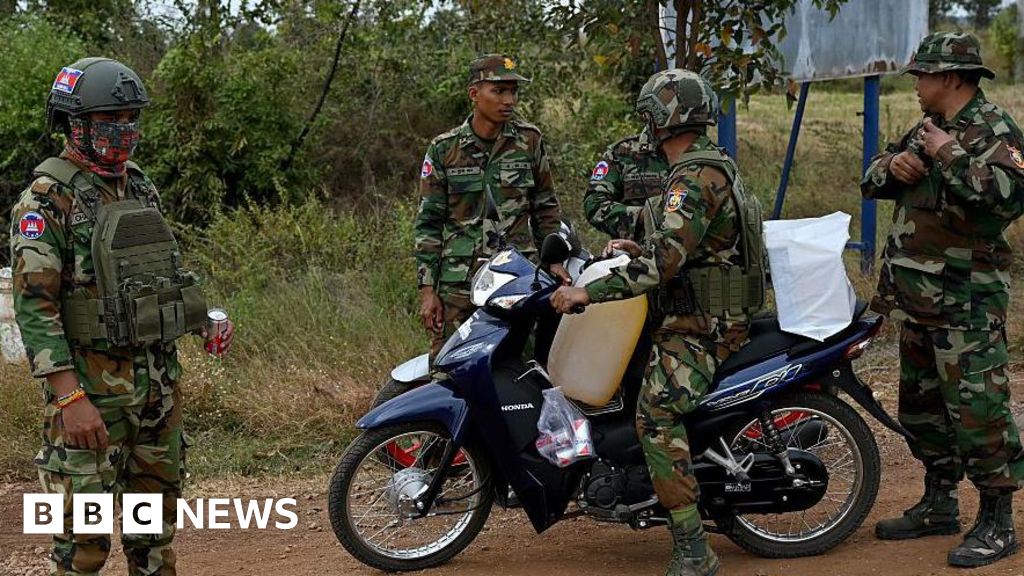
In a dramatic turn of events, Thailand and Cambodia are once again embroiled in fierce border clashes that threaten regional stability and challenge international diplomacy. Despite claims from U.S. President Donald Trump of a ceasefire agreement, reports indicate that hostilities persisted overnight, with Thai forces continuing to press along the border and Cambodian forces launching renewed rocket attacks. The long-standing border dispute, rooted in colonial-era demarcations, has surged back into violent confrontation, illuminating how unresolved historical grievances can resurface with devastating consequences.

It was on Friday night that President Trump announced, through social media, that a mutual ceasefire had been negotiated, citing the双方 agreement to return to previous accords signed in October. However, the reality on the ground diverged sharply from diplomatic pronouncements. Thai Prime Minister Anutin Charnvirakul clarified that Thailand’s military actions would persist until Cambodia fully withdrew its forces and demined the border—a demand that Cambodia, in turn, rejected, stating that landmines left from the 1980s civil war could not be removed overnight. As fighting escalated with shelling, air strikes, and casualties mounting—at least 21 deaths and 700,000 displaced—analysts and international observers warned of an emerging crisis that could destabilize Southeast Asia even further.

The geopolitical impact of these renewed hostilities extends beyond bilateral tensions. The region, historically a pincushion for imperial interests, is again demonstrating that local disputes can quickly spiral into flashpoints with broader consequences. The United Nations and regional organizations like the ASEAN have voiced concern but largely remain powerless to de-escalate the conflict. The fact that the clashes involve air strikes and landmine threats indicates a shift towards more aggressive tactics, fueling fears that the conflict could spiral into a larger regional war if not contained. Global analysts warn that unchecked violence will deepen mistrust and undermine efforts for concrete border resolutions, threatening decades of fragile peace.

Moreover, the diplomatic efforts—lauded initially as a breakthrough—are now under scrutiny for their actual efficacy. Thailand’s warning to the US to avoid linking the conflict to trade policy underscores the delicate balance of geopolitics in Southeast Asia. The region’s major powers, including China and India, watch intently, aware of how this conflict could be used to influence broader strategic interests. Historians note that this border dispute, essentially inherited from colonial maneuvering, exemplifies how historical lines drawn by foreign powers continue to incite violence, threatening to undo the region’s progress towards stability.

As Cambodian reports of fresh Thai air strikes surface amid continued firefights and accusations of ceasefire violations, the phrase “the peace process is fragile” echoes among diplomatic corridors. The conflict’s unresolved history combined with recent military escalations paints a disturbing picture of a region at the brink. The global community, led by a fragile international order, must grapple with the dangerous dynamics at play. The weight of history, compounded by contemporary geopolitical ambitions, leaves South-East Asia in a state of uncertainty—poised on the precipice where peace and chaos collide, and the lessons of the past threaten to be lost amid the roar of ongoing conflict. With each day, the story of this border dispute writes itself deeper into the fabric of history—reminding us that some conflicts, once ignited, may burn longer than anyone expects, shaping the face of the future in ominous ways.
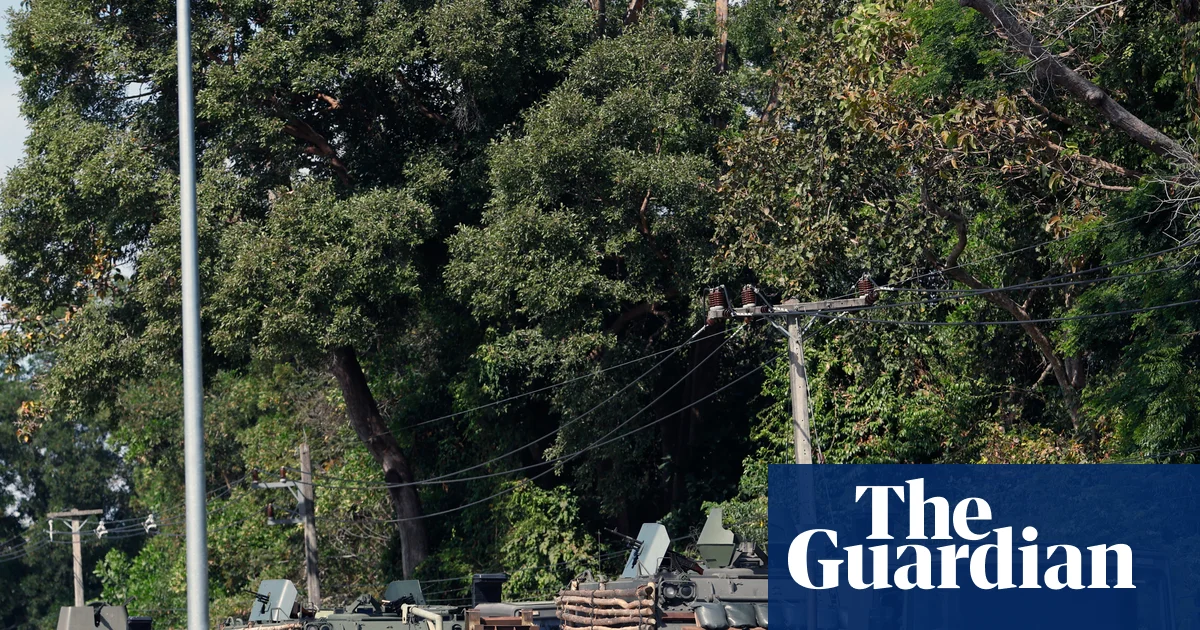
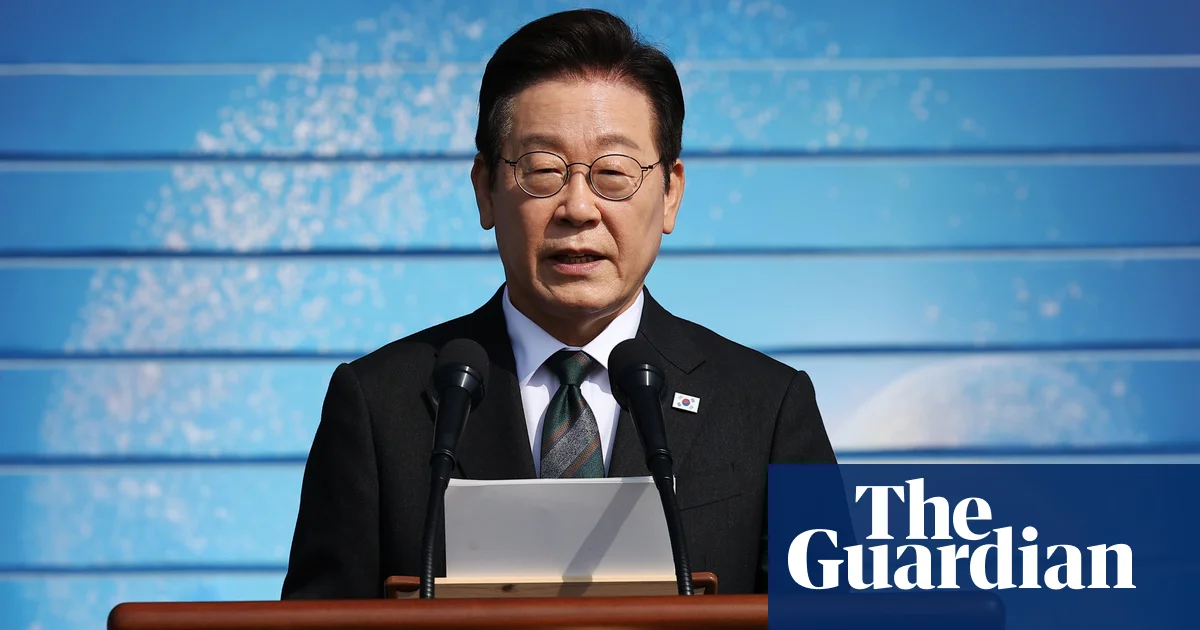
Thailand and Cambodia Clash Again Despite Trump’s Ceasefire Claim

Emerging Crisis on the Thai-Cambodian Border: A Tug of War with Global Ramifications

The recent escalation of hostilities along the Thai-Cambodian border has reignited longstanding tensions rooted in historical territorial disputes. Despite claims from U.S. President Donald Trump that a renewed ceasefire had been agreed upon through diplomatic channels, the reality on the ground suggests a far more volatile and unpredictable conflict. Cambodian officials assert that Thai forces, including fighter jets, continue to strike targets across the border, undermining any claims of a peaceful resolution. Meanwhile, Thailand’s military counters with accusations of violations of international rules, specifically targeting civilian areas and deploying landmines—a move that only deepens the cycle of violence.

This fragile flashpoint reflects more than a regional dispute; it is emblematic of the geopolitical impact of external influences and flawed diplomatic interventions. The United States, under Trump’s leadership, played a pivotal role in the original peace accord, leveraging threats to withdraw trade privileges to push Thailand and Cambodia toward compromise. Yet, as recent weeks demonstrate, treaties and ceasefires tend to be fragile, especially when interconnected with historical grievances and nationalistic fervor. Analysts, including scholars at the International Crisis Group, warn that such unresolved conflicts risk broader regional destabilization, especially as both countries leverage their respective military capabilities—Thailand with jet fighters and Cambodia with BM-21 rocket launchers—further escalating the threat of wider conflict.

Despite claims of a renewed ceasefire brokered during a call involving Trump, Prime Minister Hun Manet of Cambodia, and Prime Minister Anutin Charnvirakul of Thailand, the reality remains discordant. Neither Thai nor Cambodian leaders officially acknowledged the agreement in their subsequent statements, and the Cambodian prime minister even indicated ongoing hostilities. This disconnect highlights the fragile nature of international diplomacy in volatile regions and the importance of verified facts. The conflict’s roots are embedded deeply in history—dating back to colonial-era border demarcations and international court rulings—further complicating diplomatic efforts. Notably, a 1962 ICJ decision awarded sovereignty over border territories to Cambodia, a verdict still fiercely contested within Thailand, fueling persistent enmity.

As violence erupts anew, the broader implications for international stability are significant. The United Nations and regional actors are watching with concern as at least 20 lives have been lost in recent clashes. The regional hierarchy remains fragile, with Malaysia’s role as a mediator underscored by its hosting of previous peace accords, yet these efforts are frequently undermined by nationalist rhetoric and strategic military deployments from both sides. The ongoing clash acts as a stark reminder that unresolved historical disputes, if left unaddressed, threaten to spiral into broader conflicts that could draw in neighboring nations and shift regional power dynamics. The weight of history presses heavily on the present, and the international community must tread carefully, mindful that tomorrow’s calamity could easily become today’s irreversible tragedy.

Korean Student Dies After Cambodia Scam Horror, Sparks Outrage

The recent tragic death of South Korean university student Park Min-ho in Cambodia has unveiled a troubling escalation in regional human trafficking and scam-related violence. The incident, which involved severe torture and ultimately his killing, has reignited international concern about the rise of organized crime syndicates exploiting Southeast Asia’s porous borders. South Korea’s government has responded with urgent diplomatic measures, emphasizing their duty to safeguard citizens abroad, while international analysts observe this incident as a stark warning of the deteriorating security landscape in the region.

According to reports, the circumstances of Park Min-ho’s death expose a brutal underworld of online fraud operations, often masked behind the veneer of promising employment opportunities. Victims are typically lured by criminal networks with false promises of high-paying jobs, only to find themselves confined in compounds involved in voice phishing scams, forced labor, and physical abuse. The findings of the Cambodian authorities, which cite “severe torture” as the cause of death, highlight the extreme brutality faced by victims. Three Chinese nationals have been charged with murder and fraud, yet many suspects remain at large, underscoring the transnational challenge of dismantling these crime rings. The United Nations and Interpol have warned that such syndicates are increasingly sophisticated, leveraging technological vulnerabilities and local complicity to expand operations.

The geopolitical impact of this crisis extends beyond individual cases, straining diplomatic relationships between Korea and Cambodia. Seoul has initiated efforts to establish direct police cooperation with Phnom Penh by proposing a specialized “Korean desk” to ensure timely and effective intervention in cases involving its nationals. With tensions rising, officials from both nations are scheduled to meet, aiming to reinforce bilateral commitments to combat crime and protect South Korean citizens. Nonetheless, the Cambodian government’s denial of prior knowledge regarding Park Min-ho’s case—and the emphasis on cooperation—reflects the broader challenge of sovereignty and accountability in addressing transnational crimes. The situation exemplifies a shift where economic investments and political ties are increasingly overshadowed by urgent human security concerns.

Historically, South Korea has surged past its initial post-war recovery to emerge as a regional economic powerhouse, yet its citizens’ safety abroad has become a focal point for national consciousness and international diplomacy. Analysts argue that the rise of scam hubs in Southeast Asia signals a profound failure of governance in host countries like Cambodia, where corruption and inaction foster an environment conducive to criminal enterprises. Meanwhile, organizations such as Amnesty International have lambasted the Cambodian government for permitting such operations to flourish, with some compounds allegedly shielded from law enforcement. The international community faces mounting pressure to intervene decisively, balancing respect for sovereignty with the necessity of human rights protections and anti-trafficking measures. The path forward requires coordinated efforts—not only law enforcement but also socio-economic reforms—to dismantle these networks at their roots.

As history continues to be written in the shadows of this unfolding catastrophe, the weight of the present confrontation is undeniable. The story of Park Min-ho is but one tragic chapter in a larger narrative of a region grappling with the rise of criminal syndicates, geopolitical tension, and the urgent need for justice. The question remains: how will nations respond to these growing threats, and at what cost? With each passing day, the silent stories of victims echo through corridors of power, reminding the world that beneath the surface of geopolitical disputes lies the fundamental battle for human dignity and security—an ongoing struggle with consequences that will shape history’s verdict for generations to come.

Social Media Auto Publish Powered By : XYZScripts.com



