
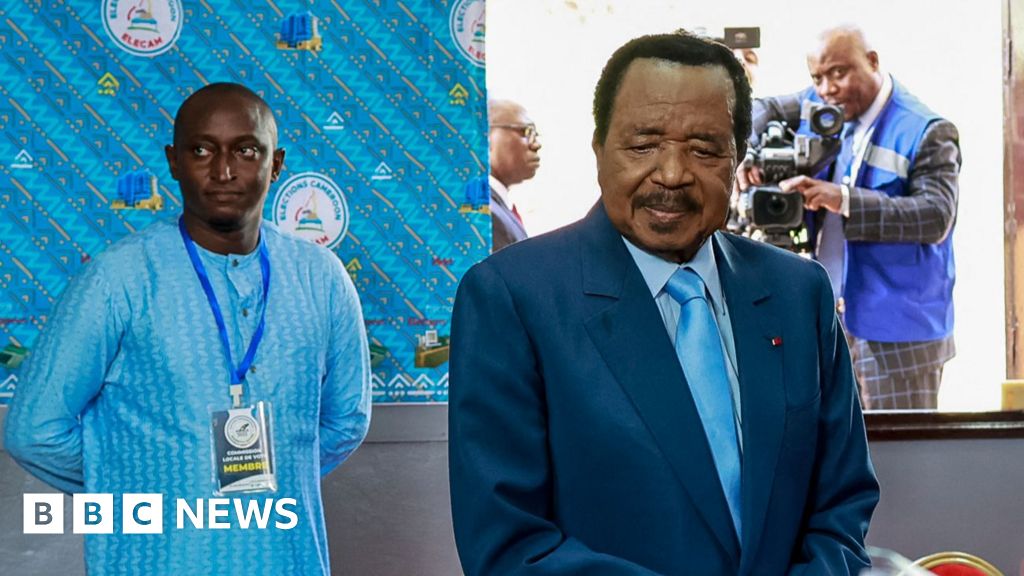

The recent presidential election in Cameroon has ignited a wave of unrest and international concern, revealing how fragile the fabric of stability remains in this Central African nation. At age 92, Paul Biya, who has governed Cameroon since 1982, secured an eighth term in a fiercely disputed electoral process. Official results declared Biya the winner with 53.7% of the vote, amid accusations of electoral malpractice and widespread violence, prompting a growing chorus of international analysts warning of a potential descent into chaos. This election, marred by deadly clashes, underscores a profound crisis of legitimacy and a nation on the precipice of deeper instability.
Despite Biya’s longstanding rule, his victory is viewed with intense suspicion both domestically and internationally. Opposition leader Issa Tchiroma Bakary insisted he had won, but the Constitutional Council dismissed his claims, tipping the scale in favor of Biya’s continued dominance. Security forces responded with brutality as supporters of Tchiroma Bakary protested, resulting in at least ten deaths during recent demonstrations, including gunfire near his residence and clashes in the economic capital of Douala. The regional governor reported police posts under attack, further illustrating the deep schisms within the country. Analysts, including those at the International Crisis Group, warn that the deepening division, combined with unaddressed grievances, risks transforming Cameroon into a powder keg of ethnic and political strife.
The geopolitical impact of this election extends beyond Cameroon’s borders, affecting stability across the Central African region. The country’s long-standing internal conflicts, including the separatist insurgency in the English-speaking regions, threaten regional security and economic development. Western nations and international organizations have raised alarms over the troubling signs of political illegitimacy, fearing that a government unresponsive to public grievances could foster more violence and instability. As historian and regional analyst Dr. Emmanuel Nkamleu emphasizes, the legacy of Biya’s era—marked by economic decline, rampant corruption, and suppression of dissent—has left Cameroon vulnerable to larger regional destabilization, pushing neighbors to ponder broader security implications.
Most citizens seem resigned to the tumult, with voices from Yaoundé and Bamenda expressing concern over the future. Many lament the declining economy and endemic corruption, warning that the political system is buckling under the weight of its own contradictions. The silence that followed the election’s declaration epitomizes a society that feels betrayed, a historically peaceful nation now teetering on the edge of upheaval. International voices call for urgent mediation, warning that without immediate reforms and genuine reconciliation, Cameroon risks falling into prolonged conflict. As the story of this election continues to unfold, the weight of history reminds the world that the decisions made today carve the fate of future generations. Whether this fragile republic can recover or whether it will become another casualty of unchecked political power remains a question with profound consequences for the entire continent.





