Matox News

Truth Over Trends, always!

Canadian PM Mark Carney: Former Prince Andrew Should Lose Royal Lineage Amid Scandal | Canada

Global Political Tensions Surface as British Royal Controversy Sparks International Debate

In a remarkable turn of events that transcends the borders of the United Kingdom, Canada and other Commonwealth nations are grappling with the significant ramifications of the recent scandal involving Andrew Mountbatten-Windsor. Prime Minister Mark Carney publicly called for his removal from the royal line of succession, citing “deplorable” actions amid allegations of misconduct, following his arrest on suspicion of misconduct in public office. This unprecedented move marks a potential dent not only in the royal family’s reputation but also in the delicate diplomatic and constitutional alliances that bind the Commonwealth.

Having stepped back from royal duties in October, Mountbatten-Windsor remains eighth in line to the throne amidst mounting evidence linking him to Jeffrey Epstein, the late financier widely condemned for child sex offenses. Despite denying any wrongdoing, the implications of these allegations threaten to destabilize the crown’s moral authority. Critics, including prominent international analysts, warn that such scandals fuel public disenchantment with monarchical institutions, which are already under pressure from societal calls for transparency, accountability, and reform. The controversy especially resonates within the Commonwealth, where governments like Australia and New Zealand have signaled support in removing Mountbatten-Windsor from succession, emphasizing the importance of moral integrity over tradition.

Geopolitical Ramifications and International Reactions

  • Following Canada‘s Prime Minister Carney’s remarks, representatives from Australia and New Zealand confirmed their backing for actions to strip Mountbatten-Windsor of his line, highlighting a broader shift towards accountability within the Commonwealth.
  • The law of the United Kingdom requires parliamentary approval for such a removal—an intricate process complicated by the constitutional ties and sovereignty considerations across 14 Commonwealth nations where King Charles III serves as head of state.
  • Such actions threaten to set a precedent that could redefine the relationship between these nations and the British Crown, emphasizing sovereignty and national identity over inherited monarchy.

International organizations, including the Commonwealth Secretariat, have issued cautious statements urging due process, yet the political debate underscores a vital question: How much of the traditional royal institution remains relevant or respectable in a modern, increasingly skeptical world? Historians and political analysts warn that the scandal acts as a catalyst, exposing deep fissures in the once-unassailable monarchy, which is now vulnerable to internal dissent and external criticism. Political leaders and civil society movements within Commonwealth countries see this crisis as an opportunity to push for republican reforms, reflecting a broader shift in global perceptions of monarchy and aristocratic privilege.

Implications of Decision-Making and a Legacy of Uncertain Future

The decision to disqualify Andrew Mountbatten-Windsor from the line of succession—once considered a mere constitutional formality—has now evolved into a flashpoint of sovereignty and national identity. The support from Commonwealth countries signals a collective assertion that morality and public trust should trump tradition, a seismic shift that could recalibrate the relationship between the Crown and its former colonies. As King Charles III navigates these turbulent waters, the lingering question persists: Will this scandal accelerate movements toward republicanism, or will the monarchy endure, cloaked in renewed scrutiny but still intact?

Stepping into history’s shadow, the unfolding drama reminds us that the weight of words and the power of choice in the corridors of politics may well shape the destiny of nations. As the world watches, one thing remains certain: the legacy of this crisis will be etched into the timeline of history, a testament to the fragile balance between tradition and reform, sovereignty and scandal, forever testing the bounds of royal resilience.

Canadian teen tragically loses life in drowning after dingo attack in Australia

The recent discovery of Piper James’s body on the remote island of K’Gari has sent shockwaves through international media and ignited a broader discussion on the ramifications of isolated tragedies within fragile ecosystems. Found in January amidst a pack of dingoes, this incident underscores the potential perils faced by unexplored or minimally managed territories — locations often overlooked in the grand geopolitical theater. While initial reports focus on local circumstances, the incident has unexpectedly become a flashpoint for larger debates on environmental protection, sovereignty, and the global implications of human-animal interactions.

From a geopolitical perspective, the incident highlights the vulnerabilities of islands like K’Gari, a site increasingly viewed through the lens of environmental and strategic importance. Many analysts point out that such tragedies could either serve as cautionary tales or catalysts for international discussions about sovereignty, resource management, and conservation policies. The incident raises questions on whether nations should strengthen their environmental oversight or limit access to particularly fragile ecosystems. In a world where environmental shifts often interlock with geopolitical conflicts, such local tragedies echo national narratives about sovereignty and responsibility. International organizations, including the United Nations Environment Programme, have long emphasized the importance of safeguarding ecological sanctuaries from human disturbances, yet enforcement remains inconsistent, especially in remote regions.

Furthermore, the incident’s unexpected global attention reflects a growing trend where individual tragedies reveal the interconnectedness of social, environmental, and political systems. Historians and geopolitical analysts warn that neglect or mismanagement of remote ecosystems can precipitate broader crises—be they ecological, social, or diplomatic.

  • Some nations, driven by economic interests, tend to downplay the significance of isolated habitats, risking conflict with conservationists and indigenous communities.
  • Others advocate for increased international cooperation to mitigate risks in fragile environments, fearing that unmonitored sites could become grounds for illegal activities or environmental degradation.

As the international community grapples with this incident, it functions as a stark reminder of the delicate balance between sovereignty and global stewardship. As one analysis warns, “Haphazard management of isolated ecosystems not only endangers local biodiversity but also imperils broader regional stability.” With rising geopolitical tensions elsewhere, the fate of remote regions like K’Gari could become emblematic of a larger struggle—an ongoing contest over control, conservation, and the preservation of human dignity amid the wilderness. The story of Piper James is more than a tragic loss; it is a stark tableau of how humanity’s decisions can echo through history, shaping the narrative of tomorrow’s world, leaving us to wonder: are we safeguarding our future or merely observing it slipping away?

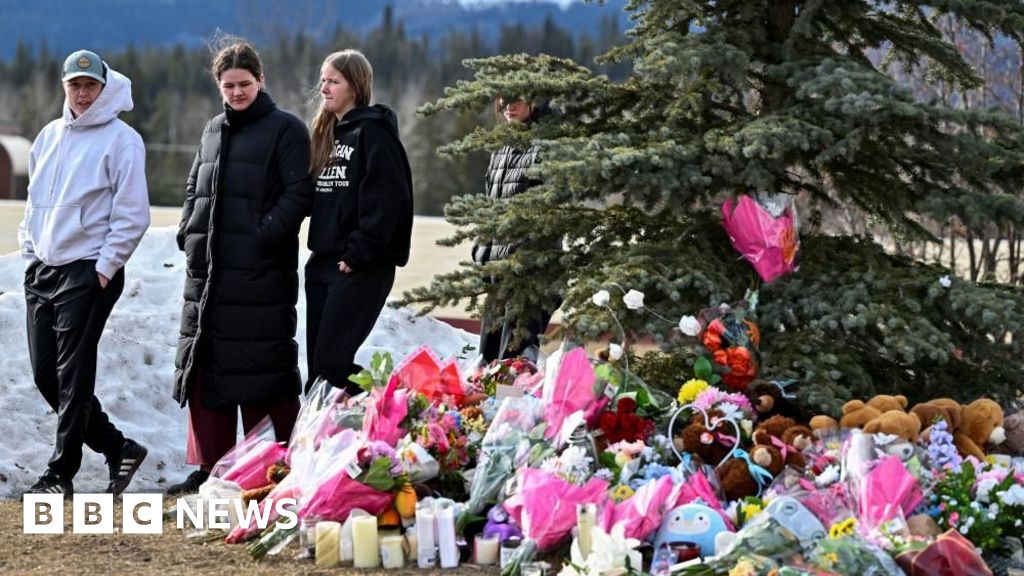
Small Canadian Town Gutted: Mass Shooting Leaves Community Heartbroken

The recent shooting incident in British Columbia has sent shockwaves across Canada and reverberated through international communities, highlighting the persistent threat of violence in regions often considered peaceful. This tragedy, which has left dozens dead and many injured, underscores the vulnerability of even the most serene societies amidst complex geopolitical shifts and internal discord. As residents mourn and community leaders grapple with grief, analysts worldwide are parsing the wider implications of such acts of violence in an era marked by increasing instability.

Experts suggest that this incident is not isolated but rather a reflection of broader socio-economic and political tensions. According to international security analysts, the rising incidence of mass shootings in Western nations correlates with rising social polarization, economic disparities, and evolving criminal networks. Historically, such episodes often act as a grim turning point, prompting intensified debates on gun control, mental health policies, and national security frameworks. The Canadian government’s response, including calls for stricter gun legislation, echoes similar debates across United States and other allied nations, where firearm access remains a contentious issue. For some, the tragedy exposes vulnerabilities in existing social safety nets and underscores the importance of proactive measures to prevent future atrocities.

Moreover, this incident has resonated beyond Canada’s borders, drawing reactions from NATO allies and global organizations committed to peacekeeping and security. Many question whether current international cooperation mechanisms are adequate to address emerging threats that fuse local violence with transnational criminal activities. The United Nations and Interpol have issued statements urging nations to bolster intelligence sharing and combat illegal arms proliferation, which often fuels such violence. Historians like Dr. Margaret Saunders warn that “while local tragedies ignite immediate outrage, they also serve as stark reminders of the interconnected, fragile state of contemporary security.” This tragedy, therefore, acts as a stark mirror reflecting the urgent need for coordinated international action.

The geopolitical impact of such events extends further; they influence migration debates, domestic policy, and diplomatic relations. Countries increasingly face pressure to navigate internal stability while avoiding the stigmatization of their populations, all amidst rising nationalism and populist sentiments. Within Canada, the incident has prompted a national dialogue on social cohesion, law enforcement accountability, and political polarization – issues that are pivotal in shaping future policies. Conversely, critics argue that without addressing root causes—such as mental health, economic despair, and ideological extremism—such tragedies will persist, threatening the fabric of society itself. The ongoing debate underscores how internal security incidents have the power to redefine challenging issues, shaping diplomatic strategies and societal priorities for years to come.

As the world reflects on this dark chapter, the haunting question remains: how many more must suffer before decisive, systemic change occurs? With each headline, history continues to be written with silent, yet profound, consequence. The tragedy in British Columbia is not merely a national crisis but a stark warning etched into the collective conscience of a shared civilization. In the unfolding narrative of history, such acts of violence serve as a grim reminder that the battle for safety, social cohesion, and peace is an ongoing struggle—one that demands vigilance, resilience, and an unwavering commitment to justice, lest humanity be condemned to repeat the shadows of its darkest days.

Canadian Ostrich Craze Sparks Buzz, Concludes with Bird Cull—RFK Jr. Watchdog That Got Everyone Talking

In a striking display of the intersection between government authority and individual rights, recent events at Universal Ostrich Farms in British Columbia have ignited passionate debates about animal welfare, public health, and national sovereignty. The farm, which raised ostriches for medical research, became the epicenter of a controversy when federal authorities ordered their cull following an avian flu outbreak. The decision, upheld by the Supreme Court, spotlighted the extensive reach of government agencies like the Canadian Food Inspection Agency (CFIA), and how their mandates to protect the public can sometimes clash with personal and economic interests. The emotional protests, tearful testimonials, and international attention underscore how personal convictions about life, health, and property remain central to such national debates.

The story deepens when considering the **health protocols** involved. After two birds tested positive for H5N1 avian flu, a virus with a potentially devastating impact on Canada’s *billion-dollar poultry industry*, authorities moved swiftly to quarantine and cull the entire flock. The banished ostriches, which had also been used for research, became symbols of the balance between *public safety and private enterprise*. Critics argue that the government’s approach—guided by the World Health Organization’s policies—embodies a broader theme of *overreach*, even as supporters emphasize the importance of protecting both human health and agricultural stability. Notable figures like Dr. Mehmet Oz, a celebrity doctor and advocate for alternative research avenues, voiced support for studying the ostriches’ immunity instead of their wholesale destruction, highlighting a shift towards *more nuanced, science-based approaches* to biosecurity.

Meanwhile, the controversy has transcended borders as powerful voices from across the United States have rallied to support the farm. Billionaire John Catsimatidis and others have called for investigations, asserting that the Canadian government’s actions are overly hasty and perhaps driven by political or bureaucratic motives rather than sound science. This cross-border engagement hints at a broader cultural tension—where the *American* emphasis on *individual rights and entrepreneurial spirit* stands in contrast to what some perceive as *state-led overregulation*. The story also reflects a *wider societal shift*—an *emerging desire for more autonomy* over health decisions, food sources, and environmental management, especially among younger demographics eager to challenge the status quo.

  • Travel Tip: Canada’s rugged landscapes and vibrant towns like Edgewood are ideal for weekends of exploration—experience its wilderness and gain perspective on local struggles.
  • Lifestyle Hack: Staying informed on food safety and biosecurity measures can empower consumers to advocate for balanced policies that respect personal rights and environmental health.
  • Main Takeaway: The ostrich saga underscores that *lifestyle choices are political*, and engaging with these issues can inspire a more conscious, proactive approach to personal and national well-being.

Ultimately, the fate of the ostriches embodies a broader narrative about *embracing personal impact*—whether through health choices, activism, or engagement with the policies that shape our daily lives. As leaders and communities grapple with how best to protect the *public good*, the conversation remains a reminder that true wellness extends beyond mere health—encompassing *freedom, responsibility,* and the pursuit of truth in a complex world. In this ongoing journey, each individual’s voice contributes to shaping a future where *lifestyle* is not just about personal comfort but also about fostering resilience, innovation, and a steadfast respect for life’s diverse expressions.

Trump Hits Canadian Goods with Tariffs After Reagan Campaign Backlash

Trade Tensions Escalate as US and Canada Clash Over Tariffs and Political Rhetoric

The ongoing trade dispute between the United States and Canada has taken a dramatic turn, with recent actions highlighting the fragile state of North American economic relations. Following US President Donald Trump’s announcement of increased tariffs—reportedly a 10% hike on goods imported from Canada—the geopolitical landscape is shifting dangerously close to a trade war. Trump’s decision came in response to a political advertisement sponsored by Ontario that featured excerpts from Reagan-era US presidential speeches, criticizing tariffs as harmful to American workers. The ad, which quoted Reagan’s famous warning that tariffs “hurt every American,” was seen as a direct challenge to current US economic policies, prompting the Trump administration to retaliate with increased levies.

This move underscores a broader deterioration in United States-Canada relations, with tariffs already hitting sector-specific industries—particularly metals and automobiles—severely impacting Canadian exporters, who rely heavily on the US market. Canada’s auto sector, based largely in Ontario, accounts for a significant share of national exports, and analysts warn that further escalation could weaken the North American supply chain, risking long-term economic stability. The Canadian Chamber of Commerce publicly expressed hope for diplomacy, emphasizing that tariffs serve as a “tax on North American competitiveness,” yet the damage inflicted by these tariffs is already palpable across borders. With the impending Supreme Court case questioning the constitutionality of Trump’s tariffs, the region faces an uncertain future, torn between protectionist policies and the need for open trade.

Amidst this tense backdrop, political narratives are being wielded as much as economic policies. Ontario Premier Doug Ford initially launched a provocative anti-tariff advertisement during the World Series, featuring Reagan’s words and highlighting the adverse impact of tariffs on American workers. After diplomatic pressure, Ford agreed to pause the ad campaign, though it still ran over the weekend during the high-profile baseball championship. Meanwhile, Trump accused Canada of attempting to manipulate the upcoming US Supreme Court case that could dismantle his tariff regime altogether. These accusations reveal the strategic use of diplomatic confrontations to influence legal and political outcomes, illustrating the dangerous confluence of trade policy and national politics. Historians and analysts note that this pattern of escalating rhetoric echoes past trade disputes, which often intensify before reaching a resolution or erupting into full-fledged conflicts.

The international community watches with concern as these developments threaten the stability of North American economic and diplomatic relations. The stakes extend far beyond tariffs; they touch on sovereignty, national identity, and the broader strategic positioning of the United States and its closest neighbor. The global institutions tasked with maintaining a rules-based order lack the power to curb rising unilateralism. With the US seemingly determined to invoke economic measures as a form of political leverage and Canada asserting its sovereignty through symbolic gestures like the World Series ad and diplomatic protests, the future of North American integration hangs in the balance. As the story unfolds, history’s weight remains heavy—each decision, each controversy, contributes to a larger narrative of power, resilience, and the relentless pursuit of national interests amidst a shifting geopolitical landscape. The outcome of this tempest, whether a return to dialogue or a descent into economic conflict, will indelibly shape the legacy of the current era and the security of generations to come.

Canadian Powerhouse: The $500M Slugger Leading the Charge to the World Series

In the heart of Toronto, a city known for its resilience and multicultural spirit, a new chapter in sports history is unfolding—one that transcends the diamond and touches on the very essence of personal impact and cultural identity. Dominating headlines is Vladimir Guerrero Jr, a baseball prodigy whose recent rise to the World Series symbolizes more than just athletic achievement; it embodies a narrative of dedication, legacy, and embracing a lifestyle centered on perseverance and community. Signed earlier this year to a staggering $500 million, 14-year contract, Guerrero has become a beacon for aspiring youth, exemplifying that with discipline and passion, great things are within reach.

This young superstar’s journey is steeped in tradition and ambition. His father, Vladimir Guerrero Sr, a Hall of Famer whose illustrious career was spent in obscurity due to a lack of a championship ring, passed down not just talent but a relentless drive to succeed. Guerrero Jr’s statement that he was “born ready” isn’t just bravado but a reflection of an inner conviction—an inspiring reminder that greatness often flows from familiarity with struggle and a deep desire to leave a legacy. Beyond the field, Guerrero lives modestly with his grandmother, incorporating her traditional Dominican dishes into his routine, exemplifying a lifestyle that values roots and humility while chasing epic milestones.

Reflecting broader societal shifts, Guerrero’s story highlights the significance of wellness and lifestyle choices in elevating personal performance. His focus on community, humility, and resilience resonates with wellness experts who advocate for a balanced approach—where mental health, cultural connection, and physical training form the foundation for success. This is not just about winning trophies; it’s about inspiring a generation to view lifestyle as a journey for self-improvement and cultural pride. The fan support, both from Toronto and across North America—including American admirers—underscores how sports today serve as a catalyst for shared identity and a collective pursuit of excellence.

  • Celebrate your roots while striving for greatness.
  • Prioritize community and humility alongside ambition.
  • Balance physical training with mental strength for lasting impact.
  • Embrace cultural traditions to stay grounded amid success.

As Guerrero’s narrative unfolds on the global stage, it prompts reflection on how a lifestyle—shaped by personal history, cultural pride, and community—can serve as a roadmap to fulfill one’s potential. His emotional moment after the victory, fighting back tears and acknowledging his journey, illustrates that true success is as much about inner fulfillment as it is about external victories. For the aspiring youth, his story becomes an invitation—a reminder that embracing your heritage, working relentlessly, and staying true to your purpose can turn even distant dreams into reality. In the collective heartbeat of Toronto, a nation, and a continent, is the understanding that adventure, growth, and legacy are lifelong pursuits—each day an opportunity to shape a lifestyle rooted in purpose, resilience, and hope.

Canadian amusement park considers euthanizing 30 beluga whales amid growing concerns

The ongoing controversy surrounding Marineland in Ontario has spotlighted broader issues of animal welfare, international diplomacy, and the responsibilities of governments toward their natural resources and societal values. The amusement park’s dramatic decision to threaten euthanasia for 30 beluga whales underscores the serious implications of regulatory decisions and the mounting pushback from animal rights groups. Marineland, a facility plagued by years of public scrutiny, sought to transfer these marine mammals to the Chimelong Ocean Kingdom in Zhuhai, China—a proposal now outright rejected by Canadian authorities.

The Canadian government’s refusal, led by Fisheries Minister Joanne Thompson, pivots on both conservation and ethical standards. She emphasized that recent legislation, including the 2019 refinement of fisheries laws, explicitly prohibits the use of whales and dolphins for entertainment purposes—an international shift aimed at phasing out captive cetaceans in favor of freer, more humane conservation efforts. This decision symbolizes a clear stance that public entertainment should not come at the expense of animal welfare. Critics and international observers, including marine biologists and independent watchdogs, view this as a vital step toward aligning policy with global ethical standards while challenging nations and corporations to rethink their engagement with captive marine life.

However, the dispute sharpens as Marineland rightfully argues it lacks alternative funding and lawful options to care for the whales. The park’s financial decline, exacerbated by declining visitor numbers and public outrage over previous welfare issues—such as the death of 20 whales since 2019—has grappled with the harsh realities of maintaining aging marine exhibits. The park’s plea for government aid was dismissed as “inappropriate,” illustrating a broader societal debate on whether economic necessity can justify compromises in animal welfare. This crisis resonates beyond Canada, highlighting how international treaties and national legislation are increasingly aligning against practices deemed outdated or inhumane, thereby affecting not only local industries but also international perceptions of national morality and policy.

  • In December 2022, the Canadian government reaffirmed its commitment to cruelty-free legislation, strengthening protections against using marine mammals for entertainment, symbolizing a decisive breach with past practices and setting a precedent strongly opposed by industries centered on marine captivity.
  • The international community increasingly views cetacean captivity as ethically unjustifiable, bolstered by organizations like World Animal Protection and others advocating for global bans on such practices, which could influence future trade and diplomatic deals.

Historian and geopolitical analyst Dr. Emily Carter notes that this event reflects a trend where national policies regarding animal rights serve as proxies for broader geopolitical dynamics. Countries projecting soft power through progressive legislation garner international goodwill, while those resistant may face diplomatic isolation. As the United States and European Union move toward stricter regulations, nations like China and Russia might perceive the rejection of such transfers as a challenge to their influence in the realm of international ethics and soft diplomacy. This case underscores the power of national legislative choices—though seemingly domestic—having far-reaching geopolitical impact, influencing international opinion, trade relations, and global standards.

As the darkness of this crisis looms—posing the possibility that these intelligent, sentient beings may face destruction—the world is faced with a stark choice. Will nations continue to prioritize economic and entertainment interests over moral responsibility, or will they embrace a new chapter where compassion guides policy? As history writes each chapter with the ink of decisions made today, the ongoing saga of the beluga whales serves as a stark reminder: in the realm of global morality, the weight of our choices will shape the future of human civilization and its relationship with the natural world. This unresolved chapter leaves us questioning—how much longer can society justify the commodification of life, when the moral compass of nations is being recalibrated amid the winds of change?

Social Media Auto Publish Powered By : XYZScripts.com