Matox News

Truth Over Trends, always!

Adelaide Uni Cancels Event with UN Gaza Investigator Over Controversy

Global Tensions Escalate as Free Speech Battles Reflect Broader Political Struggles

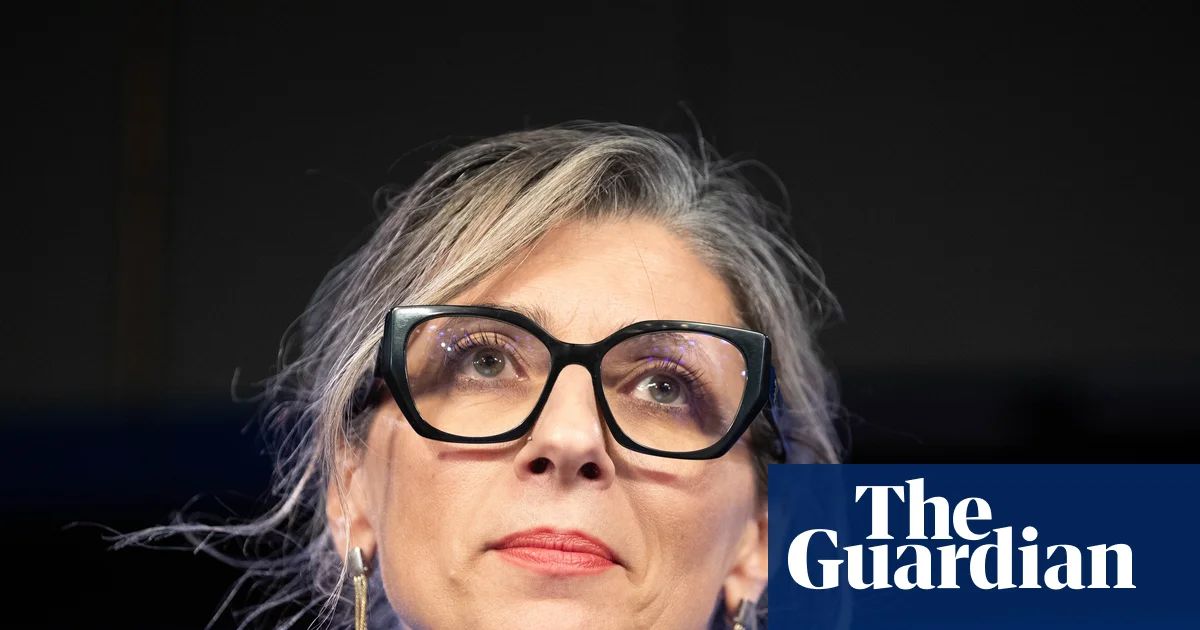
In a striking demonstration of the shrinking boundaries of free speech within academic and cultural institutions, Australia’s venerable Adelaide University has recently faced significant backlash after abruptly cancelling a high-profile event featuring UN Special Rapporteur Francesca Albanese. The event, intended to delve into issues surrounding settler colonialism and human rights in the occupied Palestinian territories, was part of the grassroots Constellations: Not Writers’ Week literary festival—an alternative platform born in the wake of the cancellation of the traditional Adelaide Writers Week. The decision to cancel the event signifies more than a mere administrative misstep; it exemplifies the growing resistance among some institutions to hosting controversial figures aligned with critical perspectives on Israel and Palestine.

This cancellation has ignited fierce debates on what constitutes acceptable discourse in Western democracies. Louise Adler, the former director of Adelaide Writers’ Week, condemned the move as a sign of institutional cowardice, asserting that universities and arts organizations are becoming “Moscow-on-the-Torrens,” a stark metaphor for their apparent capitulation to political pressures and censorship. Meanwhile, APIL (The Association for the Promotion of International Law), organizer of the event, claims the university’s cancellation was based on procedural grounds, asserting that all preparations had been completed and that no due process violations occurred. However, implying that the university’s decision stems from fear of controversy, critics argue that this reflects a troubling trend where fear of external criticism inhibits the exchange of challenging, yet critical ideas vital for healthy democracies.

The geopolitical *underpinning* of this controversy extends far beyond Australia. The event’s guest, Albanese, has become a symbol of a global debate over how democratic societies handle dissent regarding Middle Eastern conflicts. Since July, Albanese has been subjected to US sanctions imposed by the Trump-era Treasury Department, which accused her of “lawfare” and “political warfare” aimed at undermining Israel’s narrative. Critics in the US, including Senator Marco Rubio, have portrayed Albanese as an anti-Semitic figure supporting terrorism and condemn her outspoken stance against alleged Israeli policies. These accusations exemplify the international politicization of human rights debates, where critiques of a vital and contentious region are weaponized within the broader tug-of-war between global powers—namely the United States, Israel, and their opponents.

Internationally, observers and analysts warn that such instances — be it censorship at prestigious universities or sanctions against critics — threaten to undermine the very essence of democratic debate and free expression. United Nations experts and independent voices, like Chris Sidoti, argue that this echoes a troubling trend of *intimidation*, where the mere expression of dissent becomes grounds for suppression. The palpable fear of offending powerful interests, especially those aligned with US and Israeli agendas, indicates a broader geopolitical shift where free speech increasingly faces threats from both domestic and international pressure campaigns. The ongoing battle between free expression and political correctness has the potential to stifle the vital exchange of ideas necessary for a resilient, informed society—an authentic foundation of democracy.

As history continues to unfold, the significance of these conflicts extends well beyond individual case studies. The battles over free speech, whether at universities or on the international stage, are shaping the very fabric of society’s capacity to confront complex truths. With each censorship and sanction, nations grapple with their identity: will they uphold courage and transparency, or succumb to fear and conformity? As the dust settles in Adelaide and beyond, the weight of history reminds us that these moments—whispered warnings or bold declarations—are the chapters where the future of free societies is inscribed, and the outcomes remain perilously uncertain. The world waits, watching whether the flame of open discourse will endure or flicker out amid mounting forces seeking to silence dissent.
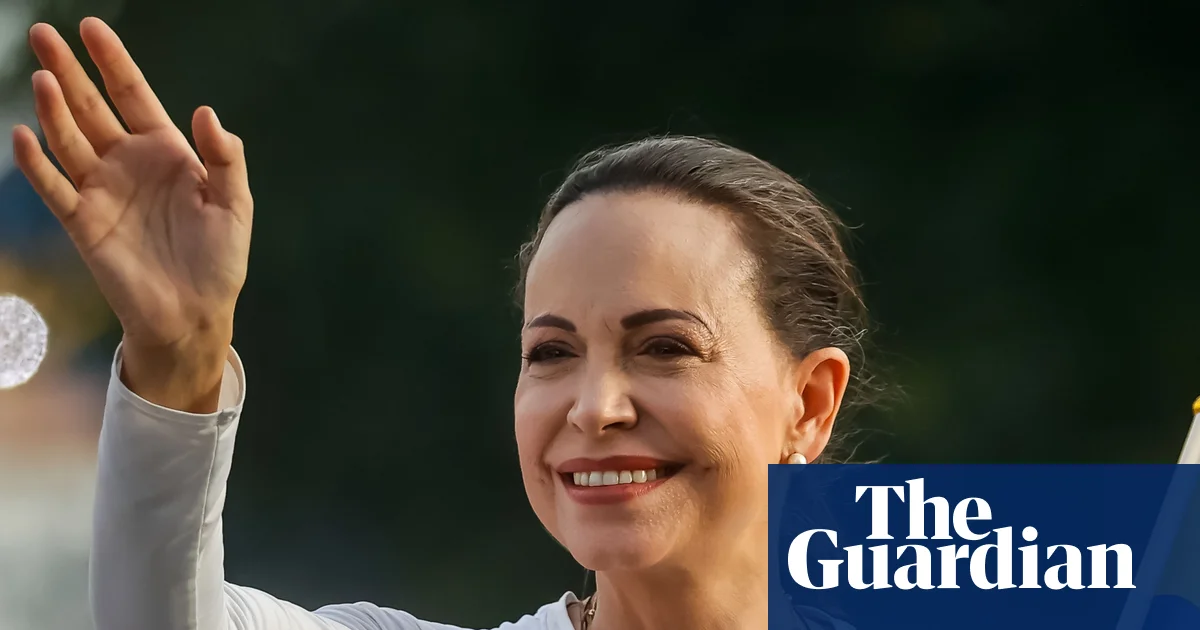
Oslo Cancels Appearance by Nobel Laureate María Corina Machado—Youth Voice Silenced

In a remarkable twist of international diplomacy and ideological rivalry, Venezuela’s opposition leader and fierce critic of Nicolás Maduro, María Corina Machado, has been awarded the Nobel Peace Prize for her relentless efforts to challenge the authoritarian regime in Caracas. The decision by the Norwegian Nobel Committee has sent seismic waves through the geopolitical landscape, prompting discussions on the effectiveness of Western institutions in defending democracy and human rights against entrenched authoritarian governments. However, the celebration was marred by controversy and uncertainty surrounding Machado’s safety and whereabouts, as her planned appearance at the Nobel ceremony was abruptly canceled, underscoring the sinister stakes in Venezuela’s ongoing political crisis.

The **Nobel Peace Prize** announcement underscores a shifting global narrative: how Western support for opposition movements can act as a catalyst for change, yet also provoke fierce retaliation from ruling regimes. Machado, often whispered about as Venezuela’s “Iron Lady,” champions her people’s cause amid a climate of suppression and violence. To many analysts, her award is a **symbolic victory** for grassroots democracy; yet, it also highlights the risks faced by opposition figures under Maduro’s control. As international organizations and historians debate whether Western backing emboldens regimes or fosters real change, the fact remains that Machado’s escape from Venezuela—possibly aided by clandestine support from the U.S.—marks a notable escalation in covert geopolitical maneuvering. The U.S., which has ramped up naval activity and issued threats of land strikes against drug-trafficking suspects, clearly views Venezuela as a pivotal battleground in the global fight against authoritarianism and organized crime.

Meanwhile, the U.S. administration has sharpened its rhetoric, framing its military and diplomatic actions within a broader effort to destabilize Maduro and bolster opposition factions like Machado’s. Reports suggest her family, including her mother, Corina Parisca de Machado, and her children, have traveled clandestinely to Europe for her safety, with some analysts speculating about secret departures via Puerto Rico. This clandestine movement underscores the **high-stakes diplomacy** occurring behind closed doors, where international allies weigh their support amid the risk of increased repression and possible violence. Historians warn that such covert operations can either **accelerate democratization** or deepen divisions, depending on how the global community manages its influence.

As the Nigerian, European, and Latin American bodies prepare to honor Machado amid protests of suppression and international intrigue, the ultimate question remains: **how will this act of recognition influence Venezuela’s future**? Countries like Argentina, Panama, Ecuador, and Paraguay are set to send representatives, turning the event into a geopolitical showdown, where symbols of Western solidarity collide with Maduro’s autocratic resilience. The global community stands at a pivotal crossroads, facing the reality that history is _not_ simply being made—it is _being rewritten_ in real-time. As Machado’s fate hangs in the balance and Russia and China observe from afar, the specter of what’s to come remains shrouded in uncertainty. For now, the world watches, breath held, as the story of Venezuela’s liberation—perhaps its darkest hours—continues to unfold amid the echoes of a battered democracy fighting to breathe amidst the smoke of repression and international intrigue.

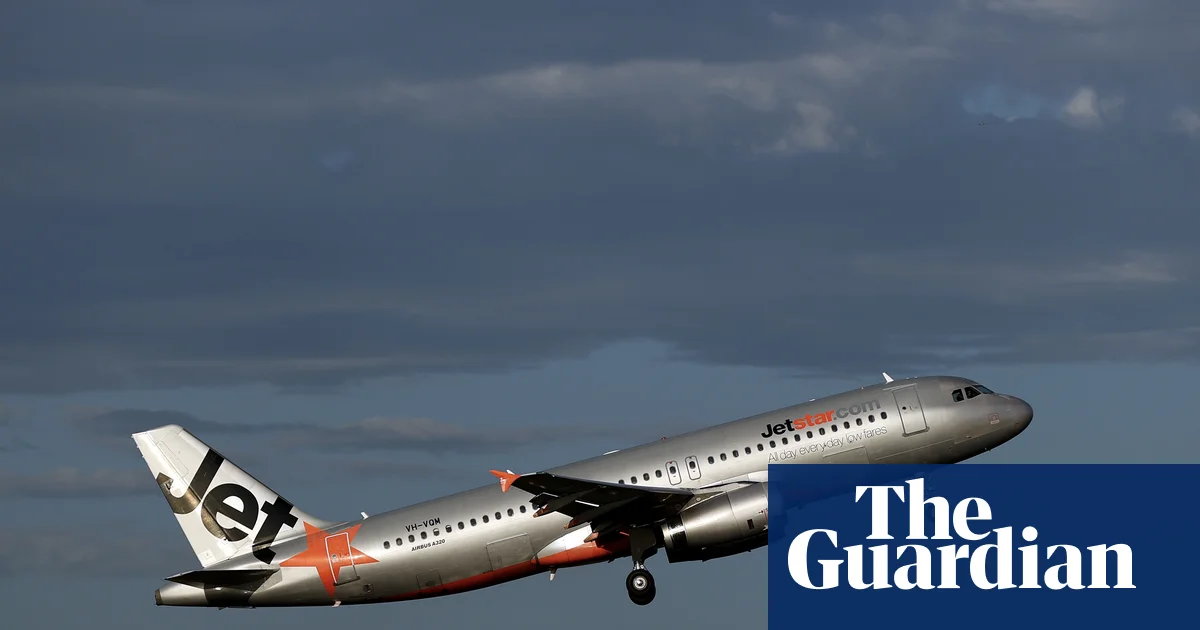
Jetstar cancels 90 Aussie flights amid Airbus A320 recall—disrupting travelers nationwide

International Flight Disruptions Reveal Fragility in Aerospace Safety and geopolitical Stability

In an unprecedented cascade of events, the global airline industry finds itself grappling with a crisis rooted not only in technical malfunctions but in the intricate web of international aviation safety. The recent grounding of **Jetstar**’s Airbus fleet, following critical software updates mandated by **Airbus** after a series of mid-air incidents, underscores how interconnected modern geopolitics, technological reliability, and national security have become. This incident exemplifies a pivotal moment where the safety of millions of passengers is intertwined with broader geopolitical currents, as nations emerge to scrutinize regulations, and global institutions face the pressure to act decisively.

The triggering event was an alert issued by **Airbus**, ordering an immediate software overhaul on a substantial number of its A320 aircraft, which are widely used by airlines such as **Qantas**, **Virgin Australia**, and **Air New Zealand**. The incident followed a JetBlue flight from Cancún, Mexico, to Newark, where an unexpected altitude loss resulted in injuries among passengers—raising alarms about potential vulnerabilities in critical flight control systems. The European Union Aviation Safety Agency (EASA), which certifies these aircraft, identified the problem as an “uncommanded pitch down event,” holding the potential for catastrophic structural failure should unchecked. Analysts warn that such technical glitches, if widely unaddressed, could erode confidence in international aviation safety standards, with ripple effects extending into diplomatic relations and economic stability.

The geopolitical impact extends beyond the immediate safety concerns. Countries that rely heavily on Airbus aircraft face a delicate balancing act—prioritizing passenger safety while managing the economic disruptions caused by flight cancellations across international and domestic routes. For instance, **Qantas** and **Virgin Australia**, both using Airbus aircraft, assured that their fleets would largely remain unaffected, emphasizing how national airlines are navigating the balance of safety, economic vitality, and geopolitical posture. Meanwhile, **Air New Zealand**—a cornerstone of New Zealand’s international connectivity—announced cancellations but reassured safety measures, highlighting how emerging aviation challenges threaten to influence regional stability and trade routes.

International organizations and security experts have voiced concern that this crisis exposes vulnerabilities in an era of increasingly sophisticated aviation technology—an arena now vulnerable to a potential mix of natural and malicious influences. Some agencies warn that the incident is a symptom of a broader shift where technological dependencies in aerospace are becoming new battlegrounds for international power struggles. Historically, analysts like Dr. Emilia Goto from the Global Security Institute argue that such disruptions, if exploited, could serve as pretexts for political leverage, especially amidst current global tensions involving **China**, **Russia**, and the **United States**. The crisis prompts a sobering reflection on how decisions taken in boardrooms and regulatory agencies now directly influence the security architecture of nations.

As this unfolding story continues to develop, the weight of history reminds us that in the 21st century, technological dependence has fundamentally altered the fabric of international stability. The recent grounding of aircraft and swift regulatory response symbolize how fragile the balance is—where the decisions of a multinational corporation, a regional airline, or a regulatory body can tip the scales of geopolitics. With each flight canceled, each safety directive issued, the world moves closer to a reality where the safety of the skies hinges on the complex interplay of technology, international cooperation, and geopolitical influence—an intricate dance where the first misstep could lead humanity into uncharted and dangerous territory, forever etching this crisis into the annals of history’s turbulent chapters.

Tanzania Cancels Independence Day Festivities Amid Election Turmoil

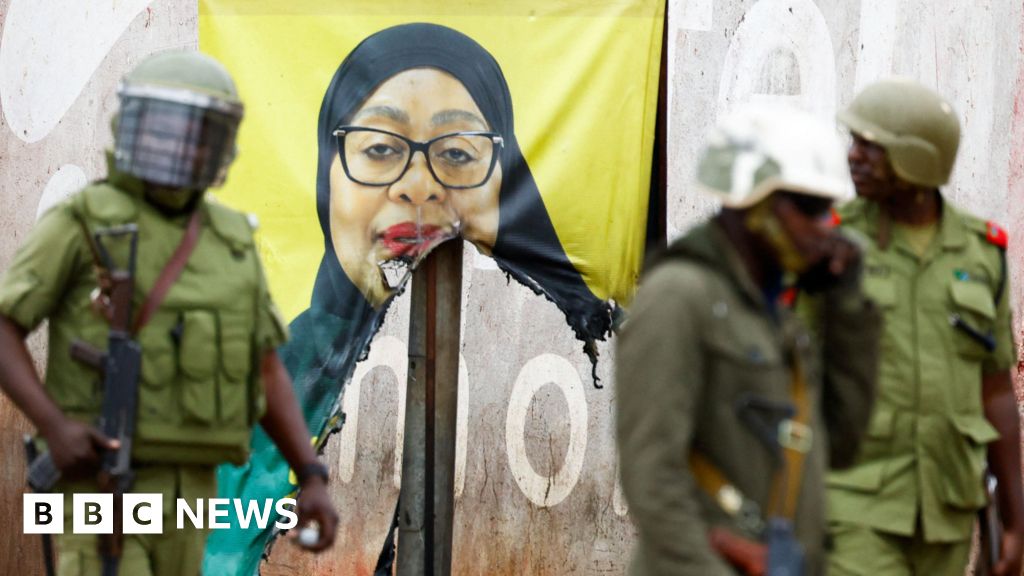
Tanzania has made a controversial decision to cancel its upcoming Independence Day celebrations, redirecting national funds toward rebuilding infrastructure damaged amid recent election unrest. Prime Minister Mwigulu Nchemba announced this shift, emphasizing the government’s focus on internal stability over patriotic festivities. This move underscores the deepening political crisis in East Africa’s second-largest economy and raises questions about how destined to be a model of stability Tanzania is becoming. Nevertheless, international analysts warn that such austerity measures reflect underlying political fractures that threaten both regional and global security.

The backdrop to this decision is a disputed election perceived by many experts as a clear deviation from democratic norms. President Samia Suluhu Hassan secured a landslide victory with 98% of the vote—an outcome widely dismissed by opposition figures as a “mockery of democracy.” Her main rivals were either detained or disqualified, fueling accusations of electoral manipulation. Election observers, including representatives from renowned organizations, pointed to irregularities and a flawed process, suggesting the vote fell short of fair standards. Meanwhile, the government responded with an internet blackout during the vote, and a crackdown on protests, which has resulted in the deaths of hundreds—an assertion still denied by authorities but corroborated by numerous eyewitness reports. The international community watches this unfolding crisis with concern; the African Union and United Nations have urged transparency and dialogue, but the substance of their influence remains uncertain.

Amid these circumstances, the Tanzanian government has sought to reframe its narrative, claiming that the protests and political repression are exaggerated efforts by critics aiming to tarnish national pride. Yet, reports of mass arrests—including charges of treason against at least 240 protesters—along with the perceived erosion of democratic space, serve as stark warnings of how fragile Tanzania’s political fabric has become. Historians and geopolitical analysts alike warn that such internal strife in pivotal regional nations not only impacts national stability but also shifts the global balance of power. Analysts from International Crisis Group emphasize that sustained instability in Tanzania could embolden authoritarian tendencies in similar states and undermine regional cooperation efforts, which are central to Africa’s economic development initiatives.

As President Hassan seeks to navigate this turbulent period, her administration’s push for political dialogue and appeals for national unity appear increasingly symbolic. The decision to halt Independence Day celebrations, a hallmark of national pride, highlights both internal dissension and the potential for long-term consequences on Tanzania’s geopolitical standing. How this crisis unfolds will sculpt the narrative of East Africa’s future: a region caught at the crossroads, where the choices made today will echo through history’s corridors for generations. Making perhaps the most solemn reminder of the weight carried by leaders: in the grand chessboard of international relations, the game is far from over—and the stakes have never been higher.

Blue Origin cancels second New Glenn launch, aims for November 12 comeback

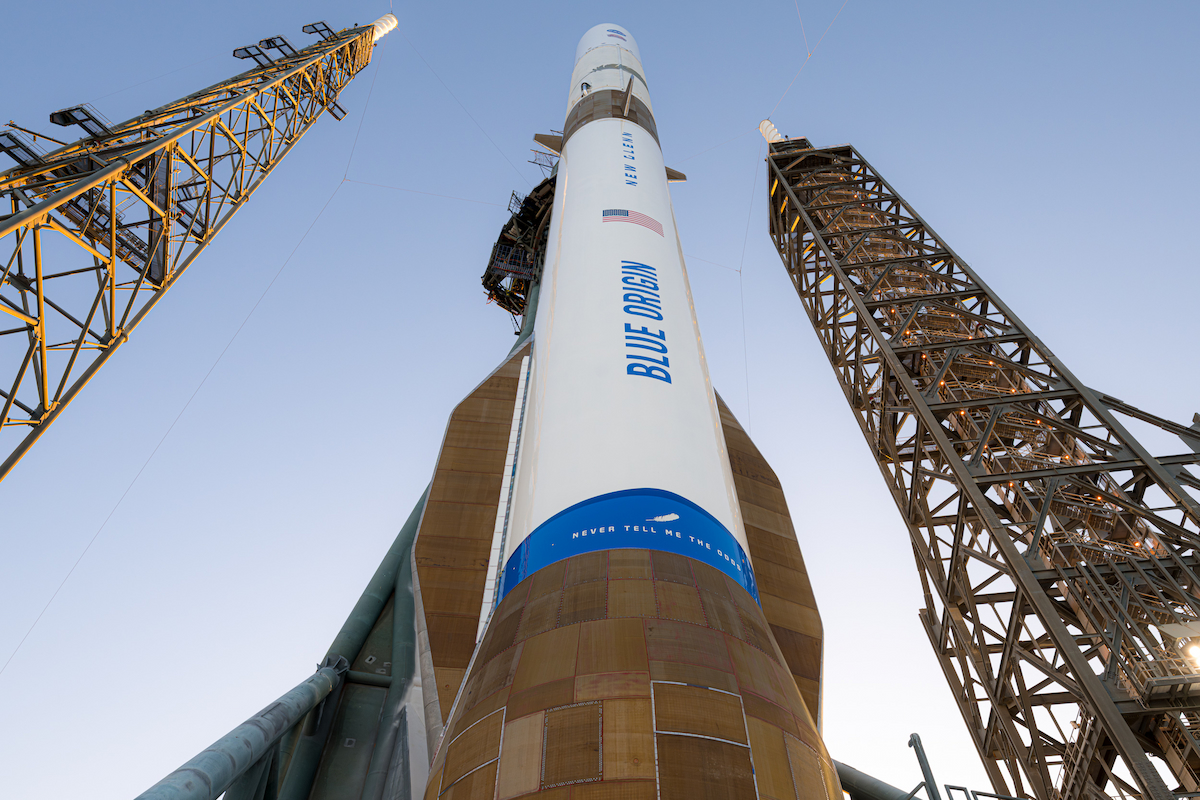
In a notable display of disruption in space launch technology, Blue Origin has faced setbacks but remains steadfast in its pursuit to revolutionize the commercial space sector. The company’s latest attempt to launch its groundbreaking New Glenn mega-rocket, scheduled for last Sunday, was scrubbed due to a confluence of weather conditions, minor launch pad equipment issues, and the unexpected intrusion of a cruise ship into the flight path. Despite the setback, the company announced a rescheduled launch for Wednesday, November 12, signaling its resilience and commitment to innovation amidst operational hurdles. According to Blue Origin’s official updates, the FAA’s recent restrictions—stemming from the ongoing government shutdown—have complicated launch permissions, illustrating the delicate regulatory environment that emerging space enterprises must navigate.

This mission is a pivotal moment for Blue Origin as it seeks to demonstrate complete reusability of the New Glenn booster — a critical benchmark for reducing launch costs and disrupting traditional space industry economics. In its inaugural orbital attempt in January, the New Glenn reached orbit but was lost upon impact in a booster explosion. The current mission aims to test the booster’s ability to land for the first time, a feat that could significantly undermine Elon Musk’s dominion with SpaceX. As industry analysts like Gartner highlight, reusability is no longer a mere innovation but an industry standard that distinguishes a sustainable, scalable space business. The successful recovery of the booster would not only validate Blue Origin’s technical capabilities but could also recalibrate the competitive landscape—ushering in lower-cost, frequent, reliable launches that challenge space monopolies.

Beyond proving reusable technology, this mission also signals a shift towards more ambitious commercial payload deliveries. The New Glenn is tasked with carrying NASA’s ESCAPADE spacecraft, aimed at Mars exploration, and a tech demonstrator for Viasat. This aligns with a broader trend of privatization and commercialization of space, where firms like Blue Origin aim to become indispensable partners in government and commercial projects. The venture’s success will carry substantial business implications: scaling new spaceflight economies, fostering innovation ecosystems, and accelerating the transition into a weaponized, commercially driven space age. Industry leaders and analysts, including those at MIT’s Space Systems Laboratory, anticipate that the next decade will determine whether private firms like Blue Origin become long-term players—or fall prey to the harsh realities of space-scale disruption.

Looking ahead, the unfolding developments epitomize the urgency with which space enterprises must adapt to an era of rapid technological change and intense competition. As industry dynamics shift, Blue Origin’s perseverance in tackling technical, regulatory, and environmental challenges underscores a crucial takeaway: _disruption in space is no longer hypothetical_; it is happening now, and the pace will only accelerate. Tech investors and policy stakeholders must monitor these milestones closely, as the success or failure of New Glenn will likely influence the trajectory of the entire space economy—from satellite networks to lunar mining and beyond. The next few years could redefine global competitiveness in space endeavors—making the coming launch attempt more than just a routine test; it’s a critical inflection point that may dictate the future frontiers of the commercial space age.

US cancels Colombian president’s visa following UN trip

International Tensions Escalate: Colombia’s President Gustavo Petro Faces US Visa Revocation Amid Bold Calls for Disobedience

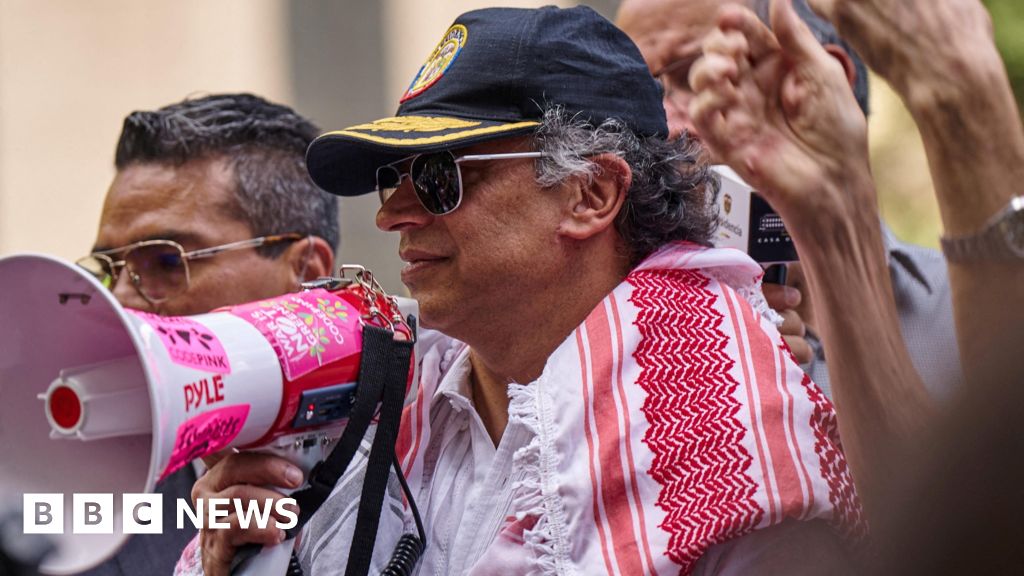
In a striking move that underscores the shifting sands of global geopolitics, Colombia‘s President Gustavo Petro has found himself at the center of an intense diplomatic storm after urging US soldiers to disobey orders from Donald Trump. The former senator and leader of Colombia’s first left-wing government made incendiary remarks during a speech at the UN in New York, calling for a “world salvation army” to liberate Palestine. As Petro implored US soldiers to “disobey Trump’s order,” the US State Department responded swiftly, vowing to revoke his visa—an action that marks a rare diplomatic escalation within the hemispheric relationship.

Petro’s remarks, delivered amidst a pro-Palestinian protest, were characterized by American officials as “reckless and incendiary,” sparking outrage at the highest levels of US diplomacy. His plea to soldiers to “not point rifles at humanity” and to turn their guns instead toward “tyrants” echoes a broader narrative that challenges the existing US-led order. Historically, such rhetoric—particularly when it involves urging soldiers to disobey commands—can threaten diplomatic stability and alter perceptions of US influence in Latin America. Analyzing this development, experts like geopolitical analyst Dr. Karen Mitchell suggest that Petro’s speech reflects a growing dissatisfaction with US foreign policy—especially its aggressive anti-drug operations in Latin America, which Petro has criticized as tools of American domination rather than genuine efforts to combat narcotics. This exchange reveals a possible turning point as Latin American leaders become increasingly vocal in opposing US interventions, risking diplomatic isolation to assert their sovereignty.

The diplomatic fallout extends beyond mere rhetoric.

  • Petro’s visa revocation, announced as he was returning to Bogotá, sets a precedent of punitive measures against leaders critical of US foreign policy.
  • Colombia’s Interior Minister, Armando Benedetti, went further, claiming that Israeli Prime Minister Benjamin Netanyahu should have faced similar visa restrictions—a pointed comment aimed at highlighting perceived double standards.
  • Relations between Colombia and Washington have been strained, especially after Petro’s recent critical comments at the UN, alleging that US strategies in Latin America serve to “control through violence” rather than genuine development. These sentiments echo a broader skepticism rooted in historical grievances over interventionist tactics and the US’s role in shaping Latin America’s political landscape.

Meanwhile, the global stage is witnessing a wider contest for influence, with international organizations and historians warning that these disputes transcend diplomatic rhetoric. The US’s decision to deny visas to Palestinian President Mahmoud Abbas and several officials—despite customary diplomatic privileges—further exemplifies the ongoing shift in US engagement, marking a move toward more aggressive stances on its perceived adversaries. This diplomatic tug-of-war underscores how political decisions here have the power to reshape alliances, fuel regional instability, and redefine sovereignty. As Petro’s calls for disobedience reverberate through international corridors, the world watches, realizing that these acts of defiance, while seemingly isolated, threaten to fracture the current global order. In the unfolding narrative of history—bit by bit, decision by decision—the stage is set for a new era of contestation over sovereignty, influence, and the future trajectory of international relations. The question remains: will the currents of change turn toward chaos or renewal? The answer lies ahead, in the unresolved chapters of a world still waiting to be written.

Social Media Auto Publish Powered By : XYZScripts.com