Matox News

Truth Over Trends, always!

Vegetarian Diets Offer Youth a Stronger Defense Against Cancer Risks

The Growing Conversation on Diet and Its Societal Impact

Recent landmark research has revealed that dietary choices significantly influence the health of individuals and, consequently, the well-being of entire communities. The study, encompassing over 1.8 million people across various nations, underscores a complex relationship between lifestyle, societal structure, and public health outcomes. Specifically, vegetarians exhibit a notably lower risk of five common cancers, such as pancreatic, prostate, breast, kidney, and multiple myeloma, which collectively account for a substantial portion of cancer mortality. The implications of these findings extend beyond individual health, touching on the fabric of families and the future of societal healthcare systems. As Dr. Aurora Pérez-Cornago from the University of Oxford highlights, “This study is really good news for those who follow a vegetarian diet because they have a lower risk of five cancer types, some of which are very prevalent in the population.”

However, the research also sheds light on critical social tensions and nutritional gaps within specific communities. Vegetarians and vegans face increased exposure to certain risks, such as a nearly doubled likelihood of developing the most prevalent type of esophageal cancer, known as squamous cell carcinoma. This finding raises questions about how dietary restrictions and choices can inadvertently create vulnerabilities within vulnerable populations. Furthermore, vegans, despite their health benefits, show a 40% higher risk of bowel cancer, often attributed to lower calcium and nutrient intake. These findings reveal an urgent need for comprehensive nutritional education and accessible food options to prevent further health disparities in our society. As sociologists like Dr. Samuel Green argue, “Diet is not just a personal choice; it’s a social determinant that influences community health and social equity.”

Families and Education: Bridging the Nutritional Divide

Social issues surrounding diet have profound effects on families and educational institutions. In many communities, access to balanced nutrition is hindered by economic disparities, cultural norms, and misinformation. Schools often serve as battlegrounds for these debates, striving to provide meals that are both nutritious and culturally sensitive but facing challenges due to budget constraints and conflicting dietary trends. The study’s results emphasize the importance of fostering an environment where youth can learn about sustainable, nutrient-rich diets that minimize health risks. Educators and community leaders must work together to promote dietary literacy, ensuring that children and their families can make informed choices that safeguard their health without falling victim to industry-driven misinformation or affordability issues.

The societal challenge lies in addressing these disparities while respecting individual cultural identities. As historian Dr. Abigail Rivera notes, “Our collective future depends on creating inclusive, supportive frameworks that empower families to nurture healthier lifestyles. This involves reforming educational curricula and community programs to prioritize nutritional equity and cultural sensitivity.” The goal is to bridge the gap between knowledge and access, transforming societal attitudes towards diet in a way that strengthens community resilience and fosters long-term health outcomes.

Reflections on Society’s Challenges and the Path Forward

Within the broader context of social transformation, this research prompts a moral reflection on how society values health, nutrition, and collective well-being. As sociologists and social commentators deliberate on these findings, a common theme emerges: the necessity of reimagining our social infrastructure to better support informed, healthier choices. While the study highlights the protective effects of plant-based diets against many cancers, it also signals the importance of ensuring these diets are nutritionally complete. This entails charting a balanced approach that considers how societal trends—such as the rise of ultra-processed foods and vegan products—impact community health. Such efforts must be rooted in education, accessible nutrition, and community engagement, forging pathways toward a society where health equity is not an aspiration but a living reality.

As society stands at this crossroads, the challenge is to transform knowledge into action—supporting families, empowering youth, and reconstructing social systems that nurture well-being. The future calls for resilience, compassion, and informed leadership. In this ongoing story of societal evolution, the hope remains that through collective effort, we can construct communities where health is a shared promise and a foundation for a better tomorrow. Amid the societal upheaval, the enduring human spirit seeks to turn awareness into positive change, forging a society where every individual can thrive in harmony with their community and environment.

Safe Sun Apps Fueling Skin Cancer Risks, Undermine Youth Awareness

Resurgence of Tanning Culture Sparks Concerns Over Youth’s Health and Society

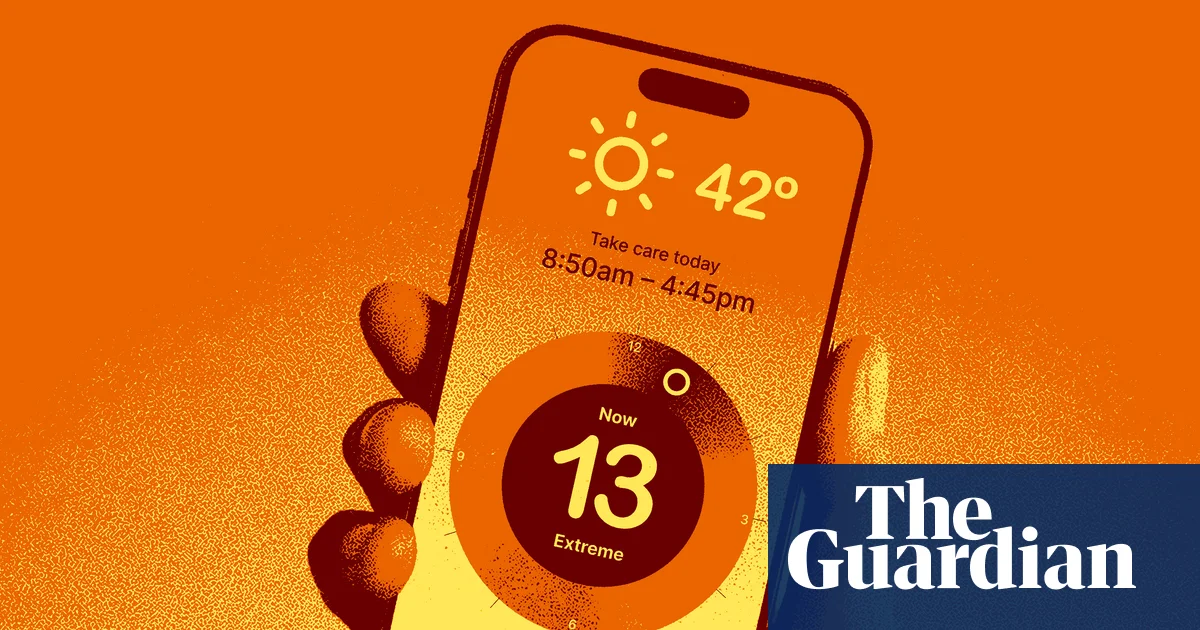
In recent years, technological advances and social media influence have fostered a troubling revival of tanning among Australian teenagers. Promoted through popular social media influencers and smartphone applications, a new wave of tanning culture is emphasizing “safe” and “healthy” routines—despite medical experts warning that any exposure to ultraviolet (UV) radiation carries significant health risks. These apps, some directed at users as young as four, guide users to intentionally expose themselves to UV rays, with features allowing customization of skin tone, tanning intensity, and even the application of oils or accelerants. This trend complicates societal efforts to combat skin cancer and influences family dynamics by normalizing risky behaviors at an impressionable age.

The Illusion of ‘Safe’ Tanning and Its Impact on Communities

  • Many of these apps suggest that tanning can be achieved gradually or within “safe” exposure thresholds. However, dermatologists like Dr. Deshan Sebaratnam refute this, emphasizing that “a tan is a distress signal from your skin,” indicating damage rather than safety.
  • Damage from UV radiation penetrates into DNA, causing mutations that can ultimately lead to skin cancer. Despite this, the marketing around ‘gradual’ tanning perpetuates misconceptions, undermining public health efforts and problematically targeting young people who are at a higher lifetime risk from early UV damage.
  • According to the Cancer Council Victoria’s SunSmart program, these trends threaten to undo decades of public health campaigns aimed at reducing tanning obsession, which historically has been associated with societal notions of beauty and status—but at what human cost?

Families and Education Under Siege by Cultural Shifts

In this social environment, families find themselves grappling with an increase in misinformation and risky behaviors. Schools and community programs face the challenge of counteracting pervasive advertising that normalizes tanning as a desirable or ‘safe’ activity. Sociologist Dr. Julia Connor notes that “cultural norms around tanning, often intertwined with notions of youth, beauty, and social acceptance, are deeply ingrained”—making interventions difficult. Meanwhile, education on the real dangers of UV exposure remains sporadic and often overshadowed by rapidly evolving marketing trends that glamorize sun-kissed skin.

What is more concerning is that the development of these apps often involves targeted marketing, using social media influencers who appeal directly to impressionable youth. Studies have shown that such strategies significantly influence adolescents’ perceptions about health and beauty. As a result, young individuals may prioritize appearance over their long-term health, inadvertently planting the seeds for skin cancer and other sun-related health issues. Community leaders and policymakers are called upon to more robustly regulate advertising and digital content, enforcing guidelines that prioritize critical education about UV risks.

Moving Toward a Society That Values True Safety and Health

Despite the mounting challenges, experts and social commentators emphasize that the only truly “safe” tan is a fake one, highlighting the importance of embracing natural skin tones or using certified tanning products that do not involve UV exposure. Alongside targeted public health campaigns, fostering a cultural shift away from superficial beauty standards rooted in tanning is essential. As historian Dr. Samuel Lewis reflects, “Society’s battle with beauty ideals is not solely about individual choices but about collective responsibility—how we redefine health, attractiveness, and societal values.”

Ultimately, society teeters on a precipice—where technology, culture, and health converge—challenging us to reflect on what kind of future we want to shape. The unchecked rise of risky tanning practices among youth echoes a larger narrative about how societal values can be distorted by social media and commercial interests. Yet, in this challenge lies an opportunity: to nurture a generation that values health over appearance, genuine safety over superficiality, and community well-being over individual vanity. Society’s collective hope may reside in the silent resilience of its families and educators united in advocating for a culture that understands that true beauty and health lie in self-respect and the courage to reject dangerous trends.

Doctors warn NHS postcode lottery is blocking youth’s access to new cancer treatments

Postcode Lottery in Cancer Treatment Sparks Societal Concerns

In the heart of England’s healthcare system, a troubling divide has emerged—a deepening postcode lottery that determines access to cutting-edge cancer treatments. The Royal College of Radiologists and Radiotherapy UK warn that many cancer patients are being denied access to innovative radiotherapy options such as stereotactic ablative body radiotherapy (SABR) and molecular radiotherapy (MRT), treatments proven to improve survival rates and reduce side effects. These procedures, widely available in other developed nations, are hampered by bureaucratic red tape and an archaic funding system within the NHS. Such disparities threaten to fracture the fabric of equitable healthcare, impacting families, communities, and the very moral fabric of society that aspires to provide everyone with a fair shot at life.

This disparity in treatment access underscores a broader societal failure where social inequalities expand beyond socioeconomic boundaries and into healthcare outcomes. As sociologists like Charles Murray have argued, a society’s strength hinges on its ability to provide equal opportunities—not just economically, but morally through access to essential services like healthcare. The current system, plagued by complex funding policies, restricts the availability of advanced treatments to a handful of hospitals that can afford the £250,000 equipment costs—costs that are often covered by charities rather than the NHS. Consequently, patients in more deprived areas are left with outdated therapies or, tragically, to seek private treatment, creating a two-tier system that fosters social division and erodes societal trust.

This issue resonates deeply within families, where the ripple effect of healthcare disparities influences not only health outcomes but societal stability. Children grow up witnessing inequalities, fostering resentment and disengagement from the common good. The lack of uniform access hampers the collective effort to reduce cancer mortality, which in Britain remains high compared to other countries, despite the UK’s reputation as a leader in medical research. The slow rollout of advanced radiotherapy techniques is emblematic of bureaucratic inertia, which, according to social critic Dr. Nicky Thorp, means we are “missing out on treatments that could treat cancer more effectively, with fewer side effects, and over fewer doses.” Such delays threaten to turn cancer into an unforgiving shadow looming over families, disproportionately impacting those in underserved areas, thus widening societal rifts.

Describing the situation as a “postcode lottery,” Professor Pat Price highlights how the broken funding system perpetuates fundamental inequalities. She emphasizes that the UK’s poor cancer survival rates stem from a failure of policy and resource allocation, not a lack of knowledge or technology. The challenge lies in transitioning from an outdated tariff system that disincentivizes hospitals from adopting newer treatments—an issue that needs urgent reform. As Cancer Research UK points out, the consequences are stark: despite being a global leader in cancer research, Britain’s survival rates lag behind other countries, a reflection of systemic failures that damage not just lives but societal cohesion. Here too, the moral question arises: should healthcare depend on where one lives, or should advancements be available to all by virtue of being citizens? The answer must echo through the halls of policymakers, urging a movement toward true national health equity.

While NHS England asserts that its upcoming cancer plan aims to make these novel treatments more accessible, critics remain cautious. The hope for a future where every hospital offers these life-saving options is buoyed by the moral imperative to provide equal care, but tangible change depends on substantial funding and systemic overhaul. As society faces this ongoing crisis, a reflection surfaces: societal health isn’t solely measured in medical statistics, but in the resilience of families, the strength of communities, and the moral commitment of a nation to protect its most vulnerable. Society’s challenge, then, is not merely technological progress but a collective resolve to bridge divides, to champion fairness, and to forge a future where opportunity and care are not dictated by postcode but are a shared inheritance for all.

AI in Breast Cancer Detection: Catching Early, Cutting Delays by 12%—A Win for Society

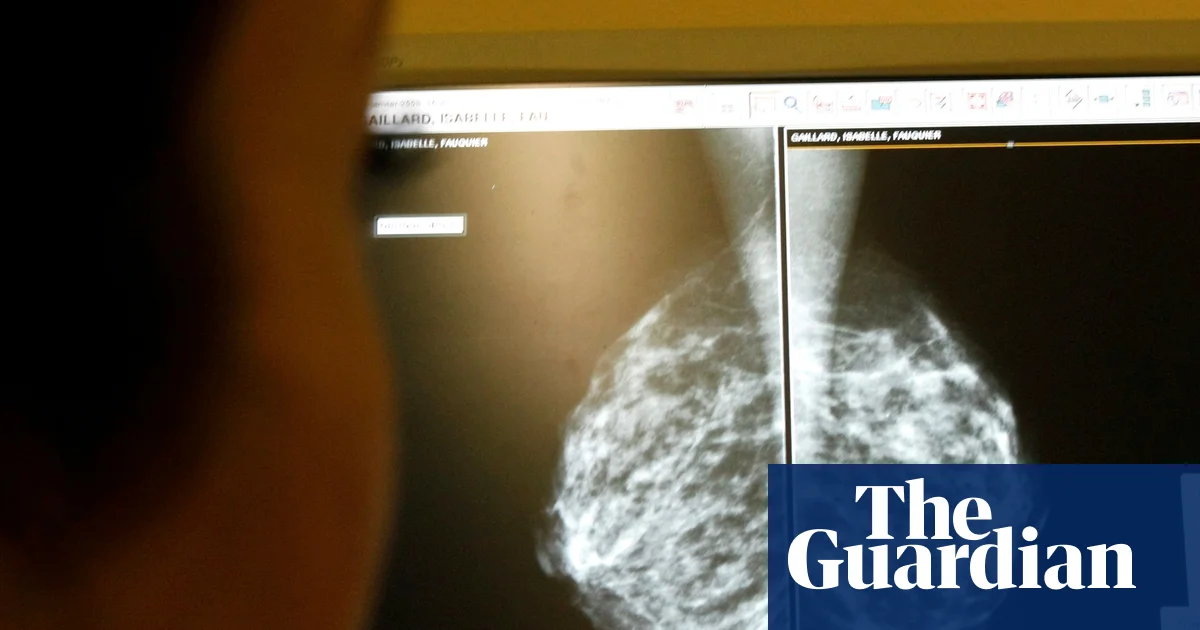
In an era marked by rapid technological advancements, the healthcare sector stands at a crossroads, where the integration of artificial intelligence (AI) promises to revolutionize traditional practices. A groundbreaking study published in The Lancet highlights how AI-supported mammography screening can significantly improve early detection and reduce the incidence of subsequent breast cancer diagnoses. This research, involving a vast cohort of 100,000 women in Sweden, offers a glimpse into a future where families, communities, and educational institutions could benefit from a more efficient and effective approach to combating one of society’s most daunting health challenges. The evidence suggests that when AI pairs with skilled radiologists, the potential to save lives and alleviate healthcare burdens grows exponentially.

  • AI-enabled mammograms resulted in a 12% reduction in breast cancer diagnoses in the years following screening.
  • Over 81% of cancers were detected at the screening stage with AI support, compared to 74% in traditional methods.
  • There was a 27% decrease in aggressive cancer subtypes, offering hope for less invasive treatments.

The societal ripples of these findings extend beyond immediate health outcomes. As social commentators and historians have noted, early detection technologies don’t merely save lives—they reshape perceptions of healthcare, challenge complacency, and redefine societal resilience. For families, this means less devastating news and a greater chance to plan for a future that includes more moments together. For educators and youth, the promise of integrated AI systems emphasizes the importance of STEM education, fostering a generation equipped not just to utilize, but to innovate in the face of complex social issues.

However, voices like Dr. Sowmiya Moorthie from Cancer Research UK urge caution, highlighting that AI should support, not replace, human judgement. As historians have shown, technological progress often carries social tensions, especially when it risks devaluing the human touch that is vital to healthcare. The challenge lies in implementing these innovations thoughtfully, ensuring continuous monitoring and regional adaptability—all while safeguarding the moral imperative to uphold human dignity and comprehensive care. As Dr. Kristina Lång from Lund University emphasizes, the cautious rollout is essential to maintain trust and effectiveness across diverse communities.

Ultimately, society’s journey toward integrating AI in breast cancer screening underscores a larger narrative: the need for equitable access, ethical oversight, and community engagement. When sociologists like Charles Murray or Ben Shapiro consider the implications of technological shifts, they highlight the importance of preserving societal cohesion amid rapid change. In a world where innovations offer hope, it is vital that families and communities remain at the heart of this transformation—ensuring that progress enhances human well-being without sacrificing the core values that bind us together. As society stands on the cusp of a new chapter, the challenge remains: to harness these technologies not just for efficiency but to foster a future where health inequities diminish and every individual has a fighting chance—for themselves, for their families, and for the society we all share.

Social Media Auto Publish Powered By : XYZScripts.com