Matox News

Truth Over Trends, always!

Cruise Ship Hit by Hantavirus Departs Cape Verde Following Evacuations

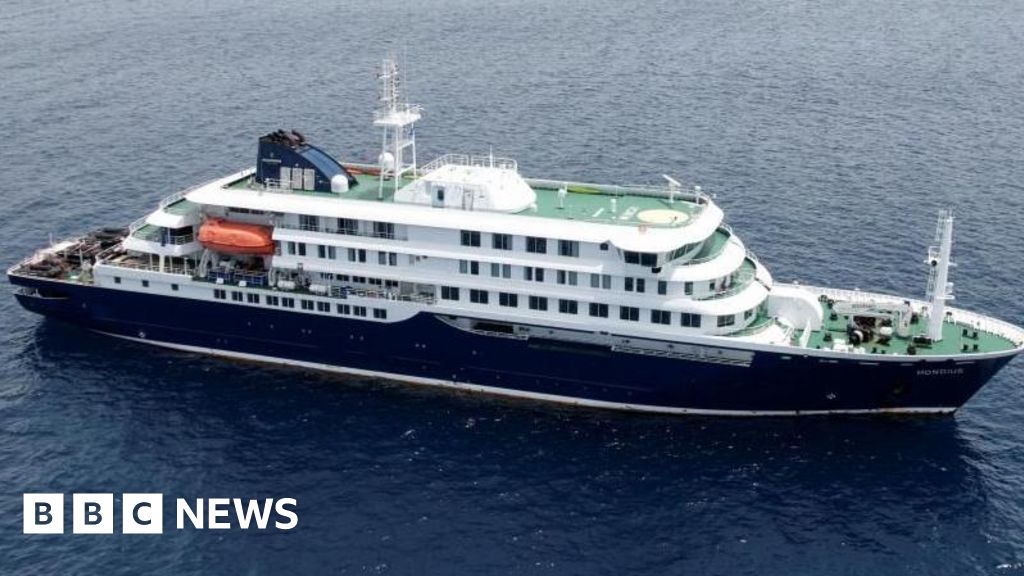
In an unexpected development in the ongoing global health and security landscape, the United Kingdom has confirmed that a British national is among three evacuees transported to the Netherlands after exhibiting symptoms aboard the MV Hondius. This vessel, originally tasked with a maritime operation, has now become a focal point of international concern, highlighting how recent events continue to ripple across national borders and geopolitical stability.

According to officials, the evacuees were identified following a routine health assessment onboard the vessel, which was under strict quarantine measures. The individual in question reportedly displayed symptoms consistent with a contagious disease, prompting immediate cooperation with European health authorities. The decision to evacuate and isolate these individuals underscores the delicate balance nations attempt to strike amid rising fears of infectious outbreaks—especially as global populations become increasingly interconnected. Analysts note that this episode emphasizes how simple health scares can escalate into broader diplomatic and security stakes, especially in geopolitically sensitive zones.

International organizations, such as the World Health Organization and EU health officials, have swiftly responded, reinforcing protocols for the management of potentially infected individuals at sea and within international waters. This incident forms part of a broader pattern that dates back to recent crises involving maritime quarantine procedures—highlighted by historians as emblematic of the unpredictable challenges faced in 21st-century geopolitics. The UK government has stated that the evacuees are receiving appropriate medical attention in the Netherlands, reflecting a coordinated effort to contain any potential health threat while maintaining diplomatic channels open.

Experts warn that these incidents serve as a stark reminder of the fragile interconnectedness of the modern world. Policymakers and international agencies continuously grapple with the fallout of decisions made amidst crises, often revealing the underlying tensions between national sovereignty and multilateral cooperation. How nations respond to transnational health threats not only shapes the immediate outcome of such incidents but also influences their geopolitical leverage and societal stability in the long term. As the world watches this evolving story, it becomes increasingly clear that the unfolding events aboard the MV Hondius are a microcosm of a larger, more turbulent era—where the balance of health, security, and diplomacy is more delicate than ever before.
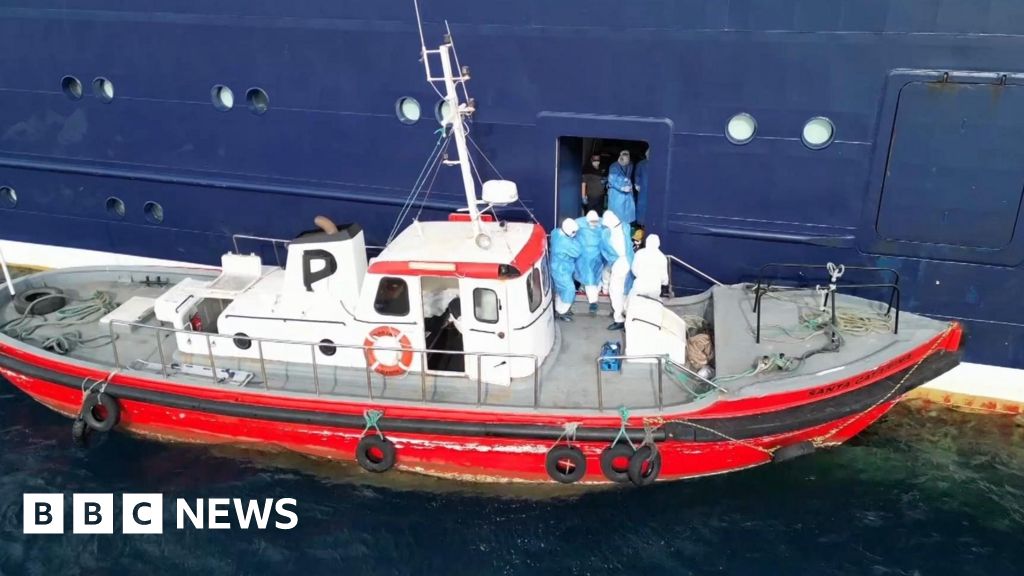

MV Hondius: Three passengers evacuated off Cape Verde amid ongoing operations

The recent evacuation of passengers from the MV Hondius off Cape Verde has quickly captured international attention, highlighting the fragile interplay between global health security and maritime travel. The cruise ship, which set sail from Argentina on 1 April, became the focus of concern after an outbreak of hantavirus, a deadly rodent-spread disease. The incident underscores the persistent risks associated with international leisure travel, especially in an age where infectious diseases can rapidly transcend borders, testing the resilience of global health systems.

Within days, tragic losses occurred as three passengers succumbed to the outbreak, with several others exhibiting symptoms. The ship’s evacuation near Cape Verde and its subsequent departure to the Canary Islands serve as a stark reminder of how infectious disease outbreaks can become geopolitical flashpoints. Countries like Cape Verde and Spain, along with international health authorities, now grapple with managing the crisis while attempting to prevent further spread. Authorities’ response, coordinated with international organizations such as the World Health Organization, emphasizes the critical need for stringent onboard health protocols and rapid response mechanisms—yet, critics argue that such measures are often reactive rather than proactive.

This incident sheds light on broader geopolitical concerns. Cruise ships, often seen as emblematic of global interconnectedness, paradoxically become vectors for disease transmission—a reality that has led some nations to reconsider their maritime policies. Historically, pandemics and epidemics have reshaped international diplomacy and travel regulations; today, the outbreak aboard the MV Hondius could accelerate stricter maritime health standards, affecting the future of international cruise industry policies. Analysts warn that a failure to contain such outbreaks could undermine global confidence in maritime tourism, impacting economies that rely heavily on this sector.

International organizations and geopolitical analysts continue to monitor the unfolding situation. Recent history since the COVID-19 pandemic shows how decisions made in moments of crisis carry lasting consequences: lockdowns, travel bans, and increased health inspections have become standard, yet they often ignite tensions over sovereignty and economic interests. As nations debate the best course of action, the global community must reckon with the reality that unpredictable outbreaks can destabilize entire regions, threaten public health, and challenge the very fabric of international cooperation. The story of the MV Hondius is not merely about a cruise ship; it is a chapter in the ongoing saga where humanity’s pursuit of leisure and globalization must be balanced against the imperatives of security—an interplay that history will remember as a defining test of resilience in an interconnected world.

Social Media Auto Publish Powered By : XYZScripts.com


