Matox News

Truth Over Trends, always!

Sweden captures captain of suspected Russian covert fleet ship

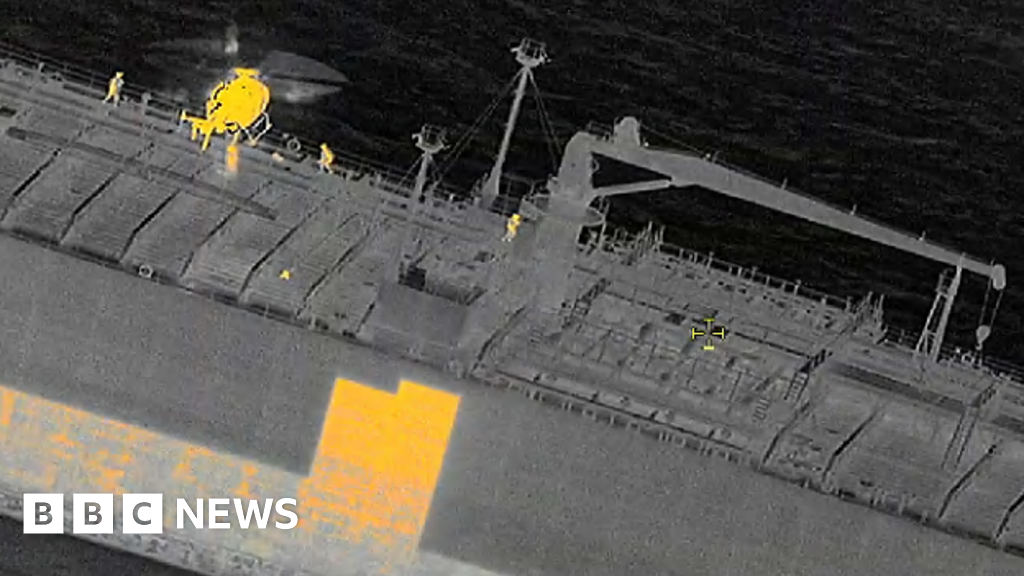
In a concerning development that could ripple across maritime security and international law, it has emerged that the skipper of the vessel Sea Owl One is suspected of producing forged documents during a recent boarding by coast guard authorities. This incident, seemingly isolated at first glance, underscores the broader vulnerabilities in maritime border control and the ongoing geopolitical contest for influence over vital sea lanes. As nations enhance their maritime patrols and security protocols, the discovery of forged documents raises serious questions about the prevalence of illicit activities in contested waters and the potential for diplomatic tensions to escalate.

Experts caution that such acts of document forgery are often tied to larger networks engaged in illegal trade, smuggling, or even terrorist activities. The International Maritime Organization (IMO) and other global watchdogs have long warned about the increasing sophistication of these schemes, which threaten the stability of international shipping routes. The incident involving Sea Owl One specifically highlights a pressing challenge: how to effectively enforce maritime law amid the complex web of international jurisdiction. As analysts from various think tanks point out, the forgery not only complicates the enforcement process but also undermines trust in maritime documentation—an essential component of global commerce.

From a geopolitical perspective, the event resonates far beyond the immediate region. Countries bordering strategic chokepoints such as the Strait of Malacca, the Strait of Gibraltar, or the Bab el-Mandeb are increasingly vigilant as maritime security operates at the intersection of national interests and international cooperation. The incident serves as a stark warning to maritime nations about the potential for covert activities to threaten broader security architectures. Historically, maritime disputes have often escalated when trust erodes, prompting international institutions like the United Nations to call for tighter regulations and intelligence sharing to prevent such occurrences from spiraling into conflict.

While the authorities have yet to release a comprehensive statement, the incident underscores the fragile nature of maritime sovereignty in an era marked by epochal shifts—such as the rise of China’s maritime ambitions and the strategic recalibration of Russia in global waterways. How nations choose to respond—whether through hardened security measures or diplomatic negotiations—will likely influence the course of regional stability for years to come. As history keeps its relentless march forward, this seemingly small breach could foreshadow larger power struggles that threaten to reshape the maritime geopolitical map and redefine the balance of influence for a new generation.

Ex-England rugby captain Lewis Moody open about MND battle—warning for all youth

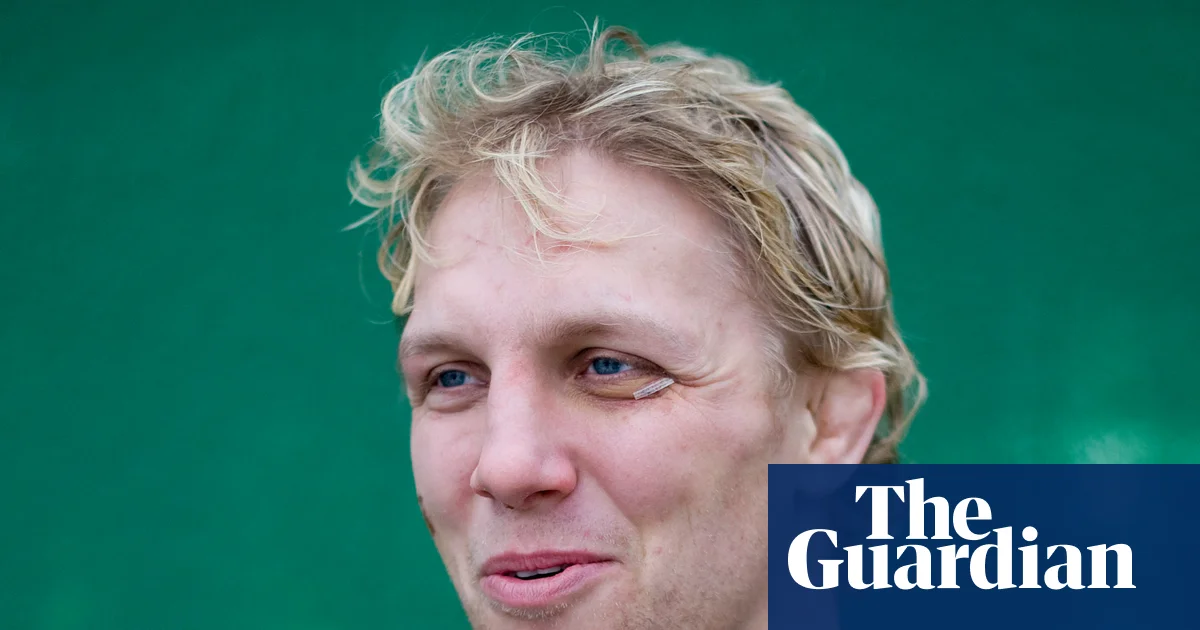
In a world increasingly shaped by geopolitical turbulence and complex international relationships, the personal stories of national figures often bring a poignant reminder of the universality of human vulnerability. Recently, Lewis Moody, the celebrated former captain of England rugby and a 2003 World Cup champion, disclosed he has been diagnosed with motor neurone disease (MND). Despite his youthful resilience, Moody’s revelation underscores how fragile even the strongest individuals can be when faced with the relentless realities of health crises, raising broader questions about societal resilience and the role of global health initiatives in supporting those in the spotlight.

The diagnosis—discovered after Moody experienced mild symptoms, such as shoulder weakness—has sent ripples beyond the rugby field, shining a light on a disease that has devastated many, including fellow rugby personalities Doddie Weir and Rob Burrow. These tragedies have catalyzed UK-wide fundraising efforts, with high-profile figures and organizations rallying behind the fight against MND. Such stories serve as a mirror to the delicate balance of power, health, and societal support systems—highlighting how individual health battles can resonate on an international scale and influence policy discussions on healthcare funding, research priorities, and national resilience.

On the geopolitical stage, international health bodies and regional alliances have increasingly recognized the importance of swift action in combating neurodegenerative diseases. The World Health Organization (WHO) has emphasized the need for global cooperation, citing recent scientific advancements and the urgency of accelerating research funding. As countries grapple with escalating healthcare challenges—exacerbated by the ongoing balance of economic stability and social welfare—such personal stories emphasize that leadership requires compassion and foresight. On a societal level, the outbreak of chronic illnesses like MND threatens to strain national healthcare systems, potentially diverting vital resources from other crucial areas like education, infrastructure, and defense.

The geopolitical impact of health crises such as MND is multifaceted. They catalyze discussions on pandemic preparedness, research collaborations, and how societies prioritize their vulnerable populations. Analysts argue that these health emergencies expose gaps in international cooperation, urging global institutions to implement more cohesive strategies—ensuring no nation is left behind. Meanwhile, governments are reminded of their duty to foster resilient societies where healthcare is not a privilege but a right. These decisions ultimately influence social cohesion, economic stability, and the future of human progress, shaping a legacy that will be debated by historians for generations to come.

As Moody’s story unfolds—a narrative marked by courage and confrontation—the broader dialogue remains open: how will nations respond to the rising tide of complex health challenges? Will the indomitable spirit of individuals inspire stronger global solidarity? Or will the weight of history reveal missed opportunities to unify and innovate in the face of such adversity? The answers lie intertwined with the course of history yet to be written. In a world teetering between chaos and hope, personal tragedies serve as stark reminders of our interconnected fate, pressing nations and societies alike to confront the profound questions of resilience and compassion—before the pages of history turn again.

Social Media Auto Publish Powered By : XYZScripts.com


