
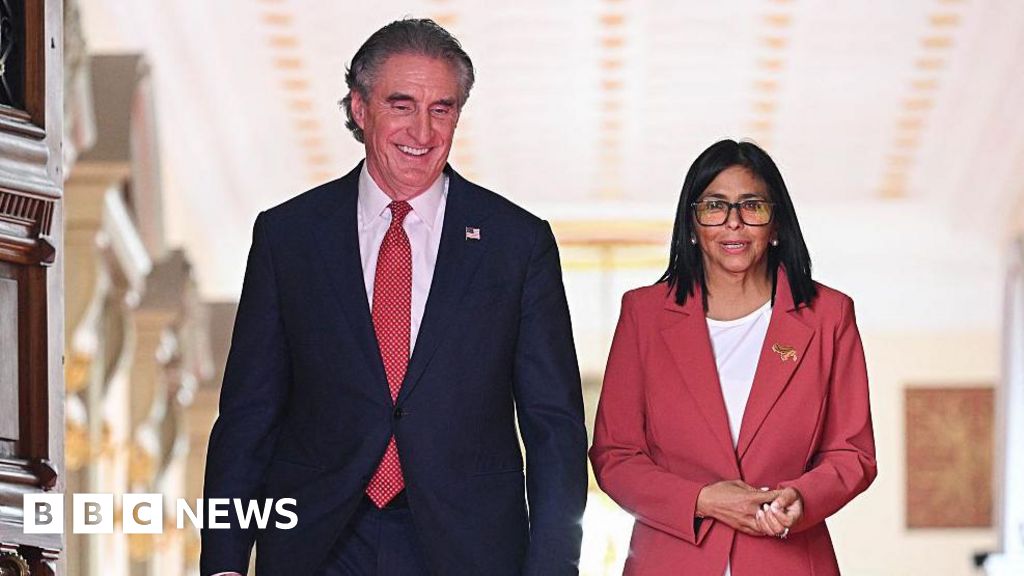

In a bold move that has sent shockwaves through the international community, the United States announced that it had seized Nicolás Maduro and his wife, marking a decisive shift in its approach to the ongoing crisis in Venezuela. This action, which the US framed as part of a broader effort to promote stability in the region, signals a significant escalation in Washington’s foreign policy objectives and highlights the complex interplay between diplomacy and power in today’s geopolitics. According to official statements, the two sides have committed to a joint effort aimed at fostering stability, yet the underlying implications for regional security remain profound.
Historian and international security analysts have widely discussed the geopolitical impact of this intervention. The move not only challenges the Maduro regime, which has been embroiled in economic collapse and political turmoil, but also shifts the balance of influence across Latin America. Many view the US action as a move designed to weaken the current authoritarian government and pave the way for a different political trajectory in Venezuela. It also raises questions about the future of regional alliances, with countries such as Russia and China—who have historically supported Maduro—likely to respond with strategic caution or increased hostility. The intervention underscores the broader global contest of influence, where superpowers leverage crises for ideological and political advantage.
Furthermore, this incident comes amid howling debates over sovereignty and international law. Critics argue that the US’s actions may exacerbate regional instability and could set dangerous precedents for extraterritorial intervention. The United Nations and other international institutions have issued cautious statements, emphasizing the importance of lawful conduct and multilateral dialogue. Yet, many experts warn that such unilateral actions, if left unchecked, risk undermining the post-World War II order that has largely preserved peace through diplomacy. As analysts like Dr. Laura Bennett of the International Crisis Group point out, the decision “stands at a crossroads of law, morality, and geopolitics, with consequences that could ripple across decades.”
The geopolitical consequences of this new chapter are still unfolding, with nations watching anxiously for the next move. While the US has pledged a joint effort to stabilize Venezuela, the real measure of success will depend on how regional actors respond, the resilience of Maduro’s supporters, and how the Venezuelan people navigate these turbulent waters. As history continues to be written in real-time, the world remains on edge, aware that an event of this magnitude could either usher in a new era of democracy or plunge the region into even deeper chaos. The question remains: which will prevail—the force of history, or the chaos of uncharted futures?





