
Matox News

Truth Over Trends, always!

Australia news: Luxury car tax tweak may boost EU deal; Dubai flights land in Sydney and Melbourne

The geopolitical landscape in the Indo-Pacific is witnessing a decisive shift as Australia prepares to amend its domestic policies to clinch a lucrative free trade agreement (FTA) with the European Union. This move isn’t just about economics; it signals a strategic realignment aimed at fortifying Australia’s international standing amid ongoing global tensions. Negotiations have been progressing swiftly, with Ursula von der Leyen, the President of the European Commission, potentially set to visit Australia in the coming days—an event that could mark a significant milestone in this diplomatic push.

Key to this diplomatic gambit is a controversial adjustment to Australia’s luxury car tax (LCT), a move that has caught international attention. According to reports, the Australian government is considering increasing the current $80,000 threshold to at least $100,000, a concession tailored to European automakers like BMW and Mercedes-Benz. This adjustment would reduce import tariffs on high-end vehicles, making Australian markets more accessible to European luxury brands while simultaneously positioning the nation as a more attractive partner in commerce. Analysts, including diplomatic strategists and trade experts, observe that this maneuver is a calculated effort to demonstrate Australia’s willingness to flex its economic muscles in service of broader geopolitical ambitions.

In tandem with negotiations with the EU, Australia’s military posture remains a subject of international intrigue. Reports suggest that Australian personnel may have been aboard a U.S. submarine during an operation off Sri Lanka, which resulted in the torpedoing and sinking of an Iranian warship—an incident that has sent ripples through international security circles. Defense Minister Madeleine King refused to disclose operational details, citing longstanding arrangements with allied foreign governments, notably the U.S. Navy. This situation underscores Australia’s deepening military integration within the AUKUS pact, a strategic alliance that signals a clear pivot towards aligning more closely with Western military interests amidst an increasingly unsettled international order.

Meanwhile, Australia is grappling with severe weather phenomena, as a tropical low threatens the northern coasts with flooding and damaging winds. Such natural disasters have become a stark reminder of the rising stakes in the region’s security and economic stability. Emergency preparations in Queensland highlight the country’s vulnerability to climate events that could further destabilize already precarious social and infrastructural conditions. Historians and Future Impact analysts warn that these environmental challenges, coupled with shifting geopolitical alliances, could accelerate regional realignments—an unfolding narrative of nations adjusting their course under the weight of history’s relentless tide.

Global analysts note that Australia’s dual focus—bolstering economic ties with the EU while navigating complex military alliances—embodies a broader pattern among Western-aligned nations seeking to preserve sovereignty and influence in a rapidly changing world. The decisions made today will ripple across continents, affecting societies, industries, and security architectures for generations to come. As diplomatic doors open and warships move unseen in distant waters, the weight of history presses heavily upon a nation poised on the brink of a new geopolitical chapter—one written as much in boardrooms as it is in the depth of the oceans and the fury of storms.

Evidence Connects Sydney Kidnap Victim Chris Baghsarian, 85, to Burned Car as Search Persists

Embattled Australia Faces a Crisis with Broader Geopolitical Implications

In an unsettling turn of events, Australia is reeling after the kidnapping of 85-year-old Chris Baghsarian in what authorities believe to be a case of mistaken identity. The case, unfolding in the suburban landscapes of Sydney, has exposed more than just a personal tragedy; it underscores ongoing issues of criminality, law enforcement challenges, and the societal fractures that threaten to destabilize the nation. For over a week, forensic investigations have linked evidence from a burnt-out vehicle to a remote bushland area, where the elderly man had been held hostage, raising questions about the depth of organized crime infiltrating local communities.

While police have yet to confirm what precise evidence connects Baghsarian to the crime scene, authorities have indicated that a vehicle linked to the kidnapping was not entirely destroyed by fire, allowing forensic experts to establish crucial links. The fact that the car appeared in multiple locations, including Glenorie, suggests a calculated effort by the perpetrators to evade detection while highlighting how criminal networks exploit rural and suburban areas to hide illicit activities. It is a stark reminder that even a peaceful nation like Australia is vulnerable to covert operations that, if unchecked, could threaten its social fabric, especially as this case remains without a ransom demand or clear ties to organized underworld groups.

International Scope of Law Enforcement Struggles and Political Ramifications

Global analysts and criminal experts warn that Australia’s current predicament foreshadows a broader challenge faced by developed nations: the seepage of organized crime into civilian life, facilitated by weak borders, digital anonymity, and a lack of coordinated international strategies. The European Commission and Interpol have repeatedly emphasized that transnational crime syndicates now operate across borders with alarming agility, often turning local communities into battlegrounds. Analysts warn that if countries like Australia cannot enhance their investigative capabilities and international cooperation, their sovereignty and social order could be at grave risk.

The case also raises serious concerns about how decisions made in global and national policy impact societies at the grassroots level. The reluctance to openly confront criminal networks or implement comprehensive security reforms can embolden factions intent on destabilizing social trust. Furthermore, this incident exposes the limits of current law enforcement strategies, which are often hampered by bureaucratic hurdles, underfunding, or political hesitance, thereby enabling organized crooks to flourish in the shadows.

The Broader Geopolitical Impact and the Path Forward

This disturbing episode highlights a fragility that extends well beyond Australia. As international organizations like the United Nations and regional alliances grapple with the escalation of crime, terrorism, and illicit trade, the need for a fortified, coordinated approach becomes increasingly evident. Australia’s internal security failures could serve as a warning sign to other nations, prompting urgent calls for policies that prioritize border security, intelligence sharing, and community resilience. The ripple effects may well influence diplomatic relations, trade policies, and regional stability, especially if criminal enterprises find fertile ground in these nations’ social and political vulnerabilities.

Historians and security analysts warn that crises such as the Baghsarian kidnapping are chapters in a larger narrative of societal decline driven by unchecked criminal ambition and international neglect. As the authorities continue their search in the rugged Australian bush, the nation stands at a crossroads: either strengthen its defenses against insidious threats or risk surrendering its sovereignty to organized chaos. In the shadows, unseen forces watch, analyze, and adapt—leaving the final pages of this unfolding story unwritten but undeniably impactful, echoing across the corridors of power and history alike.

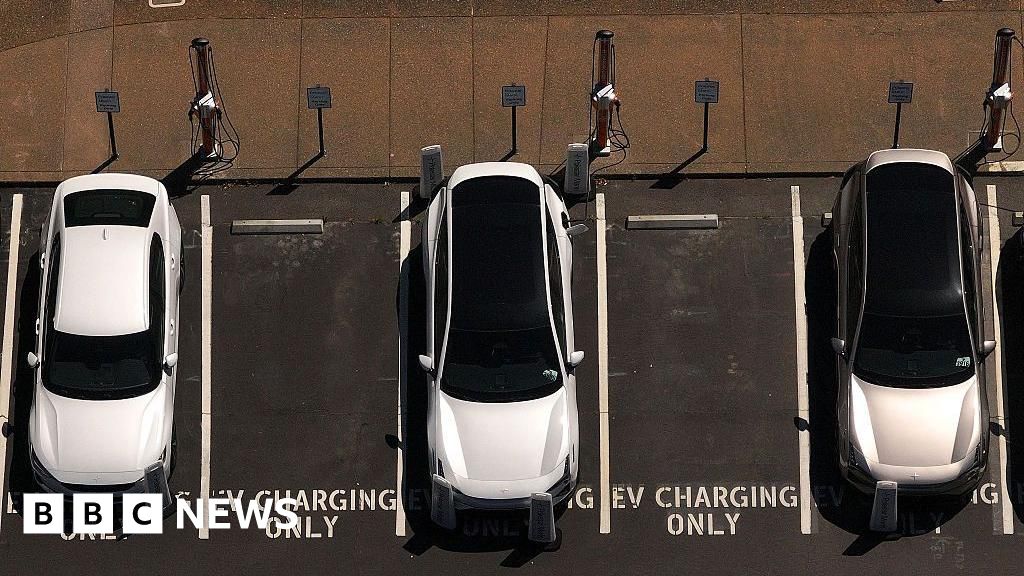
US Falling Behind in the Electric Car Race: What went Wrong?

The Geopolitical Significance of Electric Vehicle Policies

The race for dominance in the electric vehicle (EV) industry has become a focal point in international geopolitics and economic rivalry. In recent years, the US has aggressively pushed to position itself as a leader in clean transportation technology, aiming for electric cars to comprise half of all vehicle sales by the year 2030. President Joe Biden championed policies that include expanding tax credits, boosting infrastructure with billions invested in charging stations, and incentivizing domestic manufacturing through loans and grants. These measures, supporters argue, are part of a broader strategy to secure economic independence and maintain technological sovereignty against rising competitors like China.

Yet, despite these ambitions, the US electric car market has lagged behind much of the European Union, the United Kingdom, and China, which have benefitted from more aggressive government subsidies and regulatory frameworks. China, for instance, now accounts for nearly half of all EV sales globally, with a clear aim to dominate the market entirely. European nations have made substantial advances with nearly 20–30% of new car sales being electric or hybrid vehicles, supported by policies that include strict emissions targets and generous incentives. This disparity underscores the impact of decision-making at the governmental level, revealing how support or the lack thereof profoundly influences a nation’s rise in the EV industry.

Policy Fluctuations and Their Consequences

The recent policy shifts in Washington reflect raw political divides over climate and economic priorities. Former President Donald Trump has openly dismissed climate change as a “con job” and has sought to dismantle many carbon-reducing policies. His administration’s decision to cancel the $7,500 tax credit—a key incentive for EV buyers—has sent ripple effects through the industry, endangering the sustainability of ongoing investments. Industry leaders like Ford and Tesla warn that demand could precipitously decline in the absence of government support, which had played a crucial role in driving record sales during the last quarter.

With tariffs on foreign vehicles and parts further complicating the landscape—including measures enacted by Trump in the spring—the industry faces an uncertain future. Analysts warn that without sustained government backing, the US might not only fall behind in EV adoption but could also become less competitive globally, losing crucial technological leadership and economic influence. This tug-of-war in policy demonstrates how domestic political shifts directly shape transformative technology sectors, thereby altering international power balances.

Economic and Social Ramifications

Despite the narrative of an EV revolution, the American consumer remains hesitant due to high costs—electric cars still command an average transaction price exceeding $57,000—roughly 16% higher than comparable petrol-powered vehicles. Manufacturers like Hyundai have attempted to offset those costs by lowering prices, but the combination of tariffs and diminishing subsidies could stymie consumer enthusiasm. Such economic pressures threaten to stifle innovation and broader adoption in one of the world’s biggest car markets, creating a ripple effect that could slow the global transition away from fossil fuels.

Some analysts argue that the US’s relative lag in this sector reveals more than just economic challenges; it reflects broader questions about national strategy and societal readiness. Will the US continue to invest in future industries or succumb to protectionist policies that threaten to fragment global supply chains? As industry veterans and international observers ponder these questions, it becomes clear that the trajectory of America’s electric vehicle industry may well determine the future landscape of global economic power—and whether the US can still claim a seat at the table or is destined to watch from the sidelines as others set the rules of the game.

As history writes itself in the coming years, the fight for technological supremacy and energy independence unfolds on an increasingly divided stage, leaving the world to watch and wonder: Will this be the dawn of a new era, or just another chapter in a story of lost opportunities? The weight of history presses heavily upon this moment, as nations and societies brace for what comes next in the silent, relentless march toward the future.

British Teen Leaps from Jail to Tragedy: Dies in Car Crash Months After Dubai Release

In recent weeks, a tragic event has highlighted the geopolitical ripple effects that stem from complex international legal and cultural clashes. The death of Marcus Fakana, a British teenager previously imprisoned in the United Arab Emirates (UAE) for a controversial relationship, underscores the profound influence of sovereign legal systems on individual life and international diplomacy. Fakana’s story—marked by conviction, pardon, and ultimately, his unforeseen death in a car crash—serves as a striking reminder of how decisions made in distant capitals can resonate across global borders and society at large.

Fakana’s case, which drew international attention, exemplifies the delicate balance of justice and cultural sovereignty. Sentenced in Dubai for consensual relations with a minor—an act criminalized intensively under the UAE’s conservative legal framework—his subsequent royal pardon in July 2024 exemplifies the strategic diplomacy often employed by influential Gulf states to project soft power and manage international perceptions. Yet, his brief period of freedom, lasting only three months, was tragically cut short, raising questions about the effectiveness of international legal diplomacy and the societal costs of strict adherence to traditional laws. Security analysts suggest that such cases illuminate the ongoing tension between international human rights norms and sovereign legal codes that often clash, challenging Western nations to reconsider how their citizens navigate foreign legal landscapes.

The incident in London further demonstrates the intertwined nature of Britain’s domestic security and international influence. Following Fakana’s death in a vehicle collision in Tottenham, UK authorities confirmed that police were engaged in a pursuit involving a “vehicle of interest,” which ended in a fatal crash. The police’s statement, emphasizing the risks of illegal pursuits and dangerous driving, reignites debates about law enforcement’s capacity to uphold public safety amid rising urban crime. As foreign influences and local security measures collide, experts warn that the fragile fabric of societal order is at risk of fraying further, especially as some advocate more robust policies to deter transnational issues—ranging from immigration to criminal activity—affected by international incidents.

  • The UAE’s harsh legal stance on youth and consensual relationships manifests a broader pattern of conservative social policies aimed at maintaining cultural traditions amid global change.
  • The Britain’s law enforcement grapples with urban crime, emphasizing that even routine pursuits can escalate into tragedy if safety measures falter.
  • International organizations and historical analysts note that these incidents are increasingly shaped by geopolitical considerations, as nations assert their sovereignty while balancing international scrutiny and diplomatic obligations.

As historians, policy analysts, and international bodies interpret these events, a sobering narrative emerges: the ongoing battle to balance traditional values and modern justice continues to shape the trajectory of nations. Fakana’s tragic story underscores a broader warning—how decisions in distant capitals and local law enforcement actions can have irreversible consequences. With global instability and cultural clashes intensifying, history is once again writing a chapter full of tension, conflict, and unresolved questions. Humanity stands at a crossroads, where every choice echoes across generations, leaving an indelible mark on the course of world history.

Social Media Auto Publish Powered By : XYZScripts.com